
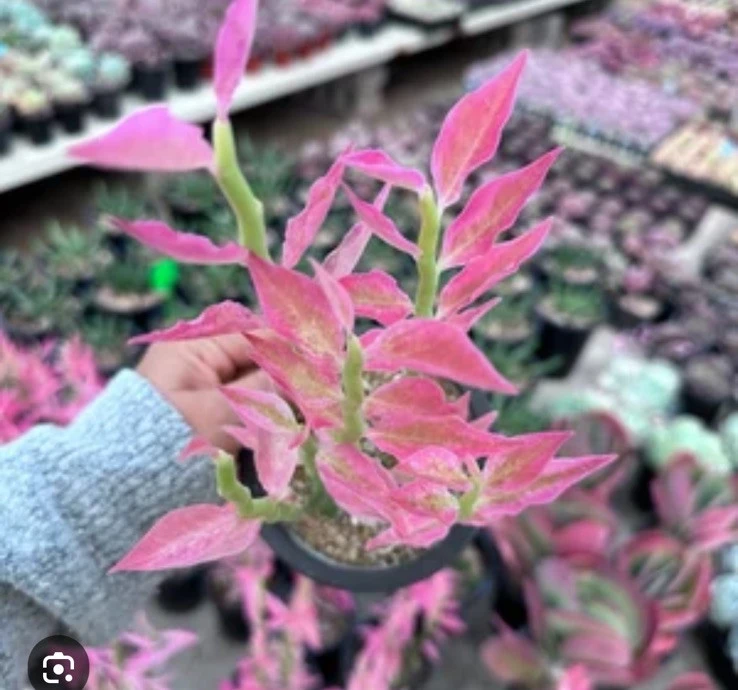
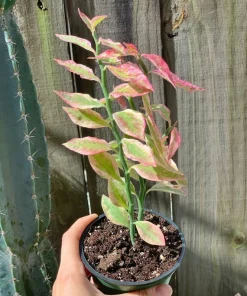
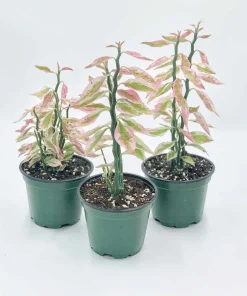
Variegated Devil’s Backbone Live Plant – Rare Euphorbia tithymaloides Succulent
Original price was: $24.99.$19.99Current price is: $19.99.
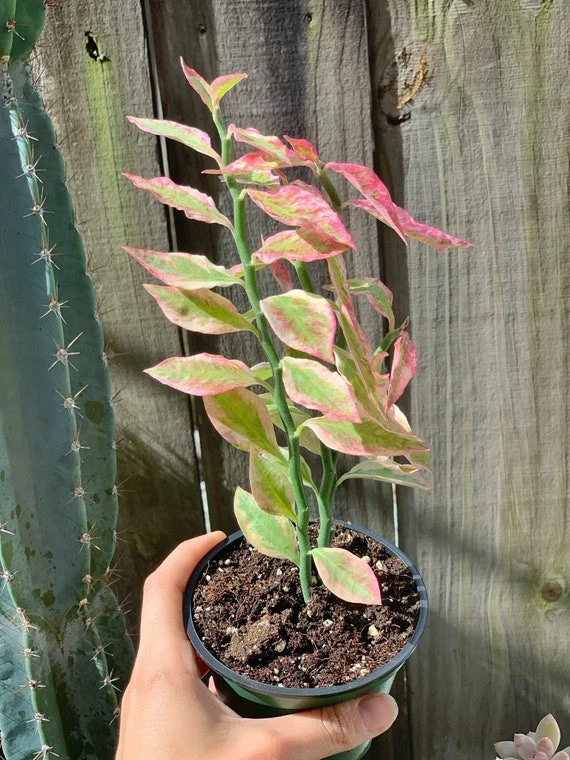
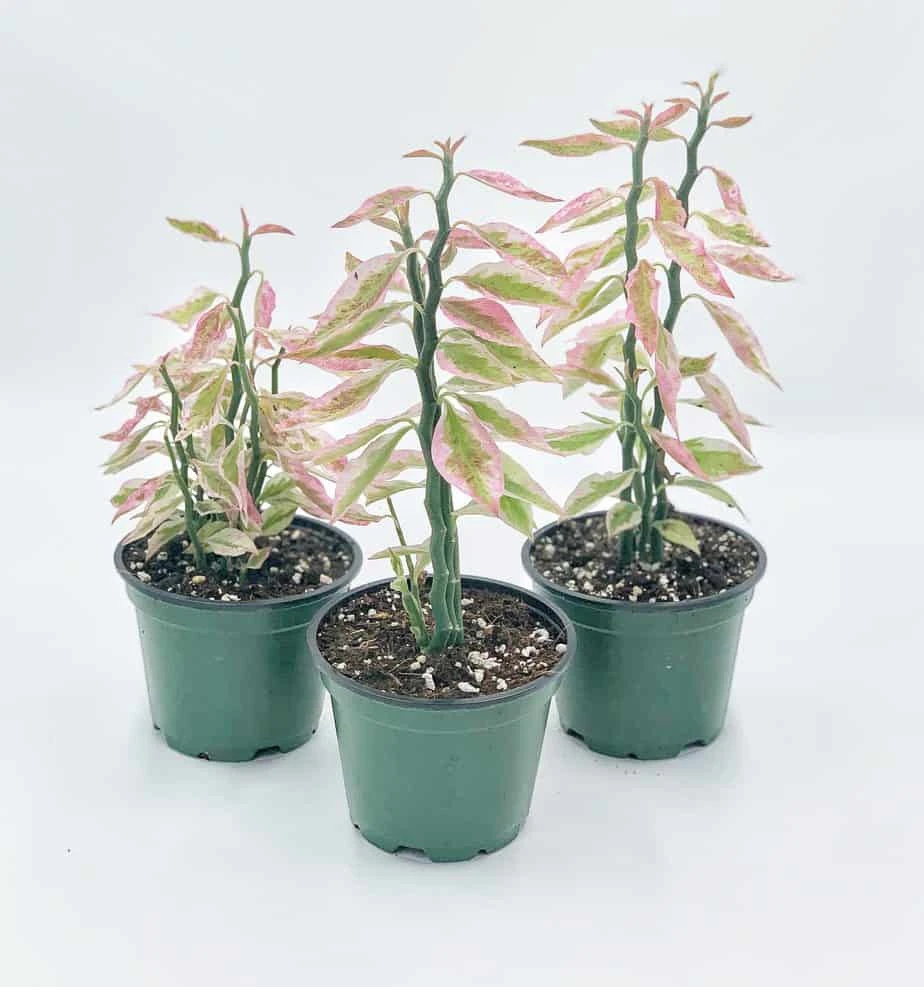
Bring a touch of exotic charm to your home with this stunning variegated devil’s backbone live plant. Also known as Euphorbia tithymaloides, this unique succulent boasts vibrant, zig-zagging stems and striking foliage, making it a captivating addition to any plant collection. Easy to care for and visually intriguing, it’s a perfect choice for both novice and experienced plant enthusiasts seeking a distinctive houseplant.
Estimated arrival
Oct 27
Nov 01 - Nov 03
Nov 06 - Nov 10
Shop With Confidence
30-Day Plant Health Guarantee
Arrives damaged? We’ll replace it free — see our return policy.
Responsive Support
Email us anytime, we reply within 1 business day.
Expert Packaging
Temperature-controlled shipping to protect your plants in transit.
Secure Checkout
Pay safely with Visa, Mastercard, PayPal.
Plant Specifications
-
USDA Hardiness Zone
USDA zones 9-11 (outdoors) -
Soil Type
Well-draining succulent/cactus mix -
Sunlight Exposure
Bright indirect light -
Expected Planting Period
Year-round indoors, spring to summer outdoors
Overview
Introduce a truly unique specimen to your plant collection with the variegated devil’s backbone live plant. This captivating succulent, scientifically known as Euphorbia tithymaloides, is celebrated for its distinctive zig-zagging stems and vibrant, often pink-edged, variegated leaves. Originating from tropical and subtropical regions, it brings an exotic flair to any indoor space or outdoor garden in warmer climates. The common name, Devil’s Backbone, refers to its unusual stem structure, while its variegated form adds an extra layer of visual interest with splashes of cream, green, and sometimes rosy hues, especially when exposed to ample sunlight. This relatively low-maintenance plant is an excellent choice for adding architectural interest and a pop of color, making it a favorite among succulent collectors and houseplant enthusiasts. Its resilience and striking appearance ensure it stands out in any setting, providing ongoing beauty with minimal fuss.
The variegated devil’s backbone live plant is not just a pretty face; it’s also a conversation starter. Its peculiar growth habit and colorful foliage make it a focal point in containers, rock gardens, or as part of a mixed succulent display. Whether you’re looking for an unusual houseplant or a drought-tolerant addition to your outdoor landscape, this Euphorbia tithymaloides offers both aesthetic appeal and ease of care. Its ability to thrive in various conditions, coupled with its eye-catching variegation, makes it a highly desirable plant for those seeking something out of the ordinary.
Key Benefits
The variegated devil’s backbone live plant offers a multitude of benefits, making it an excellent choice for any plant lover:
- Striking Visual Appeal: With its unique zig-zag stems and patterned leaves featuring shades of green, cream, and pink, this plant provides exceptional decorative value. It adds a dynamic and exotic touch to any room or garden, making it a natural focal point.
- Low Maintenance: As a succulent, the variegated devil’s backbone live plant is incredibly forgiving and requires minimal care. It’s drought-tolerant and can withstand periods of neglect, making it ideal for busy individuals or those new to plant care.
- Architectural Interest: The distinct, angular growth pattern of its stems creates a sculptural element that enhances modern and minimalist decor, as well as more traditional settings. It truly stands out from typical foliage plants.
- Adaptable Growth: This devil’s backbone succulent can be grown indoors as a houseplant or outdoors in warm climates (USDA zones 9-11). It adapts well to container living, making it versatile for various spaces.
- Air Purification: Like many houseplants, it contributes to a healthier indoor environment by helping to filter airborne toxins, improving the overall air quality in your home or office.
- Drought Tolerance: Its succulent nature means it stores water in its stems and leaves, allowing it to go for extended periods without watering, perfect for xeriscaping or those who tend to forget watering schedules.
- Unique Variegation: The vibrant splashes of color on its leaves, often intensifying with more sunlight, provide an ever-changing display that keeps the plant interesting throughout the seasons.
Plant Care & Growing Tips
Caring for your variegated devil’s backbone live plant is relatively straightforward, making it a joy to grow for both beginners and experienced gardeners. This plant thrives in bright, indirect light. Indoors, place it near a south or west-facing window where it can receive plenty of light without direct, scorching afternoon sun. Outdoors, partial sun to bright shade is ideal, especially in hotter climates where intense midday sun can cause leaf burn. Adequate light is crucial for maintaining the vibrant variegation and encouraging compact growth. If the plant becomes leggy and loses its color, it’s likely not getting enough light.
When it comes to watering, less is often more for this euphorbia tithymaloides care. As a succulent, it prefers its soil to dry out completely between waterings. Overwatering is the most common cause of problems, leading to root rot. During the growing season (spring and summer), water thoroughly until water drains from the bottom of the pot, then allow the soil to dry before the next watering. Reduce watering significantly in the cooler, dormant months of fall and winter. A well-draining soil mix is essential; a cactus or succulent potting mix works perfectly. Ensure the pot has drainage holes to prevent water from accumulating at the bottom.
The variegated devil’s backbone live plant prefers warm temperatures and is not frost-tolerant. If growing outdoors, ensure temperatures remain above 50°F (10°C). Indoors, average room temperatures are suitable. Fertilize sparingly during the growing season with a balanced liquid fertilizer diluted to half strength, once every 4-6 weeks. Avoid fertilizing in fall and winter. Pruning can be done to maintain shape and encourage bushier growth; simply snip off leggy stems. Be aware that the plant produces a white, milky sap when cut, which can be irritating to skin and eyes, so handle with gloves. This sap is characteristic of many Euphorbia species. Keep an eye out for common pests like spider mites or mealybugs, especially in dry indoor environments, and treat promptly with insecticidal soap if necessary. Proper pedilanthus tithymaloides care will ensure a healthy and vibrant plant for years to come.
Size & Details
The variegated devil’s backbone live plant is typically sold as a well-rooted specimen, ready to thrive in its new environment. Its growth habit is upright and bushy, with stems that can reach heights of 2-3 feet when mature, though it can be kept more compact with regular pruning. The plant’s width will vary based on its age and how it’s pruned. It is usually shipped as a potted plant, ensuring minimal transplant shock and immediate decorative appeal. The vibrant variegation, often accentuated with pink edges, is a consistent feature of this variety. It has a moderate growth rate, allowing you to enjoy its development without it becoming unruly too quickly. With proper care, it will develop into a robust and striking succulent, offering continuous visual interest.
This particular specimen of variegated devil’s backbone live plant is a young, healthy starter plant, perfect for growing into a larger, more impressive display. It arrives with established roots and several characteristic zig-zagging stems, showcasing its unique foliage. While exact dimensions may vary slightly depending on the individual plant, you can expect a size suitable for immediate potting into a decorative container. Its resilience makes it an excellent choice for both experienced plant enthusiasts and those just beginning their succulent journey. The plant will continue to develop its distinctive features and vibrant colors as it matures under appropriate light conditions.
Frequently Asked Questions
- Q: How big does this variegated devil’s backbone live plant get? A: This plant can typically grow to 2-3 feet tall when mature, especially if allowed to grow unpruned. However, it can be easily kept smaller and bushier with regular trimming and proper container size.
- Q: Is this an indoor or outdoor plant? A: The variegated devil’s backbone live plant is versatile. It thrives indoors as a houseplant in bright, indirect light, and can also be grown outdoors in USDA hardiness zones 9-11, or as an annual in colder climates.
- Q: How much sunlight does it need? A: It requires bright, indirect light for best growth and to maintain its vibrant variegation. Too little light can cause leggy growth and loss of color, while too much direct sun can scorch its leaves.
- Q: Is this plant easy to care for? A: Yes, the variegated devil’s backbone live plant is considered low-maintenance. As a succulent, it’s drought-tolerant and forgiving of occasional neglect, making it suitable for beginners.
- Q: What condition will it arrive in? A: Your plant will arrive as a healthy, well-rooted live plant, typically in a nursery pot, carefully packaged to ensure its safe transit and ready for you to transplant or place directly in its new home.
- Q: How often should I water my devil’s backbone succulent? A: Water only when the soil has completely dried out. Overwatering is detrimental to this plant. During colder months, significantly reduce watering frequency.
- Q: Is the euphorbia tithymaloides care different for variegated varieties? A: The care for variegated varieties is similar to non-variegated ones, but they generally require slightly more light to maintain their vibrant coloration. Otherwise, watering and soil needs remain the same.
- Q: What type of soil is best for this plant? A: A well-draining soil mix is crucial. A succulent or cactus potting mix, or a regular potting mix amended with perlite or coarse sand, is ideal to prevent root rot.
- Q: Is this plant pet-safe? A: The milky sap produced by the variegated devil’s backbone live plant can be irritating if ingested or if it comes into contact with skin or eyes. It’s best to keep it out of reach of pets and small children.
- Q: Can I propagate this plant? A: Yes, it’s quite easy to propagate from stem cuttings. Allow the cut end to callus for a few days before planting in well-draining soil.
Be the first to review “Variegated Devil’s Backbone Live Plant – Rare Euphorbia tithymaloides Succulent”
People Also Viewed
Reviews
There are no reviews yet.