
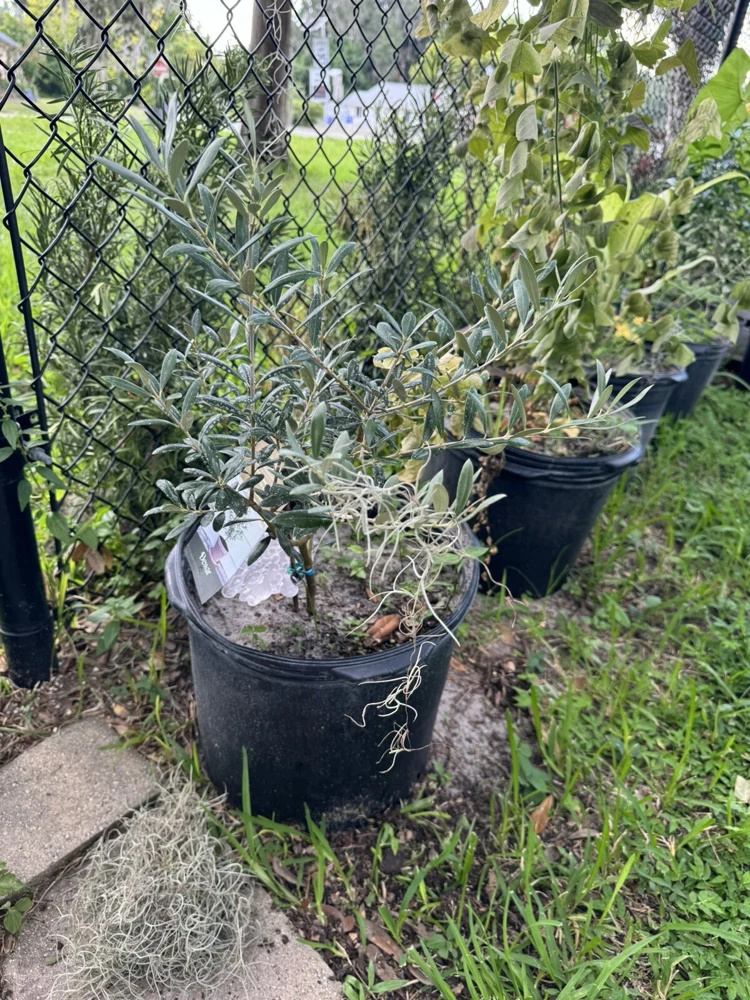
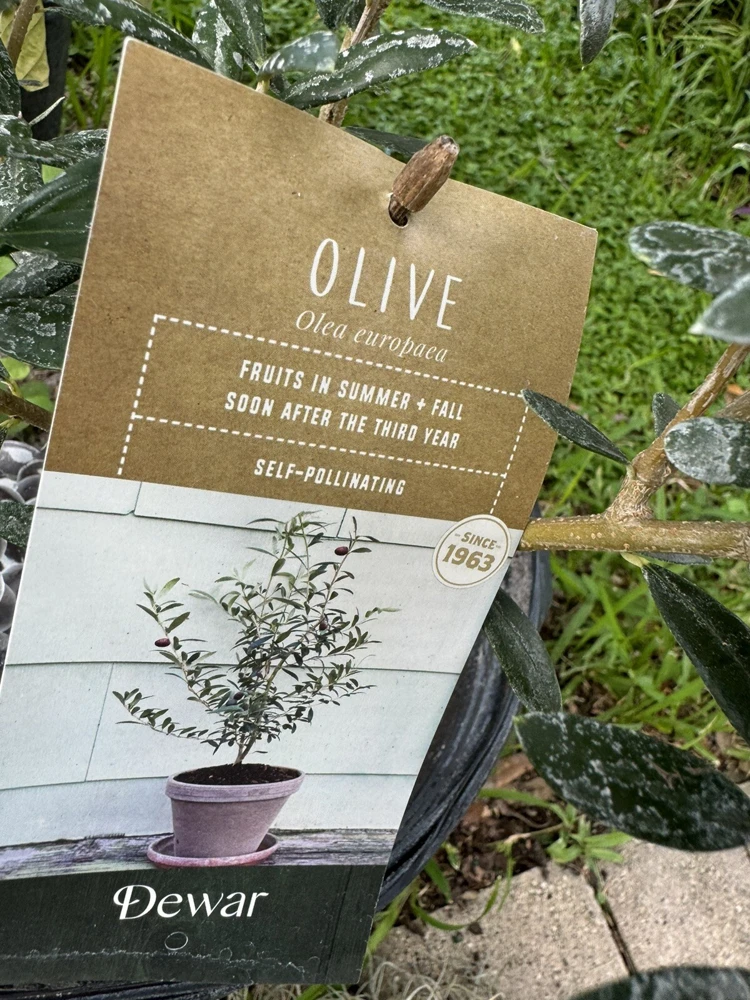
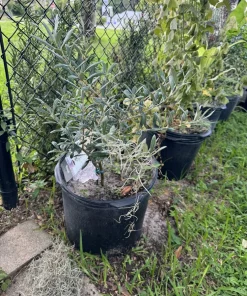
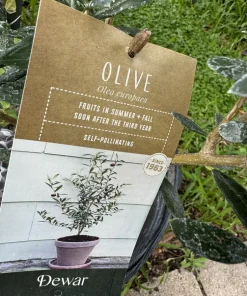
Olive Tree Live Plant – Olea europaea Evergreen Fruit Tree in Pot
Original price was: $72.99.$59.99Current price is: $59.99.
Bring the beauty of the Mediterranean to your home with this stunning olive tree live plant. An Olea europaea care is relatively simple. This evergreen fruit tree is ideal for both garden landscapes and container growing on patios or indoors during colder months.
Estimated arrival
Oct 27
Nov 01 - Nov 03
Nov 06 - Nov 10
Shop With Confidence
30-Day Plant Health Guarantee
Arrives damaged? We’ll replace it free — see our return policy.
Responsive Support
Email us anytime, we reply within 1 business day.
Expert Packaging
Temperature-controlled shipping to protect your plants in transit.
Secure Checkout
Pay safely with Visa, Mastercard, PayPal.
Plant Specifications
-
USDA Hardiness Zone
USDA Zones 8-10 (can be grown indoors in colder zones) -
Soil Type
Well-draining, sandy loam -
Sunlight Exposure
Full sun (6-8 hours direct sunlight daily) -
Expected Planting Period
Year-round indoors; Spring to early summer outdoors (in suitable zones)
Overview
Cultivate a piece of ancient history and natural beauty with our exquisite olive tree live plant. The Olea europaea, commonly known as the olive tree, is a symbol of peace, longevity, and prosperity, making it a truly special addition to any garden or home. This evergreen fruit tree is renowned for its silvery-green foliage, elegant form, and the potential to produce delicious olives over time. Our live plant comes ready to thrive, offering both ornamental appeal and the rewarding experience of growing your own produce. Whether you’re aiming for a Mediterranean-inspired landscape or a striking container specimen, this olive tree live plant is a versatile and resilient choice that adds a touch of timeless charm.
Perfect for gardeners of all levels, the Olea europaea care requirements are moderate, allowing both novices and experienced enthusiasts to enjoy its benefits. It adapts well to various conditions, especially in warmer climates, and can be brought indoors during winter in cooler regions. The graceful presence of an olive tree can transform any space into a serene retreat, providing year-round interest with its consistent foliage. Discover the joy of nurturing your own olive tree and envision the bountiful harvests to come.
Key Benefits
Adding an olive tree live plant to your environment offers a multitude of benefits, from aesthetic enhancement to potential culinary rewards. This remarkable plant is more than just a decorative feature; it’s an investment in beauty and sustainability.
- Evergreen Beauty: The evergreen fruit tree maintains its attractive silvery-green leaves throughout the year, providing continuous visual interest and a sophisticated touch to your landscape or indoor space, regardless of the season.
- Drought Tolerance: Once established, olive trees are highly tolerant of drought conditions, making them an excellent choice for water-wise gardening and sustainable landscapes, especially in arid or semi-arid regions.
- Potential for Fruit Production: With proper care and favorable conditions, your live olive tree has the potential to produce its own olives, which can be cured and enjoyed, offering a unique and rewarding culinary experience right from your home.
- Versatile Landscaping: The olive tree live plant is incredibly versatile, suitable for planting directly in the ground as a focal point, used in hedges, or grown in large containers on patios, balconies, or even indoors in bright locations.
- Low Maintenance: Compared to many other fruit-bearing trees, olive trees are relatively low maintenance, requiring minimal pruning and pest management once established, making growing olive trees a less demanding endeavor.
- Air Purification: Like many living plants, the olive tree contributes to a healthier environment by naturally filtering air and producing oxygen, enhancing the air quality around your home.
- Mediterranean Aesthetic: Instantly create a tranquil, sun-drenched Mediterranean ambiance in your garden or home with the iconic look of the olive tree, known for its classic beauty.
Plant Care & Growing Tips
Caring for your olive tree live plant is a rewarding experience that requires understanding its specific needs to ensure healthy growth and potential fruit production. Olive trees thrive in conditions that mimic their native Mediterranean climate.
Sunlight Requirements: Olive trees absolutely love sunlight. They require at least 6-8 hours of direct sunlight per day to flourish and produce fruit. If growing indoors, place your olive tree live plant in your brightest window, preferably a south-facing one. Rotate the pot occasionally to ensure even growth. For outdoor planting, choose a location that receives full sun exposure throughout the day. This is crucial for optimal growth and fruit development.
Watering Schedule and Soil Moisture: While drought-tolerant once established, young olive trees need regular watering. Water thoroughly when the top 1-2 inches of soil feel dry to the touch. Ensure the pot has excellent drainage to prevent root rot. Reduce watering frequency during cooler months or if the plant is dormant. Overwatering is a common mistake for Olea europaea care, so always check soil moisture before watering again. For outdoor plants, establish a regular watering routine during dry spells, especially in the first few years after planting.
Soil Type and Drainage: Olive trees prefer well-draining, slightly alkaline to neutral soil (pH 6.5-8.0). A sandy loam mix is ideal. If planting in a container, use a high-quality potting mix specifically formulated for citrus or Mediterranean plants, often containing sand and perlite to improve drainage. Good drainage is paramount to prevent waterlogged roots, which can lead to disease. When considering growing olive trees, soil composition is a key factor.
Temperature Range and USDA Hardiness Zone: Olive trees are generally hardy in USDA Zones 8-10. They can tolerate temperatures down to about 20°F (-6°C) for short periods. In colder zones, they must be grown in containers and brought indoors before the first frost. Indoors, maintain temperatures between 50-70°F (10-21°C). Protect outdoor trees from extreme cold snaps by covering them or wrapping the trunk.
Fertilization Schedule and Type: Fertilize your olive tree during its active growing season, typically from spring through late summer. Use a balanced, slow-release fertilizer or one formulated for fruit trees, following the manufacturer’s instructions. A lower nitrogen fertilizer might be beneficial closer to fruiting time to encourage bloom and fruit set. Avoid fertilizing in late fall or winter when the plant is less active.
Common Problems and Solutions: Watch out for common pests like scale insects or olive fruit flies. Treat with appropriate organic insecticides or horticultural oil. Yellowing leaves can indicate overwatering or nutrient deficiency. Ensure proper drainage and consider a balanced fertilizer. Pruning is essential for shaping the tree, removing dead or diseased branches, and encouraging fruit production. Prune in late winter or early spring before new growth begins. Regular inspection is key to maintaining a healthy evergreen fruit tree.
Size & Details
Our olive tree live plant is carefully cultivated to ensure a strong start for your garden or indoor space. While specific dimensions can vary, these plants typically arrive at a manageable size, perfect for transplanting or continuing to grow in their current pot. Expect a healthy, established plant with a robust root system, ready to adapt to its new environment. The exact height and spread will depend on the specific cultivar and growing conditions, but most young olive trees are ideal for starting a Mediterranean garden or as a patio feature. When mature, an evergreen fruit tree like the olive can reach heights of 15-20 feet or more when planted in the ground, but can be kept much smaller through pruning in containers.
This olive tree live plant is shipped in a nursery pot, ensuring its roots are protected during transit and providing a stable environment upon arrival. The plant’s growth rate is moderate, allowing you to enjoy its development over time. While fruit production can begin in as little as 3-5 years, it often takes longer for significant yields. With dedicated Olea europaea care, you can look forward to many years of beauty and potential harvests from this resilient and iconic tree.
Frequently Asked Questions
- Q: How big does this olive tree live plant get? A: When planted in the ground, an olive tree can reach 15-20 feet or more, but in a container, its size can be controlled through regular pruning, typically staying within 5-10 feet, making it suitable for various spaces.
- Q: Is this an indoor or outdoor plant? A: Olive trees can be grown both indoors and outdoors. In USDA Zones 8-10, they thrive outdoors year-round. In colder zones, they should be grown in containers and brought indoors during winter to protect them from frost.
- Q: How much sunlight does my Olea europaea care need? A: Olive trees require a minimum of 6-8 hours of direct sunlight daily to grow healthily and produce fruit. Indoors, place them in the brightest available window, preferably south-facing.
- Q: Is this plant easy to care for? A: Yes, olive trees are considered relatively easy to care for once established, especially given their drought tolerance. Consistent watering for young plants and ample sunlight are the primary requirements for growing olive trees.
- Q: What condition will the plant arrive in? A: Your olive tree live plant will arrive carefully packaged in a nursery pot, with its root system protected, ensuring it is healthy and ready to be transplanted or continue growing in its current container.
- Q: How long until this evergreen fruit tree produces olives? A: Olive trees typically begin to produce fruit within 3-5 years of planting, though significant yields may take longer. Consistent care and suitable growing conditions will encourage earlier fruiting.
- Q: Can I use the olives from this tree for eating? A: Yes, if your tree produces olives, they can be harvested and cured for eating. The curing process removes bitterness and makes them palatable, offering a rewarding experience.
- Q: What type of soil is best for my olive tree live plant? A: Olive trees prefer well-draining soil, ideally a sandy loam. If potting, use a high-quality potting mix that is formulated for citrus or Mediterranean plants, ensuring good aeration and drainage.
- Q: Will this plant survive winter in my region? A: Olive trees are hardy in USDA Zones 8-10. If you live in a colder zone, it’s essential to grow your olive tree in a container and move it indoors or provide adequate protection during the winter months.
- Q: What are the best methods for growing olive trees in containers? A: For container growing, choose a large pot with excellent drainage, use well-draining potting mix, ensure ample sunlight, and prune regularly to maintain desired size and shape. Bring indoors when temperatures drop below freezing.
Be the first to review “Olive Tree Live Plant – Olea europaea Evergreen Fruit Tree in Pot”
People Also Viewed
Flower Seeds
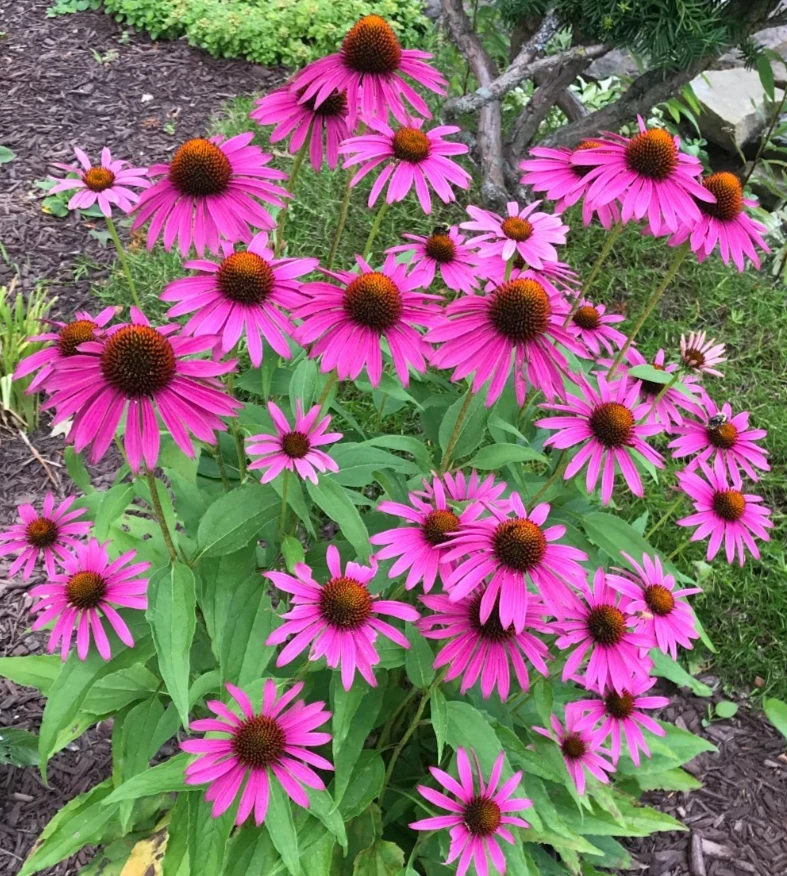
Purple Coneflower Seeds – 1000 Pack, Echinacea Purpurea, Perennial Flower Seeds, Outdoor

Reviews
There are no reviews yet.