

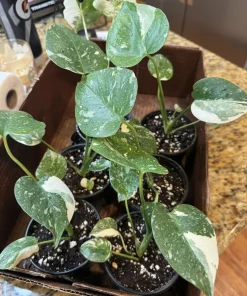
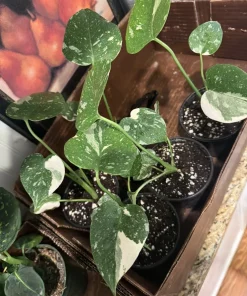
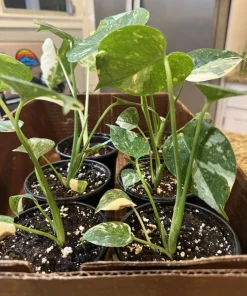
Monstera Thai Constellation Live Plant – Rare Variegated Houseplant – Indoor
Original price was: $60.99.$49.99Current price is: $49.99.
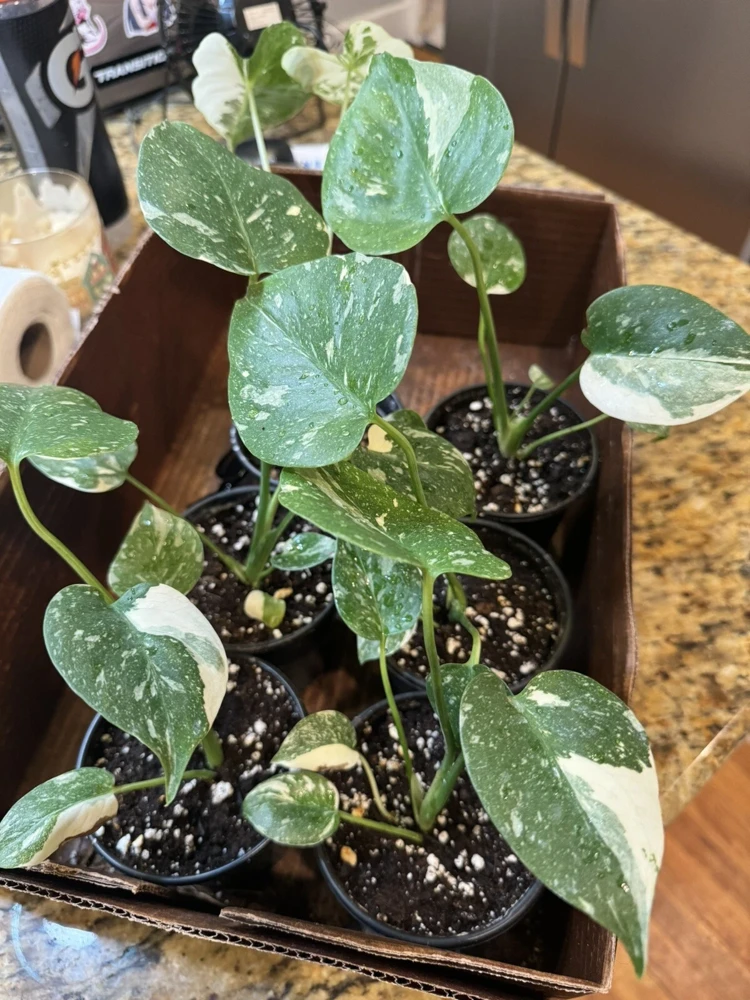
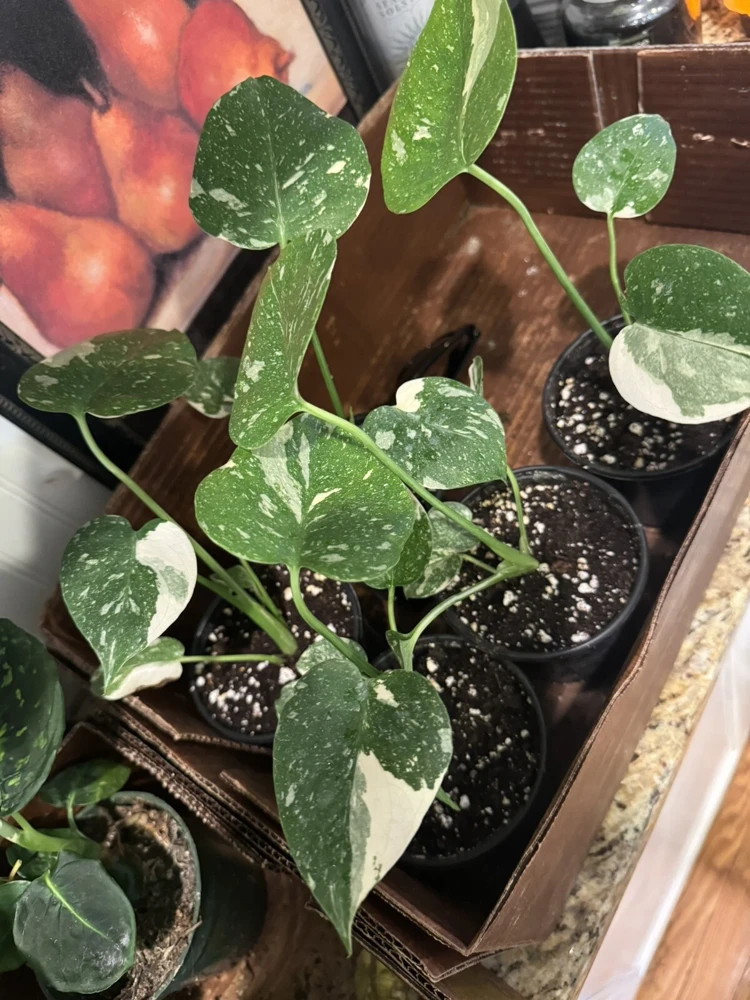
Bring home the exquisite Monstera Thai Constellation live plant, a true collector’s item among rare variegated Monstera. This stunning Swiss Cheese Houseplant features unique speckled variegation, adding a touch of elegance to any indoor space. Known for its iconic fenestrated leaves and creamy white splashes, it’s a magnificent choice for enthusiasts seeking a distinctive tropical accent.
Estimated arrival
Oct 27
Nov 01 - Nov 03
Nov 06 - Nov 10
Shop With Confidence
30-Day Plant Health Guarantee
Arrives damaged? We’ll replace it free — see our return policy.
Responsive Support
Email us anytime, we reply within 1 business day.
Expert Packaging
Temperature-controlled shipping to protect your plants in transit.
Secure Checkout
Pay safely with Visa, Mastercard, PayPal.
Plant Specifications
-
USDA Hardiness Zone
Primarily indoor; USDA zones 10-12 if grown outdoors -
Soil Type
Well-draining, airy potting mix (peat/coco coir, perlite, orchid bark) -
Sunlight Exposure
Bright indirect light -
Expected Planting Period
Year-round indoors
Overview
Introducing the magnificent Monstera Thai Constellation live plant, a highly sought-after botanical treasure that will elevate any indoor plant collection. This extraordinary variegated houseplant is celebrated for its intricate patterns of creamy white and vibrant green, reminiscent of a starry night sky, hence its celestial name. Unlike common Monsteras, the ‘Thai Constellation’ boasts stable, unique variegation that develops as the plant matures, making each leaf a work of art. As a member of the Araceae family, this Swiss Cheese Houseplant, scientifically known as Monstera deliciosa ‘Thai Constellation’, is perfect for those who appreciate rare and visually striking foliage. Its robust nature and relatively manageable care requirements, considering its rarity, make it a rewarding addition for both seasoned plant parents and enthusiastic beginners looking to expand their green sanctuary with a truly special specimen.
Originating from tissue culture in Thailand, this cultivar is renowned for its consistent and beautiful variegation, offering a more predictable pattern than naturally occurring sports. The iconic fenestrations, or splits, in its large, glossy leaves add to its dramatic appeal, creating a lush, tropical ambiance in any room. Owning a Monstera Thai Constellation live plant is not just about acquiring a plant; it’s about investing in a living piece of art that continually evolves and captivates with its unparalleled beauty and exotic charm.
Key Benefits
The Monstera Thai Constellation live plant offers a multitude of benefits beyond its breathtaking aesthetics, making it a prized possession for any plant lover. Its presence enhances living spaces with a vibrant, natural elegance and contributes positively to your home environment.
- Exceptional Aesthetic Appeal: The most obvious benefit is its stunning visual impact. The unique, stable variegation of creamy white and deep green creates a captivating display, making it a focal point in any room. Each leaf of this rare variegated Monstera is distinct, offering an ever-changing natural masterpiece.
- Air Purification Qualities: Like many large-leafed houseplants, the Monstera Thai Constellation contributes to cleaner indoor air by absorbing toxins and releasing oxygen. While not as potent as some dedicated air purifiers, it certainly aids in creating a fresher home environment.
- Collector’s Item Value: Due to its rarity and striking appearance, the Monstera Thai Constellation live plant is highly sought after by collectors. Owning one adds significant value and prestige to a plant collection, often appreciating in desirability over time.
- Tropical Ambiance: Its large, fenestrated leaves and lush growth habit instantly transform any space into a tropical oasis. It brings a sense of calm and natural beauty, perfect for creating a relaxing atmosphere.
- Engaging Growth Habit: Observing the development of new leaves, the unfurling of fresh variegation, and the emergence of fenestrations is a truly rewarding experience. This Swiss Cheese Houseplant provides constant visual interest and a connection to nature’s intricate processes.
- Relatively Low Maintenance for Rarity: Despite its exotic appearance and rarity, the Monstera Thai Constellation live plant is not excessively demanding. With consistent care, it thrives indoors, making it accessible to a broader range of plant enthusiasts.
- Boosts Well-being: Studies show that having houseplants can reduce stress, improve mood, and increase focus. Caring for a beautiful plant like this fosters a sense of accomplishment and connection to nature, enhancing overall well-being.
Plant Care & Growing Tips
Proper care is essential to ensure your Monstera Thai Constellation live plant thrives and maintains its stunning variegation. This plant appreciates consistency and attention to its environmental needs.
Sunlight Requirements: Provide bright, indirect light for your Monstera. Direct sun, especially harsh afternoon sun, can scorch the delicate variegated portions of the leaves, turning them brown. An east-facing window is ideal, or a few feet back from a south or west-facing window. Insufficient light can lead to less vibrant variegation and slower growth. Rotate the plant periodically to ensure even growth and light exposure.
Watering Schedule & Soil Moisture: Water thoroughly when the top 2-3 inches of soil feel dry to the touch. Allow excess water to drain completely from the bottom of the pot. Monsteras do not like to sit in soggy soil, as this can lead to root rot. Overwatering is a common mistake; it’s better to slightly underwater than overwater. Reduce watering frequency in winter when the plant’s growth slows. Use a moisture meter if unsure.
Soil Type & Drainage: A well-draining, airy potting mix is crucial for a healthy Monstera Thai Constellation live plant. A good mix typically includes peat moss or coco coir, perlite, and orchid bark. This provides good aeration for the roots and prevents compaction. Ensure the pot has drainage holes to avoid water accumulation at the bottom. Repot every 1-2 years or when the plant becomes root-bound, usually in spring.
Temperature Range & USDA Hardiness Zone: This tropical plant thrives in warm, consistent temperatures between 65°F and 80°F (18°C-27°C). Avoid sudden temperature fluctuations and cold drafts, which can stress the plant. It is not cold-hardy and should be grown indoors in most climates, making it suitable for USDA zones 10-12 if grown outdoors in very warm, humid conditions, but primarily an indoor specimen. Maintain a humidity level of 60% or higher if possible; use a humidifier or pebble tray to boost humidity, especially in dry indoor environments.
Fertilization Schedule & Type: Feed your Monstera Thai Constellation live plant with a balanced liquid fertilizer diluted to half strength every 2-4 weeks during the growing season (spring and summer). Reduce or cease fertilization in fall and winter when the plant is dormant. An all-purpose houseplant fertilizer or one formulated for foliage plants is suitable. Avoid over-fertilizing, which can burn the roots.
Common Problems & Solutions: Yellowing leaves can indicate overwatering or nutrient deficiency. Brown, crispy leaf edges often suggest low humidity or underwatering. Pests like spider mites, mealybugs, and thrips can occasionally be an issue. Inspect your plant regularly and treat promptly with insecticidal soap or neem oil. Ensure good air circulation to prevent fungal issues.
Size & Details
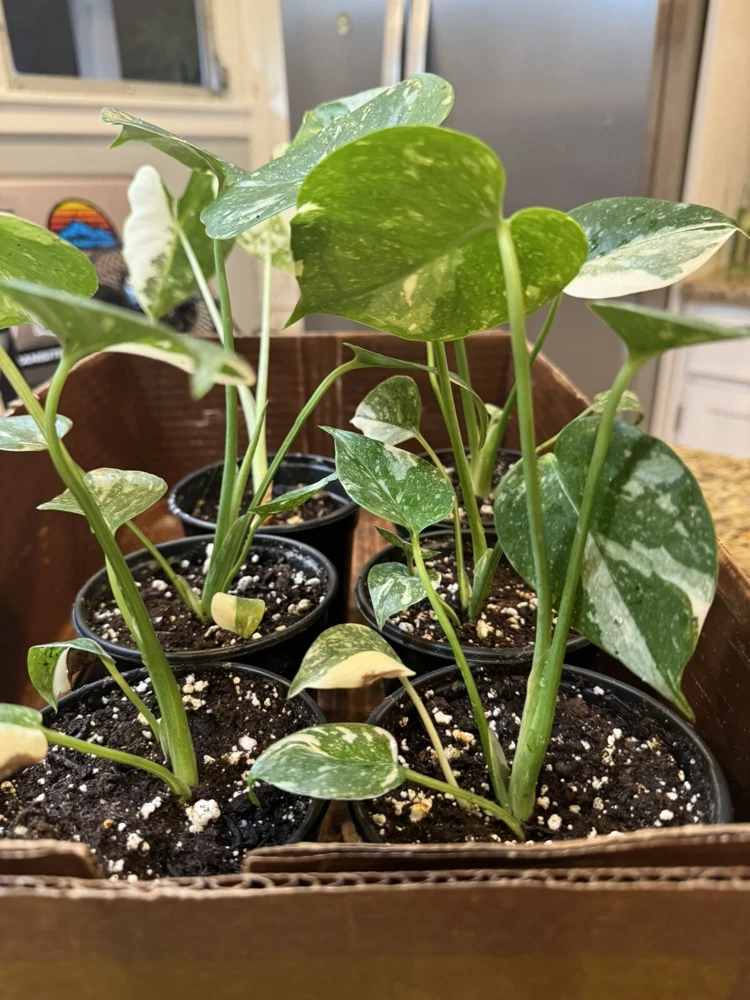
The Monstera Thai Constellation live plant is provided as a young, actively growing specimen, ready to thrive in your home. While initial size may vary, these plants are known for their vigorous growth under optimal conditions. Typically, a mature plant can reach heights of 2-5 feet indoors with proper support, and its leaves can grow quite large, often exceeding 1 foot in diameter. The plant will arrive carefully packaged, usually in its nursery pot with soil, to minimize stress during transit.
This particular rare variegated Monstera exhibits a moderate growth rate, unfurling new leaves consistently during its active growing season. Expect the striking creamy white and green variegation to become more pronounced as the plant matures and new leaves develop. While initial fenestrations may be minimal, they will become more prominent with age, giving it the classic Swiss Cheese Houseplant appearance. With good care, your plant will establish quickly and begin to showcase its unique beauty, becoming a true statement piece in your collection.
Frequently Asked Questions
- Q: How big does this plant get? A: A mature Monstera Thai Constellation live plant can typically reach heights of 2-5 feet indoors, especially with a moss pole or other support for its aerial roots. Its leaves can grow to over a foot in diameter over time.
- Q: What size pot does it come in? A: The plant will arrive in a nursery pot, the specific size of which may vary. It will be adequately sized for the plant’s current stage of growth.
- Q: Is this an indoor or outdoor plant? A: The Monstera Thai Constellation live plant is primarily an indoor houseplant in most climates. It can be grown outdoors in very warm, humid, frost-free environments (USDA zones 10-12) but prefers controlled indoor conditions.
- Q: How much sunlight does it need? A: This rare variegated Monstera thrives in bright, indirect light. Avoid direct harsh sunlight, which can burn the variegated parts of the leaves. A spot near an east-facing window or a few feet away from a south or west-facing window is ideal.
- Q: Is this plant easy to care for? Is it good for beginners? A: While not as demanding as some rare plants, the Monstera Thai Constellation live plant requires consistent care to maintain its beauty. It’s suitable for intermediate plant enthusiasts or beginners who are committed to learning and providing specific environmental conditions.
- Q: What condition will it arrive in? Is it shipped in soil? A: Your plant will be carefully packaged to ensure its safe arrival. It will typically be shipped in its original nursery pot with soil, allowing for a smooth transition to its new home.
- Q: What is a Swiss Cheese Houseplant? A: A Swiss Cheese Houseplant refers to Monstera varieties, like the Thai Constellation, which develop characteristic fenestrations or splits in their leaves as they mature, resembling holes in Swiss cheese.
- Q: How often should I water my Monstera Thai Constellation? A: Water when the top 2-3 inches of soil feel dry to the touch. It’s crucial to allow the soil to dry out partially between waterings to prevent root rot. Consistency is key for optimal growth of your Monstera Thai Constellation live plant.
- Q: What type of soil is best for this plant? A: A well-draining, airy potting mix is essential. A blend of peat moss or coco coir, perlite, and orchid bark provides the ideal structure for healthy root development and drainage.
- Q: Will the variegation change over time? A: The variegation on a Monstera Thai Constellation live plant is generally stable and consistent, meaning the creamy white patterns should remain prominent as new leaves emerge. However, light conditions can influence the vibrancy of the variegation.
Be the first to review “Monstera Thai Constellation Live Plant – Rare Variegated Houseplant – Indoor”
People Also Viewed
Flower Seeds


Reviews
There are no reviews yet.