
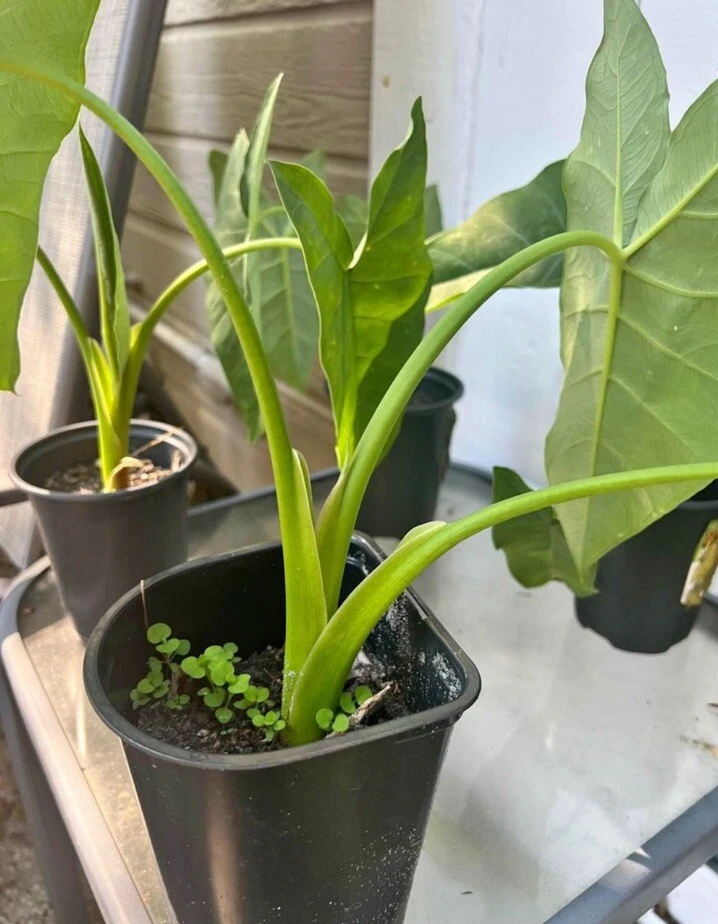
Elephant Ear Live Plant – Large Tropical Alocasia Garden & Patio Plant
Original price was: $26.99.$21.99Current price is: $21.99.
Transform your space with a stunning elephant ear live plant. This large, tropical Alocasia brings dramatic foliage and an exotic touch to any garden, patio, or indoor setting. Enjoy its lush, vibrant leaves and relatively easy care requirements.
Estimated arrival
Oct 27
Nov 01 - Nov 03
Nov 06 - Nov 10
Shop With Confidence
30-Day Plant Health Guarantee
Arrives damaged? We’ll replace it free — see our return policy.
Responsive Support
Email us anytime, we reply within 1 business day.
Expert Packaging
Temperature-controlled shipping to protect your plants in transit.
Secure Checkout
Pay safely with Visa, Mastercard, PayPal.
Plant Specifications
-
USDA Hardiness Zone
USDA zones 9-11 (outdoors year-round), all zones (indoors) -
Soil Type
Well-draining, rich in organic matter -
Sunlight Exposure
Bright indirect light, partial to full shade outdoors -
Expected Planting Period
Year-round indoors; spring to early summer outdoors
Overview
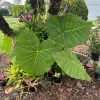
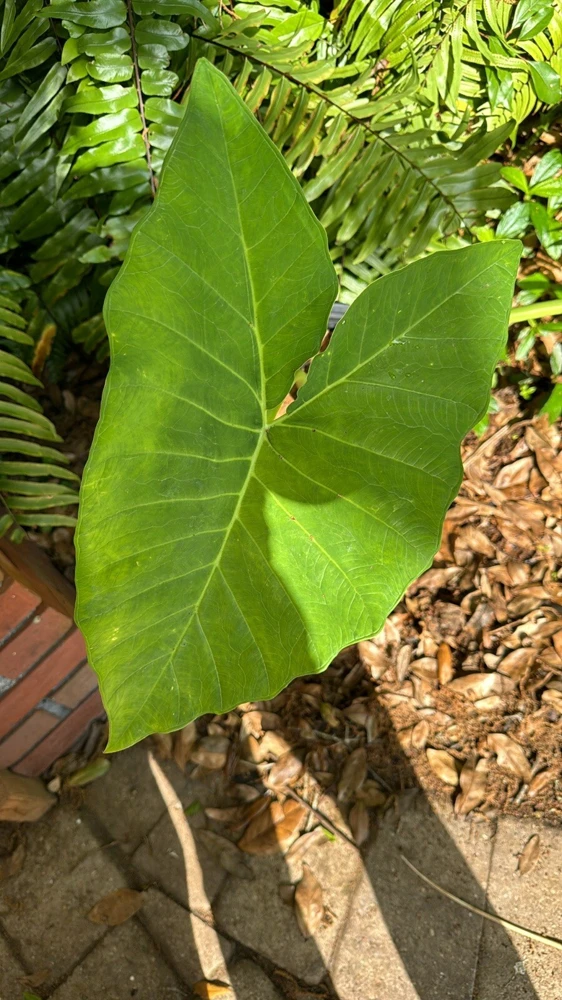
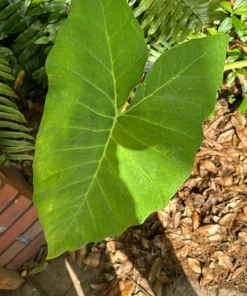
Introduce a touch of the tropics to your home or garden with this magnificent elephant ear live plant. Known for its dramatically large, heart-shaped or arrow-shaped leaves, the Alocasia genus (commonly called ‘Elephant Ear’) creates a stunning visual impact wherever it’s placed. This particular variety is perfect for those seeking a substantial, eye-catching focal point for their outdoor patio or a vibrant statement piece indoors. The lush, rich green foliage of this large tropical plant can instantly transform any area into a verdant paradise, evoking the feel of a rainforest.
The Elephant Ear plant is not just about its impressive size; it’s also about the unique texture and deep coloration of its leaves, which can add significant architectural interest to your plant collection. Whether you are an experienced gardener or just starting, this plant offers a rewarding growing experience with proper care. Its robust nature makes it a popular choice for adding a bold, exotic flair to diverse settings.
Key Benefits
The elephant ear live plant offers numerous benefits beyond its undeniable beauty, making it a valuable addition to any plant enthusiast’s collection. Its impressive foliage and tropical vibe contribute significantly to creating a relaxing and inviting atmosphere.
- Dramatic Foliage: The large, striking leaves create an instant tropical ambiance, making it a perfect focal point for any garden, patio, or spacious indoor area. The sheer size and unique shape of the leaves are a conversation starter.
- Air Purification: Like many large-leaved plants, the Alocasia can help improve indoor air quality by absorbing common household toxins and releasing fresh oxygen, contributing to a healthier living environment. This makes caring for your alocasia plant care even more rewarding.
- Versatile Placement: Thrives both indoors as a stately houseplant and outdoors in shaded garden beds or on patios during warmer months, offering flexibility in design and decor. It’s an excellent choice for those looking for an alocasia for patio use.
- Relatively Low Maintenance: Once established, Elephant Ear plants are surprisingly easy to care for, requiring consistent moisture and protection from harsh sun, making them suitable for busy individuals.
- Rapid Growth: Under optimal conditions, these plants can grow quite quickly, allowing you to enjoy their full, lush potential sooner and providing a dynamic element to your landscape.
- Exotic Appeal: Brings a unique, exotic, and luxurious feel to any space, enhancing aesthetic appeal with its distinct tropical presence. For those searching for an elephant ear outdoor plant, this delivers.
- Natural Shade Creation: The broad leaves can provide natural shade for smaller, more delicate plants when grown outdoors, fostering a microclimate beneficial to other garden inhabitants.
Plant Care & Growing Tips
Caring for your elephant ear live plant is straightforward, provided you understand its basic needs for light, water, and soil. These tropical beauties thrive in conditions that mimic their natural habitat. For optimal growth, provide bright, indirect light. While they can tolerate some morning sun, direct afternoon sun can scorch their large leaves, especially in warmer climates. If growing indoors, place them near a window with filtered light or in a room with ample ambient light. When grown outdoors, choose a location that receives partial to full shade, particularly during the hottest parts of the day.
Watering is crucial for these moisture-loving plants. Keep the soil consistently moist but never waterlogged. Allow the top inch or two of soil to dry out slightly between waterings, but avoid letting the plant sit in standing water, which can lead to root rot. During warmer months, they may require more frequent watering. Humidity is also important; consider misting indoor plants regularly or placing them near a humidifier. For outdoor plants, a well-draining soil rich in organic matter is ideal. Indoors, use a high-quality potting mix that retains moisture but drains well, ensuring good aeration for the roots. This attention to detail in alocasia plant care will ensure a thriving specimen.
Elephant Ears are tropical plants and prefer warm temperatures, ideally between 65-80°F (18-27°C). They are not frost-tolerant, so if you live in a colder climate, you’ll need to bring outdoor plants indoors before the first frost or treat them as annuals. Fertilize every 2-4 weeks during the growing season (spring through summer) with a balanced liquid fertilizer. Reduce fertilization during fall and winter when growth slows. Watch out for common pests like spider mites and mealybugs, especially on indoor plants; address them promptly with insecticidal soap. Proper elephant ear outdoor cultivation often involves regular inspection for pests and diseases, ensuring your plant remains healthy and vibrant.
Size & Details
This elephant ear live plant is a substantial specimen, arriving ready to make a significant impact in your chosen space. While exact dimensions can vary based on growth conditions, you can expect a plant that is already well-established, typically growing to a mature height of 3-5 feet with a similar spread when given ample space. The individual leaves can reach impressive sizes, often up to 2-3 feet in length, creating a dense and lush canopy. This makes it an ideal large tropical plant for creating a dramatic statement.
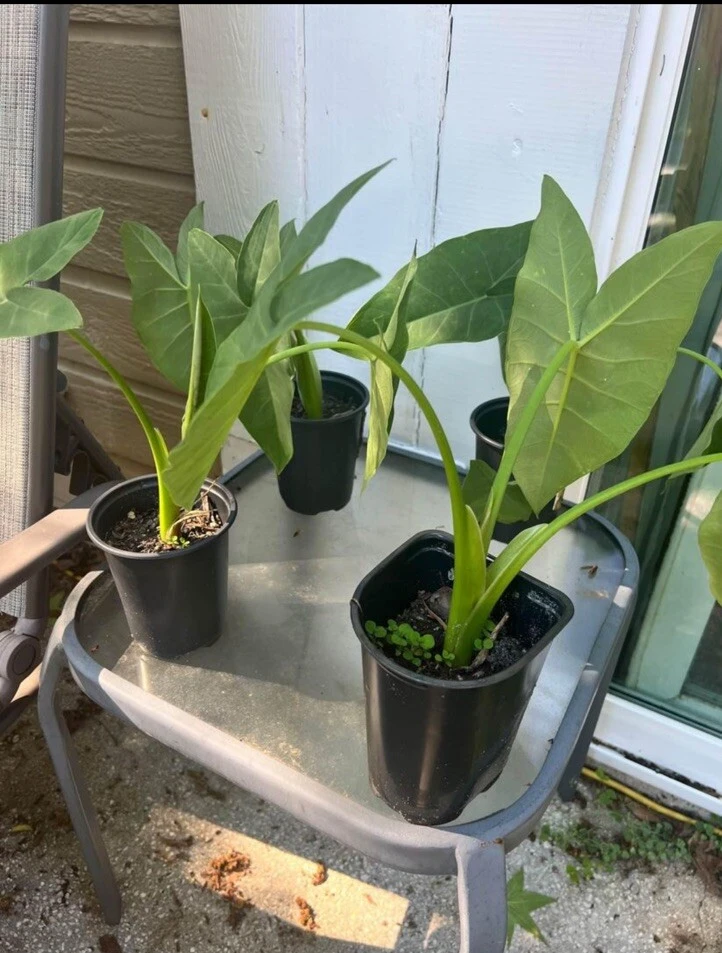
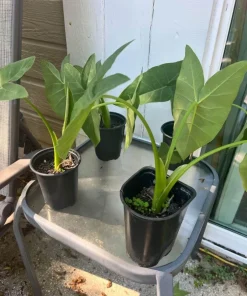
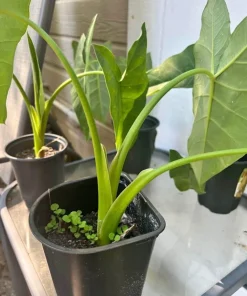
Your plant will arrive as a healthy, actively growing specimen, carefully packaged to ensure its safe journey. It is typically shipped in a nursery pot, ready to be transplanted into a larger decorative container or directly into your garden bed. With proper care and favorable growing conditions, you can expect rapid development, with new leaves unfurling regularly during the active growing season. The plant’s robust nature allows it to quickly fill out its designated area, providing an immediate sense of maturity and tropical grandeur.
Frequently Asked Questions
- Q: How big does this plant get? A: This elephant ear live plant can typically grow to a height of 3-5 feet tall with a similar spread, making it a truly impressive and large tropical plant. Individual leaves can reach up to 2-3 feet in length under ideal conditions.
- Q: Is this an indoor or outdoor plant? A: This Alocasia variety is versatile and can thrive both indoors as a striking houseplant or outdoors in a garden or on a patio, especially in warmer climates. If you’re looking for an alocasia for patio, this is an excellent choice.
- Q: How much sunlight does it need? A: Elephant Ear plants prefer bright, indirect light. Outdoors, partial to full shade is best, especially in the afternoon. Indoors, place it near a window with filtered light to prevent leaf scorching.
- Q: Is this plant easy to care for? A: Yes, once established, alocasia plant care is relatively easy. They require consistent moisture, good drainage, and protection from direct harsh sun and cold temperatures. With these basic needs met, they are quite low-maintenance.
- Q: What condition will it arrive in? A: Your plant will arrive as a healthy, actively growing specimen, carefully packed in a nursery pot. We take great care to ensure it reaches you in excellent condition, ready for planting.
- Q: Can I grow the elephant ear outdoor in all climates? A: Elephant ears are tropical and sensitive to cold. They thrive as an elephant ear outdoor plant in USDA zones 9-11 year-round. In colder zones, they should be brought indoors during winter or treated as annuals.
- Q: How often should I water my Elephant Ear? A: Keep the soil consistently moist but not waterlogged. Allow the top inch or two of soil to dry out slightly between waterings. Adjust frequency based on temperature and humidity.
- Q: What kind of soil is best for this plant? A: A rich, well-draining potting mix or garden soil amended with organic matter is ideal. Good drainage is crucial to prevent root rot.
- Q: How often should I fertilize my large tropical plant? A: During the active growing season (spring and summer), fertilize every 2-4 weeks with a balanced liquid fertilizer. Reduce or stop fertilizing during fall and winter.
- Q: Is this plant pet-safe? A: No, Alocasia plants are considered toxic if ingested due to calcium oxalates. Keep them out of reach of pets and children.
Be the first to review “Elephant Ear Live Plant – Large Tropical Alocasia Garden & Patio Plant”
People Also Viewed
Vegetable Seeds
Elephant Garlic Seeds & Bulbs – Fresh Harvest, Easy to Grow, USA
Trees
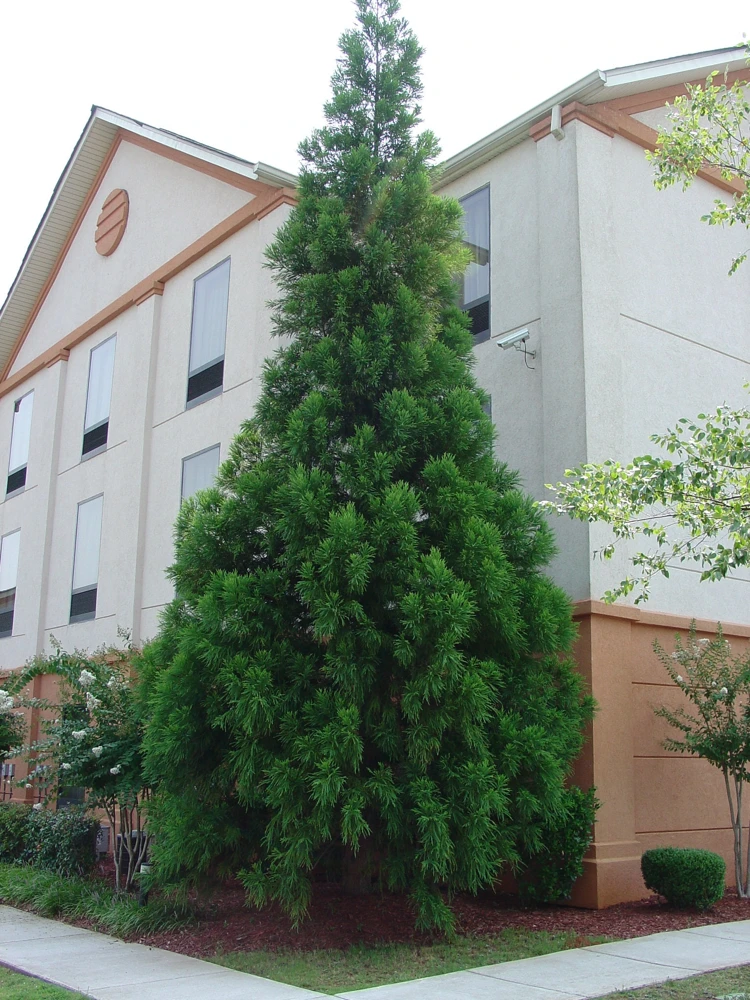
Cryptomeria Yoshino Japanese Cedar Live Plant – 6-10 inches Tall in Quart Pot – Evergreen Tree
Reviews
There are no reviews yet.