
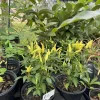
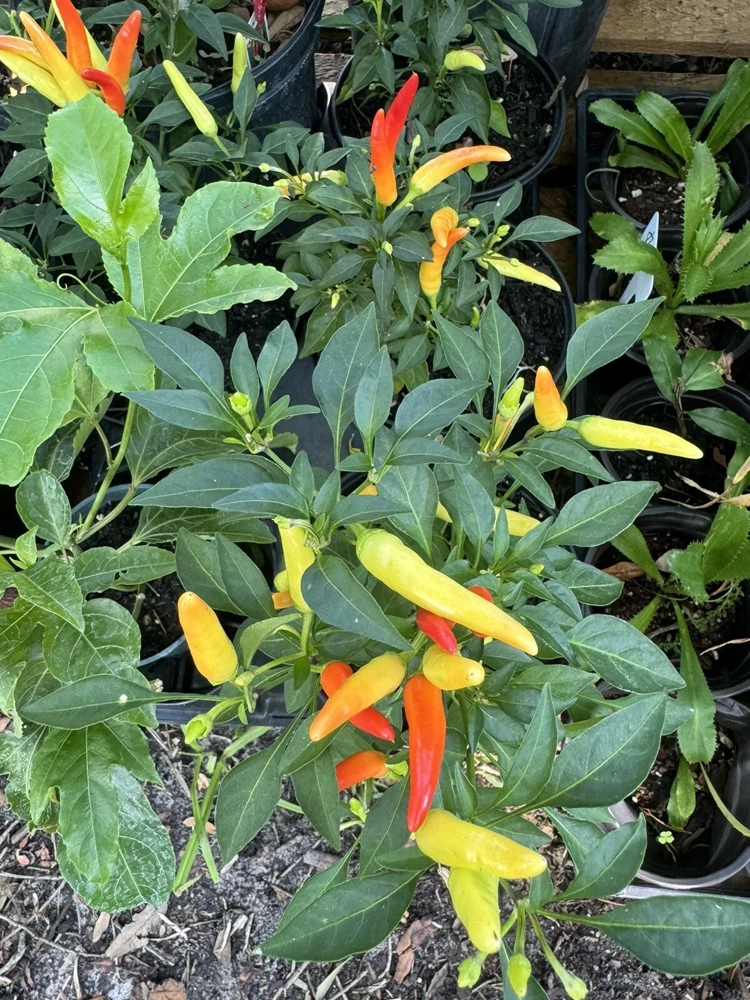
Banana Pepper Live Plant – Sweet Yellow Vegetable Starter – Indoor/Outdoor
Original price was: $29.99.$23.99Current price is: $23.99.
Cultivate your own flavorful vegetables with this banana pepper live plant. This sweet yellow pepper plant is a vigorous grower, perfect for adding a mild, tangy crunch to salads, sandwiches, or pickling. Ideal for both garden beds and container growing.
Estimated arrival
Oct 27
Nov 01 - Nov 03
Nov 06 - Nov 10
Shop With Confidence
30-Day Plant Health Guarantee
Arrives damaged? We’ll replace it free — see our return policy.
Responsive Support
Email us anytime, we reply within 1 business day.
Expert Packaging
Temperature-controlled shipping to protect your plants in transit.
Secure Checkout
Pay safely with Visa, Mastercard, PayPal.
Plant Specifications
-
USDA Hardiness Zone
USDA zones 9-11 (as perennial), otherwise grown as annual -
Soil Type
Well-draining, fertile soil -
Sunlight Exposure
Full sun (6-8+ hours daily) -
Expected Planting Period
Spring after last frost
Overview
Bring the joy of homegrown produce to your garden with this vibrant banana pepper live plant. Known for its mild, sweet flavor and distinctive banana-like shape, this pepper variety is a favorite among home gardeners and culinary enthusiasts. Our healthy starter plant provides a strong foundation for a bountiful harvest of delicious sweet yellow peppers. Whether you’re an experienced gardener or just starting out, growing your own sweet yellow pepper plant is a rewarding experience, offering fresh, organic produce right from your backyard or patio. This live plant is ready to be transplanted, ensuring a head start on the growing season and a quicker path to enjoying your own fresh banana peppers.
The banana pepper, also known as the yellow wax pepper or banana chili, is a medium-sized member of the chili pepper family that has a mild, tangy taste. While typically yellow, it can mature to orange or red, adding a splash of color to your garden. This vegetable starter plant is perfect for those looking to cultivate their own fresh ingredients for cooking, pickling, or simply enjoying raw in salads. Experience the satisfaction of nurturing a plant from its early stages to full maturity, yielding a continuous supply of these versatile peppers.
Key Benefits
Growing a banana pepper live plant offers numerous advantages, from fresh produce to an engaging gardening experience. Beyond their culinary uses, these plants contribute to the beauty and productivity of your garden space. Here are some key benefits:
- Abundant Harvest: Enjoy a prolific yield of sweet, mild banana peppers throughout the growing season. These plants are known for their generous production, providing plenty for fresh eating, cooking, and preserving.
- Versatile Culinary Use: Banana peppers are incredibly versatile in the kitchen. They can be eaten raw in salads, stuffed, grilled, roasted, or pickled, adding a delightful flavor and texture to a wide range of dishes. Easily grow banana peppers for all your culinary needs.
- Easy to Grow: This vegetable starter plant is relatively low-maintenance, making it suitable for gardeners of all skill levels. With proper care, it will thrive and produce fruit with minimal fuss.
- Rich in Nutrients: Like many peppers, banana peppers are a good source of vitamins A and C, as well as antioxidants, contributing to a healthy diet.
- Garden Aesthetics: The bright yellow, orange, or red peppers contrasting against the green foliage make this plant an attractive addition to any garden bed or container arrangement.
- Container Friendly: Ideal for growing in pots and containers, making it perfect for patios, balconies, or small garden spaces. Even those with limited space can easily grow banana peppers.
- Freshness Guaranteed: Nothing beats the taste of freshly picked produce. Growing your own ensures you have access to the freshest, most flavorful peppers possible, free from store-bought uncertainties.
Plant Care & Growing Tips
To ensure your banana pepper live plant thrives and produces a bountiful harvest, understanding its specific care requirements is essential. Peppers generally prefer warm conditions and consistent care. Begin by planting your starter plant in a location that receives ample sunlight. Banana peppers require at least 6-8 hours of direct sunlight per day to produce well, so choose a sunny spot in your garden or a south-facing location for container growing. Ensure the soil is well-draining to prevent root rot, as peppers do not like wet feet.
Watering is crucial for a healthy sweet yellow pepper plant. Keep the soil consistently moist but not waterlogged. Water deeply two to three times a week, especially during dry spells or when the plant is fruiting. Reduce watering slightly in cooler weather. For optimal growth, fertilize your plant every 2-4 weeks with a balanced vegetable fertilizer once it starts producing flowers and fruit. You can also amend the soil with compost or other organic matter at planting time to provide a slow-release nutrient source. Understanding banana pepper care will lead to a successful harvest.
Protect your plant from extreme temperatures. While they love warmth, very high temperatures (above 90°F) can sometimes cause flower drop. Conversely, banana peppers are not frost-tolerant, so protect them if temperatures drop below 50°F. Pests like aphids and spider mites can sometimes be an issue; inspect your plants regularly and treat with organic insecticidal soap if needed. Supporting taller plants with stakes can prevent branches from breaking under the weight of ripening fruit. Learning how to grow banana peppers successfully involves consistent monitoring and timely intervention.
Size & Details
This banana pepper live plant is provided as a healthy starter plant, typically measuring between 4-8 inches tall from the base of the soil to the top of the foliage, ready for immediate transplanting into your garden or a larger container. It is shipped in a nursery pot, usually 2-4 inches in diameter, ensuring the root system is well-established and protected during transit. The plant has a moderate growth rate and will quickly establish itself once planted, beginning to produce flowers and fruit within 60-70 days after transplanting.
Mature banana pepper plants can reach a height of 18-30 inches tall and spread about 12-24 inches wide, depending on growing conditions and variety. Each plant can yield numerous peppers over the season, with individual peppers typically growing 4-7 inches long. It is recommended to plant in a location with adequate space for growth or in a pot at least 1-2 gallons in size for optimal development. The plant will continue to bear fruit until the first frost, providing a continuous supply of fresh peppers. This vegetable starter plant is a robust choice for any home gardener.
Frequently Asked Questions
- Q: How big does this plant get? A: A mature banana pepper live plant typically grows 18-30 inches tall and 12-24 inches wide. Its size can vary slightly depending on growing conditions, sunlight, and the size of its container.
- Q: What size pot does it come in? A: This vegetable starter plant is shipped in a nursery pot, usually 2-4 inches in diameter, ensuring its root system is well-established and ready for transplanting.
- Q: Is this an indoor or outdoor plant? A: While primarily grown outdoors, especially in warm climates, banana peppers can be grown indoors in large containers with sufficient light. For best results and highest yield, outdoor cultivation in a sunny spot is recommended.
- Q: How much sunlight does it need? A: To thrive and produce fruit, your sweet yellow pepper plant requires at least 6-8 hours of direct sunlight daily. Choose a sunny location in your garden or a south-facing window if growing indoors.
- Q: Is this plant easy to care for? A: Yes, banana pepper plants are considered relatively easy to care for, making them suitable for beginners. Consistent watering, adequate sunlight, and occasional fertilization are key to successful growth and a good harvest. Following basic banana pepper care tips will ensure success.
- Q: What condition will it arrive in? A: Your banana pepper live plant will arrive as a healthy, well-rooted starter plant, carefully packaged to minimize stress during transit. It will be ready for immediate planting upon arrival.
- Q: Can I use banana pepper in cooking? A: Absolutely! Banana peppers are incredibly versatile for culinary use. They are delicious raw in salads, excellent for stuffing, grilling, roasting, or pickling. Learning how to grow banana peppers means you’ll have a constant supply for your kitchen.
- Q: How long until it blooms and fruits? A: After transplanting, your banana pepper plant will typically begin to flower and set fruit within 60-70 days, providing a harvest throughout the warm season until the first frost.
- Q: Will it survive winter in my zone? A: Banana pepper plants are annuals in most climates and are not frost-tolerant. In USDA zones 9-11, they may survive as perennials if protected from cold, but are generally grown as annuals in other regions.
- Q: What’s the minimum temperature it can tolerate? A: The plant prefers temperatures above 60°F. It can tolerate brief dips to 50°F but will suffer damage from frost or prolonged cold temperatures below 50°F.
Be the first to review “Banana Pepper Live Plant – Sweet Yellow Vegetable Starter – Indoor/Outdoor”
People Also Viewed
Reviews
There are no reviews yet.