
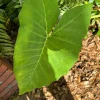
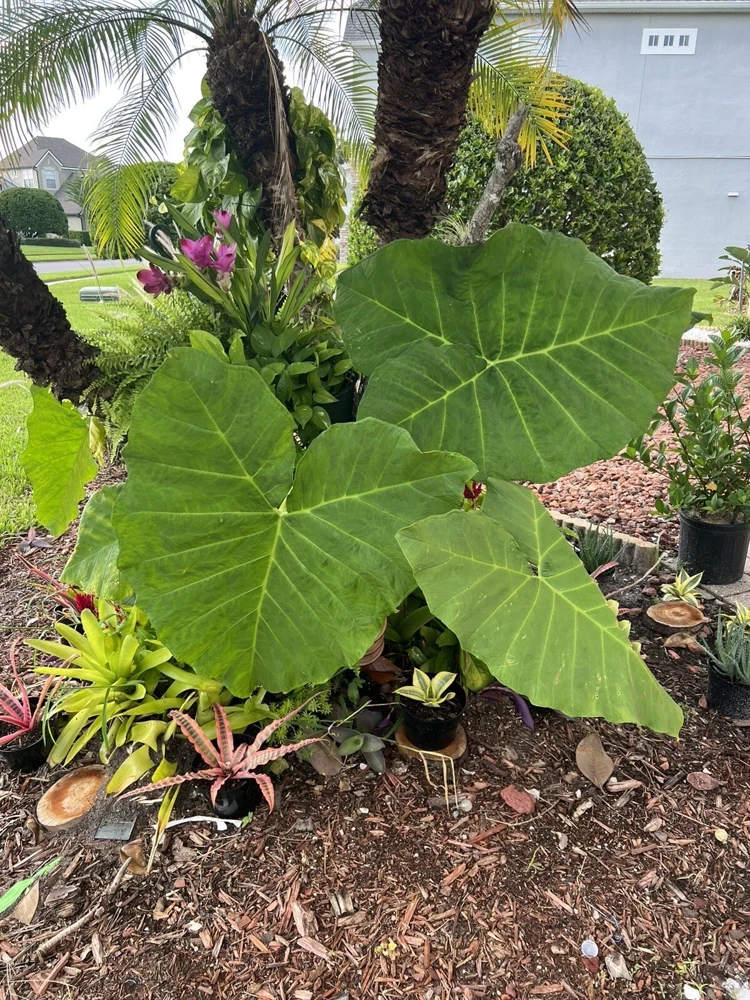
Elephant Ear Live Plant – Tropical Alocasia Ornamental Foliage Plant in Pot
Original price was: $29.99.$23.99Current price is: $23.99.
Enhance your home with a stunning elephant ear live plant, a magnificent tropical foliage plant that brings dramatic appeal. This Alocasia care is relatively straightforward, making it an excellent choice for an ornamental houseplant.
Estimated arrival
Oct 27
Nov 01 - Nov 03
Nov 06 - Nov 10
Shop With Confidence
30-Day Plant Health Guarantee
Arrives damaged? We’ll replace it free — see our return policy.
Responsive Support
Email us anytime, we reply within 1 business day.
Expert Packaging
Temperature-controlled shipping to protect your plants in transit.
Secure Checkout
Pay safely with Visa, Mastercard, PayPal.
Plant Specifications
-
USDA Hardiness Zone
USDA zones 9-11 (outdoors); suitable for all zones indoors -
Soil Type
Well-draining, rich potting mix -
Sunlight Exposure
Bright, indirect light -
Expected Planting Period
Year-round indoors
Overview
Introduce a touch of the exotic to your living space with this magnificent elephant ear live plant. Known for its dramatically large, heart-shaped leaves, the Alocasia species, commonly referred to as Elephant Ear, creates a bold statement in any indoor environment. This particular variety is cherished for its striking ornamental foliage, which can transform a room into a lush, tropical oasis. Perfect for plant enthusiasts and beginners alike, this tropical foliage plant is a true showstopper, offering unparalleled visual interest and a vibrant green presence. Its impressive leaves, often glossy and deeply veined, evoke a sense of grandeur and natural beauty, making it a focal point in any decor.
The Alocasia genus encompasses a diverse range of species, all celebrated for their unique leaf structures and impressive size. This specific elephant ear live plant is cultivated for its robust growth and ease of care, ensuring a rewarding experience for its owner. Whether placed in a bright corner or as a centerpiece, its architectural form and rich greenery provide a calming yet dynamic element to your home or office. Embrace the allure of the tropics with this stunning and resilient plant.
Key Benefits
Owning an elephant ear live plant comes with a host of advantages, from aesthetic enhancement to potential well-being improvements. This ornamental houseplant is not just a decorative item; it’s a living piece of art that offers continuous benefits.
- Dramatic Visual Impact: The large, often glossy leaves of the Alocasia create an immediate focal point, adding a luxurious and tropical feel to any room. Its impressive size and unique leaf patterns are guaranteed to draw attention and admiration.
- Air Purification: Like many houseplants, the Elephant Ear can contribute to cleaner indoor air by absorbing toxins. While not as strong as some, it still helps create a healthier living environment.
- Low Maintenance (with proper Alocasia care): Once its basic needs for light, water, and humidity are met, this plant is surprisingly resilient and can thrive with minimal fuss, making it suitable for busy individuals.
- Versatile Decor: Its striking appearance makes it adaptable to various interior design styles, from modern minimalist to bohemian chic, adding a vibrant green accent wherever it’s placed.
- Stress Reduction: Studies suggest that having plants indoors can reduce stress levels and improve mood, and the lush presence of a tropical foliage plant like the Elephant Ear certainly contributes to a calming atmosphere.
- Engaging Growth: Watching new, unfurling leaves emerge and expand from your elephant ear plant indoor is a fascinating process that provides a continuous connection to nature.
- Natural Humidity Boost: Larger plants transpire more, releasing moisture into the air, which can subtly increase humidity in your home, benefiting both other plants and human comfort.
Plant Care & Growing Tips
Proper Alocasia care is essential for your elephant ear live plant to thrive and display its full beauty. While generally robust, understanding its specific needs will ensure a healthy and vigorous specimen. These plants prefer consistently warm and humid environments, mimicking their natural tropical habitat. They are not frost-tolerant and should be kept indoors in most climates, especially if you want your elephant ear plant indoor to flourish year-round.
For sunlight, the Elephant Ear prefers bright, indirect light. Avoid direct, harsh sunlight, especially during the hottest parts of the day, as this can scorch its delicate leaves. An east-facing window or a few feet away from a south or west-facing window is often ideal. Consistent watering is crucial; the soil should be kept consistently moist but never waterlogged. Allow the top inch or two of soil to dry out slightly between waterings. Overwatering can lead to root rot, while underwatering can cause leaves to droop and turn yellow. A well-draining potting mix rich in organic matter is recommended. Ensure the pot has drainage holes to prevent water accumulation at the bottom. These plants also appreciate high humidity, so consider misting the leaves regularly, placing the pot on a pebble tray with water, or using a humidifier, especially in dry indoor environments.
Fertilize your tropical foliage plant every 2-4 weeks during the growing season (spring and summer) with a balanced liquid fertilizer diluted to half strength. Reduce or stop fertilizing during the dormant period in fall and winter. Keep an eye out for common pests like spider mites and mealybugs; regular inspection and prompt treatment with insecticidal soap can keep them at bay. Repotting may be necessary every 1-2 years or when the plant becomes root-bound, typically in spring. With diligent Alocasia care, your Elephant Ear will be a stunning addition to your plant collection for years to come.
Size & Details
This elephant ear live plant is provided as a young, actively growing specimen, ready to establish itself in your home. It typically ships as a potted plant, securely nestled in its nursery container, ensuring minimal stress during transit. While exact dimensions can vary, young Alocasia plants usually stand between 6 to 12 inches tall upon arrival, with several well-formed leaves. This species is a fast grower under optimal conditions and can reach impressive sizes, with mature leaves spanning over a foot in width indoors, and the overall plant height potentially reaching 2-4 feet over time. The plant is supplied in a standard nursery pot, generally 4-6 inches in diameter, providing a healthy root system for continued growth.
Expect your new ornamental houseplant to begin showing new growth within a few weeks of settling into its new environment, given appropriate light and water. While it doesn’t typically flower indoors, its dramatic foliage is the main attraction. The plant is ready to be transplanted into a decorative pot of your choosing upon arrival or can remain in its nursery pot for a period. With proper elephant ear plant indoor care, it will develop into a magnificent specimen that commands attention.
Frequently Asked Questions
- Q: How big does this plant get? A: While this elephant ear live plant arrives as a young specimen, it can grow significantly indoors, potentially reaching 2-4 feet tall with individual leaves over a foot wide under ideal growing conditions.
- Q: Is this an indoor or outdoor plant? A: This particular Alocasia is best suited as an elephant ear plant indoor in most climates, as it prefers warm, humid conditions and is not frost-tolerant. It can be moved outdoors in shaded areas during warm summer months.
- Q: How much sunlight does it need? A: It thrives in bright, indirect light. Avoid direct harsh sunlight, which can burn its leaves. A spot near an east-facing window or a few feet from a south/west window is ideal.
- Q: Is this plant easy to care for? A: With consistent Alocasia care regarding watering, humidity, and light, it is considered moderately easy to care for and rewarding for both beginners and experienced plant enthusiasts.
- Q: What condition will it arrive in? A: Your tropical foliage plant will arrive as a healthy, actively growing potted plant, carefully packaged to ensure its safety during shipping. Some minor leaf adjustment after transit is normal.
- Q: How often should I water my Elephant Ear? A: Keep the soil consistently moist but not waterlogged. Allow the top inch or two of soil to dry out slightly before watering again. This is a key aspect of good Alocasia care.
- Q: Does this plant require high humidity? A: Yes, as a tropical foliage plant, it appreciates high humidity. Regular misting, a pebble tray, or a humidifier can help create the ideal environment.
- Q: Is the Elephant Ear plant pet-safe? A: No, Alocasia plants contain calcium oxalates, which can be irritating if ingested. Keep this ornamental houseplant out of reach of pets and small children.
- Q: When is the best time to repot my Elephant Ear? A: Repotting is best done in the spring or early summer when the plant is actively growing, typically every 1-2 years or when it becomes root-bound.
- Q: Can I put my elephant ear plant indoor outdoors in summer? A: Yes, you can move it outdoors to a shaded or partly shaded location once all danger of frost has passed and night temperatures are consistently above 50°F (10°C). Bring it back indoors before temperatures drop in the fall.
Be the first to review “Elephant Ear Live Plant – Tropical Alocasia Ornamental Foliage Plant in Pot”
People Also Viewed
Succulents
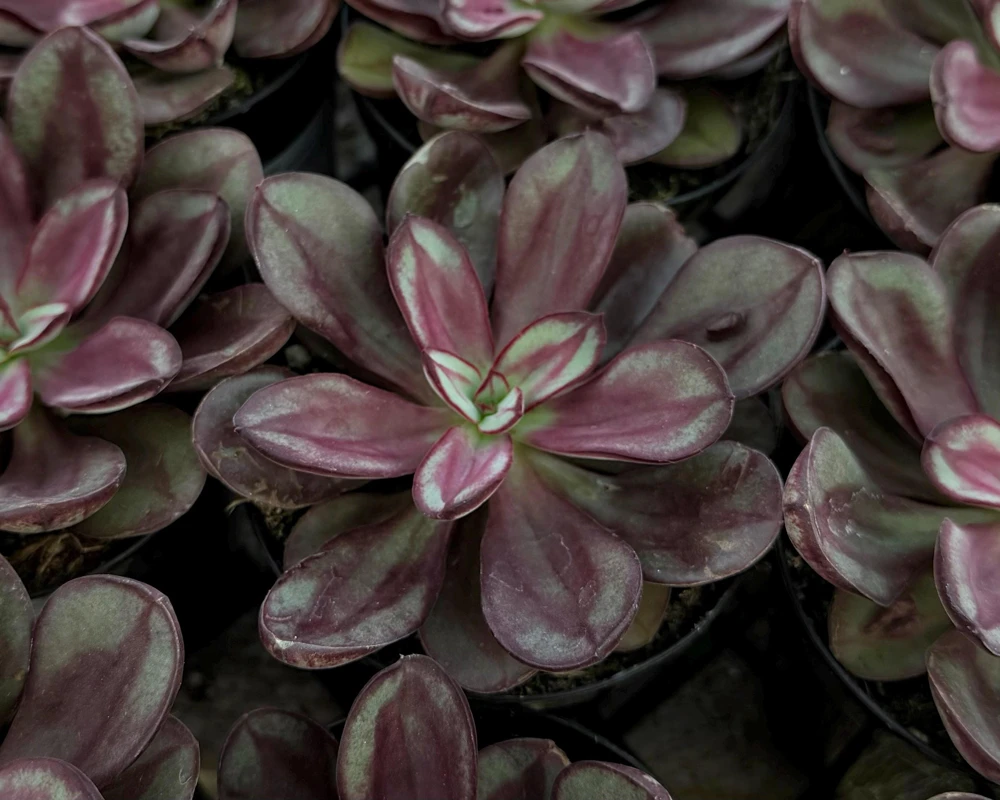
Painted Echeveria Nodulosa Live Plant – Unique Purple Succulent in 4 Inch Pot for Indoors
Flower Plants
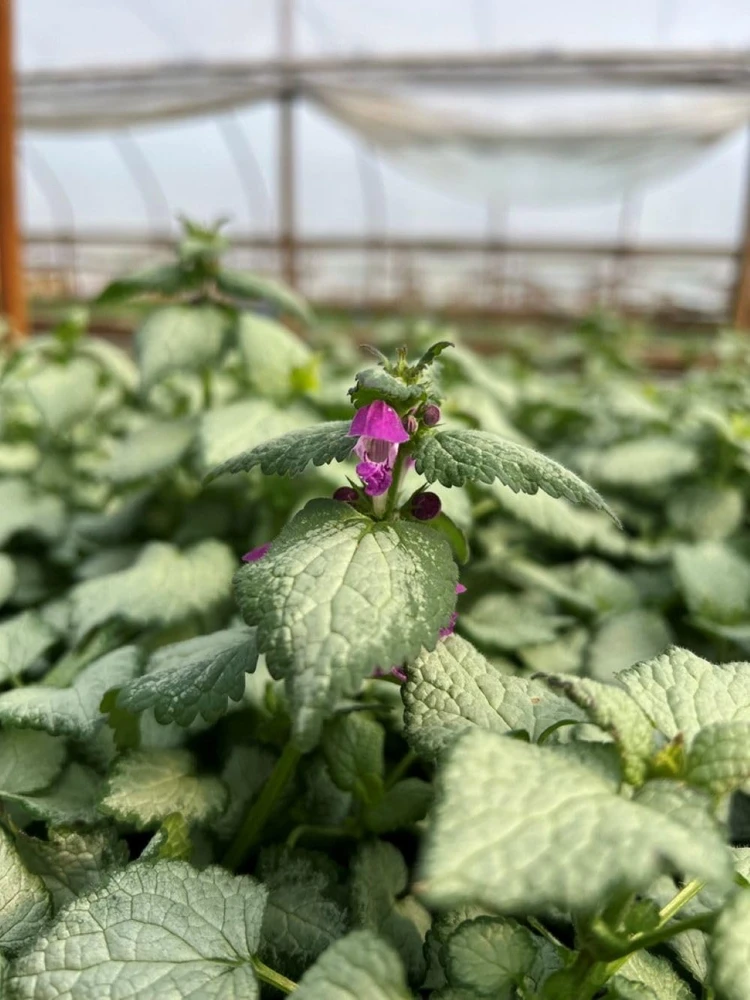
Purple Dragon Lamium Live Plant – Creeping Groundcover – Quart Pot – Shade Hardy Zones 3-9
Reviews
There are no reviews yet.