
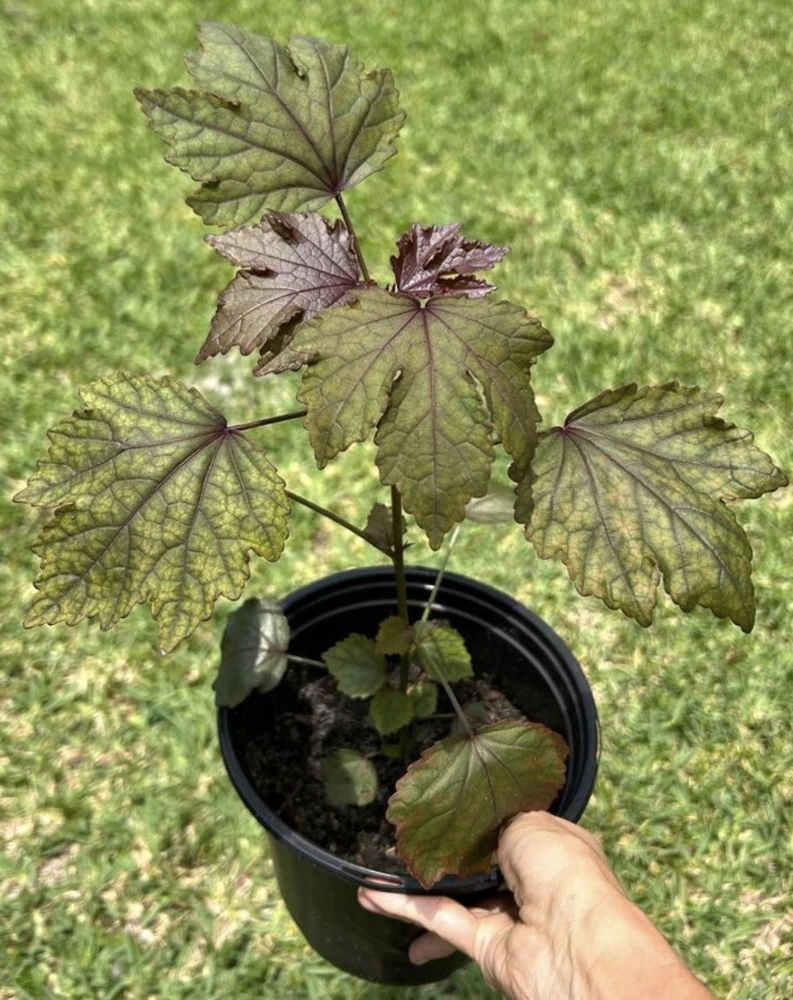
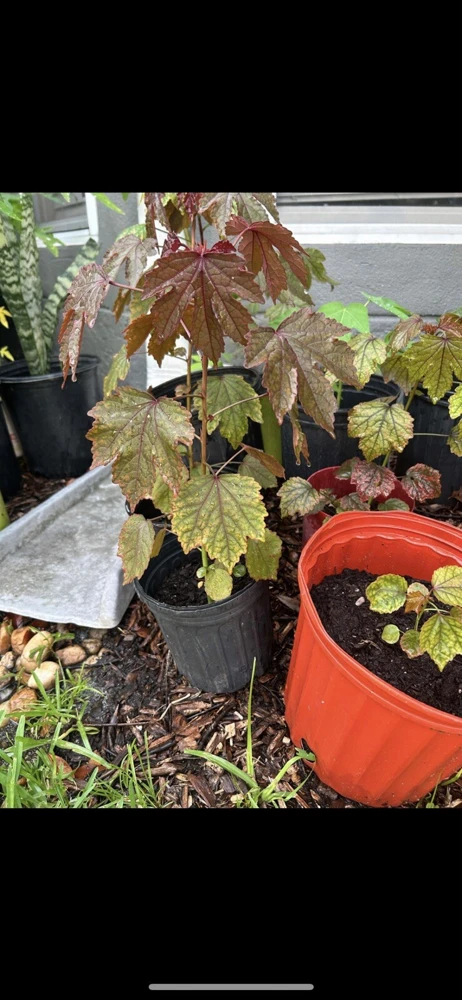
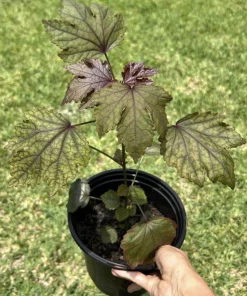
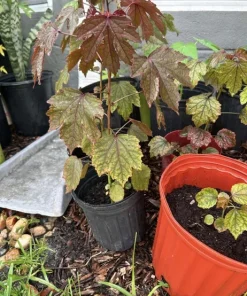
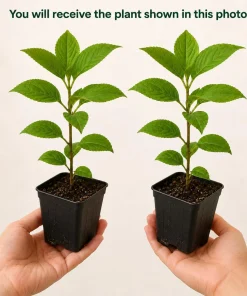
Organic Cranberry Hibiscus Live Plant in Pot – Edible Roselle Hibiscus Large
Original price was: $48.99.$39.99Current price is: $39.99.
Cultivate your own organic cranberry hibiscus live plant, a versatile and beautiful addition to any garden or patio. Also known as edible roselle hibiscus, this plant offers stunning deep red foliage and calyxes perfect for culinary creations. Enjoy its vibrant color and unique flavor.
Estimated arrival
Oct 27
Nov 01 - Nov 03
Nov 06 - Nov 10
Shop With Confidence
30-Day Plant Health Guarantee
Arrives damaged? We’ll replace it free — see our return policy.
Responsive Support
Email us anytime, we reply within 1 business day.
Expert Packaging
Temperature-controlled shipping to protect your plants in transit.
Secure Checkout
Pay safely with Visa, Mastercard, PayPal.
Plant Specifications
-
USDA Hardiness Zone
USDA zones 9-11 (Perennial), Annual elsewhere -
Soil Type
Well-draining, fertile, rich in organic matter -
Sunlight Exposure
Full sun (6-8 hours daily) -
Expected Planting Period
Spring to early summer
Overview
Discover the beauty and utility of the organic cranberry hibiscus live plant, a truly remarkable specimen for both edible and ornamental gardening. Often referred to as edible roselle hibiscus (Hibiscus sabdariffa), this plant is celebrated for its striking deep red leaves and calyxes, which are highly valued in cooking and beverages. Unlike typical ornamental hibiscuses, the roselle is grown primarily for its tart, cranberry-like flavor and vibrant color, making it a favorite among culinary enthusiasts. This large-sized plant arrives ready to thrive, bringing an exotic touch and a bounty of edible parts to your home. Whether you’re looking to make refreshing teas, jams, or add a splash of color to your dishes, the organic cranberry hibiscus live plant is an excellent choice for a productive and visually appealing garden.
Originating from West Africa, roselle has a rich history of use in traditional medicine and cuisine worldwide. Its robust growth habit makes it suitable for various climates, though it flourishes in warmer conditions. The plant’s deep crimson stems and leaves provide a dramatic contrast against other greenery, ensuring it stands out in any landscape. With proper care, this plant will reward you with an abundance of edible calyxes and leaves, promoting a healthy and sustainable lifestyle. Embrace the joy of growing your own fresh ingredients with this exceptional edible roselle hibiscus.
Key Benefits
Adding an organic cranberry hibiscus live plant to your garden offers a multitude of advantages, blending aesthetic appeal with practical culinary uses:
- Culinary Versatility: The calyxes of the edible roselle hibiscus are renowned for their tart, cranberry-like flavor, perfect for making delicious teas, jams, jellies, sauces, and even wine. The young leaves can also be used in salads or cooked as a vegetable.
- Vibrant Ornamental Value: With its deep red stems, foliage, and stunning, though short-lived, flowers, this plant provides exceptional visual interest and a splash of exotic color to your garden or patio.
- Nutrient-Rich Harvest: Roselle is packed with antioxidants, vitamin C, and minerals, contributing to a healthy diet. Enjoy fresh, healthy ingredients straight from your garden.
- Easy to Grow: This plant is relatively low-maintenance once established, making it suitable for gardeners of all experience levels. It thrives with minimal intervention, offering a rewarding growing experience.
- Attracts Pollinators: The flowers of the cranberry hibiscus plant care for local ecosystems by attracting bees and other beneficial pollinators, supporting biodiversity in your garden.
- Sustainable Living: Growing your own organic produce reduces your carbon footprint and provides a fresh, reliable source of food, enhancing your self-sufficiency.
- Unique Flavor Profile: The distinctive tangy taste of roselle adds an exciting new dimension to your culinary repertoire, allowing for creative experimentation in the kitchen.
Plant Care & Growing Tips
Caring for your organic cranberry hibiscus live plant is straightforward, ensuring a bountiful harvest of delicious calyxes and vibrant foliage. This plant, a type of edible roselle hibiscus, thrives in warm climates and requires specific conditions to reach its full potential. For sunlight, aim for at least 6-8 hours of direct sunlight per day. In very hot climates, a little afternoon shade can be beneficial to prevent leaf scorch. This plant is a sun-lover and will produce the most prolific blooms and calyxes when given ample light. When it comes to watering, consistency is key. Keep the soil consistently moist but never waterlogged. Allow the top inch of soil to dry out slightly between waterings, especially during hot, dry periods. Ensure good drainage to prevent root rot.
The ideal soil for your large hibiscus plant is well-draining, fertile, and rich in organic matter. A slightly acidic to neutral pH (6.0-7.0) is preferred. You can amend heavy clay soils with compost or sand to improve drainage, or enrich sandy soils with compost to enhance water retention and nutrient availability. Roselle is typically grown as an annual in most temperate regions but can be a perennial in USDA zones 9-11. Fertilize every 2-4 weeks during the growing season with a balanced organic fertilizer to support its vigorous growth and fruit production. Watch out for common pests like aphids or spider mites, and treat with organic insecticidal soap if necessary. Pruning can encourage bushier growth and more calyx production; simply pinch back the growing tips when the plant is young. Understanding cranberry hibiscus plant care ensures a healthy and productive plant.
Size & Details
This organic cranberry hibiscus live plant is a large-sized specimen, typically arriving in a nursery pot, ready for transplanting. While specific dimensions may vary, these plants are often 12-24 inches tall upon arrival, with the potential to grow much larger, reaching heights of 5-7 feet in a single growing season under optimal conditions. The spread can be equally impressive, often reaching 3-5 feet wide, creating a substantial and attractive bush. It is shipped as a well-established, actively growing plant, ensuring a strong start in your garden. Expect rapid growth during warm months, with calyxes developing after the flowers bloom, usually in late summer to fall. The mature plant will provide a significant harvest of edible parts, making it a valuable addition to any edible landscape.
Frequently Asked Questions
- Q: How big does this organic cranberry hibiscus live plant get? A: This plant can grow quite large in a single season, often reaching 5-7 feet in height and 3-5 feet in width, depending on growing conditions and climate. It’s considered a large-sized plant.
- Q: Is this an indoor or outdoor plant? A: While it can be grown outdoors in warm climates (USDA zones 9-11), it is often grown as an annual in cooler regions or can be brought indoors during winter. It thrives with plenty of sunlight.
- Q: How much sunlight does the edible roselle hibiscus need? A: This plant requires at least 6-8 hours of direct sunlight daily to produce the best growth and calyx yield. Partial afternoon shade may be beneficial in extremely hot climates.
- Q: Is this plant easy to care for? A: Yes, the cranberry hibiscus plant care is relatively easy. Once established, it’s quite resilient and requires consistent watering and full sun. It’s a great choice for beginners.
- Q: What condition will it arrive in? A: Your plant will arrive as a healthy, actively growing, large-sized live plant in a nursery pot, ready for you to transplant into your garden or a larger container.
- Q: Can I use the leaves and calyxes of the grow roselle hibiscus in cooking? A: Absolutely! Both the young leaves and the tart calyxes are edible. The calyxes are famously used for teas, jams, and sauces, while the leaves can be added to salads or cooked.
- Q: When is the best time to plant roselle? A: The best time to plant is in spring after all danger of frost has passed, when soil temperatures have warmed up. It needs a long, warm growing season to produce its calyxes.
- Q: What type of soil does this plant prefer? A: It prefers well-draining, fertile soil rich in organic matter, with a slightly acidic to neutral pH. Good drainage is crucial to prevent root issues.
- Q: Will this large hibiscus plant survive winter in my zone? A: Roselle is perennial in USDA zones 9-11. In colder zones, it is typically grown as an annual or overwintered indoors in a pot.
- Q: How long until it produces calyxes? A: Calyxes usually begin to form after the flowers bloom, typically in late summer to fall, roughly 3-4 months after planting, depending on growing conditions.
Be the first to review “Organic Cranberry Hibiscus Live Plant in Pot – Edible Roselle Hibiscus Large”
People Also Viewed

Vegetable Seeds
Kailaan Seeds – 500 Seeds – Big Stem Broccoli Kale for Planting
Vegetable Seeds
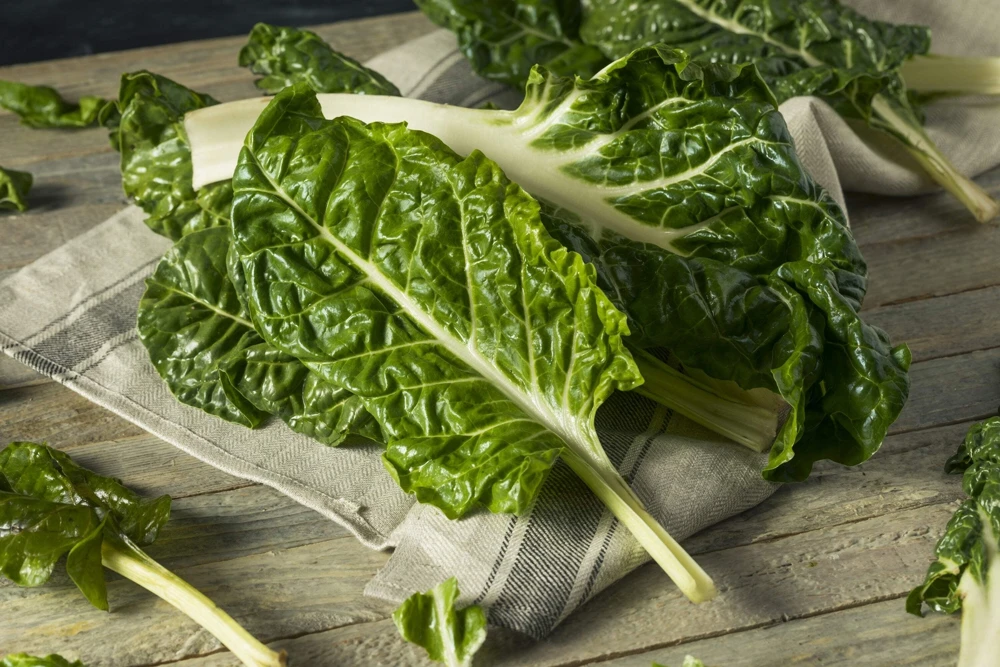
300 Lucullus Swiss Chard Seeds – Beta Vulgaris Vegetable Seeds
Reviews
There are no reviews yet.