
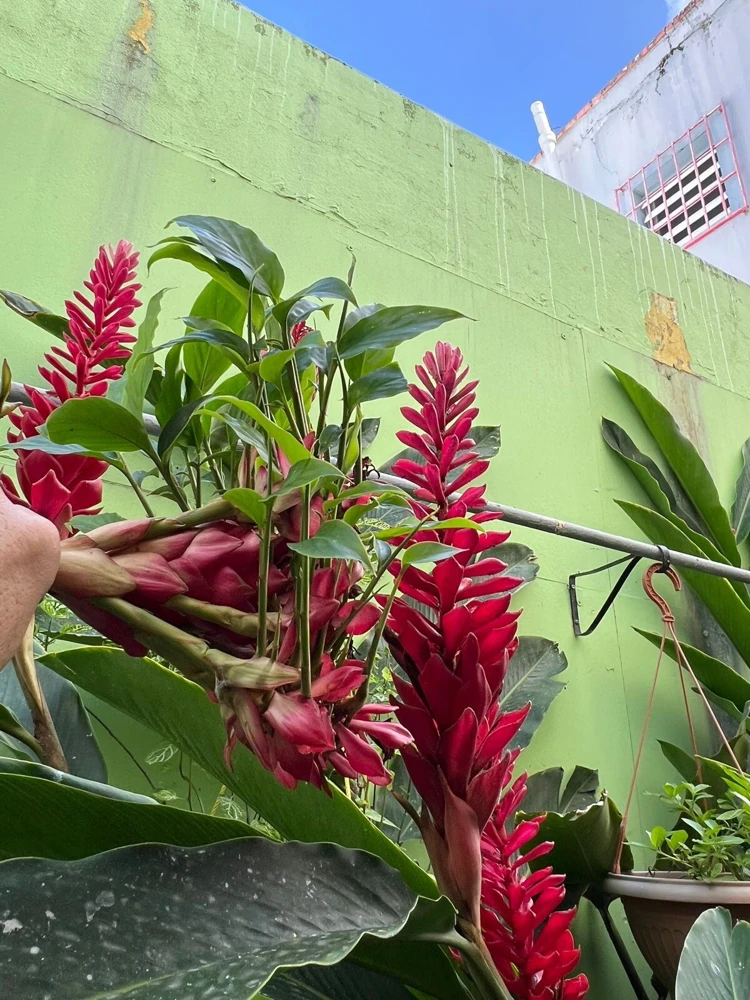
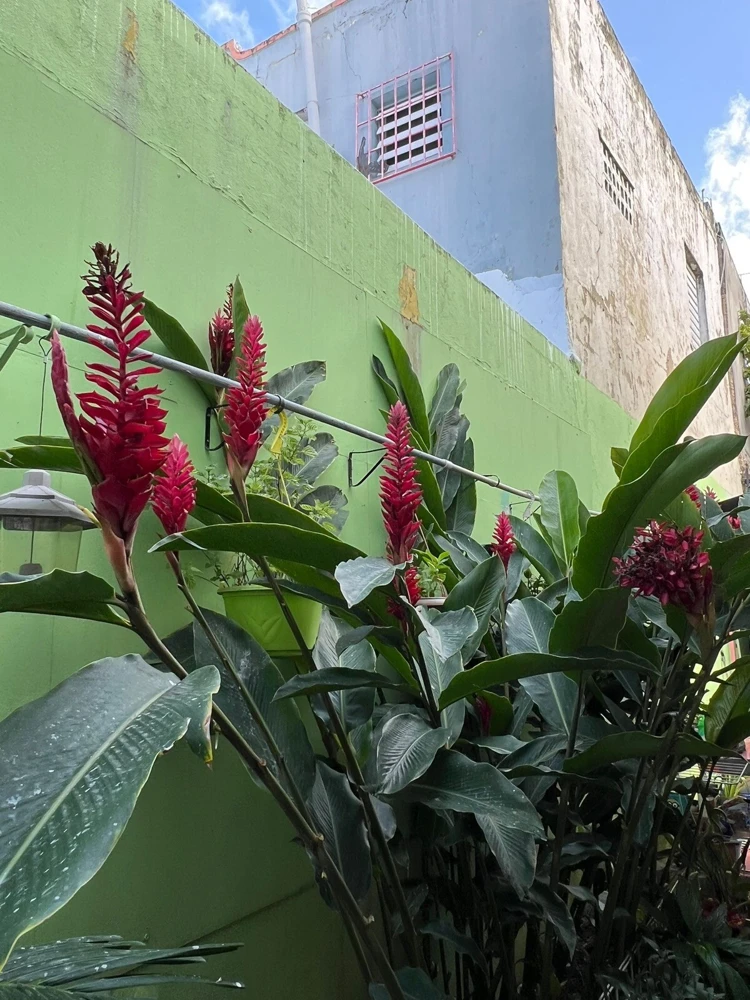
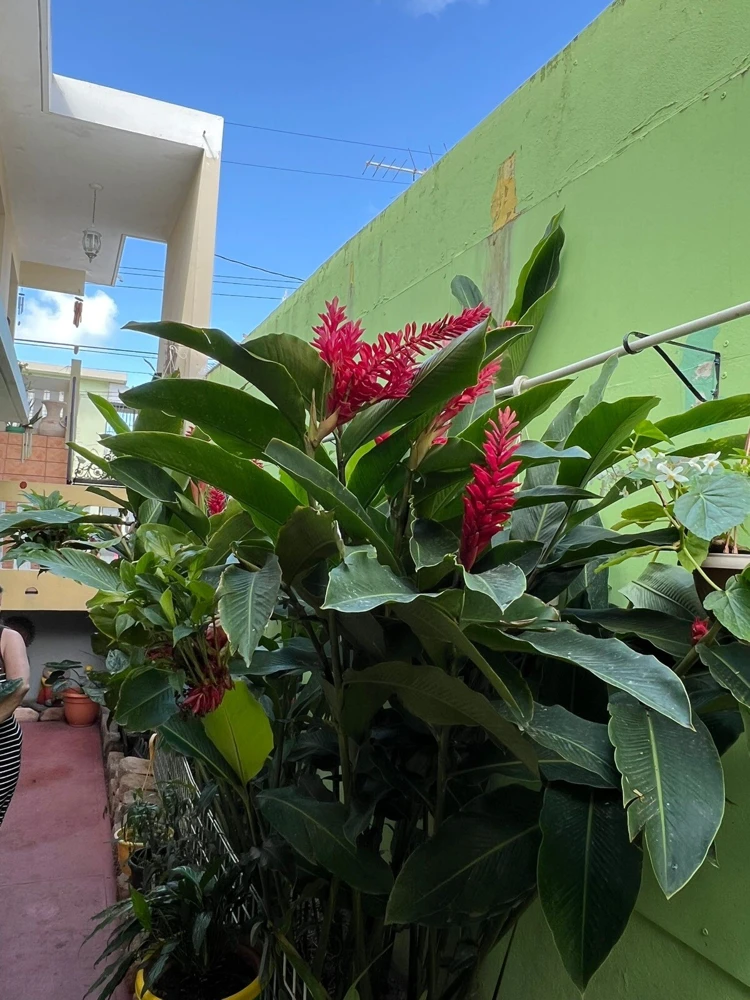
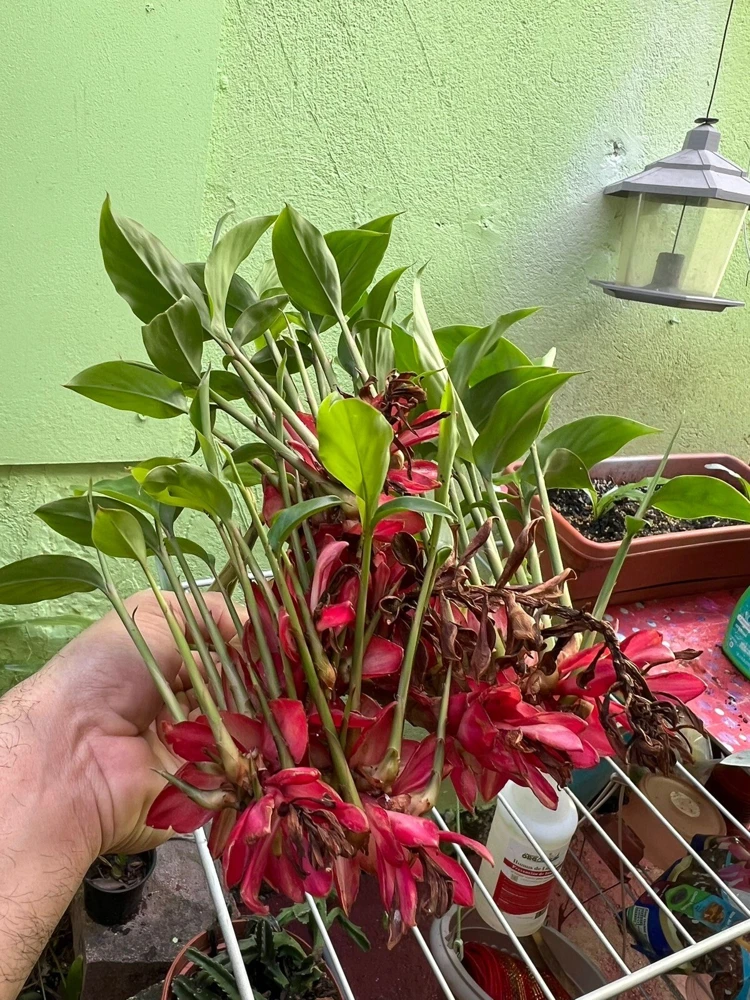
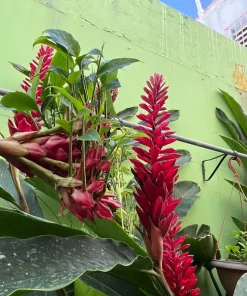
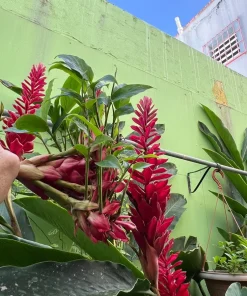
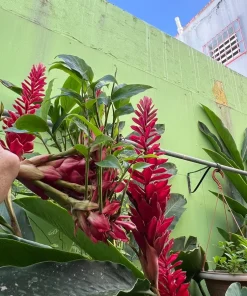
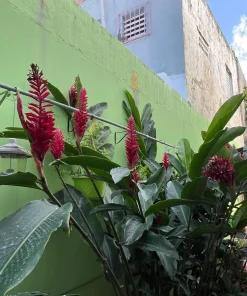
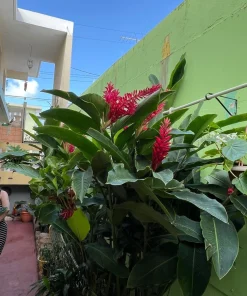
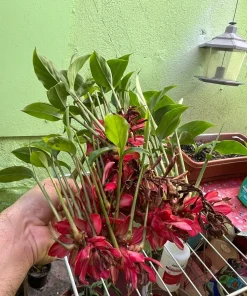
Red Ginger Live Plant – Alpinia purpurata Tropical Flowering Plant
Original price was: $43.99.$35.99Current price is: $35.99.
Experience the exotic allure of a red ginger live plant, Alpinia purpurata. This stunning tropical flowering ginger adds a vibrant splash of color to any space, ideal for both indoor enjoyment and outdoor gardens in warmer climates. Easy to care for and visually striking.
Estimated arrival
Oct 27
Nov 01 - Nov 03
Nov 06 - Nov 10
Shop With Confidence
30-Day Plant Health Guarantee
Arrives damaged? We’ll replace it free — see our return policy.
Responsive Support
Email us anytime, we reply within 1 business day.
Expert Packaging
Temperature-controlled shipping to protect your plants in transit.
Secure Checkout
Pay safely with Visa, Mastercard, PayPal.
Plant Specifications
-
USDA Hardiness Zone
USDA Zones 9-11 (Outdoors), All Zones (Indoors) -
Soil Type
Well-draining, rich, slightly acidic to neutral potting mix -
Sunlight Exposure
Bright indirect light to partial shade -
Expected Planting Period
Year-round indoors; Spring to Summer outdoors (in appropriate zones)
Overview
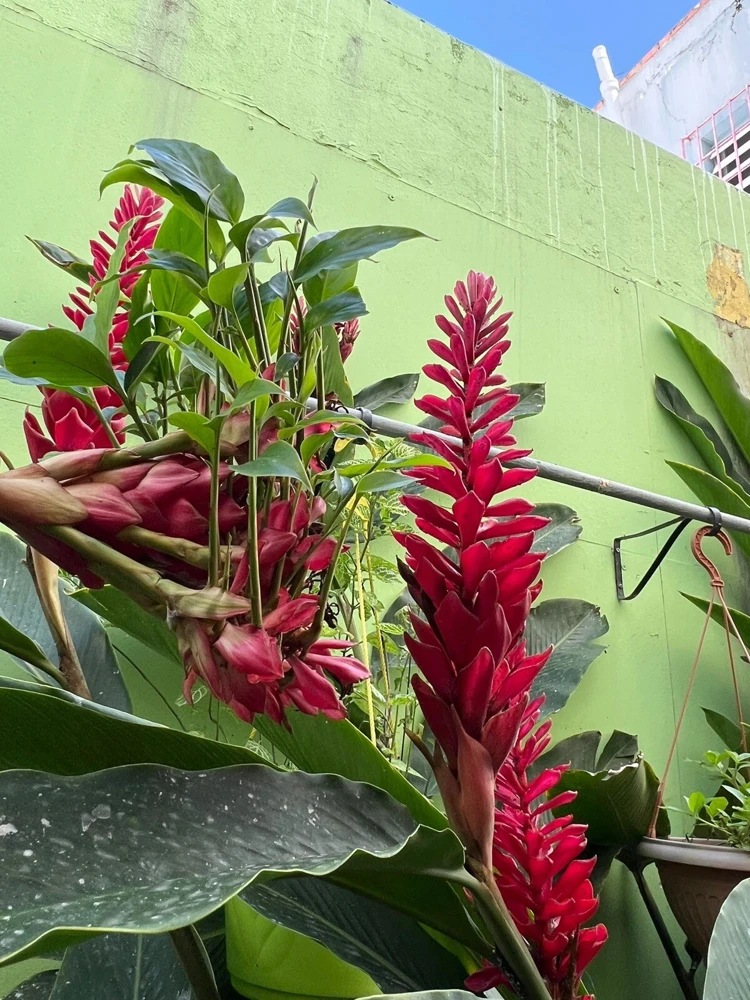
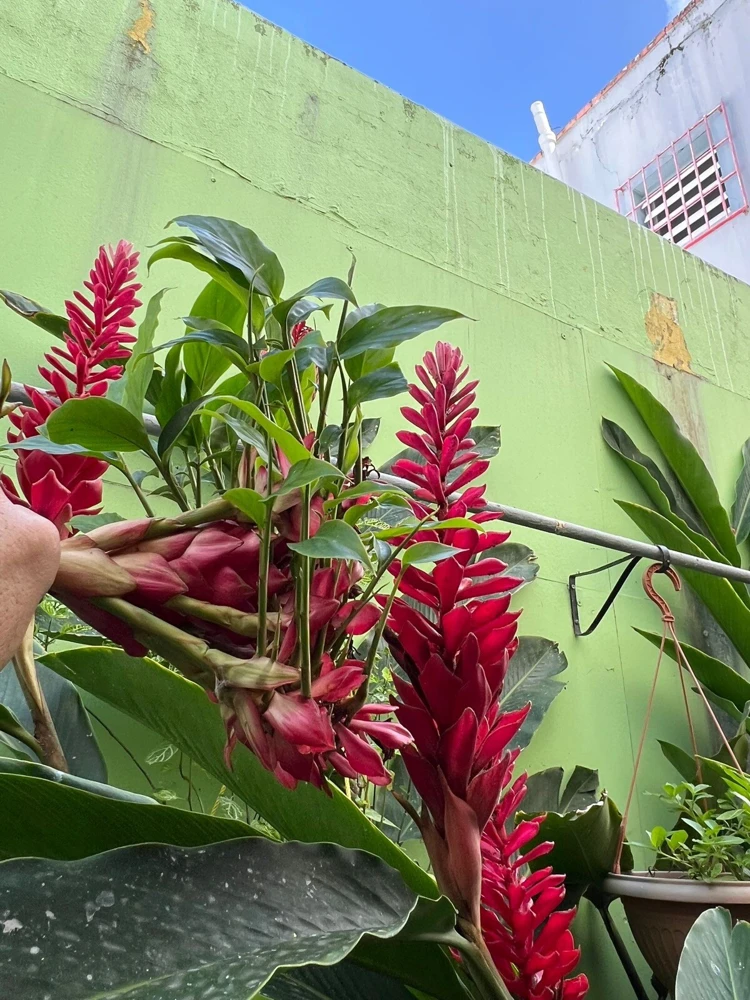
Transform your living space into a tropical paradise with a vibrant red ginger live plant, scientifically known as Alpinia purpurata. This exquisite tropical flowering ginger is celebrated for its dramatic, cone-shaped red bracts that resemble flowers, though the true flowers are small and white, emerging from these colorful structures. Native to Malaysia, this plant brings an undeniable exotic charm and a touch of the tropics to any environment. Whether you’re looking to create an indoor jungle or enhance your outdoor garden, the Alpinia purpurata care is relatively straightforward, making it a rewarding addition for gardeners of all experience levels. Its lush green foliage provides a beautiful backdrop for its fiery red inflorescences, making it a focal point in any setting.
The red ginger live plant is not only visually stunning but also resilient, thriving in warm, humid conditions. It can grow quite large in its native habitat, but when cultivated in pots, its size can be managed, making it suitable for a variety of spaces. This plant is a fantastic choice for those who appreciate bold, architectural plants that offer continuous beauty. Its striking appearance makes it an excellent gift or a personal indulgence to brighten up your home or garden.
Key Benefits
The red ginger live plant offers a multitude of benefits, from its aesthetic appeal to its adaptability, making it a highly desirable plant for any enthusiast. These advantages highlight why this tropical beauty is a must-have:
-
Exotic Visual Appeal: The most striking feature of the red ginger live plant is its brilliant red, cone-shaped inflorescences. These vibrant ‘flowers’ create a dramatic and exotic focal point, instantly elevating the aesthetics of any room or garden. They provide a continuous display of color for extended periods.
-
Lush Green Foliage: Beyond its stunning blooms, Alpinia purpurata boasts large, glossy green leaves that provide a rich, tropical backdrop. This dense foliage contributes to a lush, vibrant atmosphere, even when the plant isn’t in bloom, offering year-round greenery.
-
Versatile Growth: This tropical plant can be grown both indoors as a magnificent houseplant or outdoors in frost-free climates. Its adaptability allows you to enjoy its beauty regardless of your local climate, provided it receives adequate warmth and light. This versatility makes growing red ginger a flexible option for many.
-
Relatively Low Maintenance: Despite its exotic appearance, the red ginger live plant is not overly demanding. With proper watering, light, and occasional feeding, it thrives with minimal fuss. This makes Alpinia purpurata care manageable for busy individuals.
-
Air Purifying Qualities: Like many houseplants, the Alpinia purpurata contributes to a healthier indoor environment by naturally filtering toxins from the air, improving air quality and creating a fresher living space.
-
Attracts Pollinators: When grown outdoors, the vibrant blooms can attract hummingbirds and other pollinators, adding life and movement to your garden ecosystem.
-
Unique Cut Flowers: The long-lasting red inflorescences make excellent cut flowers for tropical arrangements, bringing the beauty of your garden indoors for even longer periods.
Plant Care & Growing Tips
Caring for your red ginger live plant, Alpinia purpurata, is a rewarding experience that ensures its continuous vibrant display. Understanding its specific needs for light, water, and soil will guarantee a healthy and flourishing plant, whether you’re focused on Alpinia purpurata care indoors or out. This tropical beauty thrives on consistency and warmth.
Sunlight Requirements: The red ginger live plant prefers bright, indirect light. If grown indoors, a spot near a south or east-facing window where it receives filtered light for several hours a day is ideal. Direct, harsh afternoon sun can scorch its leaves. Outdoors, it performs best in partial shade, especially in hotter climates, to protect it from intense midday sun. Aim for 4-6 hours of bright, indirect light daily.
Watering Schedule and Soil Moisture: Consistent moisture is key for this tropical plant. Water thoroughly when the top inch of soil feels dry to the touch. Ensure the pot has good drainage to prevent waterlogging, which can lead to root rot. During warmer months or when actively growing, it will require more frequent watering. Reduce watering slightly in cooler months, allowing the soil to dry out a bit more between waterings. Humidity is also important; misting the leaves regularly or placing the pot on a pebble tray can help maintain adequate moisture in the air, especially for your red ginger indoor plant.
Soil Type and Drainage: A well-draining, rich, and slightly acidic to neutral potting mix is ideal for Alpinia purpurata. A good quality potting mix amended with compost or peat moss will provide the necessary nutrients and drainage. Ensure the pot has drainage holes to prevent standing water. Good drainage is crucial for preventing common ginger plant issues.
Temperature Range and USDA Hardiness Zone: Being a tropical plant, the red ginger live plant thrives in warm temperatures, ideally between 65-80°F (18-27°C). It is sensitive to cold and frost. Outdoors, it is suitable for USDA Hardiness Zones 9-11, where temperatures rarely drop below freezing. If you live in a cooler zone, it’s best to grow it in a container and bring it indoors before the first frost, treating it as an indoor plant during winter. Protecting it from cold drafts is also important.
Fertilization Schedule and Type: Feed your tropical flowering ginger every 2-4 weeks during its active growing season (spring and summer) with a balanced liquid fertilizer diluted to half strength. Reduce feeding in fall and winter when growth slows. A fertilizer rich in phosphorus can encourage more prolific blooming.
Common Problems and Solutions: Watch out for common pests like spider mites and mealybugs, especially in dry indoor environments. Treat with insecticidal soap or neem oil. Yellowing leaves can indicate overwatering or nutrient deficiency, while browning leaf tips might suggest low humidity or underwatering. Adjust your care routine accordingly to maintain a healthy growing red ginger.
Size & Details
Your red ginger live plant, Alpinia purpurata, will arrive healthy and ready to thrive in its new environment. Typically, these plants grow to be quite substantial, reaching heights of 3-6 feet when mature, though they can be maintained at smaller sizes through pruning or by growing in containers. The spread can be equally impressive, creating a dense, lush display of foliage and vibrant red inflorescences. Each plant is carefully selected to ensure vigor and health upon arrival, providing you with a strong foundation for a beautiful tropical addition to your home or garden. The growth rate is moderate, allowing you to enjoy its development over time.
This tropical flowering ginger is shipped as a well-rooted, actively growing plant, often in a nursery pot, ensuring minimal transplant shock. Expect the plant to establish quickly once potted in its permanent location. With proper Alpinia purpurata care, you can anticipate stunning red blooms throughout the warmer months, creating a continuous spectacle of tropical color. The plant’s robust nature means it can provide years of enjoyment, becoming a cherished part of your plant collection. Understanding how to support growing red ginger to its full potential will ensure its long-term health and beauty.
Frequently Asked Questions
-
Q: How big does this red ginger live plant get? A: When grown outdoors in ideal conditions, Alpinia purpurata can reach heights of 3 to 6 feet, and sometimes even taller. Indoors, its size can be managed through pot size and occasional pruning, typically staying within a more manageable 2-4 feet.
-
Q: Is this an indoor or outdoor plant? A: The red ginger live plant is versatile. It thrives as an outdoor plant in USDA Zones 9-11 where it’s frost-free. In cooler climates, it can be grown as a stunning indoor plant or brought indoors during winter months, making it an excellent red ginger indoor plant option.
-
Q: How much sunlight does the tropical flowering ginger need? A: It prefers bright, indirect light. Outdoors, partial shade is best, especially during the hottest part of the day. Indoors, place it near a window that receives filtered sunlight for several hours, avoiding direct, harsh sun.
-
Q: Is this plant easy to care for? A: Yes, despite its exotic appearance, the red ginger live plant is considered relatively easy to care for. It primarily requires consistent watering, proper light, and protection from cold temperatures. Following basic Alpinia purpurata care guidelines will ensure its health.
-
Q: What condition will it arrive in? A: Your red ginger live plant will arrive as a healthy, well-rooted, actively growing plant, typically in a nursery pot. It is carefully packaged to ensure it arrives in the best possible condition, ready for planting.
-
Q: How long until it blooms? A: With proper care and favorable growing conditions, the tropical flowering ginger can start producing its vibrant red inflorescences within one to two growing seasons. Consistent warmth, light, and feeding will encourage blooming.
-
Q: Will it survive winter in my zone? A: If you are in USDA Zones 9-11, the red ginger live plant can survive winter outdoors with minimal protection. In zones colder than 9, it must be brought indoors before temperatures drop below 45°F (7°C) to protect it from frost and cold damage.
-
Q: What type of soil is best for growing red ginger? A: A rich, well-draining potting mix is ideal. Amend garden soil with compost or peat moss if planting outdoors. For potted plants, a high-quality, slightly acidic to neutral potting mix will provide the necessary nutrients and drainage.
-
Q: Can I propagate this plant? A: Yes, red ginger live plant can be propagated through division of its rhizomes. This is best done in the spring, allowing you to multiply your beautiful tropical plants.
-
Q: Is the red ginger indoor plant pet-safe? A: While Alpinia purpurata is generally considered non-toxic to pets, it’s always best to prevent pets from ingesting any plant material to avoid potential mild stomach upset. Always supervise pets around new plants.
Be the first to review “Red Ginger Live Plant – Alpinia purpurata Tropical Flowering Plant”
People Also Viewed
Succulents
Blue Column Cactus Live Plant – Pilocereus Pachicladus – 2 Pack in 2″ Pots – Easy Houseplant
Reviews
There are no reviews yet.