
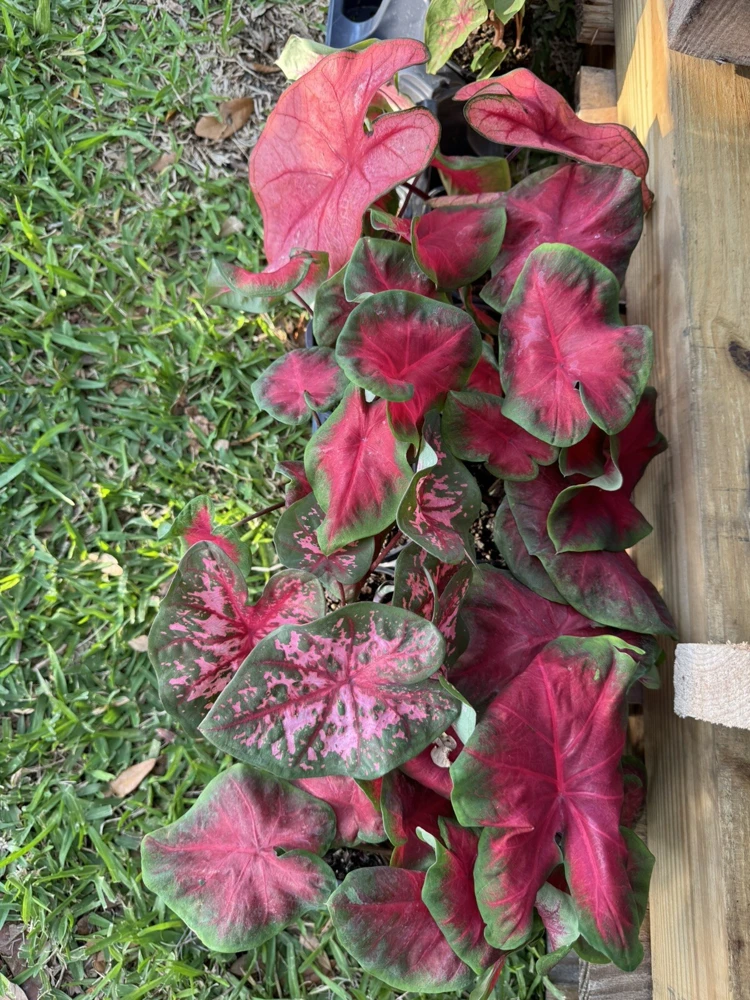
Caladium Live Plant – Fancy Leaf Elephant Ear Tropical Houseplant Potted
Original price was: $31.99.$25.99Current price is: $25.99.
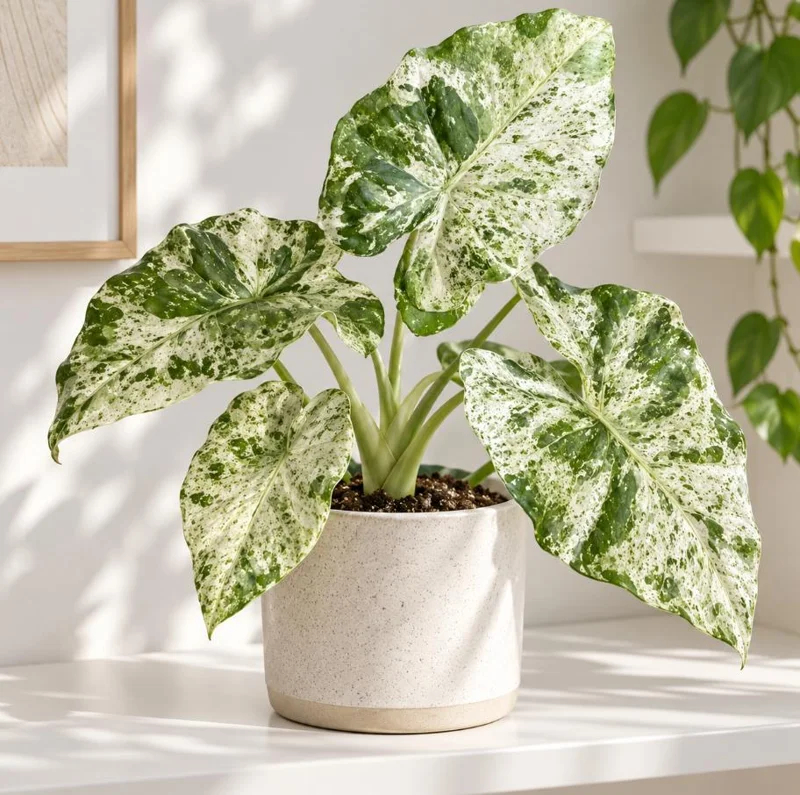
Bring exotic beauty indoors with a caladium live plant. This stunning fancy leaf caladium, also known as elephant ear houseplant, features vibrant, heart-shaped leaves for a touch of tropical elegance. Perfect for adding a pop of color to any room.
Estimated arrival
Oct 27
Nov 01 - Nov 03
Nov 06 - Nov 10
Shop With Confidence
30-Day Plant Health Guarantee
Arrives damaged? We’ll replace it free — see our return policy.
Responsive Support
Email us anytime, we reply within 1 business day.
Expert Packaging
Temperature-controlled shipping to protect your plants in transit.
Secure Checkout
Pay safely with Visa, Mastercard, PayPal.
Plant Specifications
-
USDA Hardiness Zone
USDA zones 9-11 (for outdoor annuals, otherwise indoor) -
Soil Type
Well-draining, rich potting mix -
Sunlight Exposure
Bright, indirect light -
Expected Planting Period
Year-round indoors (active growth spring-fall)
Overview
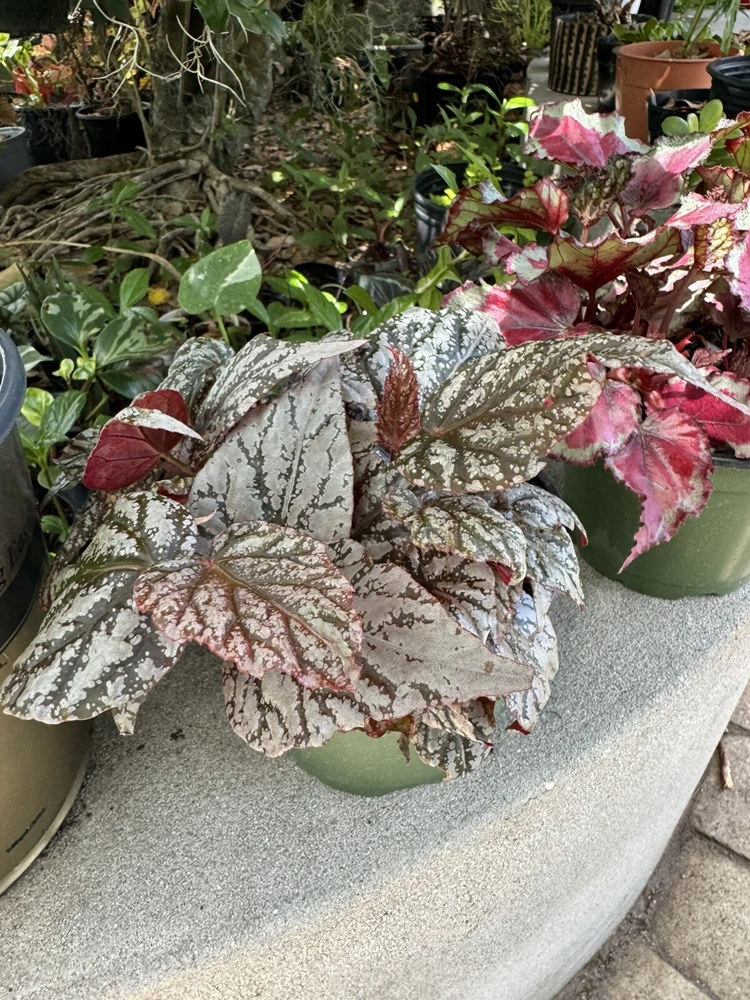
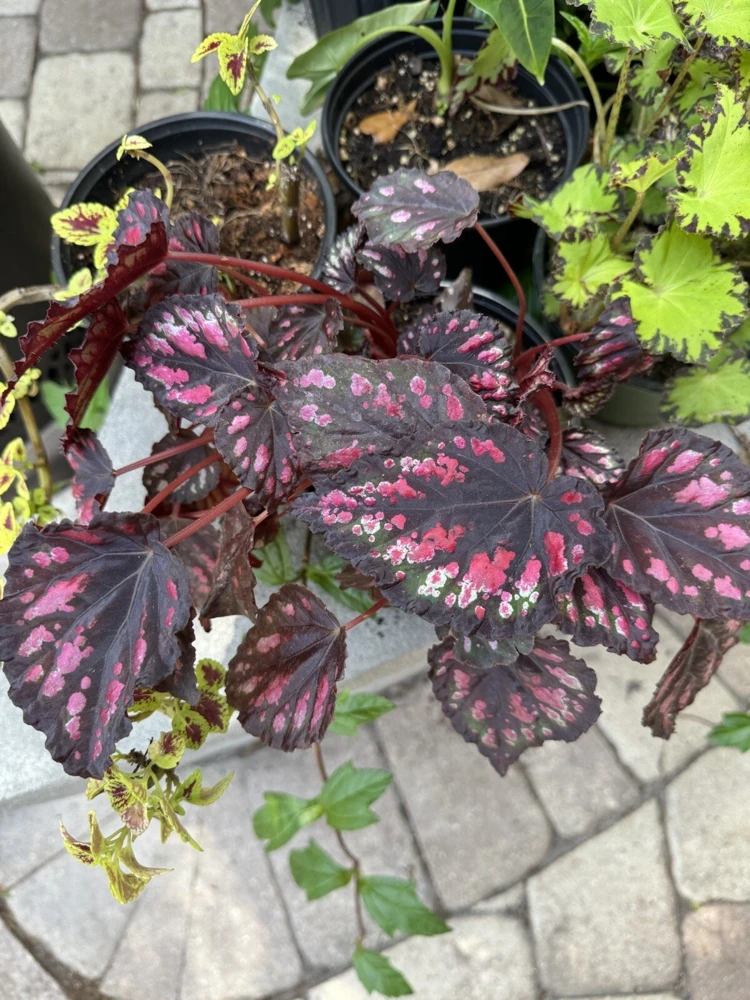
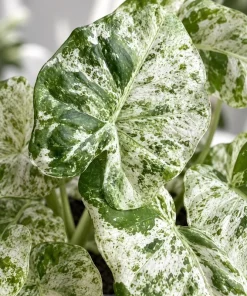
Transform your living space into a tropical oasis with a captivating caladium live plant. Known for its spectacular, often brightly colored and intricately patterned foliage, the Caladium, or ‘Fancy Leaf Elephant Ear’, is a true showstopper among houseplants. Unlike many flowering plants, its beauty lies entirely in its leaves, which can display an astonishing array of reds, pinks, whites, and greens. This tropical foliage plant is a favorite for adding dramatic visual interest and a vibrant splash of color to indoor environments. Whether you’re an experienced plant enthusiast or just starting your green journey, a potted Caladium offers an easy way to enjoy exotic beauty. Its unique appearance makes it a focal point in any room, providing a continuous display of natural art.
The Caladium genus encompasses several species and numerous cultivars, all celebrated for their decorative leaves. Often referred to as ‘Elephant Ear’ due to the shape of its large, heart-like leaves, this plant is a native of tropical South America. It thrives in warm, humid conditions, making it an ideal candidate for indoor cultivation in most climates. Our caladium live plant arrives ready to display, bringing instant charm and a refreshing, natural vibe to your home or office. Discover the joy of cultivating this magnificent plant.
Key Benefits
A caladium live plant offers more than just aesthetic appeal; it brings a host of benefits to your indoor environment and personal well-being. Its striking appearance and relatively straightforward care make it a rewarding addition to any plant collection. Here are some of the key advantages of welcoming a Caladium into your home:
- Stunning Visual Appeal: The primary draw of the fancy leaf caladium is its incredibly diverse and colorful foliage. Each leaf is a work of art, featuring intricate patterns and vibrant hues that can brighten any dull corner and serve as a natural conversation starter.
- Tropical Ambiance: Instantly create a lush, tropical feel in your home. The large, heart-shaped leaves evoke images of rainforests, providing a calming and exotic atmosphere that can help reduce stress and enhance relaxation.
- Air Purification: Like many houseplants, Caladiums contribute to a healthier indoor environment by absorbing certain airborne toxins and releasing oxygen. While not as potent as some other purifiers, every bit helps in improving air quality.
- Low Maintenance (Seasonal): While they have a dormant period, during their active growing season, Caladiums are relatively easy to care for, requiring consistent moisture and indirect light. This makes them suitable for gardeners of varying experience levels.
- Versatile Decor: The wide range of colors and patterns available means there’s a Caladium to complement any interior design scheme. Whether you prefer bold reds, subtle pinks, or classic white and green, a tropical foliage plant like the Caladium can enhance your decor.
- Dynamic Growth: Watching new leaves unfurl and develop their full coloration is a delightful experience. Caladiums offer a dynamic display of growth and change throughout their active season, adding an engaging element to your indoor garden.
- Unique Gifting Idea: A potted caladium care plant makes an excellent and thoughtful gift for plant lovers, housewarming parties, or anyone looking to add a unique touch to their home decor.
Plant Care & Growing Tips
Caring for your caladium live plant is a rewarding experience, especially when you understand its specific needs. While often considered a seasonal plant due to its dormancy, providing the right conditions during its active growing cycle will ensure a vibrant and healthy display. Caladiums thrive in warm, humid environments and require consistent attention to watering and light.
Sunlight Requirements: Caladiums prefer bright, indirect light. Direct sunlight can scorch their delicate leaves, causing discoloration and damage. An east-facing window is often ideal, providing gentle morning sun, or a north-facing window for consistent, soft light. If placed in a brighter room, ensure it’s positioned away from the direct path of the sun, perhaps a few feet from a south or west-facing window. Insufficient light can lead to leggy growth and less vibrant leaf coloration, making proper placement crucial for a beautiful fancy leaf caladium.
Watering Schedule and Soil Moisture: Consistent moisture is key for a thriving Caladium. The soil should be kept evenly moist but never waterlogged. Water thoroughly when the top inch of soil feels dry to the touch. During its active growing season (typically spring through fall), this might mean watering every few days. Reduce watering significantly as the plant enters its dormant phase in late fall/winter when the leaves begin to yellow and die back. Overwatering can lead to tuber rot, so always ensure good drainage. The elephant ear houseplant appreciates high humidity, so consider misting its leaves regularly or placing its pot on a pebble tray filled with water.
Soil Type and Drainage: A well-draining, rich potting mix is ideal for Caladiums. A good quality potting soil amended with perlite or coarse sand will provide the necessary drainage while retaining adequate moisture. Ensure your pot has drainage holes to prevent water from accumulating at the bottom, which is vital for preventing root and tuber rot. The right soil mix is fundamental for successful potted caladium care.
Temperature Range and USDA Hardiness Zone: Caladiums are tropical plants and prefer warm temperatures. They thrive in temperatures between 65-80°F (18-27°C). Avoid exposing them to temperatures below 60°F (15°C), as this can cause them to go dormant prematurely or suffer damage. For outdoor cultivation, Caladiums are typically grown as annuals in USDA zones below 9, or the tubers can be dug up and stored over winter. Indoors, maintain a consistent warm temperature.
Fertilization Schedule and Type: During the active growing season (spring and summer), fertilize your tropical foliage plant every 2-4 weeks with a balanced liquid fertilizer diluted to half strength. A fertilizer formulated for houseplants or foliage plants will provide the necessary nutrients for vibrant leaf development. Avoid fertilizing during the dormant period.
Common Problems and Solutions: Yellowing leaves can indicate overwatering, underwatering, or too much direct sunlight. Adjust your watering schedule and light exposure accordingly. Pests like spider mites and aphids can occasionally bother Caladiums; inspect your plant regularly and treat with insecticidal soap if needed. Proper caladium live plant care will minimize these issues.
Size & Details
This caladium live plant is presented as a healthy, established specimen, ready to bring immediate color and life to your home. It typically arrives in a nursery pot, ensuring it has adequate space for its initial growth and is well-protected during transit. The plant’s overall height and width will vary depending on the specific cultivar and its stage of growth, but generally, Caladiums can reach heights of 1-2 feet indoors, with a similar spread, creating a full and lush display. The leaves themselves are prominently heart-shaped, showcasing their distinct patterns and vibrant hues, characteristic of a fancy leaf caladium. Expect to see robust foliage that will continue to grow and develop its unique coloration over its active season.
Our elephant ear houseplant is shipped in its active growth phase, meaning it will arrive with foliage already present. The growth rate is moderate, allowing you to enjoy its beauty for an extended period. With proper potted caladium care, you can expect this tropical beauty to flourish, producing new leaves and enhancing its stunning appearance throughout the spring and summer months. As a tropical foliage plant, it will enter a dormant period in colder months, during which the leaves may die back, and the tuber rests, ready to re-emerge in the next growing season.
Frequently Asked Questions
- Q: How big does this plant get? A: A caladium live plant typically grows to an indoor height of 1-2 feet, with a similar spread. The specific size can vary based on the cultivar and environmental conditions, but it generally forms a compact, bushy appearance perfect for tabletops or floor displays.
- Q: Is this an indoor or outdoor plant? A: While Caladiums can be grown outdoors as annuals in warmer climates (USDA zones 9-11) or as seasonal accents, this particular fancy leaf caladium is ideal for indoor cultivation as a houseplant, where its specific light and humidity needs can be consistently met.
- Q: How much sunlight does it need? A: Your elephant ear houseplant thrives in bright, indirect light. Avoid direct sunlight, which can scorch its delicate leaves. An east-facing window or a spot a few feet away from a south or west-facing window is usually perfect.
- Q: Is this plant easy to care for? A: Yes, with consistent attention to its basic needs, a caladium live plant is considered moderately easy to care for. The main requirements are consistent moisture, high humidity, and indirect light. Understanding its dormancy cycle is also key for long-term health.
- Q: What condition will it arrive in? A: Your plant will arrive as a healthy, established tropical foliage plant in a nursery pot, with active foliage. It is carefully packaged to ensure minimal stress during transit, ready for you to unbox and enjoy.
- Q: How long until it blooms? A: Caladiums are primarily grown for their stunning foliage, not their flowers. While they can produce a spathe-like flower, it’s often inconspicuous and many growers choose to remove it to encourage more energy into leaf production.
- Q: What’s the minimum temperature this plant can tolerate? A: As a tropical plant, the potted caladium care requires temperatures above 60°F (15°C). Prolonged exposure to cooler temperatures can cause the plant to go dormant or suffer cold damage.
- Q: How often should I water my Caladium? A: Water your Caladium when the top inch of soil feels dry to the touch. Keep the soil consistently moist but never waterlogged. During dormancy, reduce watering significantly.
- Q: Is this plant pet-safe? A: No, Caladiums are toxic if ingested by pets or humans due to calcium oxalate crystals. It’s best to keep your caladium live plant out of reach of curious pets and children.
- Q: When is the best time to plant or repot a Caladium? A: The best time to plant or repot a Caladium is in late spring or early summer, just as it’s emerging from dormancy and actively beginning its growth cycle.
Be the first to review “Caladium Live Plant – Fancy Leaf Elephant Ear Tropical Houseplant Potted”
People Also Viewed
Uncategorized
Reviews
There are no reviews yet.