
Black Elephant Ear Live Plant – Alocasia Dark Foliage Tropical Houseplant
Original price was: $48.99.$39.99Current price is: $39.99.
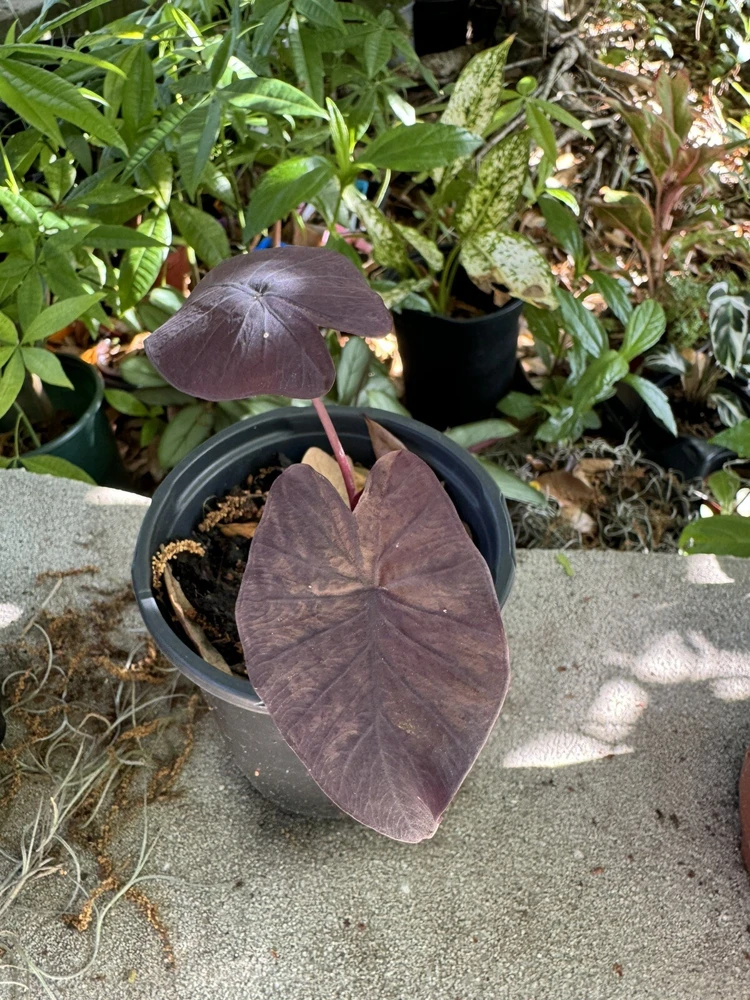
Introduce a touch of exotic drama to your home with the black elephant ear live plant. This stunning alocasia dark foliage variety is a captivating tropical houseplant, known for its large, deep-hued leaves that make a bold statement in any indoor setting. Perfect for plant enthusiasts seeking unique and visually striking specimens.
Estimated arrival
Oct 27
Nov 01 - Nov 03
Nov 06 - Nov 10
Shop With Confidence
30-Day Plant Health Guarantee
Arrives damaged? We’ll replace it free — see our return policy.
Responsive Support
Email us anytime, we reply within 1 business day.
Expert Packaging
Temperature-controlled shipping to protect your plants in transit.
Secure Checkout
Pay safely with Visa, Mastercard, PayPal.
Plant Specifications
-
USDA Hardiness Zone
USDA zones 9-11 (outdoors), typically grown indoors -
Soil Type
Well-draining, airy potting mix rich in organic matter -
Sunlight Exposure
Bright, indirect light -
Expected Planting Period
Year-round indoors
Overview
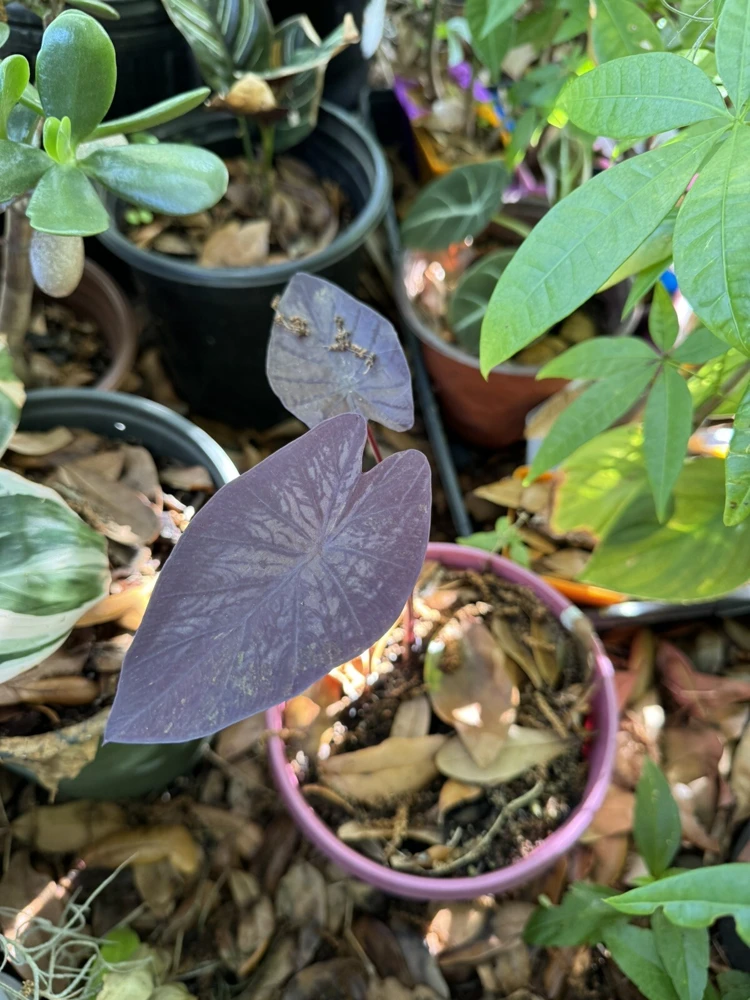
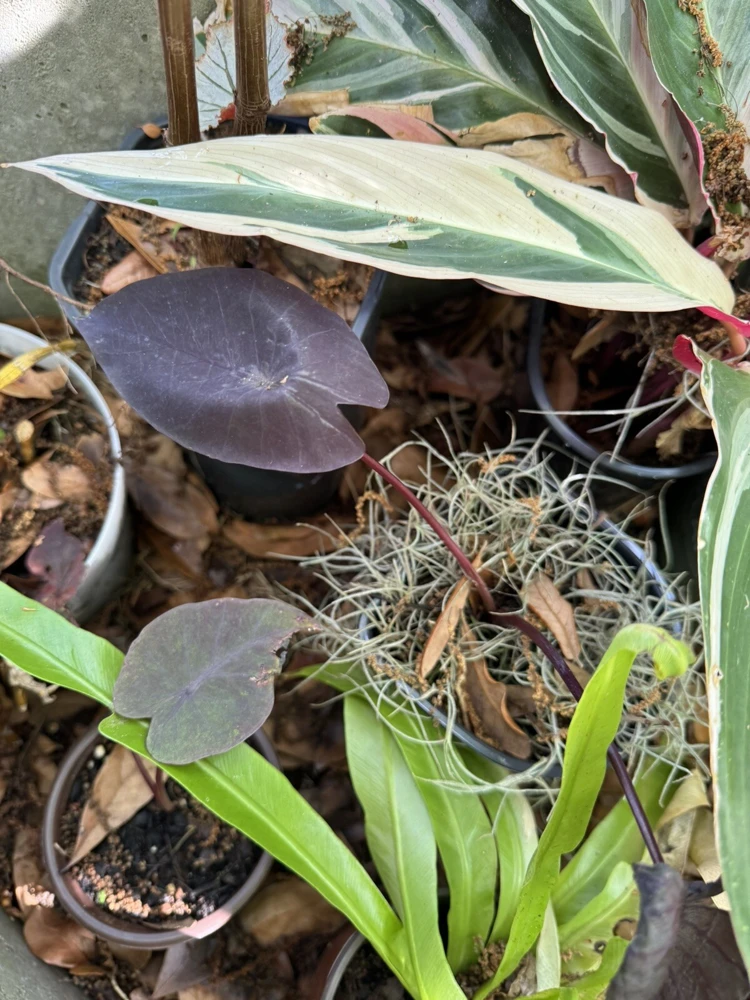
Transform your living space into a tropical oasis with the magnificent black elephant ear live plant. Also known as Alocasia ‘Black Velvet’ or Alocasia Polly, this stunning specimen is celebrated for its incredibly dark, almost black, and velvety foliage. Each leaf is a work of art, featuring prominent silver-green veins that create a striking contrast against the deep, rich background. As a captivating tropical houseplant, the Black Elephant Ear brings an air of exotic elegance and drama to any room. Its unique appearance makes it a focal point in interior design, drawing the eye and sparking conversation. This particular Alocasia variety is a must-have for collectors and those looking to add a touch of the extraordinary to their plant collection. The impressive size and texture of its leaves provide a lush, jungle-like ambiance, making it ideal for creating a vibrant, living decor.
The black elephant ear live plant is a rhizomatous perennial that thrives in warm, humid environments, mimicking its native tropical habitats. While often grown outdoors in warmer climates, it excels as an indoor plant, where its dramatic appearance can be fully appreciated. Its deep coloration is a result of specific cultivation and genetics, making it stand out from more common green-leafed Alocasias. This plant is not just about aesthetics; it also offers a sense of connection to nature, bringing the tranquility and beauty of the tropics right into your home. Its distinctive appearance and relatively straightforward care make it a rewarding plant for both novice and experienced plant parents alike, promising to be a captivating addition to your indoor garden.
Key Benefits
The black elephant ear live plant offers a multitude of benefits beyond its striking appearance, enriching your home environment in several ways:
- Dramatic Visual Appeal: The deep, velvety, almost black foliage with contrasting veins creates an unparalleled visual statement, instantly elevating any room’s aesthetic. It acts as a natural piece of living art, drawing attention and admiration.
- Air Purification: Like many houseplants, the Black Elephant Ear contributes to improved indoor air quality by absorbing common household toxins and releasing fresh oxygen, creating a healthier living space.
- Tropical Ambiance: Its large, dark leaves evoke a lush, jungle-like atmosphere, perfect for bringing a sense of exotic tranquility and warmth to your home, especially during colder months.
- Unique Collector’s Item: For plant enthusiasts, this specific Alocasia variety is highly sought after due to its distinctive coloring and texture, making it a prized addition to any collection.
- Natural Humidity Indicator: Alocasias often ‘sweat’ or drip water from their leaves (guttation) when humidity levels are high, which can be a natural indicator of the air moisture in your home.
- Relatively Low Maintenance: Once its basic needs for light, water, and humidity are met, this tropical houseplant is surprisingly easy to care for, making it suitable for those with busy lifestyles.
- Versatile Decor Element: Its bold appearance makes it suitable for various interior design styles, from modern minimalist to bohemian or classic, adding a sophisticated touch wherever it’s placed.
Plant Care & Growing Tips
Caring for your black elephant ear live plant, or alocasia dark foliage, requires attention to detail to ensure its vibrant health and striking appearance. These tropical beauties thrive in conditions that mimic their natural habitat. For optimal growth, provide bright, indirect light. Direct sunlight can scorch their delicate leaves, causing unsightly brown spots, while too little light can lead to leggy growth and less vibrant coloration. An east-facing window is often ideal, or a spot a few feet away from a south or west-facing window. Rotate the plant periodically to ensure even growth and light exposure on all sides.
When it comes to watering, consistency is key. Keep the soil consistently moist but never waterlogged. Allow the top inch or two of soil to dry out slightly between waterings, then water thoroughly until water drains from the bottom of the pot. Overwatering is a common killer for Alocasias, leading to root rot, so ensure your pot has adequate drainage. These plants also love high humidity, which is crucial for preventing crispy leaf edges and promoting lush growth. Consider placing your plant on a pebble tray with water, using a room humidifier, or misting the leaves regularly, especially during dry winter months. This will help your exotic indoor plant flourish and maintain its beautiful foliage.
The ideal soil for a black elephant ear live plant is a well-draining, airy potting mix rich in organic matter. A mix designed for aroids, containing elements like perlite, orchid bark, and peat moss, works wonderfully. Maintain consistent temperatures between 65-80°F (18-27°C) and avoid sudden temperature fluctuations or cold drafts. Fertilize every 2-4 weeks during the growing season (spring and summer) with a balanced liquid fertilizer diluted to half strength. Reduce feeding during fall and winter when growth slows. Watch out for common pests like spider mites and mealybugs, and address them promptly with insecticidal soap if detected. Understanding these specific needs will help you master alocasia care and enjoy a thriving, beautiful plant.
Size & Details
The black elephant ear live plant typically arrives as a young, robust specimen, ready to adapt to its new home. Depending on its stage of growth, it may reach an average height of 1-3 feet indoors, with individual leaves spanning 6-12 inches across, creating a significant visual impact. Its upright growth habit makes it an excellent choice for floor placement or on a sturdy plant stand, where its dramatic foliage can be admired. This plant grows at a moderate rate, developing new leaves from its central stem under optimal conditions. Each new leaf emerges unfurled, gradually expanding to reveal its full, dark splendor.
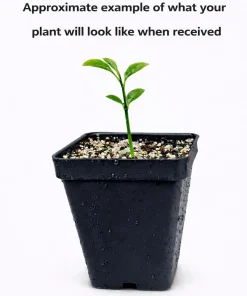
This tropical houseplant is generally shipped in its nursery pot, typically a 4-6 inch container, providing a stable environment for transit and initial growth. When potting up, choose a container that is only one size larger to avoid overwatering issues. The Black Elephant Ear is known for its impressive foliage rather than flowers, which are inconspicuous and rarely seen when grown indoors. With proper alocasia care, you can expect a long-lived and continuously captivating display from this unique plant. It’s important to note that while the plant is stunning, all parts of the Alocasia are considered toxic if ingested, so it should be kept out of reach of pets and children.
Frequently Asked Questions
- Q: How big does this black elephant ear live plant get indoors? A: Indoors, the Black Elephant Ear typically grows to about 1 to 3 feet tall, with leaves that can reach 6 to 12 inches in length. Its ultimate size will depend on growing conditions and the pot size.
- Q: Is this an indoor or outdoor plant? A: While it can be grown outdoors in very warm, humid climates (USDA zones 9-11), it is primarily cultivated as an exotic indoor plant in most regions of the United States due to its tropical nature. It thrives in controlled indoor environments.
- Q: How much sunlight does my alocasia dark foliage need? A: This plant prefers bright, indirect light. Direct sunlight can scorch its leaves, while too little light can cause stunted growth or duller leaf coloration. An east-facing window or a spot several feet from a south or west-facing window is ideal.
- Q: Is this plant easy to care for? A: The Black Elephant Ear is considered moderately easy to care for once its light, humidity, and watering needs are understood. Consistent alocasia care is key, but it’s not overly demanding for those familiar with tropical plants.
- Q: What condition will the plant arrive in? A: Your black elephant ear live plant will be carefully packaged and shipped in its nursery pot, typically in a healthy, vibrant condition, ready to be acclimated to your home. Some minor transit stress is normal but the plant should recover quickly.
- Q: How often should I water my tropical houseplant? A: Water when the top 1-2 inches of soil feel dry to the touch. Ensure thorough watering until water drains from the bottom, then allow excess water to drain completely. Overwatering is detrimental, so err on the side of slightly underwatering.
- Q: Is the black elephant ear live plant pet-safe? A: No, all parts of the Alocasia are considered toxic if ingested by pets or humans. It contains calcium oxalate crystals that can cause irritation. Keep it out of reach of curious pets and small children.
- Q: What kind of soil is best for this Alocasia? A: A well-draining, airy potting mix rich in organic matter is best. Many growers use an aroid mix containing elements like perlite, orchid bark, and peat moss to ensure proper drainage and aeration.
- Q: What are the humidity requirements for alocasia care? A: High humidity is crucial for this plant. Aim for 60-80% humidity. Use a humidifier, pebble tray, or regularly mist the leaves to prevent browning edges and ensure healthy growth.
- Q: Can I put my exotic indoor plant outdoors in the summer? A: If you live in a suitable climate (warm and humid), you can move it outdoors to a shaded or indirectly lit spot during the summer months. Be sure to acclimate it gradually and bring it back inside before temperatures drop below 60°F (15°C).
Be the first to review “Black Elephant Ear Live Plant – Alocasia Dark Foliage Tropical Houseplant”
People Also Viewed

Reviews
There are no reviews yet.