
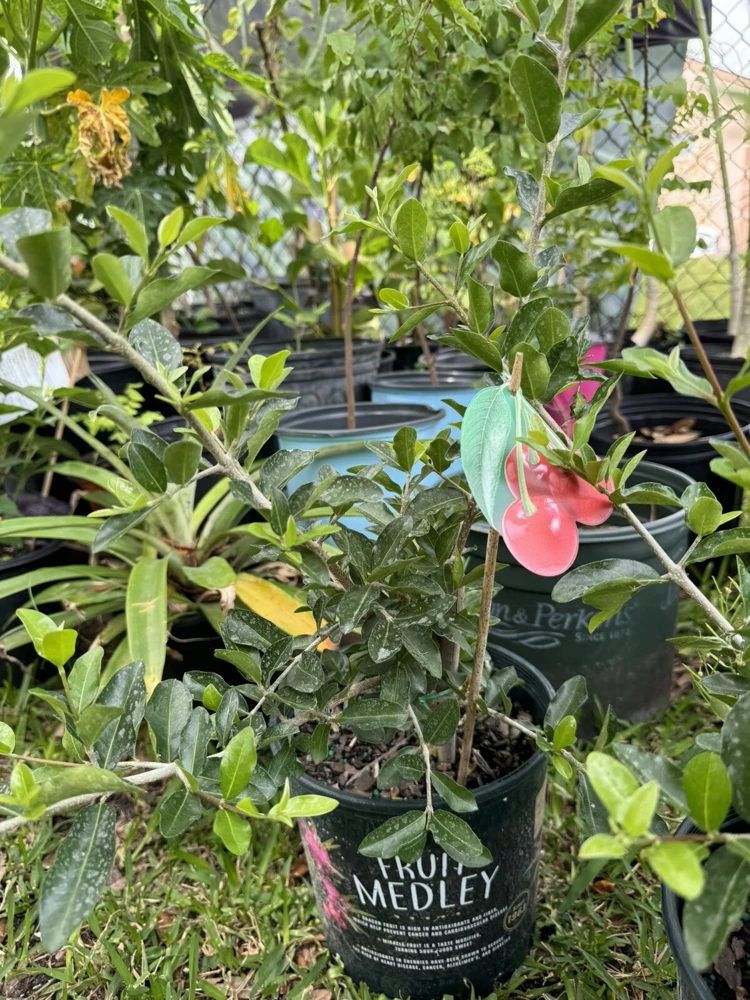
Organic Self-Pollinating Cherry Tree Live Plant – Fruit Tree
Original price was: $60.99.$49.99Current price is: $49.99.
Cultivate your own delicious fruit with an organic cherry tree live plant. This self-pollinating cherry tree is perfect for any fruit tree for home garden, offering convenience and fresh, organic produce.
Estimated arrival
Oct 27
Nov 01 - Nov 03
Nov 06 - Nov 10
Shop With Confidence
30-Day Plant Health Guarantee
Arrives damaged? We’ll replace it free — see our return policy.
Responsive Support
Email us anytime, we reply within 1 business day.
Expert Packaging
Temperature-controlled shipping to protect your plants in transit.
Secure Checkout
Pay safely with Visa, Mastercard, PayPal.
Plant Specifications
-
USDA Hardiness Zone
USDA zones 5-8 -
Soil Type
Well-draining, fertile loam -
Sunlight Exposure
Full sun -
Expected Planting Period
Early spring or early fall
Overview
Introduce the joy of homegrown fruit to your garden with our premium organic cherry tree live plant. This remarkable tree is specifically chosen for its self-pollinating nature, meaning you won’t need a second tree for successful fruit production. Ideal for both novice and experienced gardeners, this fruit tree for home garden offers the satisfaction of harvesting your own delicious, chemical-free cherries. Imagine plucking ripe, juicy cherries directly from your backyard – a true farm-to-table experience. Our live plant arrives ready to be integrated into your landscape, promising years of bountiful harvests and natural beauty. Cherries are a beloved fruit, and growing them organically ensures you’re providing the best for your family and the environment. This particular variety is robust and selected for its adaptability, making it an excellent choice for a wide range of growing conditions across the United States. Embrace sustainable living and fresh produce with this exceptional addition to your outdoor space.
Key Benefits
Adding a organic cherry tree live plant to your garden offers numerous advantages beyond just fresh fruit. This self-pollinating variety simplifies the growing process, ensuring a harvest even if you only have space for one tree. Here are some of the key benefits you can expect:
- Self-Pollinating Convenience: You don’t need to plant multiple trees to ensure fruit production. This self-pollinating cherry tree handles the entire process, making it ideal for smaller gardens or those new to fruit tree cultivation. Enjoy the ease of a single, productive tree.
- Organic Fruit Production: Grow your own cherries free from synthetic pesticides and fertilizers. You control what goes into your food, ensuring a healthy and delicious harvest every season. This is perfect for those who want to grow organic cherries and lead a healthier lifestyle.
- Enhanced Home Value & Aesthetics: A mature cherry tree adds significant beauty and value to your property. Its seasonal blossoms provide stunning visual appeal in spring, followed by lush green foliage and vibrant red fruit, creating an attractive focal point in any landscape.
- Fresh, Delicious Flavor: There’s nothing quite like the taste of freshly picked cherries. Homegrown cherries often boast a superior flavor and texture compared to store-bought options, providing a gourmet experience right in your backyard.
- Wildlife Attraction: The tree’s blossoms and fruit can attract beneficial pollinators and local birds, contributing to a healthy and vibrant ecosystem in your garden. This natural interaction enhances the biodiversity around your home.
- Sustainable Gardening: By growing your own fruit, you reduce reliance on commercial supply chains, minimize your carbon footprint, and contribute to a more sustainable food system. This fruit tree for home garden is a step towards self-sufficiency.
- Educational Opportunity: It serves as a wonderful educational tool for children and adults alike, teaching about plant growth, pollination, and the origins of food. It’s a rewarding experience that connects you with nature.
Plant Care & Growing Tips
To ensure your organic cherry tree live plant thrives and produces abundant fruit, proper care is essential. Cherries generally prefer a climate with distinct seasons, including a cold winter period to satisfy their chilling requirements. Most cherry varieties, including self-pollinating types, thrive in USDA hardiness zones 5-8, though specific varieties may vary. When selecting a site for your self-pollinating cherry tree, aim for a location that receives at least 6-8 hours of direct sunlight daily. Good air circulation is also important to prevent fungal diseases. Dig a hole twice as wide as the root ball and just as deep, ensuring the top of the root ball is level with the ground. Backfill with native soil, amending with compost if your soil is poor.
Watering is crucial, especially during the first few years after planting. Provide deep, consistent watering, ensuring the soil remains moist but not waterlogged. Once established, cherry trees are moderately drought-tolerant but will benefit from irrigation during dry spells, particularly when fruit is developing. The ideal soil for a fruit tree for home garden is well-draining, fertile loam with a pH between 6.0 and 7.0. Avoid heavy clay soils that retain too much water, as this can lead to root rot. Fertilize your cherry tree in early spring before new growth begins, using a balanced organic fertilizer or compost. Pruning is vital for fruit production and tree health; prune in late winter or early spring to remove dead or diseased branches, improve air circulation, and shape the tree. This also helps to grow organic cherries more effectively.
Protecting your cherry tree from pests and diseases is an ongoing task. Common issues include cherry fruit flies, birds, and fungal diseases like brown rot. Organic pest control methods, such as netting to deter birds and diligent orchard hygiene, can help manage these problems. Regular inspection of your tree for any signs of disease or pest infestation will allow for early intervention. Understanding cherry tree care involves patience and observation, but the reward of fresh, organic cherries makes it all worthwhile. Ensure your tree receives adequate nutrients and protection, and it will reward you with delicious fruit for many years.
Size & Details
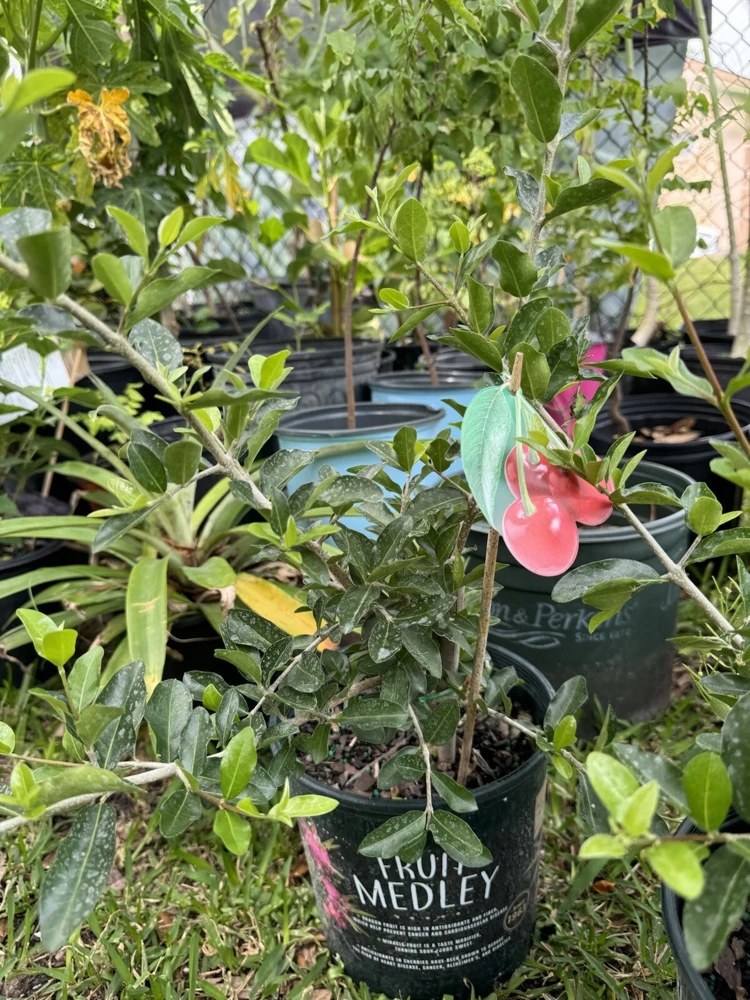
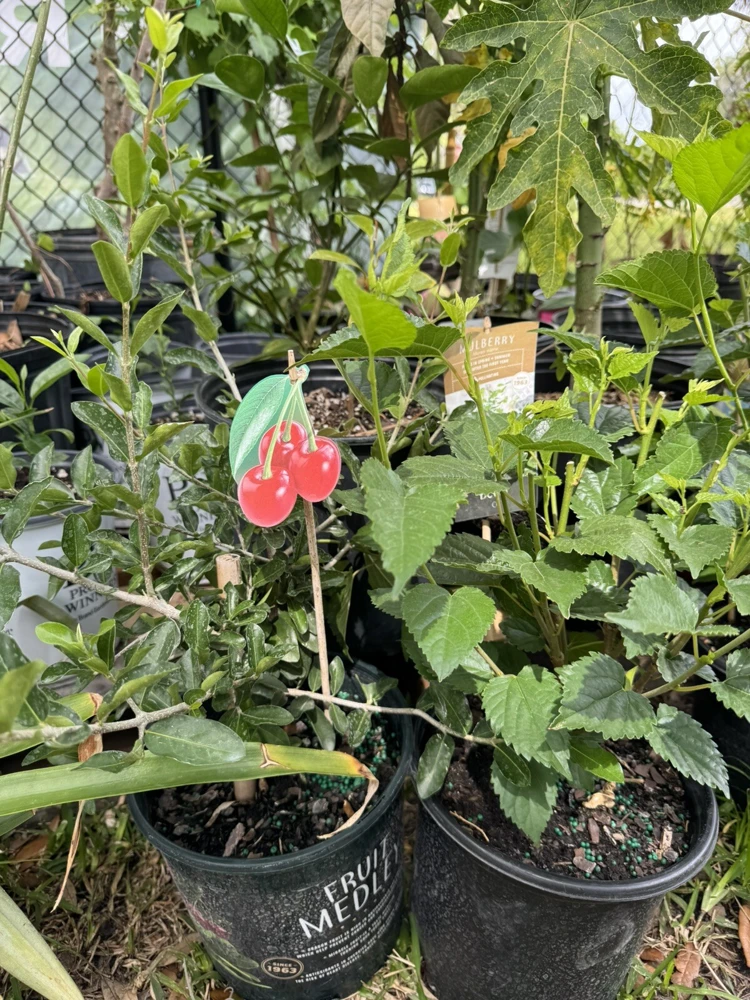
This organic cherry tree live plant is shipped in a nursery pot, ensuring its roots are protected and ready for successful transplanting into your garden. The exact height at shipment will vary depending on the growing season and specific variety, but typically ranges from 1 to 3 feet tall, providing a healthy young tree ready for establishment. Cherry trees are known for their moderate to fast growth rate, and with proper care, you can expect your tree to begin producing fruit within 3-5 years. The mature size of a standard cherry tree can reach 20-30 feet tall and wide, although dwarfing rootstocks can result in smaller trees, often 8-15 feet. This makes it a versatile fruit tree for home garden, adaptable to various garden sizes. The plant will arrive with established roots and healthy foliage, packed carefully to minimize stress during transit. Prepare your planting site before arrival to ensure a smooth transition for your new tree.
Frequently Asked Questions
- Q: How big does this plant get? A: A standard organic cherry tree live plant can grow 20-30 feet tall and wide at maturity. However, if grafted onto a dwarfing rootstock, it may only reach 8-15 feet, making it suitable for smaller spaces.
- Q: Is this an indoor or outdoor plant? A: This is an outdoor fruit tree designed to thrive in a garden or orchard setting. It requires outdoor conditions to properly establish, grow, and bear fruit.
- Q: How much sunlight does it need? A: To ensure optimal growth and fruit production, your self-pollinating cherry tree needs at least 6-8 hours of direct sunlight per day. Choose a sunny location in your garden.
- Q: Is this plant easy to care for? A: Cherry trees require consistent care, especially during their establishment phase. While not strictly beginner-level, with proper guidance on watering, pruning, and protection, growing an organic cherry tree live plant is a rewarding experience for most gardeners.
- Q: What condition will it arrive in? A: Your live plant will arrive in a nursery pot, with its roots protected and foliage healthy. It will be carefully packaged to ensure it withstands transit and arrives ready for planting.
- Q: How long until it blooms and produces fruit? A: With good cherry tree care, your tree typically begins to bloom and produce fruit within 3-5 years after planting. Fruit production will increase as the tree matures.
- Q: Can I really grow organic cherries with this tree? A: Yes! This plant provides the foundation for organic cherry production. By using organic fertilizers, pest control methods, and proper growing practices, you can successfully grow organic cherries.
- Q: What is the best time to plant this cherry tree? A: The best time to plant a cherry tree is generally in early spring after the last threat of frost, or in early fall before the ground freezes, allowing the roots to establish before extreme weather.
- Q: Will it survive winter in my zone? A: Cherry trees typically thrive in USDA hardiness zones 5-8. If your zone falls within this range, and with proper winter protection for young trees, it should survive. Consult a local extension office for specific regional advice on fruit tree for home garden varieties.
- Q: What kind of soil is best for cherry trees? A: Cherry trees prefer well-draining, fertile, loamy soil with a pH between 6.0 and 7.0. Avoid heavy clay or overly sandy soils.
Be the first to review “Organic Self-Pollinating Cherry Tree Live Plant – Fruit Tree”
People Also Viewed

Reviews
There are no reviews yet.