
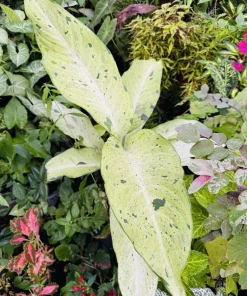
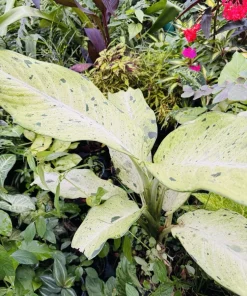
Dieffenbachia Live Plant – Dumb Cane Tropical Indoor Houseplant
Original price was: $84.99.$69.99Current price is: $69.99.
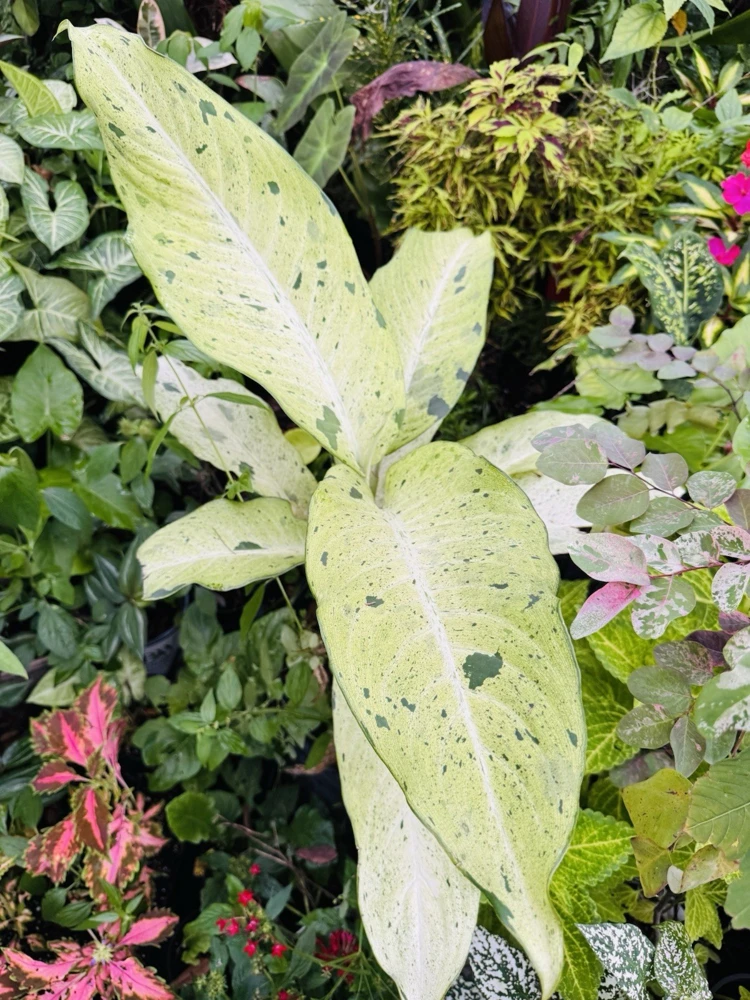
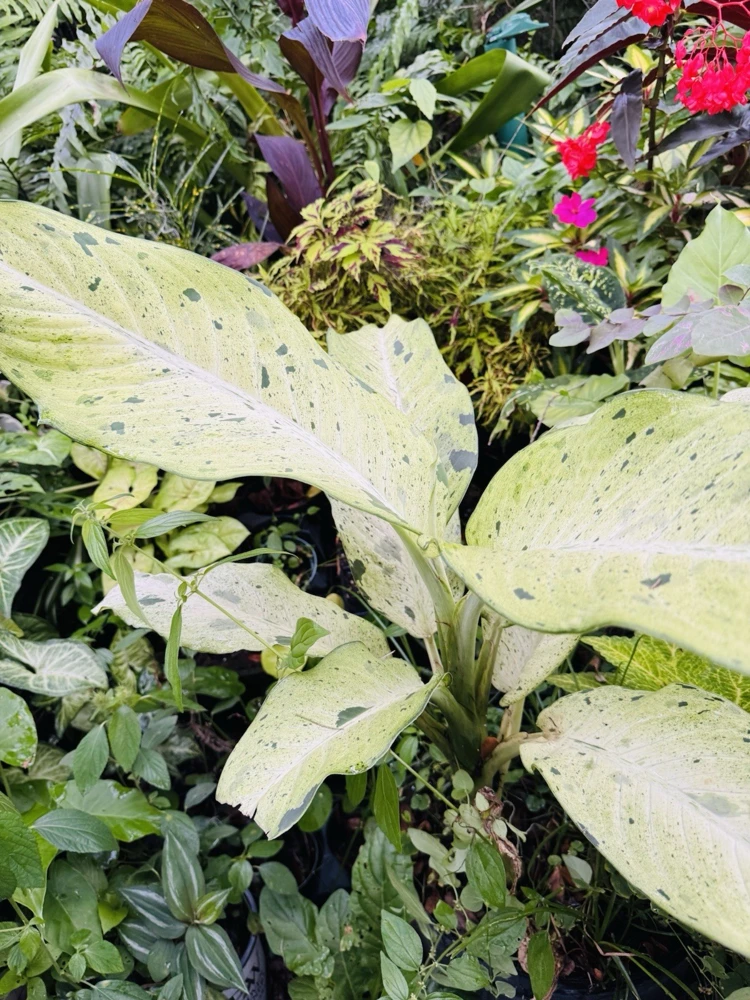
Bring lush tropical beauty indoors with this dieffenbachia live plant. Also known as dumb cane houseplant or leopard lily, it’s perfect for adding a touch of nature to any room. Enjoy its vibrant foliage and easy-care nature.
Estimated arrival
Oct 27
Nov 01 - Nov 03
Nov 06 - Nov 10
Shop With Confidence
30-Day Plant Health Guarantee
Arrives damaged? We’ll replace it free — see our return policy.
Responsive Support
Email us anytime, we reply within 1 business day.
Expert Packaging
Temperature-controlled shipping to protect your plants in transit.
Secure Checkout
Pay safely with Visa, Mastercard, PayPal.
Plant Specifications
-
USDA Hardiness Zone
unknown -
Soil Type
well-draining potting mix -
Sunlight Exposure
bright indirect light -
Expected Planting Period
year-round indoors
Overview
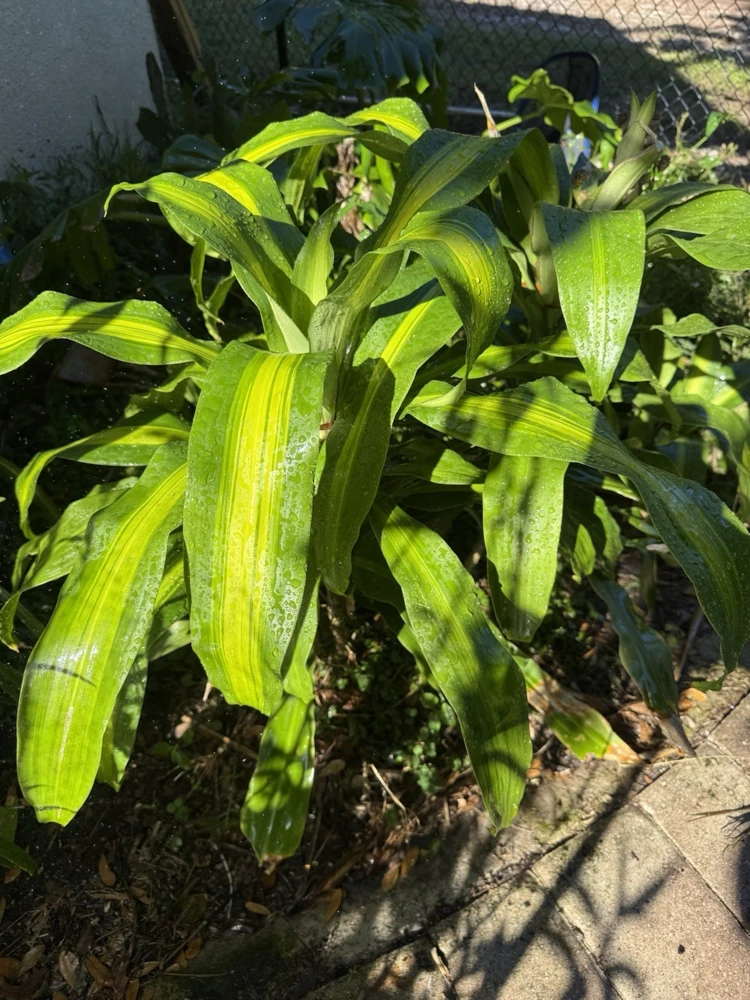
Transform your living space with the vibrant and striking beauty of a dieffenbachia live plant. This popular tropical indoor houseplant, commonly known as Dumb Cane or Leopard Lily, is celebrated for its large, ornamental leaves featuring beautiful patterns of green, cream, and yellow. Originating from the tropical rainforests of the Americas, the Dieffenbachia brings an exotic touch to any interior design scheme. As a dumb cane houseplant, it’s not just visually appealing; it also contributes to a healthier indoor environment by purifying the air. Each plant is carefully cultivated to ensure it arrives healthy and ready to thrive in its new home, making it an excellent choice for both seasoned plant enthusiasts and new gardeners alike.
The Dieffenbachia genus is known for its diverse species, each offering slightly different leaf patterns and sizes, but all share the characteristic lush foliage that makes them so desirable. This particular dieffenbachia live plant is a fantastic way to introduce a splash of tropical vibrancy and natural elegance into your home or office. Its relatively straightforward care requirements make it a rewarding plant to grow, providing continuous beauty with minimal fuss. Embrace the lush appeal of this stunning plant and enjoy the serene atmosphere it creates.
Key Benefits
Investing in a dieffenbachia live plant offers a multitude of benefits beyond its stunning aesthetics. This tropical houseplant is more than just a decorative item; it’s a living element that enhances your well-being and environment.
- Enhanced Indoor Aesthetics: The Dieffenbachia’s large, variegated leaves provide a dramatic focal point, adding a vibrant splash of green, cream, and yellow to any room. Its lush foliage can instantly brighten up dull corners and complement various decor styles.
- Air Purification: Like many houseplants, the dumb cane houseplant is known for its ability to filter indoor air pollutants, contributing to a cleaner and healthier living or working environment. It helps remove toxins, improving air quality naturally.
- Relatively Easy Care: Despite its exotic appearance, Dieffenbachia is considered a relatively low-maintenance plant, making it suitable for busy individuals or those new to plant care. With basic attention to light and watering, it thrives beautifully.
- Versatile Placement: Its adaptability to various light conditions (avoiding direct sun) means you can place this tropical indoor plant in many areas of your home, from bright living rooms to more shaded bedrooms, as long as its needs are met.
- Year-Round Beauty: Unlike flowering plants that have seasonal blooms, the Dieffenbachia offers consistent, vibrant foliage throughout the entire year, ensuring your space always feels fresh and lively.
- Stress Reduction: Studies suggest that having plants indoors can reduce stress levels and improve mood. Caring for a leopard lily plant care routine can be a calming and rewarding hobby.
Plant Care & Growing Tips
Caring for your dieffenbachia live plant is straightforward, ensuring it remains a vibrant and healthy addition to your home. Understanding its basic needs will help it thrive. When it comes to lighting, Dieffenbachia prefers bright, indirect light. Direct sunlight can scorch its delicate leaves, causing discoloration. An east or west-facing window is often ideal, or a few feet away from a south-facing window where light is diffused. Insufficient light, however, can lead to leggy growth and less vibrant leaf patterns, so finding the right balance is key for a healthy dumb cane houseplant.
Watering is crucial for this tropical indoor plant. Allow the top inch or two of the soil to dry out completely between waterings. Overwatering is a common mistake and can lead to root rot, which is detrimental to the plant’s health. Conversely, allowing the soil to dry out too much can cause the leaves to droop. A good indicator is to feel the soil with your finger; if it’s dry to the touch, it’s time to water. Dieffenbachia also appreciates high humidity, mimicking its natural tropical habitat. You can increase humidity by misting the leaves regularly, placing the pot on a pebble tray with water, or using a humidifier. The ideal temperature range for this common houseplant is between 65-75°F (18-24°C). Avoid exposing it to cold drafts or temperatures below 60°F (15°C), as this can damage the foliage. Fertilize your Dieffenbachia every 2-4 weeks during the growing season (spring and summer) with a balanced liquid houseplant fertilizer diluted to half strength. Reduce feeding in fall and winter when growth slows. Pruning can be done to maintain shape and size, or to remove any yellowing or damaged leaves. Always wear gloves when handling Dieffenbachia, as its sap can be irritating.
Size & Details
This dieffenbachia live plant typically arrives as a well-established specimen, ready to be displayed in your home. The exact size will vary, but it is generally a compact to medium-sized plant, ideal for tabletops, desks, or as a floor plant in a decorative pot. Dieffenbachia is known for its relatively fast growth rate under optimal conditions, often reaching heights of 2 to 3 feet indoors, though some varieties can grow taller. The plant is shipped in a nursery pot, ensuring its roots are protected and it has sufficient moisture during transit. Upon arrival, it will be ready for immediate placement or repotting into a larger decorative container if desired. Its lush foliage and distinctive patterns make it an immediate standout. With consistent leopard lily plant care, you can expect continuous healthy growth and vibrant leaf production, bringing lasting tropical charm to your indoor environment.
Frequently Asked Questions
- Q: How big does this dieffenbachia live plant get? A: Indoors, Dieffenbachia typically grows to a height of 2 to 3 feet, though some varieties can reach up to 5 feet. Its width can also be substantial, making it a prominent feature.
- Q: Is this an indoor or outdoor plant? A: This is primarily an tropical indoor plant. While it enjoys warm, humid conditions, it is not tolerant of cold temperatures and prefers the consistent environment of indoor settings.
- Q: How much sunlight does a dumb cane houseplant need? A: Dieffenbachia thrives in bright, indirect light. Direct sunlight can scorch its leaves, while too little light can cause leggy growth and faded leaf patterns.
- Q: Is this plant easy to care for? A: Yes, Dieffenbachia is considered relatively easy to care for, making it a good choice for beginners. Consistent watering and appropriate light are the main requirements for healthy growth.
- Q: What condition will the dieffenbachia live plant arrive in? A: Your plant will arrive healthy and well-packaged in a nursery pot, with care taken to protect its foliage and root system during shipping.
- Q: Is the leopard lily plant care routine suitable for beginners? A: Absolutely. The care requirements for a leopard lily are quite forgiving, making it an excellent choice for those new to indoor plant care who want a beautiful, low-maintenance plant.
- Q: How often should I water my Dieffenbachia? A: Water when the top 1-2 inches of soil feel dry to the touch. Overwatering can lead to root rot, so it’s better to slightly under-water than over-water.
- Q: What kind of soil does this common houseplant prefer? A: Dieffenbachia prefers a well-draining potting mix. A standard houseplant soil amended with perlite or orchid bark can provide good drainage and aeration.
- Q: Can Dieffenbachia purify the air? A: Yes, Dieffenbachia is known to help purify indoor air by removing common household toxins, contributing to a healthier living environment.
- Q: What is the ideal temperature for a Dieffenbachia? A: This tropical plant prefers temperatures between 65-75°F (18-24°C). Avoid placing it in areas with cold drafts or temperatures below 60°F (15°C).
Be the first to review “Dieffenbachia Live Plant – Dumb Cane Tropical Indoor Houseplant”
People Also Viewed


Flower Seeds
Coleus Seeds – Rare Blue, Black, Green Foliage – 50+ Seed Pack – Indoor/Outdoor Garden Accent

Reviews
There are no reviews yet.