

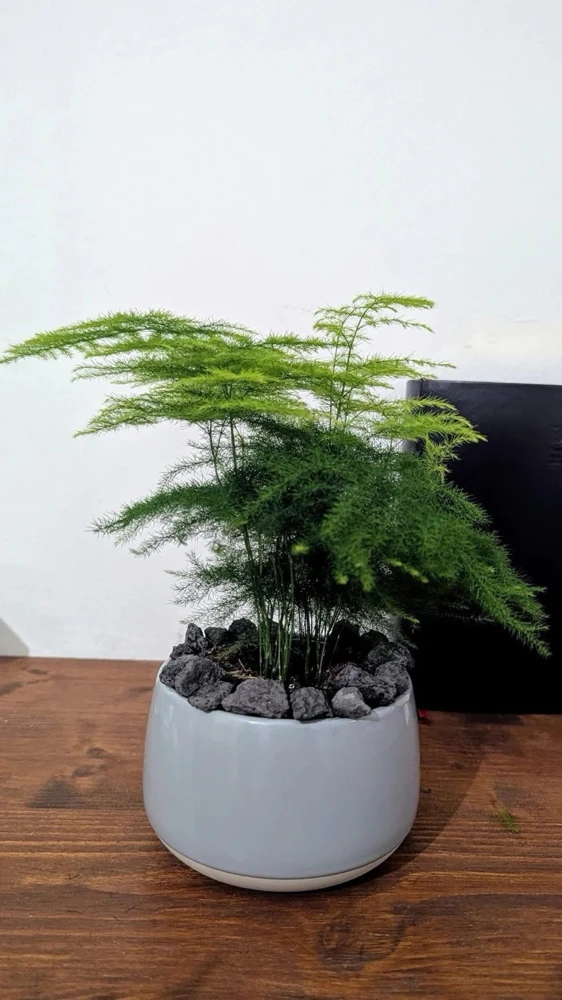
Asparagus Fern Live Plant – Plumosa Fern Indoor Outdoor Houseplant
Original price was: $43.99.$35.99Current price is: $35.99.
Bring delicate charm to your space with this asparagus fern live plant. Also known as plumosa fern indoor, it’s a versatile houseplant perfect for adding lush, feathery foliage both indoors and outdoors. Enjoy its elegant appearance and relatively easy care fern nature.
Estimated arrival
Oct 27
Nov 01 - Nov 03
Nov 06 - Nov 10
Shop With Confidence
30-Day Plant Health Guarantee
Arrives damaged? We’ll replace it free — see our return policy.
Responsive Support
Email us anytime, we reply within 1 business day.
Expert Packaging
Temperature-controlled shipping to protect your plants in transit.
Secure Checkout
Pay safely with Visa, Mastercard, PayPal.
Plant Specifications
-
USDA Hardiness Zone
USDA zones 9–11 (outdoors) -
Soil Type
Well-draining potting mix -
Sunlight Exposure
Bright indirect light -
Expected Planting Period
Year-round indoors, spring to early summer outdoors
Overview
Introduce a touch of timeless elegance and natural beauty to your home or garden with this exquisite asparagus fern live plant. Known for its delicate, feathery foliage, the Plumosa Fern (Asparagus setaceus) is a popular choice among plant enthusiasts and beginners alike. Despite its common name, the Asparagus Fern is not a true fern but rather a member of the lily family, closely related to asparagus. Its airy, lace-like fronds create a soft, ethereal appearance that can transform any indoor space into a serene green oasis or add a whimsical texture to outdoor container arrangements. This adaptable and visually appealing plant is an excellent way to enhance your living environment with vibrant, living greenery.
The asparagus fern live plant is celebrated for its vigorous growth and ability to thrive in various conditions, making it a highly rewarding addition to your plant collection. Its graceful arching stems, adorned with tiny, needle-like leaves, cascade beautifully, making it ideal for hanging baskets, shelves, or as an underplanting in larger containers. Whether you’re looking to add a natural decorative element to your home, office, or patio, the Plumosa Fern offers unique texture and a refreshing pop of green. Its resilience and striking appearance make it a favorite for both novice and experienced gardeners seeking a low-maintenance yet impactful plant.
Key Benefits
The asparagus fern live plant offers a multitude of benefits, making it an excellent choice for a wide range of settings. Its aesthetic appeal is undeniable, but it also contributes positively to your environment and well-being. Discover why this versatile plant is a must-have:
- Elegant Decorative Appeal: The fine, lacy foliage of the Plumosa Fern creates a sophisticated and airy display. It softens harsh lines and adds a delicate texture that complements various decor styles, from modern minimalist to classic traditional. Its cascading habit makes it perfect for adding visual interest to elevated surfaces.
- Versatile Placement: This plant thrives both as a charming plumosa fern indoor houseplant and an attractive outdoor accent. It can be grown in hanging baskets, pots, or even in shaded garden beds in appropriate climates, offering flexibility in how you choose to display it.
- Air Purification Qualities: Like many houseplants, the Asparagus Fern contributes to improved indoor air quality by absorbing common airborne toxins. It helps to create a fresher and healthier living environment, promoting a sense of well-being.
- Relatively Easy Care: Despite its delicate appearance, the common fern plant is surprisingly robust and forgiving. It doesn’t demand constant attention, making it an ideal choice for busy individuals or those new to plant care. Its adaptability ensures it can withstand minor fluctuations in its environment.
- Lush Greenery Year-Round: With proper care, the Asparagus Fern maintains its vibrant green foliage throughout the year. It provides continuous visual interest and a constant connection to nature, even during colder months when outdoor plants may be dormant.
- Adds Texture and Depth: The unique, feather-like fronds add a distinctive textural element to any plant arrangement. It contrasts beautifully with plants that have broader leaves, creating dynamic and visually rich compositions.
- Fast Growing: Under optimal conditions, the Asparagus Fern grows relatively quickly, allowing you to enjoy a full, lush plant in a shorter amount of time. This rapid growth can be very satisfying for gardeners who love to see their plants flourish.
Plant Care & Growing Tips
Caring for your asparagus fern live plant is straightforward, making it an enjoyable experience for gardeners of all levels. Understanding its basic needs will ensure your Plumosa Fern remains vibrant and healthy, contributing its unique beauty to your home or garden for years to come. One of the primary considerations for this plant is its light requirements. While it appreciates bright light, direct scorching sunlight can damage its delicate fronds. Instead, aim for bright, indirect light when grown indoors, such as near an east or north-facing window, or a few feet away from a south or west-facing window. If placed outdoors, ensure it’s in a shaded or partially shaded location, especially during the hottest parts of the day. Too little light can lead to sparse growth, while too much sun can cause the foliage to yellow or brown.
Watering is another crucial aspect of asparagus fern care. This plant prefers consistently moist soil, but it’s essential to avoid waterlogging, which can lead to root rot. Water thoroughly when the top inch of soil feels dry to the touch, allowing excess water to drain completely from the bottom of the pot. Reduce watering slightly during the cooler, dormant months. Humidity is also beneficial for this plant, especially when grown as a plumosa fern indoor. Misting the foliage occasionally, placing the pot on a pebble tray with water, or using a humidifier can help create a more favorable environment. For soil, a well-draining, all-purpose potting mix is generally suitable. The USDA hardiness zones for outdoor cultivation are typically 9-11, where it can be grown as a perennial. In colder climates, it’s best treated as an annual or brought indoors before the first frost.
Fertilization can support vigorous growth during the active growing season. Feed your Asparagus Fern with a balanced liquid fertilizer diluted to half strength every 2-4 weeks from spring through early fall. Reduce or stop fertilizing during winter. Pruning can help maintain its shape and remove any yellowed or leggy growth, encouraging a bushier habit. Watch out for common pests like spider mites or mealybugs, especially in dry indoor environments; regular inspection and appropriate treatment can keep them at bay. With these simple tips, your easy care fern will thrive and continue to beautify your space.
Size & Details
This asparagus fern live plant typically arrives as a well-established specimen, ready to be transplanted into your preferred decorative pot or garden spot. While specific dimensions can vary, these plants are generally shipped in a nursery pot, ensuring the root system is protected and healthy for transit. Upon arrival, the plant will feature its characteristic lacy, light green foliage, indicating its readiness to grow and flourish in its new home. The mature size of an Asparagus Fern can vary significantly depending on growing conditions and whether it’s kept indoors or outdoors. Indoors, it can reach heights of 1-3 feet with a similar spread, creating a beautiful cascading effect. Outdoors in suitable climates, it can grow larger, sometimes forming dense clumps up to several feet wide and tall, especially when allowed to trail.
The growth rate of the Plumosa Fern is moderate to fast under ideal conditions, meaning you won’t have to wait long to enjoy its full, lush appearance. It’s an excellent choice for adding instant volume and texture to your plant arrangements. This plant is often appreciated for its delicate yet robust nature, making it a reliable choice for adding year-round greenery. Expect to receive a healthy, actively growing plant that, with proper care, will quickly adapt and begin to fill out, becoming a captivating focal point wherever it’s placed. Its unique texture and vibrant color make it a standout among other foliage plants.
Frequently Asked Questions
- Q: How big does this asparagus fern live plant get? A: Indoors, an Asparagus Fern typically grows to about 1-3 feet tall and wide, creating a beautiful trailing or upright display. Outdoors in suitable climates (USDA zones 9-11), it can grow larger, sometimes forming dense clumps.
- Q: Is this an indoor or outdoor plant? A: The plumosa fern indoor is highly versatile and can thrive both indoors as a houseplant and outdoors in shaded or partially shaded areas in warmer climates. In colder regions, it’s best to bring it inside during winter.
- Q: How much sunlight does the Asparagus Fern need? A: This plant prefers bright, indirect light. Avoid direct, harsh sunlight, which can scorch its delicate fronds. A location with filtered light or morning sun is ideal for optimal growth.
- Q: Is this plant easy to care for? A: Yes, the easy care fern is known for being relatively low-maintenance. It’s quite forgiving and adaptable, making it a great choice for both beginner and experienced plant enthusiasts.
- Q: What kind of soil is best for an Asparagus Fern? A: A well-draining, general-purpose potting mix is ideal for the Asparagus Fern. Ensure the pot has drainage holes to prevent waterlogging.
- Q: How often should I water my common fern plant? A: Water when the top inch of soil feels dry to the touch. Keep the soil consistently moist but never soggy. Reduce watering slightly during the cooler months.
- Q: Is the Asparagus Fern safe for pets? A: The Asparagus Fern (Asparagus setaceus) is considered toxic to pets if ingested, causing gastrointestinal upset and skin irritation. It’s best to keep it out of reach of curious animals.
- Q: Will this plant arrive in soil? A: Yes, your asparagus fern live plant will typically arrive in its nursery pot with soil, ensuring its roots are protected and the plant is healthy and ready for its new home.
- Q: What is the best time to plant or repot an Asparagus Fern? A: The best time to plant or repot is usually in spring or early summer when the plant is actively growing. This allows it to establish itself quickly in its new environment.
- Q: How can I encourage my Asparagus Fern to be bushier? A: Regular pruning of older, leggy, or yellowing stems can encourage new growth from the base, leading to a fuller, bushier plant. Ensure it receives adequate light and nutrients.
Be the first to review “Asparagus Fern Live Plant – Plumosa Fern Indoor Outdoor Houseplant”
People Also Viewed
Reviews
There are no reviews yet.