
Begonia Live Plant – Colorful Flowering Indoor & Outdoor Houseplant
Original price was: $34.99.$27.99Current price is: $27.99.
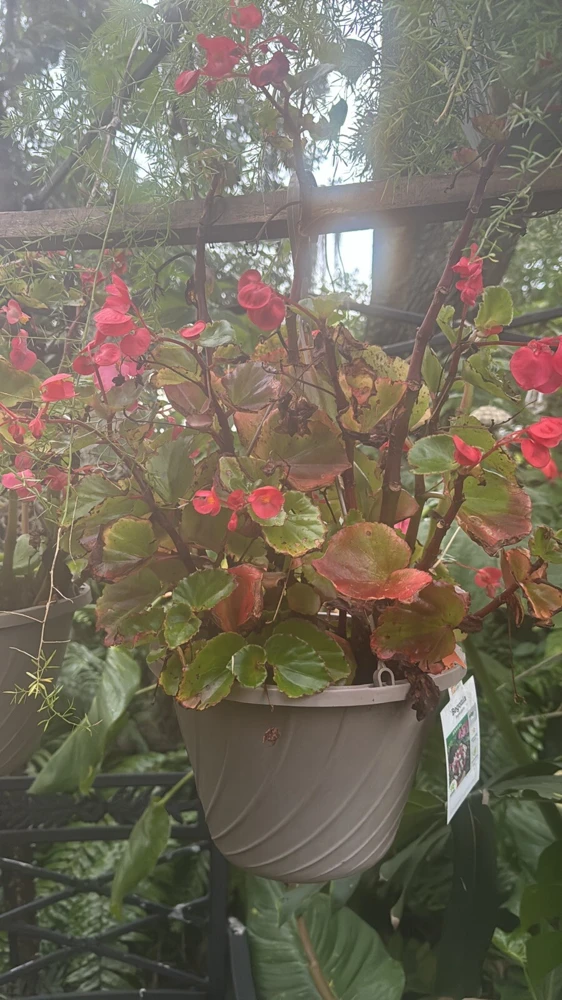
Bring vibrant color and lush foliage to your home or garden with this stunning begonia live plant. Known for its beautiful flowers and striking leaves, this versatile plant thrives both indoors as a houseplant and outdoors in containers or garden beds. Easy to care for and visually captivating.
Estimated arrival
Oct 27
Nov 01 - Nov 03
Nov 06 - Nov 10
Shop With Confidence
30-Day Plant Health Guarantee
Arrives damaged? We’ll replace it free — see our return policy.
Responsive Support
Email us anytime, we reply within 1 business day.
Expert Packaging
Temperature-controlled shipping to protect your plants in transit.
Secure Checkout
Pay safely with Visa, Mastercard, PayPal.
Plant Specifications
-
USDA Hardiness Zone
USDA zones 9-11 (outdoors), year-round indoors -
Soil Type
Well-draining, rich potting mix -
Sunlight Exposure
Bright indirect light / Partial shade -
Expected Planting Period
Year-round indoors, spring to summer outdoors
Overview
Introducing the magnificent begonia live plant, a true gem for any plant enthusiast. This versatile and vibrant plant is celebrated for its stunning foliage and prolific, colorful blooms, making it an ideal choice for adding a touch of elegance and cheer to any space. Whether you’re looking to brighten up your living room, adorn your patio, or enhance your garden landscape, the begonia offers unparalleled beauty. As a popular flowering houseplant, it is known for its ability to thrive in various conditions, offering a continuous display of charm. Begonias, belonging to the genus Begonia, are a diverse group with thousands of species and hybrids, each offering unique leaf patterns and flower shapes. This particular variety provides a dazzling array of colors, ensuring it will be a focal point wherever it’s placed. Embrace the joy of growing a plant that is as resilient as it is beautiful, perfect for both seasoned gardeners and beginners alike.
Cultivating a begonia live plant means inviting a piece of tropical paradise into your environment. These plants are native to subtropical and tropical regions, which explains their love for warmth and humidity. However, many modern hybrids have been developed to be incredibly adaptable, flourishing in a range of indoor and outdoor settings. Their distinctive asymmetrical leaves and often waxy texture add to their unique appeal. The flowering capabilities of begonias are truly remarkable, producing blooms that can last for extended periods, providing consistent visual interest. This makes them an excellent choice for continuous color in your home or garden. With proper care, your begonia will reward you with an abundance of vibrant flowers and healthy, attractive foliage.
Key Benefits
The begonia live plant offers a multitude of benefits, making it a highly desirable addition to any plant collection. Its aesthetic appeal is undeniable, but beyond its beauty, begonias provide several advantages that contribute to a more pleasant living environment.
- Vibrant Aesthetic Appeal: Begonias are renowned for their spectacular flowers that come in a wide array of colors, including reds, pinks, oranges, yellows, and whites. Their foliage is equally captivating, often featuring intricate patterns, varying textures, and shades of green, bronze, or even silver. This combination ensures year-round visual interest and a burst of vibrant color wherever they are placed.
- Versatile Placement: This plant is incredibly adaptable, thriving both as an indoor houseplant and as an outdoor container or garden plant. Its ability to flourish in diverse environments makes it suitable for patios, balconies, windowsills, and garden beds, allowing you to enjoy its beauty in multiple settings.
- Extended Blooming Season: Unlike many seasonal flowers, begonias often boast a long blooming period, sometimes flowering nearly year-round in ideal conditions. This provides continuous color and beauty, ensuring your space remains lively and attractive for months on end.
- Air Purification: Like many houseplants, begonias contribute to a healthier indoor environment by helping to purify the air. They can absorb certain pollutants, aiding in the creation of fresher, cleaner air in your home or office.
- Relatively Low Maintenance: While they appreciate consistent care, many begonia varieties are surprisingly easy to maintain. With a good understanding of their light and watering needs, even novice gardeners can successfully grow a thriving begonia live plant.
- Diverse Varieties: The genus Begonia is vast, offering a huge selection of types, from fibrous-rooted to tuberous and rhizomatous. This variety means there’s a begonia to suit nearly every preference, whether you prefer flashy flowers or unique foliage.
- Compact Growth Habit: Many begonia varieties maintain a manageable size, making them perfect for smaller spaces or as part of a larger plant arrangement. Their compact nature allows them to fit beautifully on shelves, desks, or in hanging baskets.
Plant Care & Growing Tips
Caring for your begonia live plant involves understanding its specific needs for light, water, soil, and temperature. With the right conditions, your begonia will flourish and provide continuous beauty. For an indoor begonia, bright, indirect light is often best. Place it near an east or west-facing window where it can receive ample light without direct, harsh afternoon sun, which can scorch its leaves. If growing outdoors, choose a location with partial shade, especially in warmer climates, to protect it from intense midday sun. Too little light can lead to leggy growth and fewer blooms, while too much direct sun can cause leaf burn.
Watering is crucial for a healthy begonia. The key is to keep the soil consistently moist but never waterlogged. Allow the top inch of soil to dry out slightly before watering again. Overwatering can lead to root rot, a common issue for begonias. Ensure your pot has good drainage holes. Humidity is also important, especially for an indoor begonia. You can increase humidity by placing the pot on a pebble tray filled with water or by misting the leaves regularly. As for soil, begonias prefer a well-draining, rich potting mix. A mix that contains peat moss, perlite, and compost works well, providing both good drainage and nutrients. Fertilize every 2-4 weeks during the growing season (spring and summer) with a balanced liquid fertilizer diluted to half strength. Reduce or stop fertilizing during the dormant period in fall and winter.
Begonias generally thrive in temperatures between 65-75°F (18-24°C). Protect them from cold drafts and temperatures below 50°F (10°C), which can be damaging. Most begonias are not cold-hardy and are typically grown as annuals outdoors in colder climates, or brought indoors before the first frost. Common problems include powdery mildew, which can be prevented by good air circulation and avoiding overhead watering. Pest issues like spider mites or mealybugs can be managed with insecticidal soap. Regular inspection and prompt action are key to keeping your begonia plant care routine effective and your plant healthy.
Size & Details
This begonia live plant typically arrives as a young, healthy specimen, ready to establish itself in its new environment. While exact dimensions can vary, you can generally expect a plant that is well-rooted and actively growing, often measuring between 6 to 12 inches in height upon arrival, depending on the variety and growth stage. It will be shipped in a nursery pot, usually a 4-inch or 6-inch container, ensuring its roots are protected and moist during transit. The growth rate of begonias can be moderate to fast, allowing them to quickly fill out and produce abundant blooms with proper care. They can reach mature sizes of 12-24 inches tall and wide, making them a substantial yet manageable plant for various settings.
The form in which the plant ships will be a carefully packaged, rooted live plant in its nursery container. This ensures minimal stress during shipping and allows for easy transplanting upon arrival. Expect the first significant blooms within a few weeks to a couple of months after planting, provided it receives appropriate light and nutrients. This particular variety is known for its robust growth and continuous flowering habit, promising a display of vibrant colors for an extended period. With consistent care, this flowering houseplant will become a cherished part of your collection.
Frequently Asked Questions
- Q: How big does this begonia live plant get? A: While sizes can vary by variety, most begonias typically grow to about 12-24 inches tall and wide at maturity, making them a great size for pots and garden beds. They are compact enough for indoor spaces but can also make a statement outdoors.
- Q: Is this an indoor or outdoor plant? A: This begonia is versatile and can thrive as both an indoor begonia houseplant and an outdoor begonia in containers or garden beds, especially in warmer climates. If you live in a region with cold winters, it’s best to bring outdoor begonias inside before the first frost.
- Q: How much sunlight does it need? A: Begonias prefer bright, indirect light. Indoors, an east or west-facing window is ideal. Outdoors, choose a spot with partial shade to protect the leaves from harsh afternoon sun. Too much direct sun can cause leaf scorch, while too little can reduce blooming.
- Q: Is this plant easy to care for? A: Yes, many begonia varieties are considered relatively easy to care for, making them suitable for beginners. Consistent watering, good drainage, and appropriate light are the main keys to successful begonia plant care.
- Q: What condition will it arrive in? A: Your begonia will arrive as a healthy, rooted live plant in its nursery pot, carefully packaged to ensure its safety and vitality during transit. It will be ready for planting or repotting upon arrival.
- Q: How often should I water my begonia? A: Water your begonia when the top inch of soil feels dry to the touch. It’s important to keep the soil consistently moist but never waterlogged to prevent root rot. Adjust watering frequency based on humidity and temperature.
- Q: Will it survive winter in my zone? A: Begonias are generally not cold-hardy and are best suited for USDA zones 9-11 if planted outdoors year-round. In colder zones, they should be treated as annuals or brought indoors during winter to protect them from freezing temperatures.
Be the first to review “Begonia Live Plant – Colorful Flowering Indoor & Outdoor Houseplant”
People Also Viewed

Reviews
There are no reviews yet.