


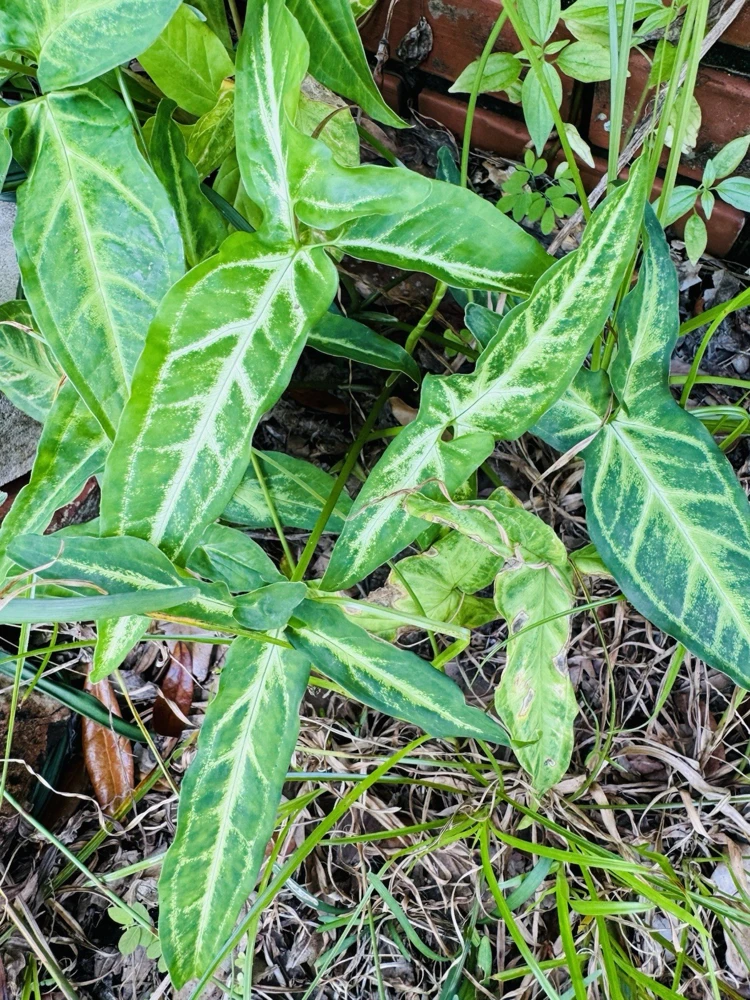
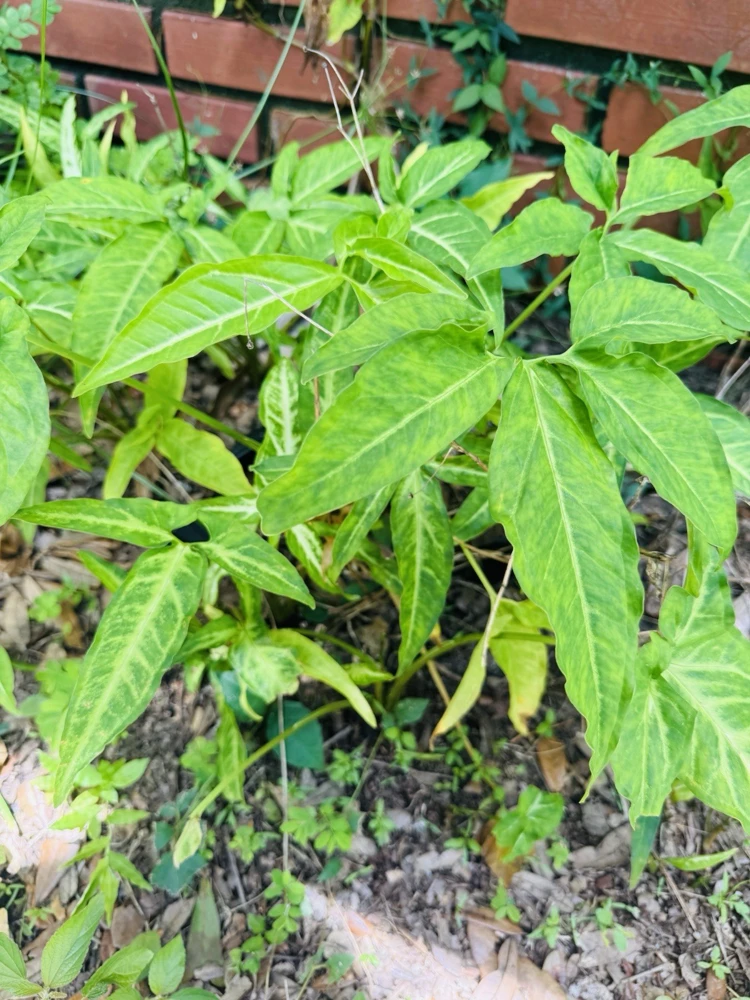
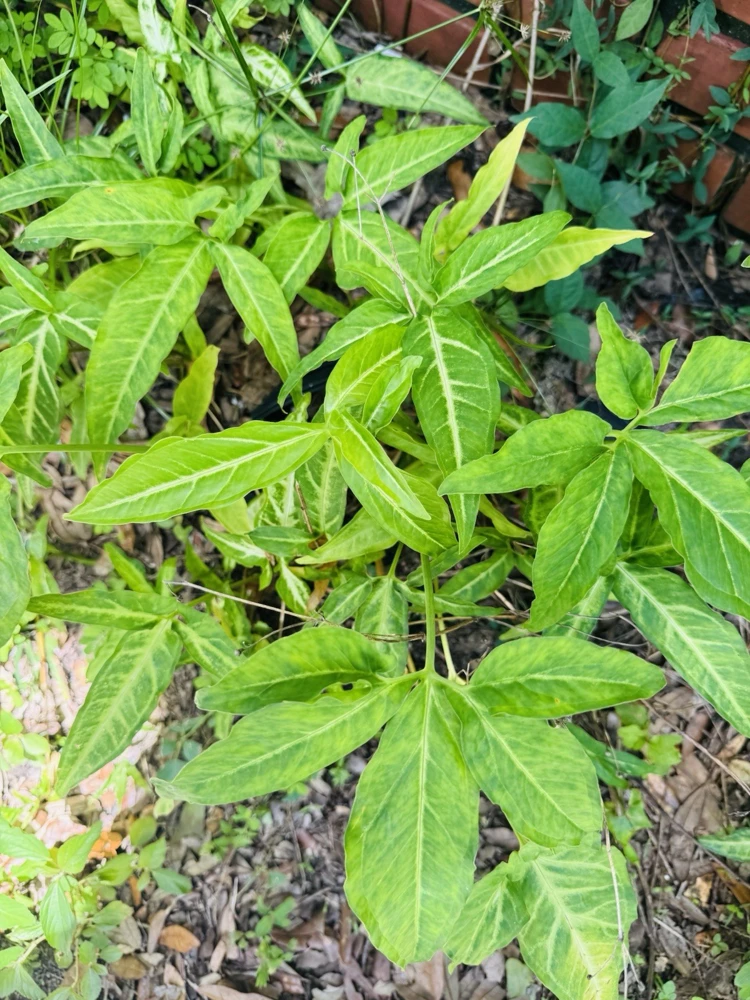
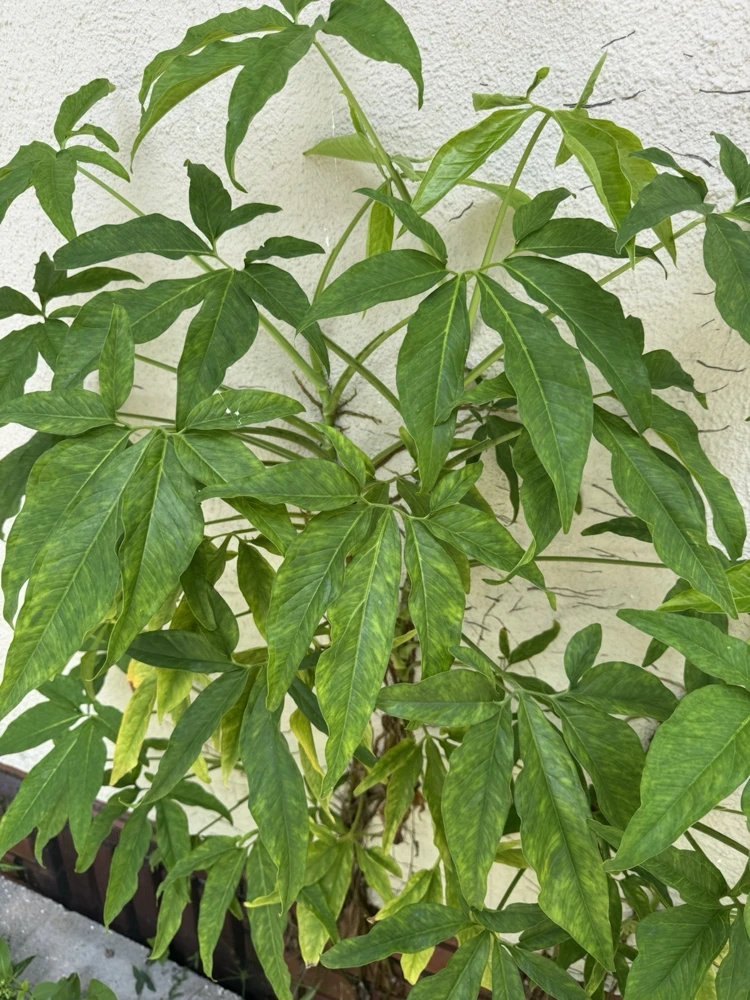
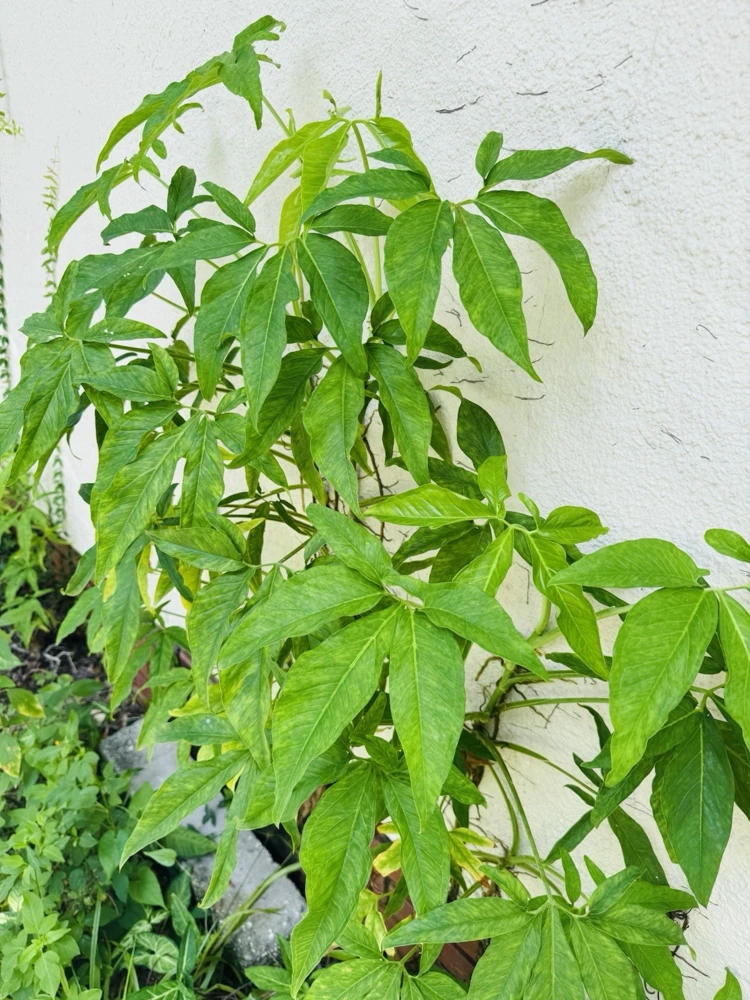
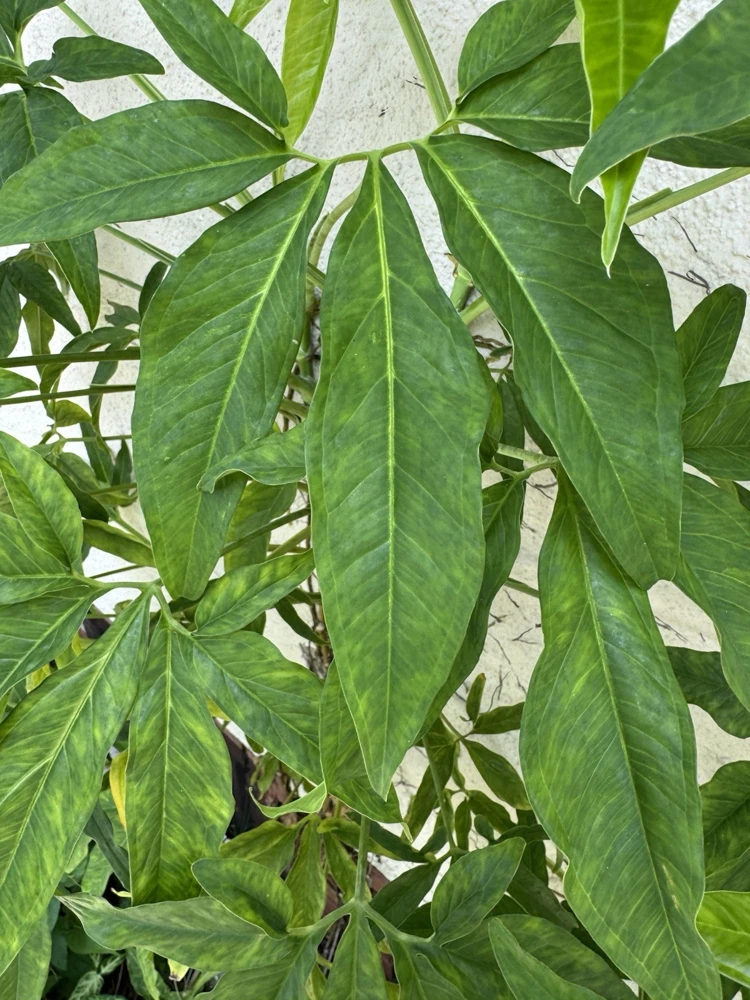
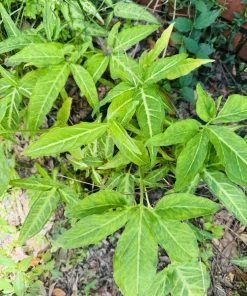
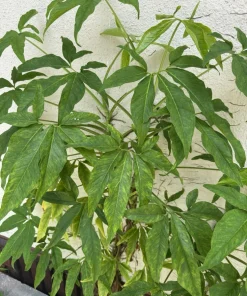
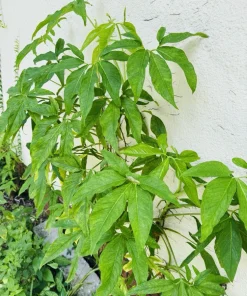
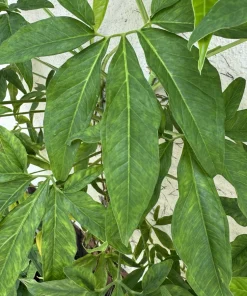
Arrowhead Vine Live Plant – Syngonium Podophyllum Potted Houseplant
Original price was: $29.99.$23.99Current price is: $23.99.
Bring natural beauty into your home with this stunning arrowhead vine live plant. The Syngonium podophyllum care is straightforward, making it an ideal climbing houseplant for both beginners and experienced plant enthusiasts. Enjoy its vibrant foliage and air-purifying qualities.
Estimated arrival
Oct 27
Nov 01 - Nov 03
Nov 06 - Nov 10
Shop With Confidence
30-Day Plant Health Guarantee
Arrives damaged? We’ll replace it free — see our return policy.
Responsive Support
Email us anytime, we reply within 1 business day.
Expert Packaging
Temperature-controlled shipping to protect your plants in transit.
Secure Checkout
Pay safely with Visa, Mastercard, PayPal.
Plant Specifications
-
USDA Hardiness Zone
year-round indoors (USDA zones 9-11 outdoors) -
Soil Type
well-draining potting mix -
Sunlight Exposure
bright indirect light -
Expected Planting Period
year-round indoors
Overview
Introduce a touch of lush greenery and natural elegance to your indoor spaces with the captivating arrowhead vine live plant, scientifically known as Syngonium podophyllum. This popular houseplant, often referred to as the Arrowhead Plant or Nephthytis, is cherished for its distinctive arrow-shaped leaves that change form as the plant matures. Young leaves typically display a more heart-shaped appearance, gradually developing more lobes and a pronounced ‘arrowhead’ look with age. As a natural climbing houseplant, it thrives when given support, adding a dynamic vertical element to your decor. Its vigorous growth and attractive foliage make it a fantastic choice for hanging baskets, shelves, or trained on a moss pole, offering a versatile aesthetic appeal that complements various interior design styles.
The arrowhead vine live plant is not only visually appealing but also relatively low-maintenance, making it a favorite among plant lovers. It’s known for its ability to adapt to a range of indoor conditions, demonstrating resilience and consistent growth. This live plant arrives healthy, with established roots in a pot, ready to be introduced to its new home. Its vibrant green leaves, sometimes variegated with shades of white or pink, bring a refreshing and lively atmosphere to any room. Embrace the beauty and simplicity of caring for a Syngonium podophyllum care is a rewarding experience, leading to a thriving and beautiful addition to your plant collection.
Key Benefits
The arrowhead vine live plant offers a multitude of benefits beyond its striking appearance, enhancing both your living space and well-being. This versatile plant is a fantastic choice for anyone looking to add vibrant foliage and a touch of nature to their home or office.
- Enhanced Indoor Aesthetics: With its unique arrow-shaped leaves and lush growth habit, the arrowhead vine live plant instantly elevates the visual appeal of any room. Its ability to climb or trail makes it perfect for dynamic displays, adding texture and life to your decor.
- Air Purification Qualities: Like many houseplants, Syngonium podophyllum is known for its air-purifying capabilities. It helps filter common indoor air toxins, contributing to a cleaner and healthier breathing environment in your home or office.
- Adaptable Growth Habit: Whether you prefer it to climb, trail from a hanging basket, or remain bushy with regular pruning, this plant offers flexible growth. This adaptability allows you to shape it to fit your specific design needs and available space.
- Relatively Easy Care: The Syngonium podophyllum care requirements are moderate, making it suitable for both novice and experienced plant parents. It’s forgiving of minor neglect and can thrive with consistent, basic attention, making it an excellent easy care indoor plant.
- Boosts Mood and Reduces Stress: Studies suggest that having plants indoors can improve mood, reduce stress levels, and increase productivity. The calming presence of this green foliage can create a more relaxing and enjoyable living space.
- Pet-Friendly Alternative (with caution): While Syngonium plants are generally considered mildly toxic if ingested, many plant enthusiasts still enjoy them in pet-friendly homes by placing them out of reach. Always exercise caution and monitor pets.
- Vibrant Foliage Variety: While this specific plant features classic green leaves, various Syngonium cultivars offer a range of colors and patterns, including shades of pink, white, and lime green. This plant provides a foundational beauty that can be complemented by other varieties.
Plant Care & Growing Tips
Providing proper Syngonium podophyllum care is key to ensuring your arrowhead vine live plant thrives and maintains its lush appearance. These general guidelines will help you create an optimal environment for your new houseplant. Understanding these needs will help you appreciate the syngonium plant benefits even more.
Sunlight Requirements: The Arrowhead Vine prefers bright, indirect light. Direct sunlight can scorch its leaves, leading to faded colors and brown spots. An east or north-facing window is ideal, or a few feet away from a south or west-facing window. If the plant isn’t getting enough light, its growth may become leggy, and its vibrant leaf patterns might fade. Rotate the plant periodically to ensure even growth. This easy care indoor plant will show you when it’s happy with robust growth.
Watering Schedule and Soil Moisture: Water your Syngonium when the top inch of soil feels dry to the touch. It prefers consistently moist, but not waterlogged, soil. Overwatering can lead to root rot, a common issue for many houseplants. Ensure your pot has drainage holes to prevent water from accumulating at the bottom. Reduce watering slightly during the cooler, dormant months. Humidity is also appreciated; consider misting the leaves regularly or placing the pot on a pebble tray with water.
Soil Type and Drainage: A well-draining potting mix is essential for the arrowhead vine live plant. A standard houseplant potting mix amended with perlite or orchid bark for added drainage works well. This type of soil will prevent water from sitting around the roots, which is crucial for preventing root-related problems. The plant thrives in slightly acidic to neutral soil (pH 6.0-7.0).
Temperature Range and USDA Hardiness Zone: Syngonium podophyllum prefers average indoor temperatures between 60-85°F (16-30°C). Avoid exposing it to temperatures below 50°F (10°C), as it is sensitive to cold. As an indoor plant, USDA hardiness zones are less relevant, but if grown outdoors in very warm climates, it would typically thrive in zones 9-11. Keep it away from cold drafts from windows or air conditioning vents, as well as heat sources like radiators.
Fertilization Schedule and Type: Feed your climbing houseplant every 2-4 weeks during the active growing season (spring and summer) with a balanced liquid houseplant fertilizer diluted to half strength. Reduce or stop fertilizing during fall and winter when the plant’s growth naturally slows down. Over-fertilization can lead to nutrient burn, so always follow the product instructions carefully.
Common Problems and Solutions: Yellowing leaves can indicate overwatering or nutrient deficiency. Drooping leaves often signal underwatering, while brown crispy edges might point to low humidity. Pests like spider mites, mealybugs, and aphids can occasionally affect Syngoniums. Inspect your plant regularly and treat any infestations promptly with insecticidal soap or neem oil. Regular pruning encourages bushier growth and helps maintain the desired shape of your arrowhead vine live plant.
Size & Details
This arrowhead vine live plant (Syngonium podophyllum) is a vibrant and healthy specimen, carefully cultivated to ensure a strong start in its new environment. It arrives with well-established roots in a grower’s pot, typically a 4-inch nursery pot, providing a stable foundation for continued growth. At the time of shipment, the plant usually stands between 6 to 10 inches tall from the base of the pot to the top of its foliage, offering a compact yet impactful presence. The growth rate of this easy care indoor plant is moderate to fast, allowing it to quickly fill out its space.
As a natural climber, this climbing houseplant can reach lengths of several feet when provided with proper support, such as a moss pole or trellis. Alternatively, it can be maintained as a bushy, compact plant through regular pruning, making it versatile for various display options. The plant is shipped securely to minimize stress during transit, arriving ready for you to enjoy. Expect healthy, vibrant green leaves that are characteristic of the species, ready to display the unique arrow-shaped foliage as it matures. The syngonium plant benefits from being potted soon after arrival, allowing its roots to expand and anchor securely in its new home.
Frequently Asked Questions
- Q: How big does this arrowhead vine live plant get? A: When grown as a climbing plant, it can reach several feet in length, typically 3-6 feet or more with support. If kept compact through pruning, it can maintain a bushy form around 1-2 feet tall and wide.
- Q: Is this an indoor or outdoor plant? A: The Syngonium podophyllum is primarily grown as an indoor houseplant in most climates. It can be grown outdoors in tropical or sub-tropical regions (USDA zones 9-11) where temperatures remain consistently warm.
- Q: How much sunlight does my arrowhead vine live plant need? A: It thrives in bright, indirect light. Avoid direct sunlight, which can scorch the leaves. A few feet away from a bright window or in an east-facing window is usually ideal for optimal Syngonium podophyllum care.
- Q: Is this plant easy to care for? A: Yes, Syngonium podophyllum is considered an easy care indoor plant, making it suitable for beginners. It’s relatively forgiving and adapts well to various indoor conditions with consistent basic care.
- Q: What condition will it arrive in? A: Your arrowhead vine live plant will arrive with established roots in a standard nursery pot, carefully packaged to ensure its health and safety during transit. It will be ready to be placed in its new home.
- Q: Can I train this plant to climb? A: Absolutely! The Syngonium podophyllum is a natural climbing houseplant. Provide it with a moss pole, trellis, or other support, and its aerial roots will readily attach, allowing it to grow upwards.
- Q: What kind of soil is best for this plant? A: A well-draining potting mix is crucial. A standard houseplant mix amended with perlite, orchid bark, or coco coir will provide the necessary drainage and aeration for healthy root growth.
- Q: What are the main syngonium plant benefits? A: Beyond its beauty, the Syngonium is known for its air-purifying qualities, helping to remove common toxins from indoor air. It’s also adaptable and relatively easy to care for, adding a calming natural element to your home.
- Q: How often should I water my Syngonium? A: Water when the top inch of the soil feels dry to the touch. It’s better to slightly underwater than overwater, as it’s susceptible to root rot in waterlogged conditions.
- Q: Will this plant tolerate low humidity? A: While it prefers higher humidity, the Arrowhead Vine can tolerate average household humidity levels. If your home is very dry, consider misting regularly or using a pebble tray to increase moisture around the plant.
Be the first to review “Arrowhead Vine Live Plant – Syngonium Podophyllum Potted Houseplant”
People Also Viewed


Houseplants
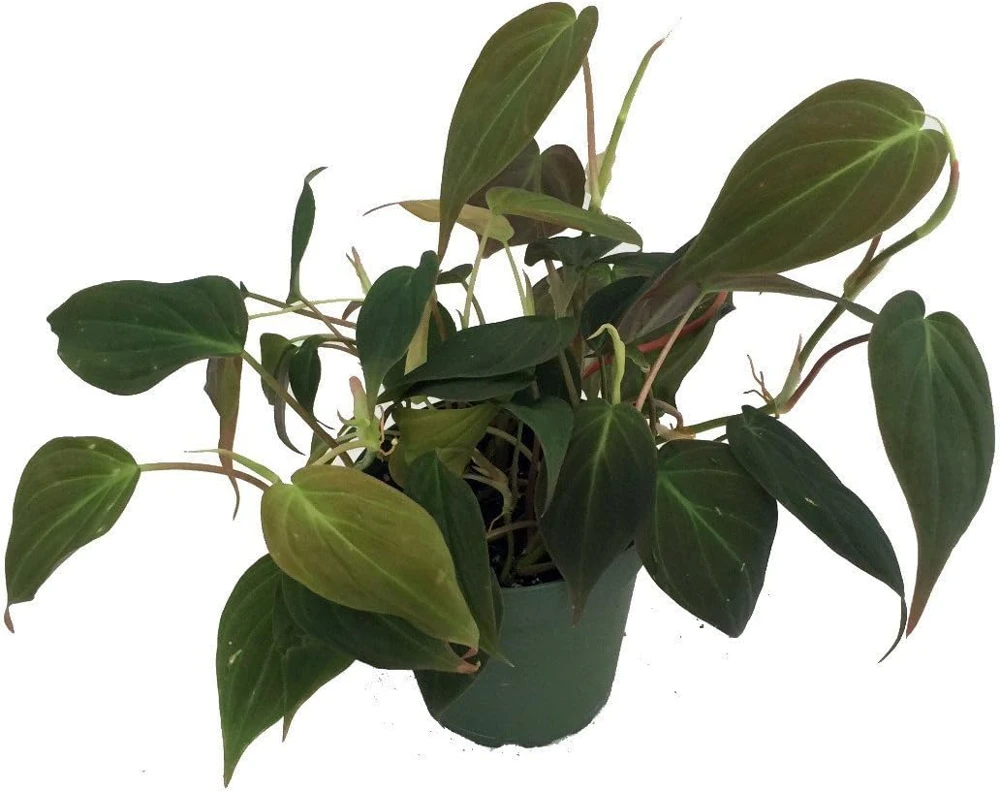
Philodendron Micans Live Plant – Velvet Leaf Bronze Micans Vine – 4″ Pot – Indoor Houseplant




Reviews
There are no reviews yet.