
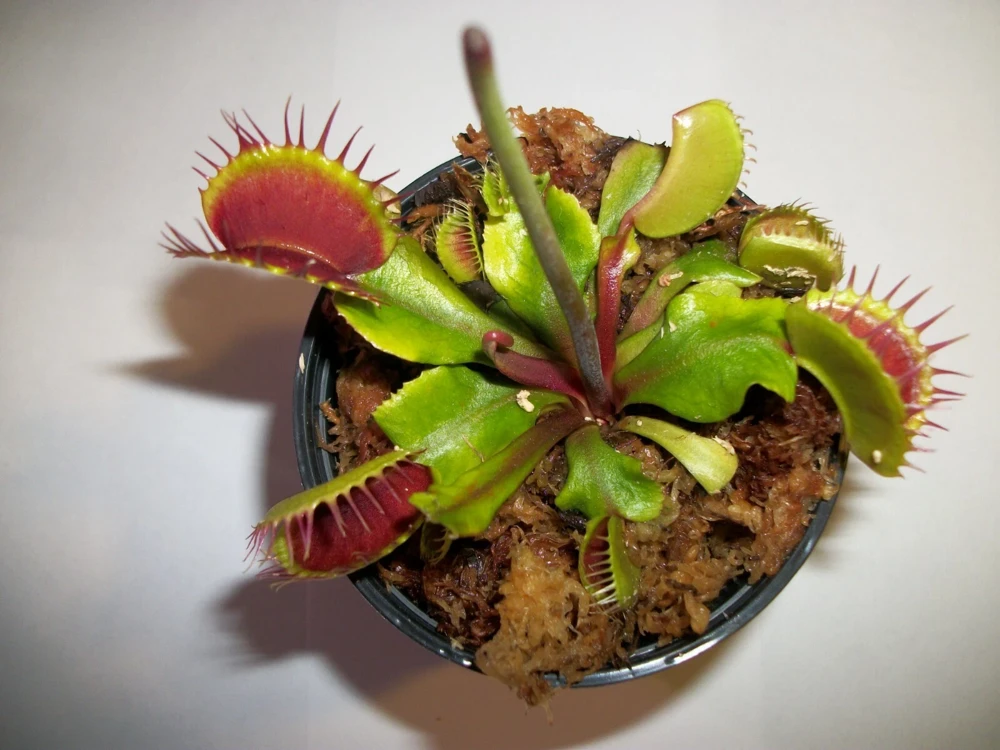
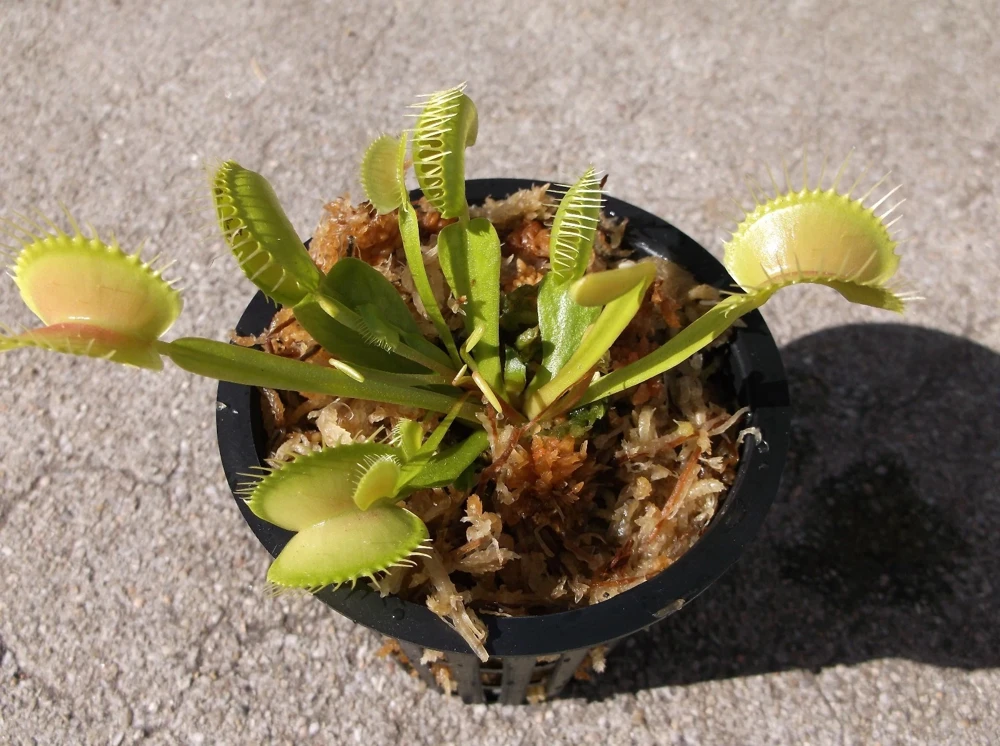
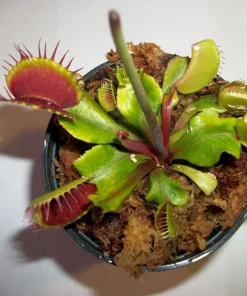
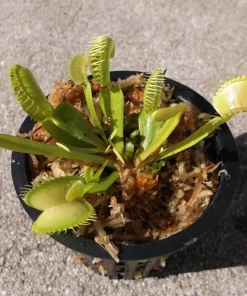
Venus Flytrap Live Plant – Dionaea Muscipula – Carnivorous Plant, 3in Pot
Original price was: $45.98.$32.99Current price is: $32.99.
Bring home a captivating venus flytrap live plant, the iconic carnivorous plant known for its insect-catching traps. This dionaea muscipula care guide will help you grow a healthy specimen. Perfect for windowsills or terrariums, it’s an intriguing addition to any collection.
Estimated arrival
Oct 25
Oct 30 - Nov 01
Nov 04 - Nov 08
Shop With Confidence
30-Day Plant Health Guarantee
Arrives damaged? We’ll replace it free — see our return policy.
Responsive Support
Email us anytime, we reply within 1 business day.
Expert Packaging
Temperature-controlled shipping to protect your plants in transit.
Secure Checkout
Pay safely with Visa, Mastercard, PayPal.
Plant Specifications
-
USDA Hardiness Zone
9 (20 to 30 °F) -
Soil Type
Peat-based, nutrient-poor, well-draining -
Sunlight Exposure
Full Sun -
Expected Planting Period
Year-round indoors, Spring to Summer outdoors
Overview
Introduce an extraordinary piece of nature into your home with this remarkable venus flytrap live plant. Scientifically known as Dionaea Muscipula, this captivating carnivorous plant is a marvel of the botanical world, renowned for its unique, jaw-like traps that expertly capture insects. Each plant is a healthy, established specimen, ready to thrive in its new environment. The Venus Flytrap is not just a plant; it’s a dynamic, interactive display that offers natural pest control and endless fascination. Its distinctive appearance and intriguing feeding mechanism make it a popular choice for both seasoned plant enthusiasts and curious beginners looking for an easy carnivorous plant.
Originating from subtropical wetlands on the East Coast of the United States, the Venus Flytrap has evolved to survive in nutrient-poor soils by supplementing its diet with insects. This particular offering is a vibrant, adult-sized plant, making it an impressive focal point. With proper dionaea muscipula care, you can enjoy watching its traps snap shut on unsuspecting prey, a truly mesmerizing natural phenomenon. This live plant comes potted, ensuring a smooth transition to your home or garden.
Key Benefits
Owning a venus flytrap live plant offers a host of unique benefits, from natural pest control to educational value and aesthetic appeal. This fascinating carnivorous plant is sure to be a conversation starter.
- Natural Insect Control: The Venus Flytrap is an efficient and natural way to manage common household pests like flies, gnats, and spiders, making it a functional and decorative addition to your home.
- Educational & Fascinating: Observing the plant’s rapid trap closure is an incredible learning experience for all ages, demonstrating the wonders of the natural world and the unique adaptations of carnivorous plants.
- Unique Aesthetic Appeal: With its distinctive green leaves and often reddish interiors, the Venus Flytrap adds an exotic and intriguing touch to any plant collection, terrarium, or windowsill display.
- Low Maintenance for Carnivores: While specific, dionaea muscipula care is relatively straightforward once you understand its basic needs, making it an accessible option for those new to carnivorous plants.
- Hardy & Resilient: These plants are surprisingly robust when provided with the correct conditions, thriving for many years with minimal fuss, making it an excellent easy carnivorous plant to grow.
- Conversation Starter: Its unusual nature and predatory behavior make it an instant topic of discussion, perfect for showcasing your unique taste in horticulture.
Plant Care & Growing Tips
Proper dionaea muscipula care is crucial for the health and longevity of your venus flytrap live plant. These plants require specific conditions that mimic their natural wetland habitat. They thrive in bright light and high humidity. Place your Venus Flytrap where it can receive at least 4-6 hours of direct sunlight daily, such as a south-facing window. If direct sunlight isn’t available, strong artificial grow lights can be used. Avoid low light conditions, as this will lead to weak growth and inactive traps.
Watering is perhaps the most critical aspect of caring for your carnivorous plant for sale. Venus Flytraps require consistently moist soil, but they are highly sensitive to minerals found in tap water. Always use distilled water, rainwater, or reverse osmosis water. The tray method is highly recommended: place the pot in a tray filled with about an inch of water, allowing the plant to absorb water from the bottom. Re-fill the tray when it’s almost dry. Never let the soil dry out completely. The ideal soil mix should be nutrient-poor and well-draining, typically a blend of peat moss and perlite or sand (50/50 ratio). Avoid regular potting soil as it contains too many nutrients and can harm the plant.
Venus Flytraps benefit from a dormant period during winter, typically from November to February. During dormancy, the plant’s growth will slow down, and some leaves may die back. Reduce watering slightly, but keep the soil moist. Temperatures between 35-55°F (2-13°C) are ideal during this time. Do not fertilize your Venus Flytrap; it gets all the nutrients it needs from the insects it catches. If it’s not catching enough insects, you can occasionally feed it small, live insects, but avoid triggering the traps unnecessarily, as each trap has a limited lifespan of closures. For those looking to buy venus flytrap, understanding these care tips will ensure a thriving specimen.
Size & Details
This offering features an adult-sized venus flytrap live plant, approximately 3 inches in diameter, and comes pre-potted in a 3-inch nursery pot. The plant is established and actively growing, with several healthy traps. The typical growth habit for Dionaea Muscipula sees individual traps reaching up to 1-2 inches in length, and the overall plant diameter can expand to 4-6 inches as it matures. These plants are shipped in their pots to minimize transplant shock and ensure they arrive in excellent condition. Expect to see new traps developing regularly, especially during the active growing season (spring and summer).
The plant is ready to be placed directly into its new environment upon arrival, making it an ideal choice for anyone looking for a vibrant carnivorous plant for sale. While the plant’s primary food source is insects, it can survive periods without catching prey, relying on photosynthesis. However, regular insect meals contribute to more vigorous growth and larger, more active traps. This size is perfect for a desktop display, a small terrarium, or as part of a larger carnivorous plant collection. It’s a robust and visually striking specimen, offering great value for anyone looking to buy venus flytrap.
Frequently Asked Questions
- Q: How big does this plant get? A: This is an adult-sized venus flytrap live plant, typically reaching about 3-4 inches in diameter with traps up to 1-2 inches long. With optimal dionaea muscipula care, it can grow slightly larger over time.
- Q: What size pot does it come in? A: The plant arrives pre-potted in a 3-inch nursery pot, ready for display or transplanting into a slightly larger suitable container.
- Q: Is this an indoor or outdoor plant? A: The Venus Flytrap can be grown both indoors and outdoors, provided its specific light and water requirements are met. Many growers keep them indoors on sunny windowsills or under grow lights, or outdoors in bog gardens in suitable climates.
- Q: How much sunlight does it need? A: Your venus flytrap live plant requires at least 4-6 hours of direct sunlight per day. If grown indoors, a bright south-facing window or a strong grow light is essential for healthy growth and active traps.
- Q: Is this plant easy to care for? A: While it has specific needs, once you understand the basic dionaea muscipula care requirements (distilled water, bright light, proper soil), it is considered an easy carnivorous plant to maintain, even for beginners.
- Q: What condition will it arrive in? A: We ship healthy, established plants in their pots to ensure they arrive safely and with minimal stress, ready to thrive in your home.
- Q: How often should I water my Venus Flytrap? A: Keep the soil consistently moist using only distilled, rainwater, or reverse osmosis water. Use the tray method, allowing the plant to absorb water from the bottom.
- Q: Does it need to catch insects to survive? A: While Venus Flytraps can survive on photosynthesis alone, feeding on insects provides essential nutrients, leading to more vigorous growth and larger traps.
- Q: What kind of soil does it need? A: It requires a nutrient-poor, acidic, and well-draining soil mix, typically a blend of peat moss and perlite or sand. Avoid standard potting soil.
- Q: Will it survive winter in my zone? A: The Venus Flytrap requires a dormant period in winter. If you live in USDA Hardiness Zone 9 or above, it can often survive outdoors. In colder zones, it should be brought indoors or kept in a cool, unheated space for dormancy.
Be the first to review “Venus Flytrap Live Plant – Dionaea Muscipula – Carnivorous Plant, 3in Pot”
People Also Viewed
Reviews
There are no reviews yet.