
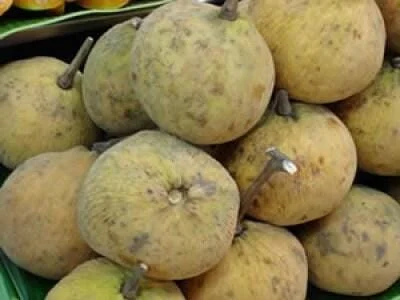
Santol Live Plant – 2 feet Tall – Ships in 3 Gallon Pot – Tropical Fruit Tree
$156.00
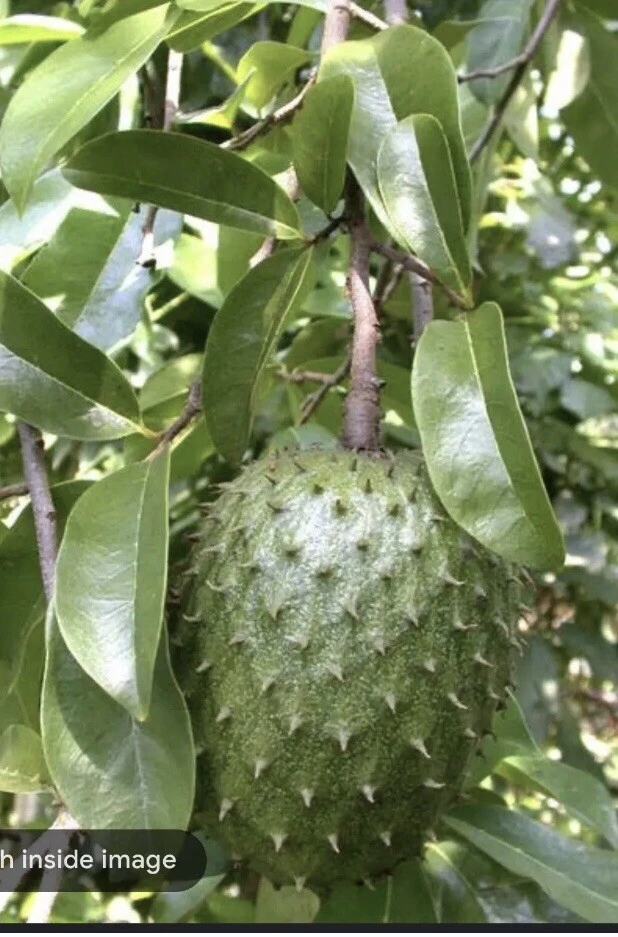
Bring the tropics to your garden with a santol live plant! This 2-foot tall tropical fruit tree, shipped in a 3-gallon pot, is ready to thrive. Enjoy its unique sweet to sub-acid fruits, perfect for fresh eating or culinary creations. An ideal choice for gardeners seeking an exotic and productive addition.
Estimated arrival
Sep 14
Sep 19 - Sep 21
Sep 24 - Sep 28
Shop With Confidence
30-Day Plant Health Guarantee
Arrives damaged? We’ll replace it free — see our return policy.
Responsive Support
Email us anytime, we reply within 1 business day.
Expert Packaging
Temperature-controlled shipping to protect your plants in transit.
Secure Checkout
Pay safely with Visa, Mastercard, PayPal.
Plant Specifications
-
USDA Hardiness Zone
USDA zones 10-11 -
Soil Type
Rich, well-draining soil -
Sunlight Exposure
Full sun -
Expected Planting Period
Year-round in warm climates; spring to early summer in cooler regions (for outdoor placement)
Overview
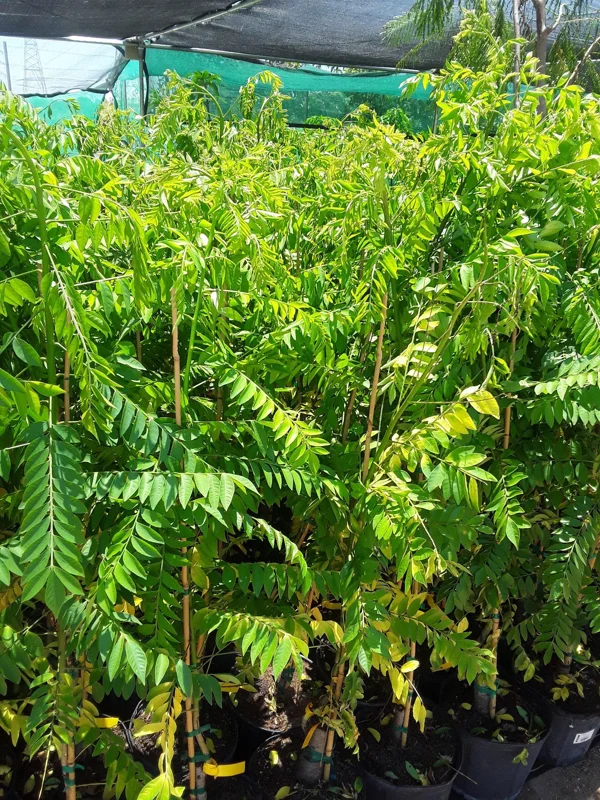
Introduce an exotic flair to your garden or patio with a vibrant santol live plant. Also known as the ‘cotton fruit’ tree, this tropical wonder (Sandoricum koetjape) is celebrated for its distinctive fruit, reminiscent of a baseball in size with a thin, leathery rind. Our santol live plant arrives at your doorstep approximately 2 feet tall and securely rooted in a 3-gallon nursery pot, ensuring a robust start. The Santol tree is highly valued for its delicious fruit, which boasts a unique flavor profile ranging from sweet to sub-acid, making it a versatile ingredient in various culinary applications. Growing your own santol fruit tree allows you to experience the joy of harvesting fresh, flavorful produce right from your home, adding both beauty and bounty to your landscape.
Key Benefits
Cultivating a Santol tree offers a multitude of advantages, from its aesthetic appeal to its delicious yield. This remarkable plant is a fantastic addition for anyone looking to expand their edible garden or introduce a touch of the tropics.
- Exotic Fruit Production: Enjoy harvesting your own unique Santol fruits, known for their sweet and tangy pulp. These versatile fruits can be eaten fresh, or used to make delicious jellies and preserves, offering a taste of the tropics right in your backyard.
- Ornamental Value: Beyond its fruit, the santol live plant is an attractive tree with lush green foliage, providing a beautiful focal point in any garden or landscape. Its tropical appearance adds a vibrant and exotic touch.
- Culinary Versatility: The distinctive flavor of Santol fruit makes it a popular choice for various recipes. From refreshing juices and desserts to savory dishes, the fruit’s unique taste enhances a wide range of culinary creations, allowing you to experiment with new flavors.
- Adaptable Growth: While a tropical plant, with proper care, the Santol tree can thrive in suitable climates, or be grown in containers in cooler regions, allowing for protection during colder months. This adaptability makes it accessible to a broader range of gardeners.
- Sustainable Gardening: Growing your own fruit trees like the santol fruit tree contributes to sustainable living by reducing reliance on commercially sourced produce and promoting local, fresh food consumption.
- Educational Experience: For families and children, nurturing a Santol plant provides an engaging and educational experience, teaching about plant life cycles, tropical agriculture, and the rewards of gardening.
- Health Benefits: Like many fruits, Santol is a natural source of vitamins and nutrients. Incorporating fresh Santol fruit into your diet can contribute to overall well-being and a healthy lifestyle.
Plant Care & Growing Tips
To ensure your santol live plant thrives and produces abundant fruit, understanding its specific care requirements is crucial. Santol trees are tropical and prefer warm, humid conditions. They perform best in full sun, meaning at least 6-8 hours of direct sunlight per day. If growing indoors or in a greenhouse, ensure it receives ample bright light. When it comes to watering, consistent moisture is key, especially during dry periods and while the tree is establishing. However, avoid waterlogging the soil, as this can lead to root rot. A good rule of thumb is to water thoroughly when the top inch or two of soil feels dry to the touch, then allow it to drain completely.
The ideal soil for your santol fruit tree should be rich in organic matter, well-draining, and have a slightly acidic to neutral pH (6.0-7.0). Amend heavy clay soils with compost or sand to improve drainage, and sandy soils with compost to enhance water retention and nutrient availability. Fertilize regularly during the growing season (spring and summer) with a balanced, slow-release fertilizer or a fruit tree-specific formula. Reduce fertilization during the dormant season. Pruning is beneficial for shaping the tree, removing dead or diseased branches, and encouraging fruit production. For those wondering how to grow santol fruit successfully, protecting it from frost is paramount; if you live in a region with cold winters, consider growing it in a large container that can be moved indoors. Keep an eye out for common pests like aphids and scale insects, and treat them promptly with organic insecticidal soap if detected. Proper care will help your cotton fruit plant flourish.
Size & Details
This offering includes one robust santol live plant, which stands approximately 2 feet tall from the base of the pot. It is carefully rooted and shipped in a sturdy 3-gallon nursery pot, providing a healthy root system ready for transplanting into a larger container or directly into your garden, depending on your climate and growing conditions. Santol trees are known for their moderate growth rate, eventually reaching heights of 20-50 feet in ideal tropical conditions, though they can be maintained at a smaller size with regular pruning, especially when container-grown. You can expect your santol live plant to begin producing fruit within a few years under optimal care, offering a delightful and rewarding gardening experience. The fruit itself is typically about the size of a baseball, with a soft, translucent pulp surrounding several large seeds.
Frequently Asked Questions
- Q: How big does this santol live plant get? A: This plant arrives approximately 2 feet tall in a 3-gallon pot. In tropical climates, Santol trees can grow up to 20-50 feet tall, but they can be kept smaller with pruning or by growing in containers.
- Q: Is this an indoor or outdoor plant? A: The Santol tree is a tropical plant best suited for outdoor growing in USDA Zones 10-11. In cooler climates, it can be grown outdoors during warm months and brought indoors or into a greenhouse during winter to protect it from frost.
- Q: How much sunlight does my santol fruit tree need? A: Your santol fruit tree requires full sun, meaning at least 6-8 hours of direct sunlight per day, for optimal growth and fruit production.
- Q: What condition will the plant arrive in? A: Your santol live plant will arrive securely packaged in its 3-gallon nursery pot, with a healthy root system and foliage, ready for planting or continued growth.
- Q: Can you explain how to grow santol fruit? A: To grow santol fruit, provide full sun, well-draining, rich soil, and consistent watering. Protect it from frost, and fertilize during the growing season. Prune to shape and encourage fruit production.
- Q: How long until it produces fruit? A: With proper care, a Santol tree typically starts producing fruit within 3-5 years from planting. The exact timing can vary based on growing conditions and climate.
- Q: What is the best soil type for this cotton fruit plant? A: The cotton fruit plant thrives in rich, well-draining soil with a slightly acidic to neutral pH. Incorporating organic matter like compost will greatly benefit its growth.
- Q: Is this plant easy to care for? A: Santol trees are relatively easy to care for in tropical and subtropical climates. In cooler regions, they require more attention, particularly regarding winter protection, but are still manageable for dedicated gardeners.
- Q: What is the ideal temperature range for a santol live plant? A: Being a tropical plant, the santol live plant prefers warm temperatures, ideally above 60°F (15°C). It is sensitive to frost and should be protected from temperatures below 40°F (4°C).
- Q: How often should I water my santol plant? A: Water your santol plant care should include watering when the top 1-2 inches of soil feel dry. Ensure good drainage to prevent root rot. Watering frequency will depend on climate, pot size, and soil type.
Be the first to review “Santol Live Plant – 2 feet Tall – Ships in 3 Gallon Pot – Tropical Fruit Tree”
People Also Viewed
Reviews
There are no reviews yet.