
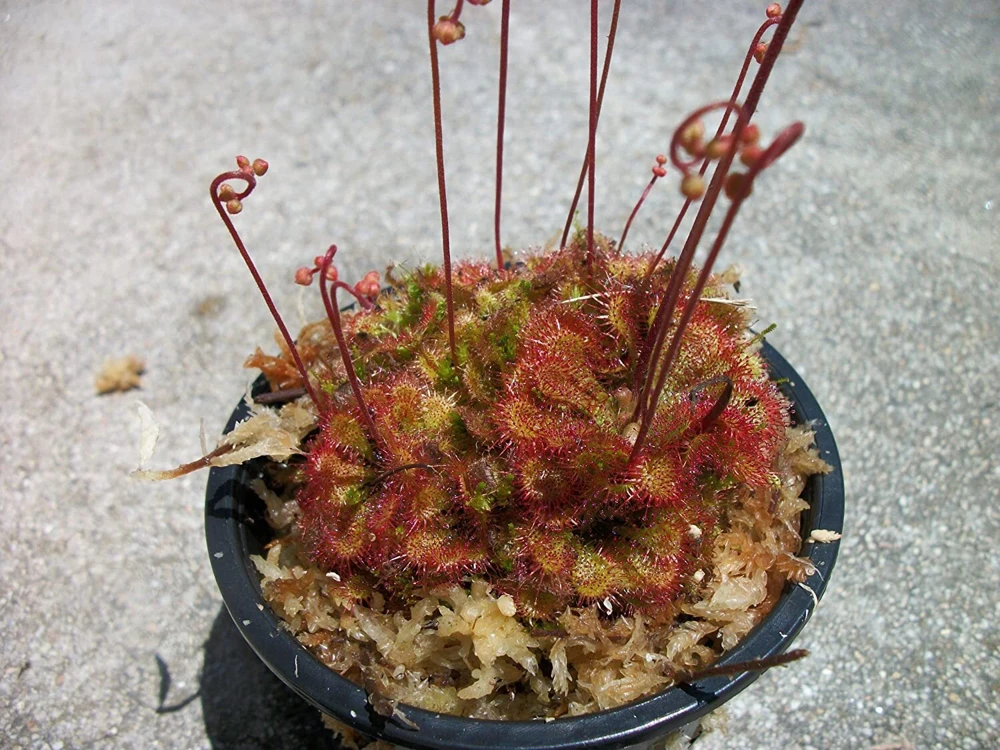
Carnivorous Spoon Leaf Sundew Live Plant (Drosera Spathulata) 3 inch pot Indoor/Outdoor
Original price was: $39.28.$27.99Current price is: $27.99.
Bring home a captivating Carnivorous Spoon Leaf Sundew (Drosera Spathulata) in a 3-inch pot. This unique carnivorous plant indoor or outdoor specimen is known for its sticky, dew-covered leaves that attract and trap insects, providing natural pest control and endless fascination.
Estimated arrival
Oct 25
Oct 30 - Nov 01
Nov 04 - Nov 08
Shop With Confidence
30-Day Plant Health Guarantee
Arrives damaged? We’ll replace it free — see our return policy.
Responsive Support
Email us anytime, we reply within 1 business day.
Expert Packaging
Temperature-controlled shipping to protect your plants in transit.
Secure Checkout
Pay safely with Visa, Mastercard, PayPal.
Plant Specifications
-
USDA Hardiness Zone
10 -
Soil Type
Peat (carnivorous plant soil mix) -
Sunlight Exposure
Full Sun -
Expected Planting Period
Year-round indoors
Overview
The Carnivorous Spoon Leaf Sundew, scientifically known as Drosera Spathulata, is a captivating and beautiful carnivorous plant. This particular offering is for a live plant, ready to thrive in your home or garden. Hailing from a diverse range of tropical to temperate regions, the Drosera Spathulata care is relatively straightforward, making it an excellent choice for both beginner and experienced carnivorous plant enthusiasts. Its spoon-shaped leaves are adorned with glistening tentacles that secrete a sticky, dew-like mucilage, effectively luring and trapping small insects. This natural pest control mechanism adds a unique biological element to your plant collection, making it a truly engaging living specimen. Often referred to as the Spoon-Leaf Sundew or Rosetted Sundew, this species forms attractive rosettes of foliage that can range in color from green to vibrant red, especially under strong sunlight. The Carnivorous Spoon Leaf Sundew is a marvel of adaptation and a fantastic addition to any plant lover’s collection.
Key Benefits
Owning a Carnivorous Spoon Leaf Sundew offers a multitude of benefits beyond its striking appearance. These plants are not just decorative; they actively contribute to their environment in fascinating ways. Their unique characteristics make them a rewarding plant to cultivate. The ease of growing sundew plants makes them accessible to a wide range of gardeners.
- Natural Pest Control: The primary and most engaging benefit is its ability to naturally catch and digest small insects like gnats, fruit flies, and mosquitoes. The sticky ‘dew’ on its leaves acts as a natural trap, reducing unwanted pests in your home or greenhouse without chemicals.
- Educational and Fascinating: Observing the sundew in action, from trapping an insect to slowly digesting it, offers an incredible educational experience for all ages. It highlights the wonders of adaptation in the plant kingdom.
- Unique Aesthetic Appeal: With its glistening, dew-covered leaves and often vibrant coloration, especially when exposed to good light, the Carnivorous Spoon Leaf Sundew is a visually stunning plant that adds an exotic touch to any indoor or outdoor setting.
- Low Maintenance (with proper care): Once its specific needs for light, water, and soil are met, this carnivorous plant indoor is surprisingly easy to maintain, requiring less frequent attention than many other houseplants.
- Compact Size: The rosette form of Drosera Spathulata makes it ideal for smaller spaces, terrariums, or as a desk plant, bringing its unique beauty without taking up much room.
- Conversation Starter: Its unusual nature and active insect-trapping capabilities make it an instant conversation piece, sure to intrigue guests and visitors.
- Therapeutic Hobby: The process of caring for and observing a carnivorous plant can be a relaxing and engaging hobby, offering a connection to nature.
Plant Care & Growing Tips
Proper Drosera Spathulata care is crucial for its health and vibrant appearance. Understanding its specific environmental needs will ensure your Carnivorous Spoon Leaf Sundew thrives. These plants prefer conditions that mimic their natural wetland habitats.
Sunlight Requirements: Provide your sundew with plenty of bright light. Full sun is ideal, especially for outdoor placement. Indoors, a south-facing window that receives 4-6 hours of direct sunlight is perfect. If natural light is insufficient, grow lights can be used. Strong light encourages the plant to produce more dew and develop beautiful red coloration. Insufficient light will result in a green plant with little to no dew production.
Watering Schedule and Soil Moisture: Sundews require consistently moist soil. The best method is the tray method: place the pot in a tray filled with 1-2 inches of distilled water, rainwater, or reverse osmosis water. Never use tap water, as the minerals will harm the plant. Allow the tray to dry out occasionally for a day or two before refilling to prevent root rot. Heavy watering is preferred to keep the soil consistently wet.
Soil Type and Drainage: A specialized carnivorous plant soil mix is essential. Peat moss and perlite in a 1:1 or 2:1 ratio is ideal. Avoid standard potting soil, which contains nutrients and minerals that are toxic to sundews. The soil should be acidic and well-draining, yet retain moisture. Do not fertilize your Carnivorous Spoon Leaf Sundew through the soil.
Temperature Range and USDA Hardiness Zone: Drosera Spathulata is a tropical species, preferring temperatures between 60-85°F (15-29°C). It can tolerate cooler temperatures down to about 40°F (4°C) but avoid freezing. It is hardy in USDA Hardiness Zone 10 or higher if grown outdoors year-round. For colder zones, it should be brought indoors during winter or grown exclusively as a carnivorous plant indoor specimen.
Fertilization: Fertilization is generally not necessary for sundews, as they obtain nutrients from the insects they catch. If your plant is not catching many insects, you can occasionally apply a very diluted foliar feed (e.g., MaxSea 16-16-16 at 1/4 strength) directly to the leaves, not the soil, once a month during the growing season.
Size & Details
This offering is for a live Carnivorous Spoon Leaf Sundew (Drosera Spathulata) plant, carefully grown and shipped in a 3 inch pot. The plant will arrive healthy and actively growing, typically forming a rosette that is 1-2 inches in diameter, though size may vary slightly based on individual growth. It is a compact and attractive species, perfect for windowsills, terrariums, or bog gardens. The plant will ship securely in its nursery pot, ensuring minimal stress during transit. Expect a moderate growth rate, with plants reaching maturity and flowering within one to two years under optimal conditions, making growing sundew plants a rewarding experience. This variety is known for its vigor and ability to produce seeds readily, allowing for easy propagation.
Frequently Asked Questions
- Q: How big does this Carnivorous Spoon Leaf Sundew get? A: The Carnivorous Spoon Leaf Sundew typically forms a rosette that is 1-2 inches in diameter. Its compact size makes it ideal for various display settings, including terrariums and windowsills.
- Q: What size pot does it come in? A: This plant comes in a standard 3 inch pot, ready for you to place in your desired location or repot into a slightly larger container if preferred.
- Q: Is this an indoor or outdoor plant? A: Drosera Spathulata can be grown both indoors and outdoors. It thrives as a carnivorous plant indoor specimen in a bright, sunny window, or outdoors in a bog garden in suitable climates (USDA Zone 10+).
- Q: How much sunlight does it need? A: It requires plenty of bright light, ideally 4-6 hours of direct sunlight daily to produce its signature sticky dew and vibrant coloration. A south-facing window is excellent for indoor cultivation.
- Q: Is this plant easy to care for? A: Yes, with proper attention to its specific needs for distilled water, appropriate soil, and bright light, the Carnivorous Spoon Leaf Sundew is considered relatively easy to care for and is suitable for beginners interested in growing sundew plants.
- Q: What condition will it arrive in? A: Your live plant will arrive healthy, actively growing, and securely packaged in its nursery pot to ensure its well-being during transit.
- Q: Is it shipped in soil? A: Yes, the plant is shipped in its appropriate carnivorous plant soil mix within its nursery pot, ensuring it is ready to be placed in your home upon arrival.
- Q: What’s the best way to water my Drosera Spathulata? A: The tray method is recommended. Keep the pot in a tray with 1-2 inches of distilled, rainwater, or reverse osmosis water. Never use tap water.
- Q: Will it survive winter in my zone? A: If you are in USDA Hardiness Zone 10 or higher, it can tolerate outdoor winter conditions. For colder zones, it must be brought indoors and protected from freezing temperatures, making it a great carnivorous plant indoor option.
- Q: Does it really eat bugs? A: Absolutely! The sticky ‘dew’ on its leaves is designed to attract and trap small insects like gnats and fruit flies, providing natural pest control and a fascinating display of nature.
Be the first to review “Carnivorous Spoon Leaf Sundew Live Plant (Drosera Spathulata) 3 inch pot Indoor/Outdoor”
People Also Viewed



Reviews
There are no reviews yet.