
Western Red Cedar Tree Live Plant – Giant Arborvitae #1 Container for Hedges
Original price was: $73.49.$48.99Current price is: $48.99.
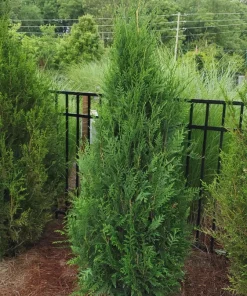
Cultivate a magnificent western red cedar tree, also known as giant arborvitae. This versatile evergreen conifer is ideal for creating dense privacy hedges, effective windbreaks, or as a stately specimen tree. Known for its fast growth and aromatic foliage, it thrives in US gardens. Arrives as a healthy live plant in a #1 container size.
Estimated arrival
Oct 25
Oct 30 - Nov 01
Nov 04 - Nov 08
Shop With Confidence
30-Day Plant Health Guarantee
Arrives damaged? We’ll replace it free — see our return policy.
Responsive Support
Email us anytime, we reply within 1 business day.
Expert Packaging
Temperature-controlled shipping to protect your plants in transit.
Secure Checkout
Pay safely with Visa, Mastercard, PayPal.
Plant Specifications
-
USDA Hardiness Zone
USDA zones 5-7 -
Soil Type
Well-drained, fertile soil -
Sunlight Exposure
Full sun to partial shade -
Expected Planting Period
Spring or early fall
Overview
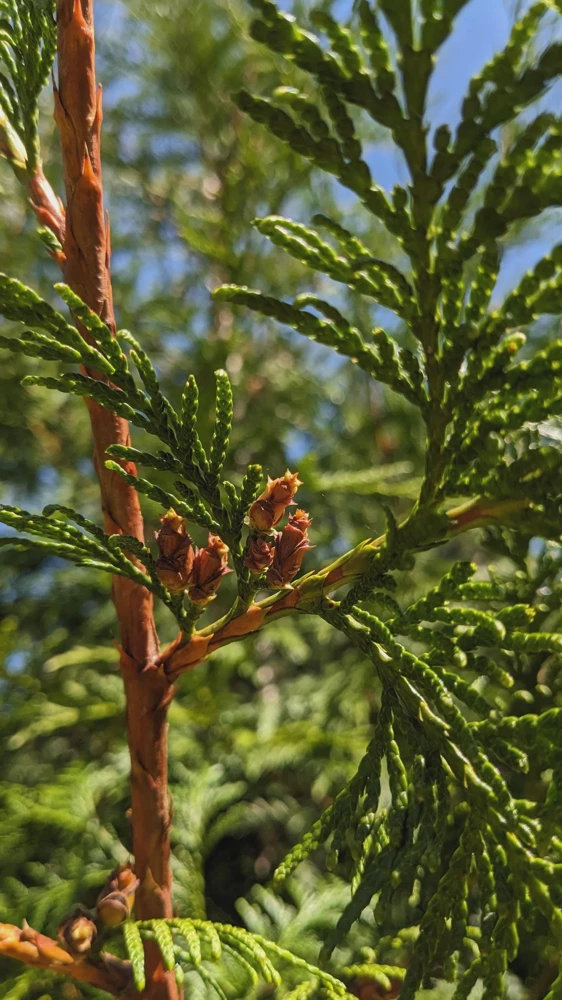
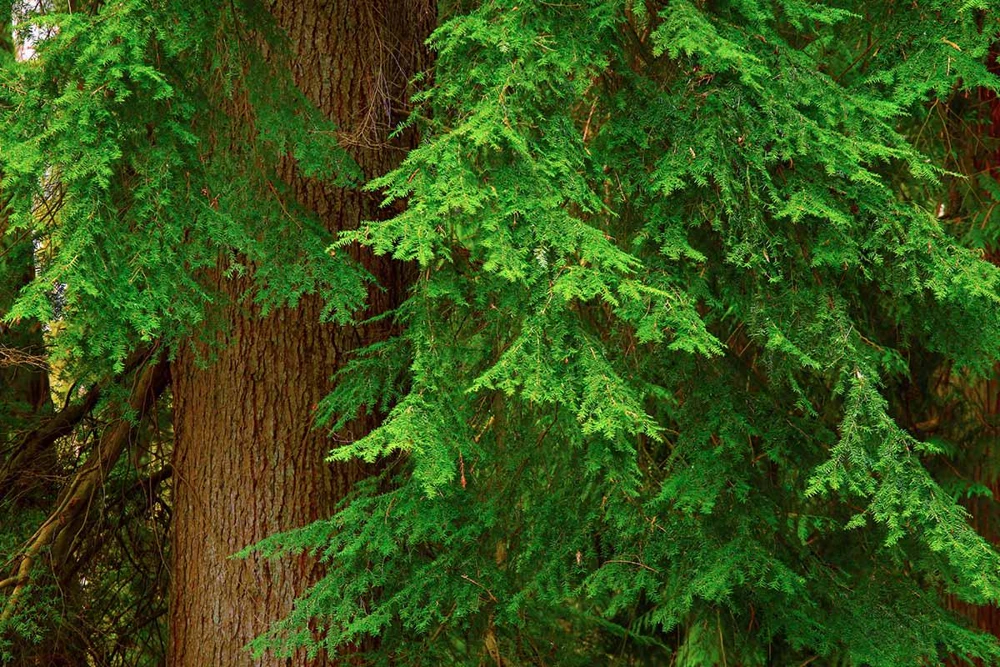
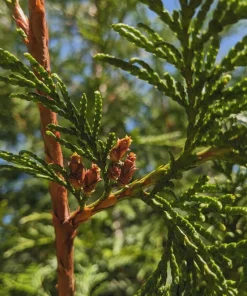
Bring the majestic beauty of the Pacific Northwest to your landscape with the western red cedar tree (Thuja plicata), also known as giant arborvitae or Pacific Red Cedar. This iconic evergreen conifer is revered for its rapid growth, aromatic foliage, and remarkable versatility. Unlike true cedars, Thuja plicata belongs to the cypress family, offering a distinctive, elegant, layered pattern in its rich green, scale-like leaves. When nurtured, this live plant can transform into a towering specimen or be expertly pruned to form an impenetrable, vibrant green privacy screen. Its resilience and striking appearance make it a favorite among gardeners and landscapers seeking a long-lived, low-maintenance solution for their outdoor spaces.
The western red cedar tree is not just a plant; it’s a piece of living history, deeply significant to Indigenous First Nations peoples as the “Tree of Life.” Its natural beauty and adaptability make it an excellent choice for a variety of uses, from reforestation projects to creating a serene backyard sanctuary. Whether you envision a towering natural monument or a perfectly manicured privacy hedge tree, this species delivers exceptional performance and aesthetic appeal across diverse climates in the US.
Key Benefits
Choosing a western red cedar tree for your garden brings a multitude of advantages, enhancing both the beauty and functionality of your outdoor environment. Its robust nature and attractive features make it a standout selection for various landscaping goals.
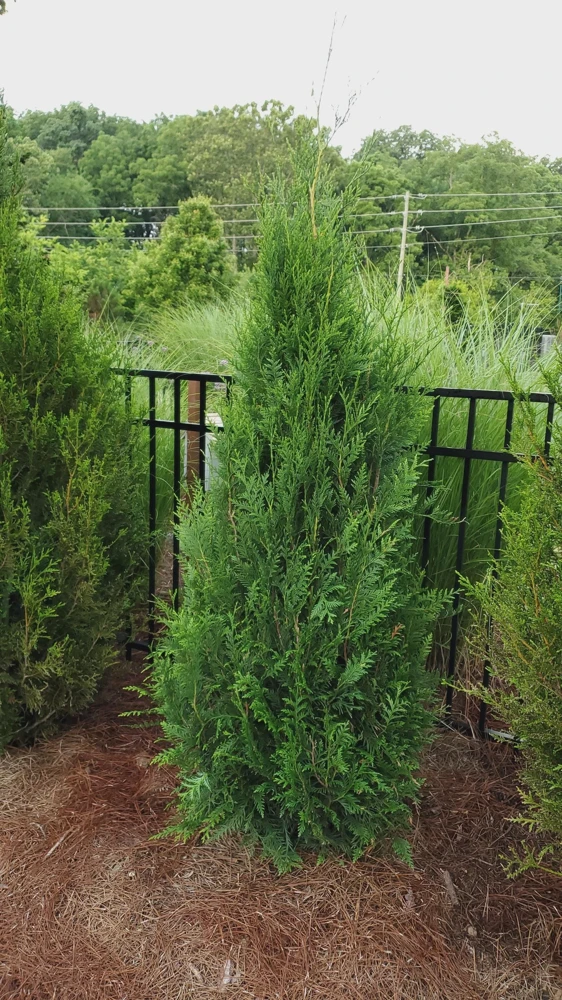
- Exceptional Privacy and Wind Protection: The dense, evergreen foliage of the western red cedar tree creates an immediate and effective barrier, offering unparalleled privacy and protection from wind. It can be easily maintained at heights from 6 to 20 feet, making it perfect for property borders.
- Rapid Growth Rate: Enjoy noticeable results quickly. This species is known for its fast growth, allowing you to establish a mature hedge or specimen tree in a relatively short period, providing faster gratification for your landscaping efforts.
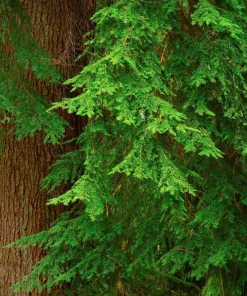
- Aromatic and Attractive Foliage: The soft, scale-like leaves are a beautiful rich green and release a pleasant, distinctive aroma, especially when brushed or pruned. This adds a sensory dimension to your garden.
- Versatile Landscaping Uses: Beyond hedges, the giant arborvitae can serve as a stunning specimen tree, a natural windbreak, or be incorporated into reforestation efforts. Its adaptability means it fits a variety of garden designs and functions.
- Low Maintenance and Long-Lived: Once established, the thuja plicata is remarkably resilient and requires minimal care, making it an excellent choice for both experienced and novice gardeners. It’s a long-term investment in your landscape that will provide beauty for decades.
- Native Significance and Heritage: Planting a western red cedar tree connects your garden to a rich cultural and ecological heritage. This native North American species holds deep historical importance, often called the “Tree of Life.”
- Adaptable to Various Conditions: While it prefers consistent moisture, this tree is adaptable to a range of well-drained soils and thrives in full sun to partial shade, making it suitable for many garden settings.
Plant Care & Growing Tips
Caring for your western red cedar tree is straightforward, ensuring it thrives and reaches its full potential as a magnificent landscape feature. Understanding its basic needs for sun, water, and soil will lead to a healthy, vigorous plant. This thuja plicata is a robust grower and responds well to proper care, making it a rewarding addition to any garden.
Sunlight: The giant arborvitae performs best in full sun, meaning at least 6 hours of direct sunlight per day. However, it is also tolerant of partial shade, especially in hotter climates where some afternoon shade can prevent scorching. Ensure adequate light exposure for optimal growth and foliage density, which is crucial for a dense privacy hedge tree. Watering: This tree prefers consistently moist soil, particularly when young and during dry spells. Water deeply and regularly, especially in its first few growing seasons, to encourage a strong root system. Once established, it can tolerate some drought but will benefit from supplemental watering during prolonged dry periods. Avoid waterlogging, as good drainage is essential.
Soil: The western red cedar tree is adaptable to a variety of soil types but thrives in well-drained, fertile soil. A slightly acidic to neutral pH is ideal. If your soil is heavy clay, amend it with organic matter like compost to improve drainage and aeration. For sandy soils, adding organic material will help retain moisture. Temperature & USDA Zones: This hardy evergreen is well-suited for a wide range of climates. While specific USDA zones can vary, it generally performs well in zones 5-7, adapting to colder winters and warmer summers. Protect young plants from extreme winter winds in the colder end of its range. Fertilization: A balanced, slow-release fertilizer applied in early spring can promote healthy growth. Avoid over-fertilizing, which can burn the roots. Always follow the product instructions. Pruning: The thuja plicata responds exceptionally well to pruning and shaping. For a formal hedge, prune in late winter or early spring before new growth emerges. Regular trimming will help maintain its desired size and density. For specimen trees, minimal pruning is needed, mainly to remove dead or damaged branches. Pests & Diseases: Generally resistant to most pests and diseases, keep an eye out for common evergreen issues like bagworms or spider mites. Address any problems early with appropriate organic or chemical treatments. Be aware that pollen and wood dust can be allergenic for some individuals.
Size & Details
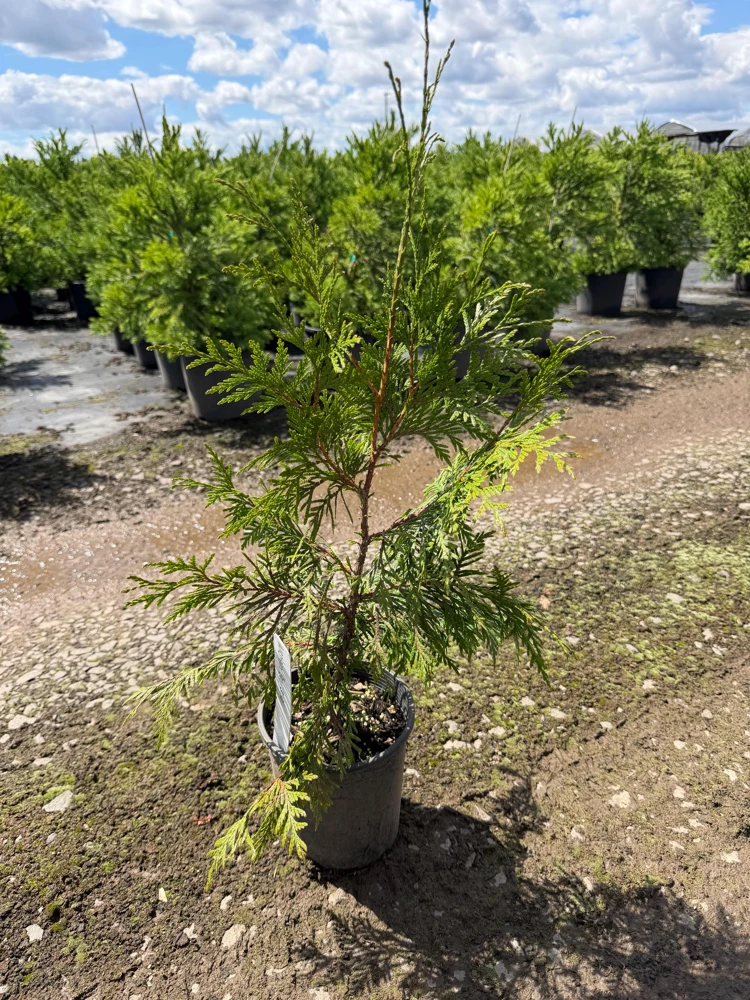
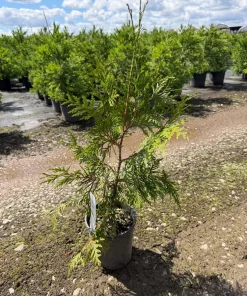
Our western red cedar tree live plant is carefully nurtured to ensure a healthy start in your garden. Each plant arrives ready for transplanting, offering a significant head start compared to seeds. This giant arborvitae is shipped in a #1 container size, indicating a well-established root system and robust top growth, typically ranging from 18 to 30 inches in height upon arrival, depending on the growing season and specific batch. The #1 container size provides ample soil for the plant’s initial development, making the transition to your garden seamless.
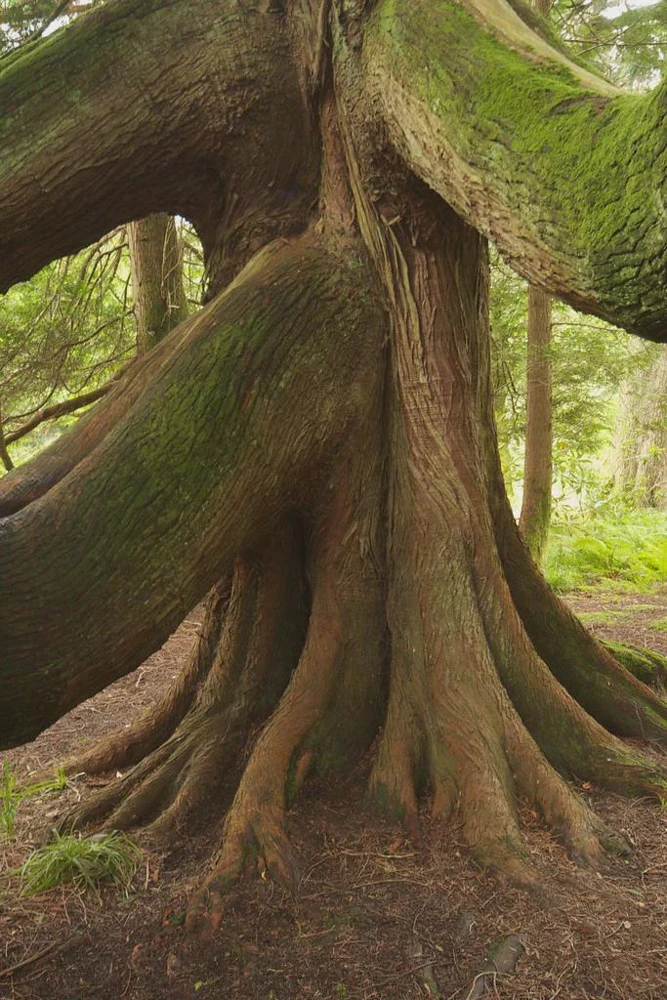
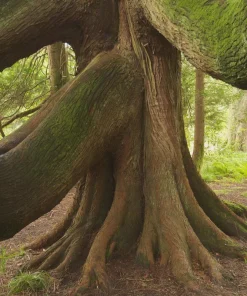
This fast growing evergreen can reach impressive mature sizes. Left unpruned in its natural environment, it can exceed 150-200 feet tall. However, with regular pruning and training, it is easily maintained as a dense privacy hedge tree between 6 and 20 feet tall, or as a smaller specimen tree. Its growth rate is considered fast, allowing you to quickly achieve your desired landscape effect. Expect rich green, aromatic foliage that adds year-round interest and texture to your outdoor space. The specific dimensions of the plant will vary with age and care, but its inherent vigor ensures a strong foundation for future growth.
Frequently Asked Questions
- Q: How big does this western red cedar tree get? A: If left unpruned, a western red cedar tree can grow to be very large, often exceeding 150-200 feet in its natural habitat. However, it can be easily maintained at heights between 6 and 20 feet when pruned regularly for hedges or smaller specimen trees.
- Q: What size pot does the plant come in? A: Our western red cedar tree live plant is shipped in a #1 container size, which provides a well-established root system and healthy top growth, typically ranging from 18 to 30 inches tall upon arrival.
- Q: Is this an indoor or outdoor plant? A: The western red cedar tree is an outdoor plant, best suited for landscaping in gardens, yards, and larger containers. It is not recommended as an indoor houseplant due to its size and light requirements.
- Q: How much sunlight does the giant arborvitae need? A: This giant arborvitae thrives in full sun, requiring at least 6 hours of direct sunlight daily. It can tolerate partial shade, but full sun encourages the densest foliage, which is ideal for a privacy hedge tree.
- Q: Is this tree easy to care for? A: Yes, the western red cedar tree is considered low-maintenance once established. It’s adaptable and responds well to pruning, making it a good choice for both beginner and experienced gardeners looking for a fast growing evergreen.
- Q: What condition will the plant arrive in? A: Your thuja plicata will arrive as a healthy, live plant in its #1 nursery container, with its roots intact and ready for planting. We pack carefully to ensure safe transit.
- Q: Can I use this tree for a privacy hedge? A: Absolutely! The western red cedar tree is an excellent choice for a privacy hedge. Its dense, evergreen foliage and fast growth rate allow it to create a beautiful and effective screen when planted in a row and properly pruned.
- Q: What is the best time to plant a western red cedar? A: The best time to plant a western red cedar tree is in spring or early fall, allowing the plant to establish its root system before extreme summer heat or winter cold.
- Q: What kind of soil does it prefer? A: This tree prefers well-drained, fertile soil. It is adaptable to various soil types but will benefit from amendments like compost if your soil is heavy clay or very sandy.
- Q: Will it survive winter in my zone? A: The western red cedar tree is generally hardy in USDA zones 5-7. If you are within these zones, it should tolerate winter conditions well, though young plants may benefit from protection in the colder parts of its range.
Be the first to review “Western Red Cedar Tree Live Plant – Giant Arborvitae #1 Container for Hedges”
People Also Viewed
Shrubs
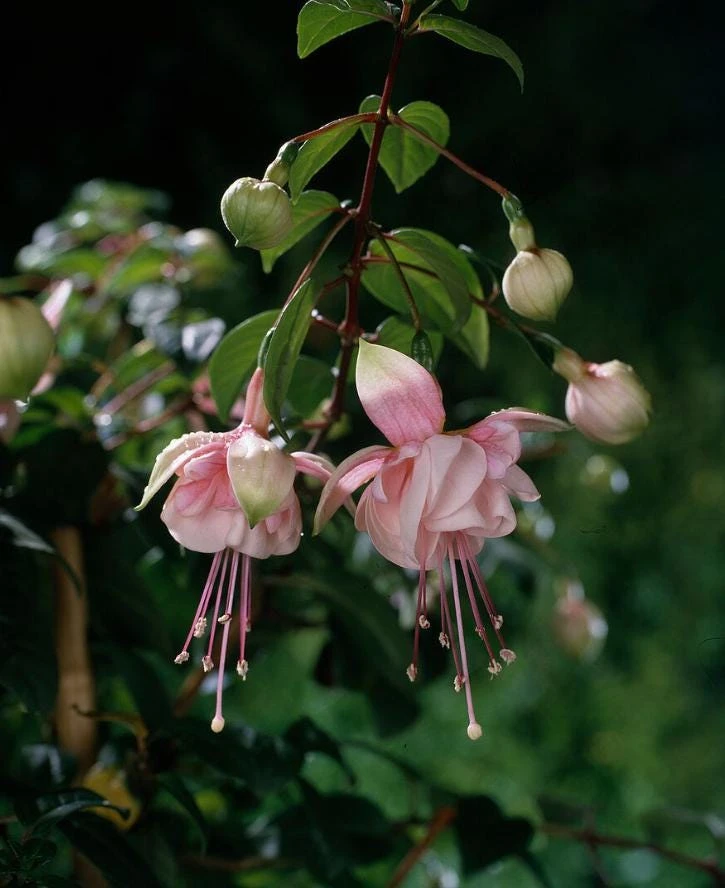
Southgate Fuchsia Live Plant – 5″ Pot – Pink & White Blooms – Attracts Hummingbirds – Outdoor Shrub
Uncategorized
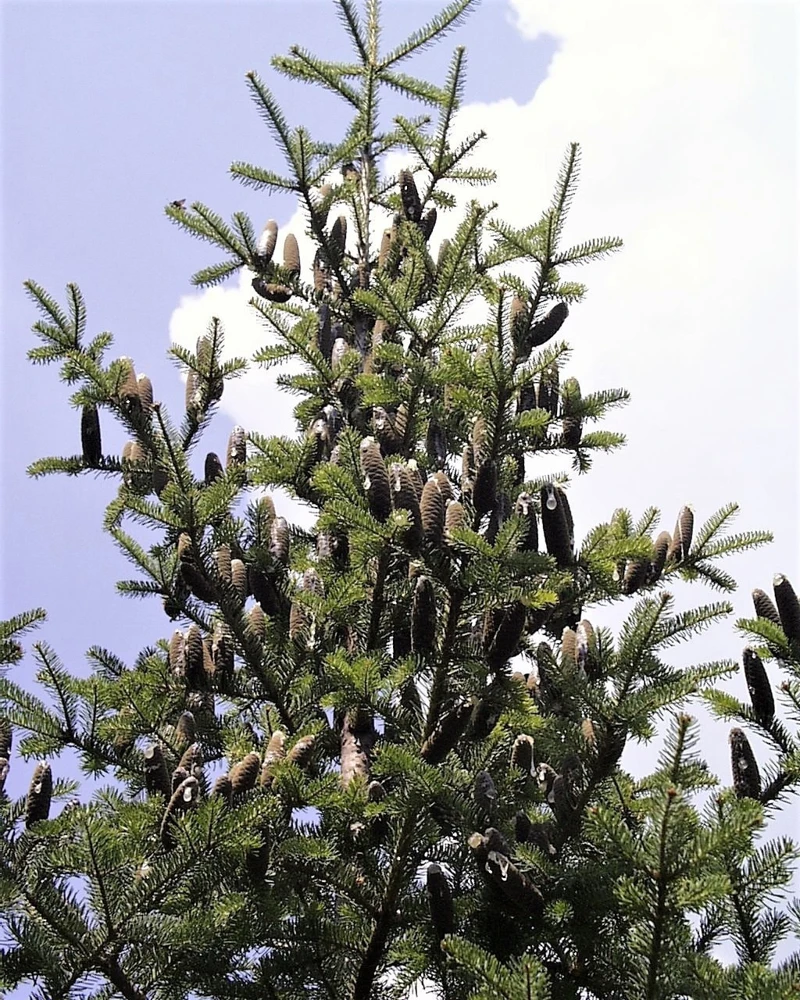
30 BALSAM FIR Tree Abies Balsamea Christmas Tree Silver Pine Canadian Fir Native Evergreen Seeds

Reviews
There are no reviews yet.