
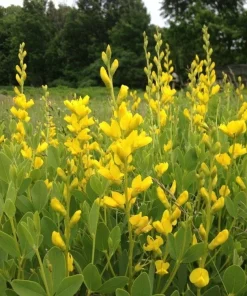
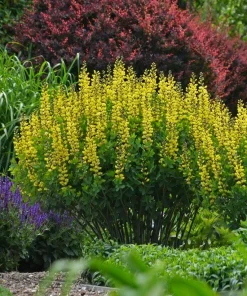
Yellow False Indigo Seeds – 100 Count Wildflower Seeds for Garden Planting
Original price was: $37.59.$17.59Current price is: $17.59.
Cultivate stunning yellow false indigo seeds in your garden with this convenient 100-count pack. These native wildflower seeds produce drought-tolerant plants that attract pollinators and add vibrant color to any landscape. Ideal for gardeners seeking low-maintenance beauty and ecological benefits.
Estimated arrival
Oct 15
Oct 20 - Oct 22
Oct 25 - Oct 29
Shop With Confidence
30-Day Plant Health Guarantee
Arrives damaged? We’ll replace it free — see our return policy.
Responsive Support
Email us anytime, we reply within 1 business day.
Expert Packaging
Temperature-controlled shipping to protect your plants in transit.
Secure Checkout
Pay safely with Visa, Mastercard, PayPal.
Plant Specifications
-
USDA Hardiness Zone
USDA Zones 4-9 -
Soil Type
Well-draining soil, adaptable to sandy, loamy, or clay -
Sunlight Exposure
Full sun (6-8+ hours daily) -
Expected Planting Period
Spring or Fall
Overview
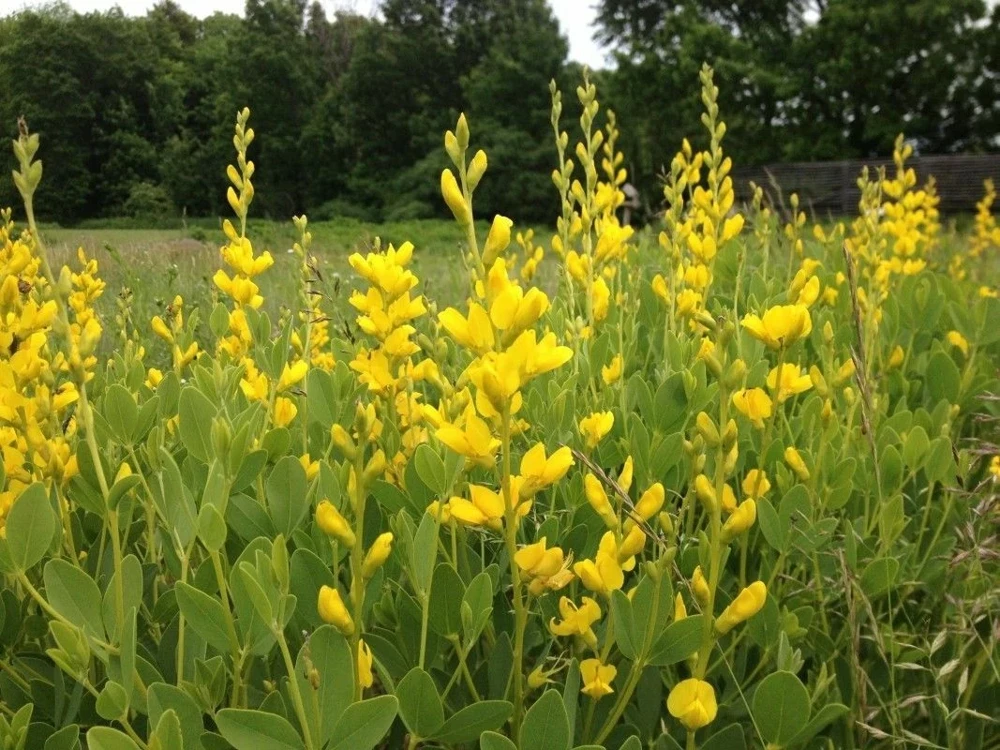
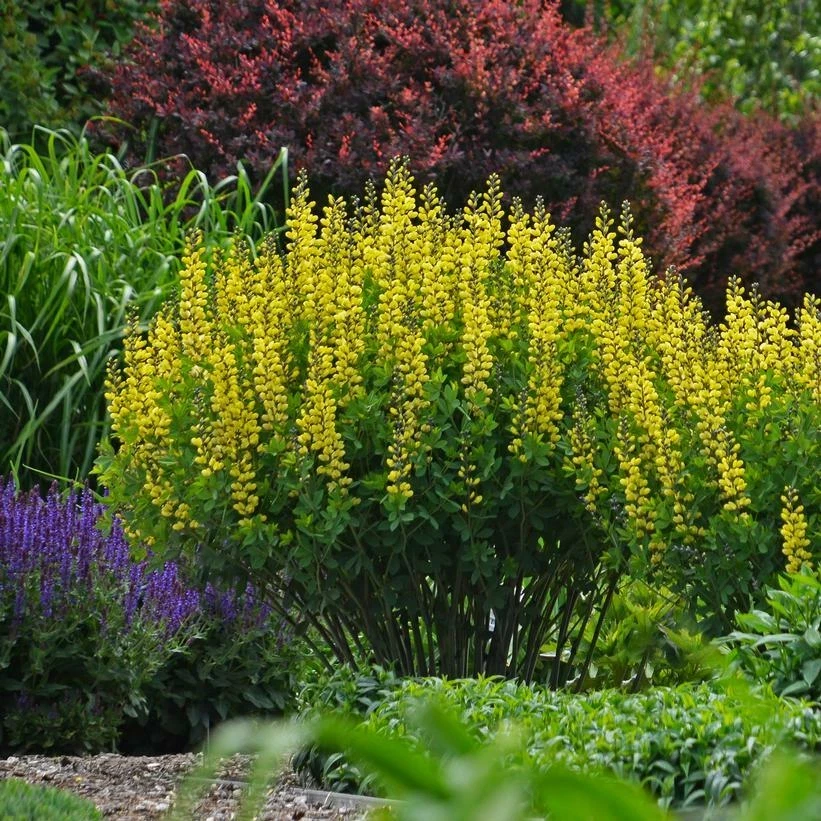
Transform your garden into a pollinator’s paradise with our premium yellow false indigo seeds. This pack contains 100 high-quality seeds, ready to grow into robust and beautiful plants. Baptisia sphaerocarpa, commonly known as yellow false indigo, is a spectacular native perennial renowned for its striking spires of bright yellow, pea-like flowers that emerge in late spring or early summer. These plants are not only visually appealing but also incredibly hardy and drought-tolerant once established, making them a fantastic choice for sustainable gardening. Unlike many other plants, yellow false indigo seeds allow you to grow these magnificent legumes from scratch, offering a rewarding experience as you watch them mature from tiny seeds into impressive, long-lived garden specimens. With their deep taproots, these plants are excellent for improving soil health and resisting dry conditions, providing beauty and resilience year after year.
Key Benefits
Adding yellow false indigo seeds to your garden offers a multitude of advantages, enhancing both its aesthetic appeal and ecological value. These plants are a cornerstone for a vibrant and healthy ecosystem.
- Attracts Pollinators: The bright yellow flowers are a magnet for bees, butterflies, and other beneficial insects, supporting local biodiversity. Planting yellow false indigo seeds helps create a thriving habitat for these essential garden helpers.
- Drought-Tolerant: Once established, this native perennial requires minimal watering, making it an excellent choice for xeriscaping or gardens in drier climates. This resilience contributes to a low-maintenance garden.
- Deer Resistant: Deer tend to leave false indigo alone, ensuring your beautiful blooms remain intact and undisturbed. This makes it a great option for gardens prone to deer browsing.
- Long-Lived Perennial: False indigo is a long-term investment, returning year after year with increasing vigor and beauty. Its robust nature ensures years of enjoyment from a single planting of baptisia australis seeds.
- Nitrogen Fixer: As a legume, yellow false indigo enriches the soil by fixing atmospheric nitrogen, benefiting surrounding plants. This natural process improves soil fertility over time.
- Architectural Interest: The tall, upright flower spikes and attractive blue-green foliage provide significant structural interest in the garden, even when not in bloom. It adds a strong visual element to garden designs.
- Low Maintenance: Beyond initial establishment, false indigo requires very little care, thriving with minimal intervention. This makes it perfect for busy gardeners or those new to native plants.
Plant Care & Growing Tips
Growing yellow false indigo seeds is a rewarding experience, and with the right care, these plants will flourish. False indigo prefers a location with full sun, meaning at least 6-8 hours of direct sunlight per day. While it can tolerate some partial shade, too much shade can lead to leggy growth and fewer flowers. When planting your yellow false indigo seeds, ensure the soil is well-draining. False indigo is adaptable to various soil types, including sandy, loamy, or clay soils, as long as drainage is adequate. It performs best in average to poor soils and does not require rich soil, often preferring less fertile conditions.
Watering is crucial during the establishment phase. Keep the soil consistently moist but not waterlogged until the seedlings are well-rooted. Once mature, false indigo is remarkably drought-tolerant due to its deep taproot system, requiring infrequent watering unless there are prolonged dry spells. Fertilization is generally not needed for this native plant, as it is a nitrogen fixer, naturally improving soil fertility. If your soil is extremely poor, a light application of a balanced, slow-release fertilizer in early spring can be beneficial. These plants are hardy in USDA Zones 4-9. They are quite resilient to cold winters and hot summers, making them a versatile choice for many regions. Consider adding this beautiful false indigo plant to your garden for its beauty and hardiness.
Common issues are few, but watch for powdery mildew in humid conditions or if plants are too crowded. Ensure good air circulation to prevent this. Pests are rarely a problem, as the plant’s natural compounds deter most insects. Deadheading spent flower stalks is not strictly necessary but can improve the plant’s appearance and prevent self-seeding if desired. For best results, consider scarifying the yellow wildflower seeds before planting to aid germination.
Size & Details
This offering includes 100 yellow false indigo seeds, providing a generous quantity for planting a significant area or sharing with fellow gardeners. Once established, the false indigo plant typically grows to a mature height of 3 to 4 feet and spreads about 3 to 4 feet wide, forming an attractive, bushy clump. Its growth rate is moderate, establishing a strong root system in the first year and producing more substantial blooms in subsequent years. The seeds are best planted in spring or fall, allowing ample time for germination and root development. Expect the first significant flowering display from your native plant seeds starting in the second or third year after planting, with the plant reaching its full majestic size within 3-5 years.
The seeds are shipped in a protective packet to ensure viability. Each seed carries the potential for a robust plant that will contribute to the beauty and ecology of your landscape for decades. The deep taproot system means that once mature, the plant is difficult to transplant, so choose its permanent location carefully. These seeds offer a cost-effective way to introduce this stunning and beneficial perennial to your garden, creating a long-lasting impact with its vibrant yellow blooms and attractive foliage.
Frequently Asked Questions
- Q: How big does this false indigo plant get? A: The false indigo plant typically reaches a mature height and spread of about 3 to 4 feet. It forms a substantial, bushy clump that provides significant presence in the garden, creating a beautiful focal point with its upright flower spikes.
- Q: Is this an indoor or outdoor plant? A: Yellow false indigo is primarily an outdoor plant. It thrives in full sun conditions in garden beds, borders, and naturalized areas. While you can start yellow false indigo seeds indoors, the mature plant is not suitable for long-term indoor cultivation.
- Q: How much sunlight does yellow false indigo need? A: For optimal growth and flowering, yellow false indigo requires full sun, meaning at least 6 to 8 hours of direct sunlight per day. It can tolerate some light afternoon shade, especially in hotter climates, but too much shade will reduce flower production.
- Q: Is this plant easy to care for? A: Yes, yellow false indigo is considered a very easy-care plant, especially once established. It is drought-tolerant, deer-resistant, and generally pest and disease-free. It’s an excellent choice for both beginner and experienced gardeners looking for a low-maintenance perennial.
- Q: What condition will the seeds arrive in? A: Your yellow false indigo seeds will arrive in a well-packaged, protective packet designed to maintain their viability. We ensure they are fresh and ready for planting, providing you with the best start for your garden project.
- Q: When is the best time to plant yellow false indigo seeds? A: The best time to plant yellow false indigo seeds is in the spring after the last frost or in the fall, about 6-8 weeks before the first hard frost. This allows for proper stratification (if needed) and germination.
- Q: Will yellow false indigo survive winter in my zone? A: Yellow false indigo is extremely hardy and will survive winter in USDA Zones 4 through 9. Its deep taproot helps it withstand freezing temperatures and ensures it returns reliably each spring.
- Q: Do I need to treat the seeds before planting? A: For improved germination rates, it is often recommended to scarify baptisia australis seeds (lightly scratch the seed coat) and then stratify them (expose to cold, moist conditions) for a few weeks before planting.
- Q: What kind of soil does this plant prefer? A: This yellow wildflower seeds plant prefers well-draining soil and is adaptable to various soil types, including sandy, loamy, or clay. It surprisingly thrives in average to poor soil conditions and does not require rich, heavily amended soil.
- Q: Are these native plant seeds? A: Yes, these are native plant seeds for yellow false indigo (Baptisia sphaerocarpa), which is native to parts of the central and southeastern United States. Planting native species like this supports local ecosystems and wildlife.
Be the first to review “Yellow False Indigo Seeds – 100 Count Wildflower Seeds for Garden Planting”
People Also Viewed
Reviews
There are no reviews yet.