
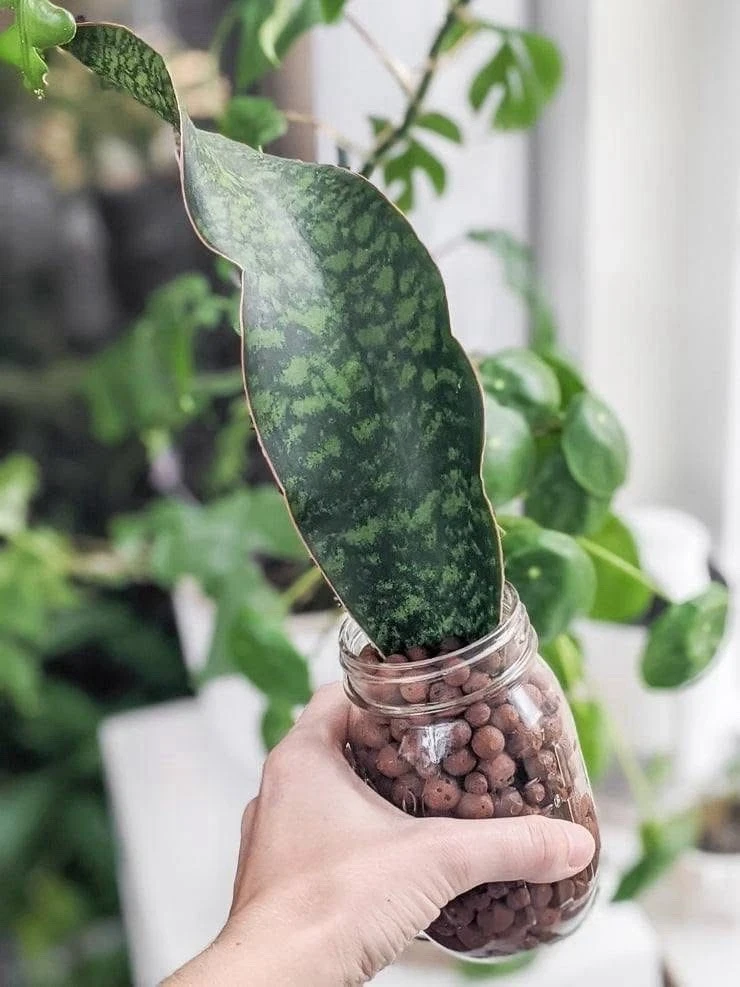
Whale Fin Snake Plant Live – Sansevieria masoniana Rare Indoor Houseplant
Original price was: $36.99.$29.99Current price is: $29.99.
Elevate your indoor garden with the unique whale fin snake plant live. This striking Sansevieria masoniana care is known for its single, broad leaf, making it a captivating and easy-care addition to any home. A perfect low-maintenance houseplant for beginners and collectors alike.
Estimated arrival
Oct 27
Nov 01 - Nov 03
Nov 06 - Nov 10
Shop With Confidence
30-Day Plant Health Guarantee
Arrives damaged? We’ll replace it free — see our return policy.
Responsive Support
Email us anytime, we reply within 1 business day.
Expert Packaging
Temperature-controlled shipping to protect your plants in transit.
Secure Checkout
Pay safely with Visa, Mastercard, PayPal.
Plant Specifications
-
USDA Hardiness Zone
year-round indoors -
Soil Type
well-draining potting mix -
Sunlight Exposure
bright indirect light -
Expected Planting Period
year-round indoors
Overview
Introduce a touch of exotic elegance to your living space with the magnificent whale fin snake plant live. This highly sought-after variety of Sansevieria masoniana care, also commonly known as the Whale Fin Sansevieria, is a true botanical marvel. Unlike traditional snake plants, it typically produces just one or two exceptionally wide, paddle-shaped leaves that can resemble a whale’s fin, hence its charming name. Each leaf boasts a rich, dark green color with subtle cross-banding, adding a sculptural and modern aesthetic to any room. This rare snake plant is not just visually stunning; it’s also a robust and forgiving specimen, making it an ideal choice for both seasoned plant enthusiasts and those new to the world of indoor gardening. Its architectural form and striking presence make it a focal point in any interior design.
Key Benefits
The whale fin snake plant live offers a multitude of advantages beyond its captivating appearance. It’s a plant that works hard to enhance your home environment while demanding very little in return. Here are some of the key benefits:
- Exceptional Air Purification: Like other snake plants, the whale fin snake plant live is renowned for its ability to filter indoor air. It effectively removes toxins such as formaldehyde, benzene, and trichloroethylene, contributing to a healthier home environment, especially at night when most plants cease photosynthesis.
- Striking Architectural Design: With its unique, broad, paddle-like leaves, this plant serves as a living piece of art. Its sculptural form adds a modern, minimalist touch to any decor, making it a conversation starter and a focal point in your home or office. This is truly a rare snake plant that stands out.
- Incredibly Low Maintenance: This plant is incredibly resilient and forgiving, perfect for busy individuals or those new to plant care. It tolerates infrequent watering and a wide range of light conditions, making it a perfect low-maintenance houseplant.
- Drought Tolerant: The thick, succulent leaves of the Sansevieria masoniana store water efficiently, allowing it to go for extended periods without watering. This makes it an excellent choice for those who travel frequently or tend to forget watering schedules.
- Adaptable to Various Light Conditions: While it thrives in bright, indirect light, the whale fin snake plant live can also adapt to lower light environments, making it versatile for placement in different areas of your home. However, too little light can slow its growth.
- Compact Growth Habit: Despite its large individual leaves, the overall plant remains relatively compact, making it suitable for smaller spaces, desks, or shelves where a statement plant is desired without taking up too much room.
- Pet-Friendly (with caution): While not entirely non-toxic, it’s considered less toxic than some other houseplants. However, it’s still best to keep it out of reach of curious pets and children, as ingestion can cause mild digestive upset.
Plant Care & Growing Tips
Caring for your whale fin snake plant live is remarkably straightforward, making it one of the easiest houseplants to keep thriving. Understanding its basic needs will ensure your Sansevieria masoniana care routine is effective and simple. For optimal growth, place your plant in an area that receives bright, indirect light. While it can tolerate lower light conditions, brighter light encourages more vigorous growth and potentially more pronounced leaf patterns. Avoid direct, harsh sunlight, which can scorch its unique leaves, especially in the afternoon.
When it comes to watering, less is definitely more for this resilient plant. Allow the soil to dry out completely between waterings. Overwatering is the most common cause of issues for snake plants, leading to root rot. During the growing season (spring and summer), you might water every 2-4 weeks, reducing frequency significantly in fall and winter to once a month or even less. Always check the soil moisture with your finger before watering. The ideal soil for your indoor snake plant should be well-draining. A standard succulent or cactus potting mix is perfect, or you can amend regular potting soil with perlite or coarse sand to improve drainage. This ensures that excess water doesn’t sit around the roots.
The Whale Fin Snake Plant prefers average room temperatures between 65-80°F (18-27°C) and can tolerate typical household humidity levels. Avoid exposing it to temperatures below 50°F (10°C), as it is sensitive to cold. Fertilize sparingly; a balanced liquid houseplant fertilizer diluted to half strength can be applied once or twice during the spring and summer months. This low-maintenance houseplant generally doesn’t require frequent feeding. Common problems are usually related to overwatering. If you notice yellowing leaves or a mushy base, reduce watering immediately. Pests are rarely an issue, but occasionally mealybugs or spider mites might appear; these can be treated with neem oil or insecticidal soap.
Size & Details
The whale fin snake plant live is cherished for its distinctive size and form. Typically, a mature single leaf can reach heights of 2 to 4 feet (60-120 cm) and widths of 6 to 10 inches (15-25 cm), creating a dramatic visual impact. While it can produce multiple leaves over time, it often maintains a singular, impressive fin-like structure for extended periods. This particular offering provides a healthy, established plant, ready to thrive in your home. It usually ships as a well-rooted plant in a nursery pot, ensuring it arrives ready for minimal transplant shock. The growth rate is moderate, with new leaves emerging from the base as the plant matures. Expect your rare snake plant to slowly unfurl its majestic leaves, adding character and charm to your space over the years.
This plant is ideal for those looking for a statement piece that doesn’t demand constant attention. Its unique growth habit and impressive size make it suitable for floor placement or on a sturdy plant stand where its broad leaves can be admired. The plant will arrive carefully packaged to protect its unique structure during transit, ensuring a safe journey to its new home. Proper Sansevieria masoniana care will allow this plant to grow into a truly impressive specimen.
Frequently Asked Questions
- Q: How big does this plant get? A: A single leaf of the whale fin snake plant live can grow to be 2 to 4 feet tall and 6 to 10 inches wide. While it can produce multiple leaves, it often maintains a striking single-fin appearance for a long time, making it a substantial and eye-catching specimen.
- Q: What size pot does it come in? A: The plant typically arrives in a standard nursery pot, the size of which is appropriate for its current growth stage, usually around 4-6 inches in diameter, providing a good base for its initial placement and growth.
- Q: Is this an indoor or outdoor plant? A: The whale fin snake plant live is primarily cultivated as an indoor houseplant in most climates due to its sensitivity to cold. It thrives in warm, stable indoor environments, though it can be moved outdoors in shaded areas during warm summer months in appropriate USDA zones.
- Q: How much sunlight does it need? A: This indoor snake plant prefers bright, indirect light. It can tolerate lower light conditions, but for best growth and color, provide it with plenty of ambient light. Avoid direct, harsh sunlight, especially during the hottest parts of the day.
- Q: Is this plant easy to care for? A: Yes, the Whale Fin Snake Plant is considered one of the easiest and most forgiving houseplants. Its drought tolerance and adaptability to varying light make it a perfect low-maintenance houseplant, suitable for beginners and busy plant owners.
- Q: What condition will it arrive in? A: Your whale fin snake plant live will arrive carefully packaged to protect its unique leaf structure. It will be a healthy, well-rooted plant in its nursery pot, ready for you to place and enjoy in your home.
- Q: Is it pet-safe? A: While considered less toxic than some other plants, the Sansevieria masoniana can cause mild digestive upset if ingested by pets or humans. It’s always best to keep it out of reach of curious animals and children.
- Q: How often should I water my Sansevieria masoniana? A: Water sparingly. Allow the soil to dry out completely between waterings. In most indoor environments, this means watering every 2-4 weeks during warmer months and even less frequently in winter. Overwatering is the biggest risk for this plant.
- Q: What kind of soil is best for a whale fin snake plant? A: A well-draining soil mix is crucial. A succulent or cactus potting mix is ideal, or you can create your own by amending regular potting soil with perlite or coarse sand to ensure excellent drainage. This helps prevent root rot, a common issue for Sansevieria masoniana care.
- Q: Will this rare snake plant flower indoors? A: While rare, Sansevieria masoniana can produce flower spikes, especially if it’s mature and slightly stressed (in a good way, like being root-bound). The flowers are typically fragrant, greenish-white, and grow on a tall stalk.
Be the first to review “Whale Fin Snake Plant Live – Sansevieria masoniana Rare Indoor Houseplant”
People Also Viewed
Flower Seeds



Flower Seeds
Reviews
There are no reviews yet.