



Sweet Mock Orange Shrub – Live Plant – 6-12″ Tall – Quart Pot – Fragrant White Blooms
Original price was: $57.98.$31.99Current price is: $31.99.
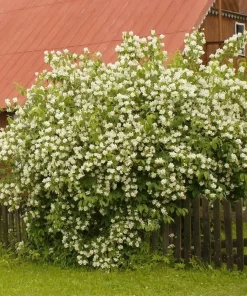
Bring intoxicating fragrance and elegant charm to your garden with the sweet mock orange shrub. This fragrant mock orange live plant, approximately 6-12 inches tall and shipped in a quart pot, produces beautiful white, star-shaped blooms. Ideal for hedges or as a focal point, it thrives in USDA zones 4-8 and attracts pollinators.
Estimated arrival
Oct 14
Oct 19 - Oct 21
Oct 24 - Oct 28
Shop With Confidence
30-Day Plant Health Guarantee
Arrives damaged? We’ll replace it free — see our return policy.
Responsive Support
Email us anytime, we reply within 1 business day.
Expert Packaging
Temperature-controlled shipping to protect your plants in transit.
Secure Checkout
Pay safely with Visa, Mastercard, PayPal.
Plant Specifications
-
USDA Hardiness Zone
USDA zones 4-8 -
Soil Type
Well-draining soil -
Sunlight Exposure
Full sun to partial shade -
Expected Planting Period
Spring to early summer
Overview
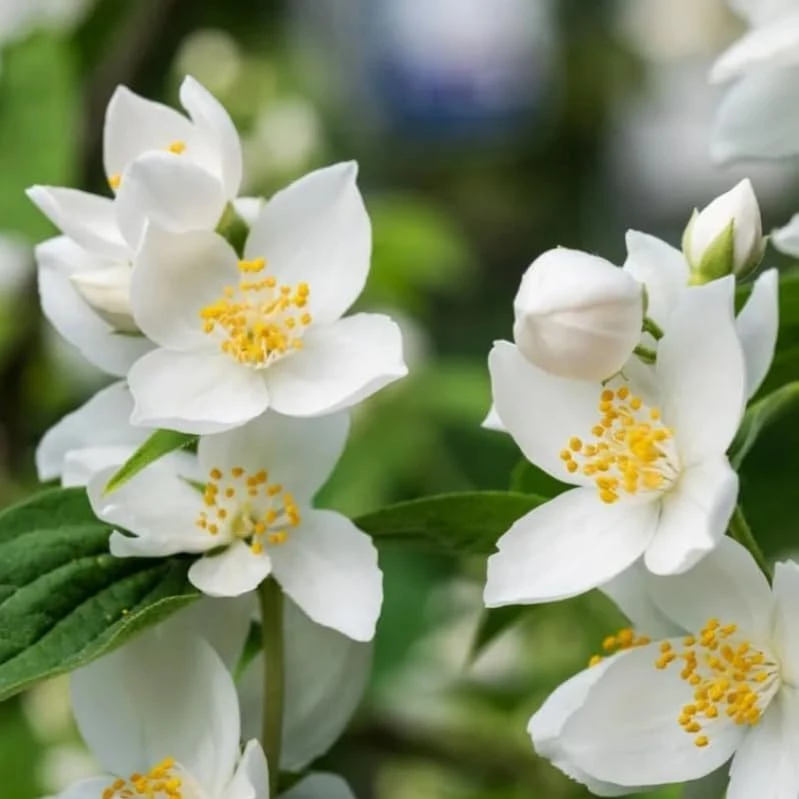
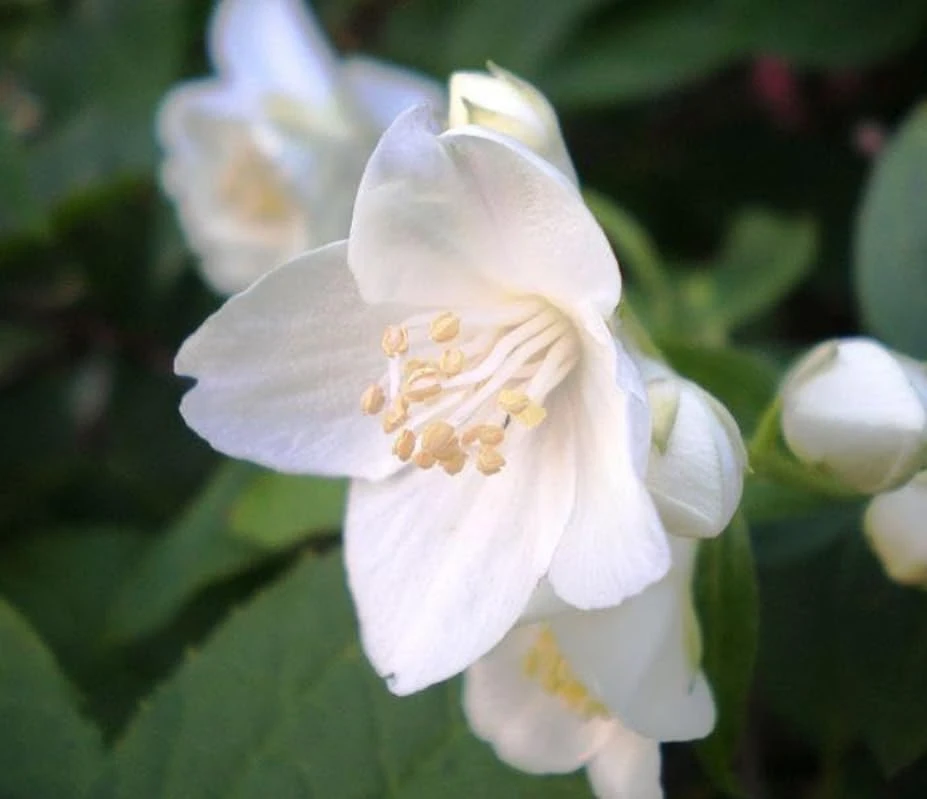
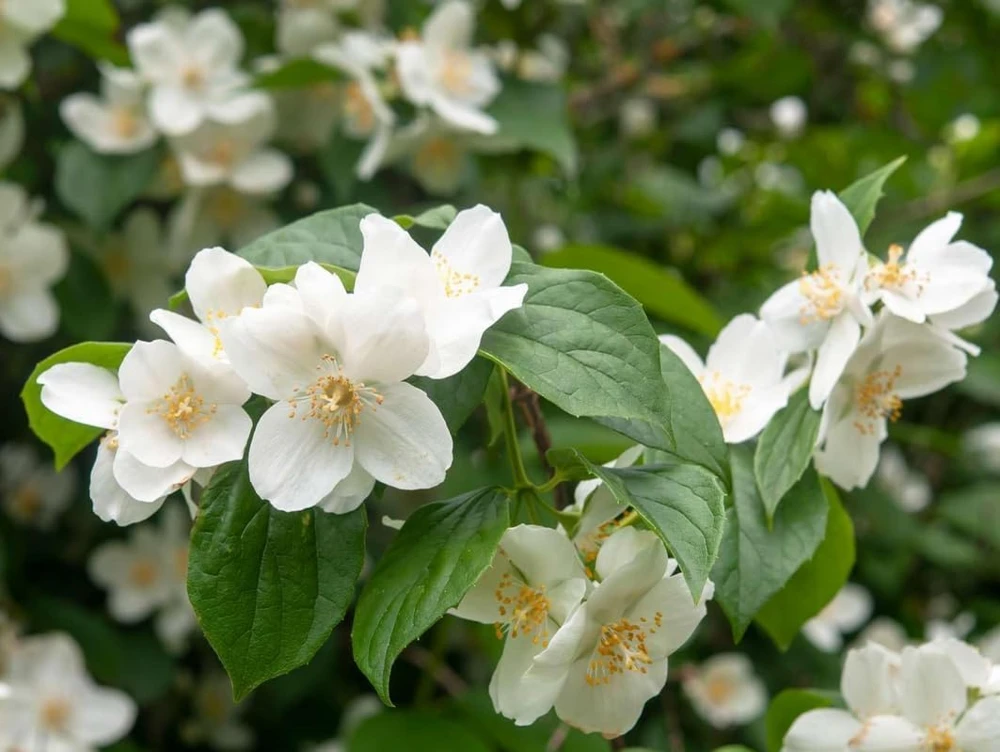
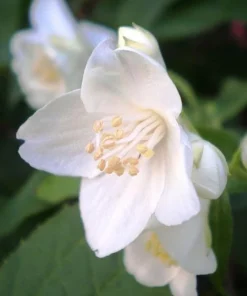
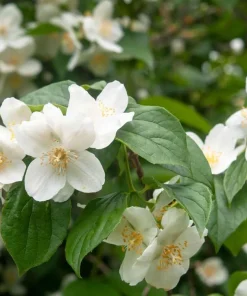
The sweet mock orange shrub (Philadelphus coronarius) is a garden classic renowned for its captivating fragrance and timeless beauty. This deciduous shrub is a true delight, gracing landscapes with cascades of creamy white, star-shaped blooms from late spring to early summer. These exquisite flowers fill the air with a sweet, citrusy aroma, often compared to orange blossoms or gardenias, creating an enchanting sensory experience in any outdoor space. As a live plant, it arrives ready to be planted and established in your garden, promising years of aromatic pleasure. The Sweet Mock Orange is an excellent choice for gardeners seeking a plant that combines visual appeal with an unforgettable scent.
Originating from Southern Europe and the Caucasus, the philadelphus coronarius is a resilient and adaptable shrub. It’s cherished not only for its fragrant blossoms but also for its lush green foliage that provides a beautiful backdrop throughout the growing season. Whether you’re looking to create a fragrant hedge, a stunning focal point, or contribute to a pollinator-friendly garden, this shrub offers versatile landscaping solutions. Its ease of care and robust nature make it suitable for both novice and experienced gardeners.
Key Benefits
The sweet mock orange shrub offers a multitude of benefits that make it a highly desirable addition to any garden. Its charming characteristics contribute significantly to both the aesthetic appeal and ecological health of your landscape. This plant truly delivers on beauty and functionality.
- Heavenly Fragrance: The most celebrated feature of the Sweet Mock Orange is its intoxicating scent. Profuse white blooms emit a sweet, citrus-like aroma that perfumes the air, creating a delightful atmosphere in your garden and attracting beneficial insects. This natural fragrance is far superior to artificial air fresheners.
- Versatile Landscaping Use: This adaptable shrub is perfect for a variety of garden applications. It can be used to create stunning informal hedges, define borders, or serve as a captivating decorative focal point. Its upright, arching growth habit adds structure and elegance to any design.
- Attracts Pollinators: The highly fragrant blooms are a magnet for bees, butterflies, and other beneficial pollinators. By planting a mockorange bush, you’re not only enhancing the beauty of your garden but also supporting local ecosystems and promoting biodiversity.
- Low-Maintenance & Hardy: Thriving in USDA zones 4-8, the Sweet Mock Orange is remarkably resilient and easy to care for. It tolerates a variety of soil types and conditions, making it a robust choice for many climates. This means less work for you and more enjoyment.
- Beautiful White Blooms: Beyond their scent, the creamy white, star-shaped flowers are visually stunning. They provide a striking contrast against the dark green foliage, adding a touch of classic elegance to your garden during its blooming period in late spring to early summer.
- Deer Resistant: Generally, deer tend to avoid mock orange shrubs, making it a good choice for areas where deer browsing can be a problem. This helps ensure your plant remains healthy and beautiful without constant protection.
- Adaptable to Sun or Partial Shade: The Sweet Mock Orange exhibits good adaptability to different light conditions, performing well in both full sun and partial shade. This flexibility allows for broader placement options within your garden design.
Plant Care & Growing Tips
Caring for your sweet mock orange shrub is relatively straightforward, making it an excellent choice for gardeners of all experience levels. Understanding its basic needs will ensure a healthy, vigorous plant with abundant, fragrant blooms. Proper planting and ongoing maintenance are key to a thriving fragrant mock orange.
Sunlight Requirements: The Sweet Mock Orange performs best in full sun, meaning at least 6 hours of direct sunlight per day. However, it is quite adaptable and will also tolerate partial shade, especially in hotter climates where some afternoon shade can prevent leaf scorch. In shadier conditions, you might experience slightly fewer blooms, but the plant will still grow well. Ensure it receives adequate light for optimal flowering.
Watering & Soil: This shrub prefers consistently moist but well-draining soil. While established plants are somewhat drought-tolerant, regular watering is crucial during dry spells and in the first year after planting to help it establish a strong root system. Avoid waterlogging, as this can lead to root rot. The Sweet Mock Orange is not particular about soil type and can thrive in clay, loam, or sandy soils, as long as drainage is adequate. A slightly acidic to neutral pH is generally preferred. Amending heavy clay soils with organic matter can improve drainage.
Temperature & Hardiness: The philadelphus coronarius is hardy in USDA zones 4 through 8, making it suitable for a wide range of climates across the United States. It is quite tolerant of cold winters and hot summers within this range. No special winter protection is typically needed once established in its appropriate zone. However, young plants may benefit from a layer of mulch around the base in their first winter to help insulate the roots.
Fertilization & Pruning: Fertilize your Sweet Mock Orange in early spring with a balanced, slow-release granular fertilizer formulated for flowering shrubs. Avoid over-fertilizing, which can promote leafy growth at the expense of flowers. Pruning is best done immediately after flowering in late spring to early summer. This encourages new growth that will bear flowers the following year. Remove any dead, damaged, or crossing branches, and thin out older, less productive stems to maintain an open structure and promote air circulation. You can also prune to control size and shape, especially if using it as a hedge.
Size & Details
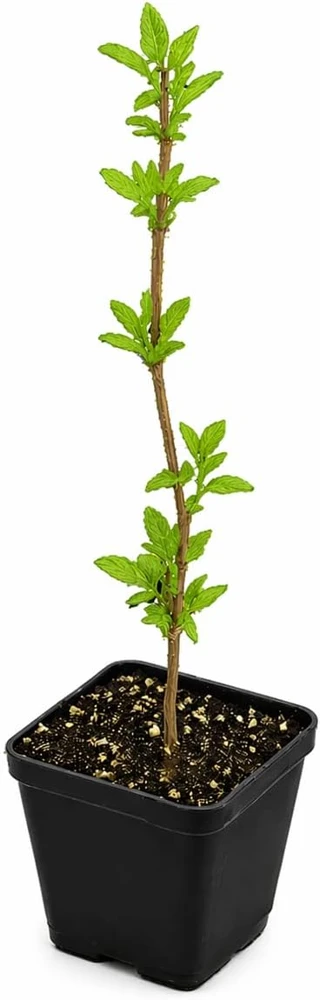
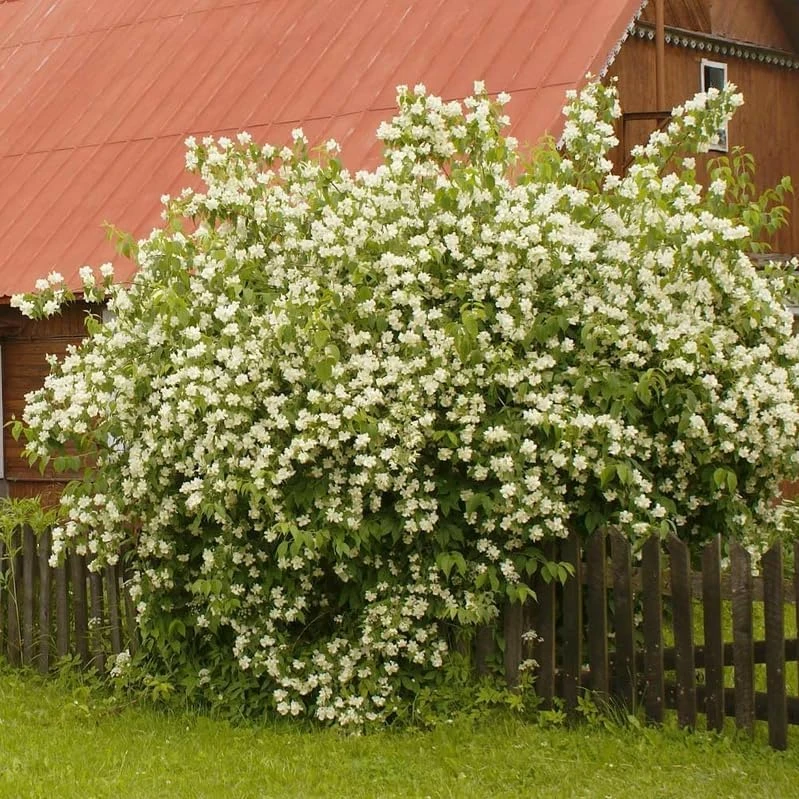
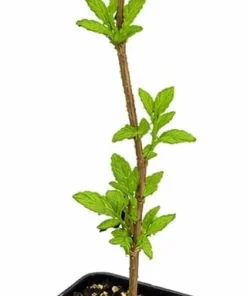
This sweet mock orange shrub is supplied as a healthy live plant, approximately 6 to 12 inches tall, and is shipped in a quart-sized pot. This size provides a robust starting point for establishing the plant in your garden. The plant’s initial height allows for easy handling and quick acclimation to its new environment. Once mature, the Sweet Mock Orange typically grows to a height of 8 to 10 feet with a similar spread, forming a dense, rounded shrub. Its growth rate is moderate, meaning it will establish and reach its mature size within a few years with proper care.
The plant will arrive with a well-developed root system within its quart pot, ready for transplanting. Expect the first fragrant white blooms in late spring to early summer, typically within the first year or two after planting, depending on planting time and growing conditions. The deciduous nature of the mock orange plant care means it will shed its leaves in autumn, providing a period of dormancy before returning with fresh foliage and flowers in the spring. This mature size makes it perfect for creating a substantial hedge, a striking specimen plant, or a background plant in a mixed border.
Frequently Asked Questions
- Q: How big does this Sweet Mock Orange Shrub get? A: This sweet mock orange shrub typically grows to a mature height of 8 to 10 feet tall with a similar spread. It forms a dense, rounded bush, making it ideal for hedges or as a prominent garden feature.
- Q: Is this an indoor or outdoor plant? A: The Sweet Mock Orange (Philadelphus coronarius) is an outdoor plant. It is a hardy deciduous shrub that thrives in garden settings within USDA zones 4-8 and is not suitable for long-term indoor cultivation.
- Q: How much sunlight does the Sweet Mock Orange need? A: This shrub prefers full sun, meaning at least 6 hours of direct sunlight daily, for optimal flowering. It can also tolerate partial shade, especially in warmer climates, though blooming may be slightly less profuse.
- Q: Is this plant easy to care for? A: Yes, the mock orange plant care is considered low-maintenance and hardy. It adapts to various soil types and is quite resilient once established, making it a good choice for beginner gardeners.
- Q: What condition will the plant arrive in? A: Your Sweet Mock Orange plant will arrive as a live plant, approximately 6-12 inches tall, and securely rooted in a quart pot. It will be carefully packaged to ensure it arrives healthy and ready for planting.
- Q: When is the best time to plant a Sweet Mock Orange? A: The best time to plant a Sweet Mock Orange is in spring or early fall. This allows the plant to establish its root system before the extreme temperatures of summer or winter.
- Q: How long until my Sweet Mock Orange blooms? A: Most fragrant mock orange shrubs will begin to bloom within the first year or two after planting, especially if planted in spring and given proper care. Mature plants produce an abundance of flowers in late spring to early summer.
- Q: What are the best uses for a Mock Orange bush in the landscape? A: The mockorange bush is highly versatile. It’s excellent for creating fragrant hedges, privacy screens, accentuating garden borders, or serving as a stunning focal point due to its beautiful white flowers and attractive form.
- Q: Does the Sweet Mock Orange attract pollinators? A: Absolutely! The highly fragrant, nectar-rich flowers of the Sweet Mock Orange are a strong attractant for bees, butterflies, and other beneficial pollinators, making it an excellent addition for supporting local wildlife.
- Q: Will it survive winter in my zone? A: The Sweet Mock Orange is hardy in USDA zones 4-8. If you are within these zones, your plant should survive winter without special protection once it is established.
Be the first to review “Sweet Mock Orange Shrub – Live Plant – 6-12″ Tall – Quart Pot – Fragrant White Blooms”
People Also Viewed
Flower Seeds
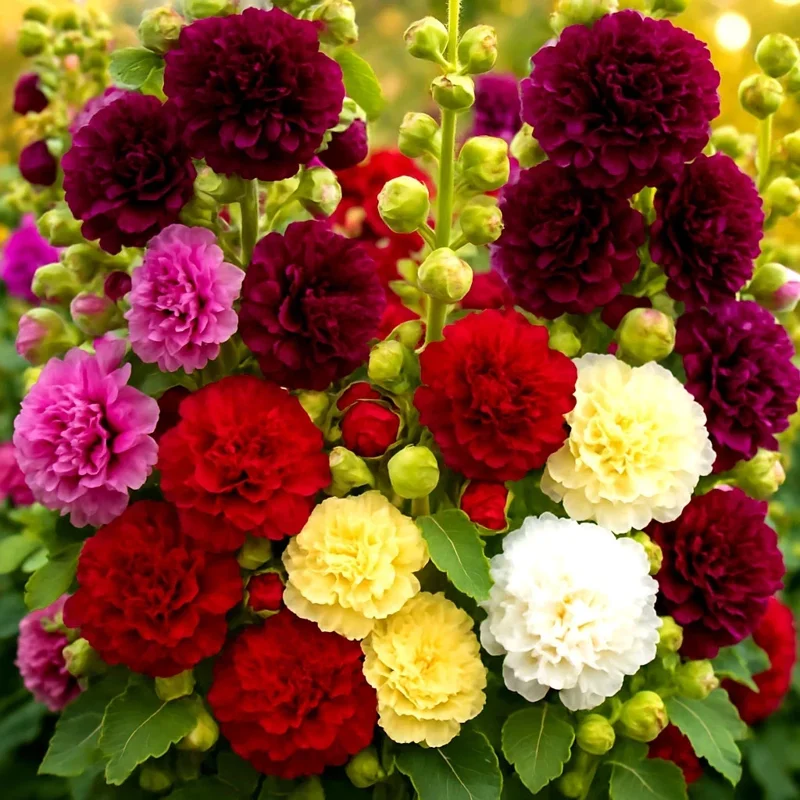
200+ Hollyhock Autumn Mix Flower Seeds – Attracts Hummingbirds, Bees – Multicolor Biennial
Houseplants
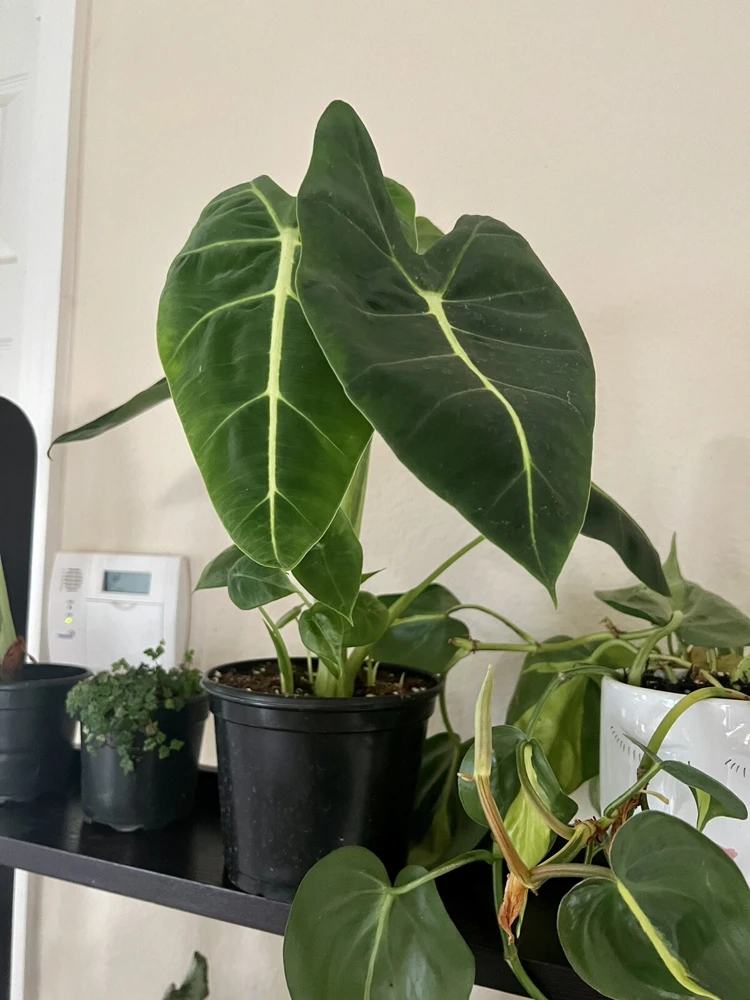
Alocasia Micholitziana Green Velvet Live Plant – Large Elephant Ear, Potted Indoor/Outdoor




Vegetable Seeds
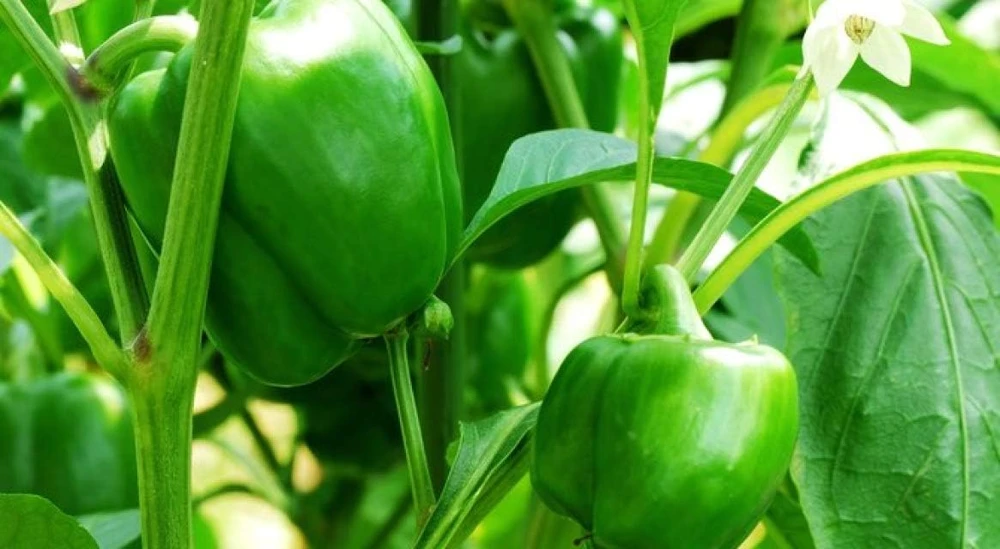
Emerald Giant Sweet Pepper Seeds – 20 Count – Capsicum Annuum
Reviews
There are no reviews yet.