
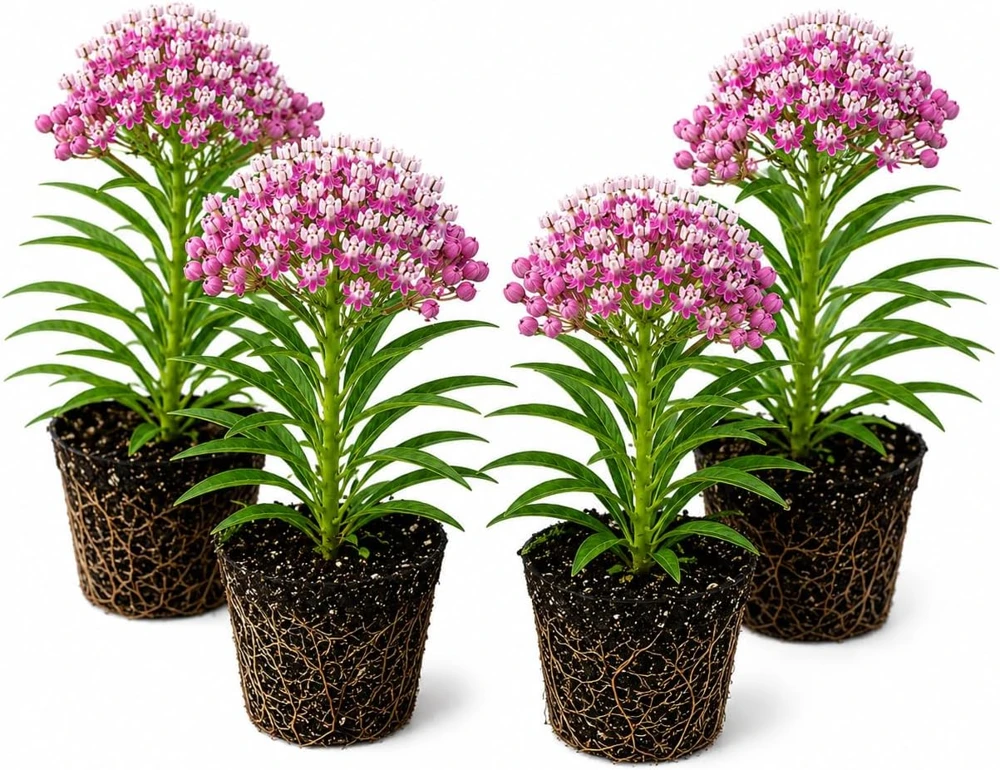

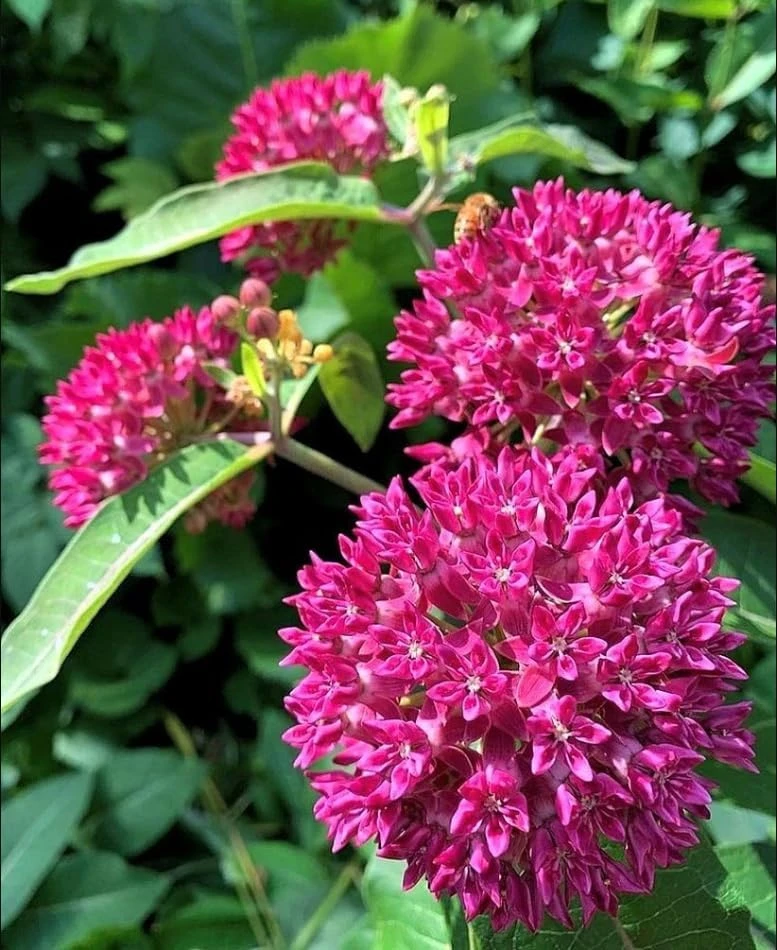
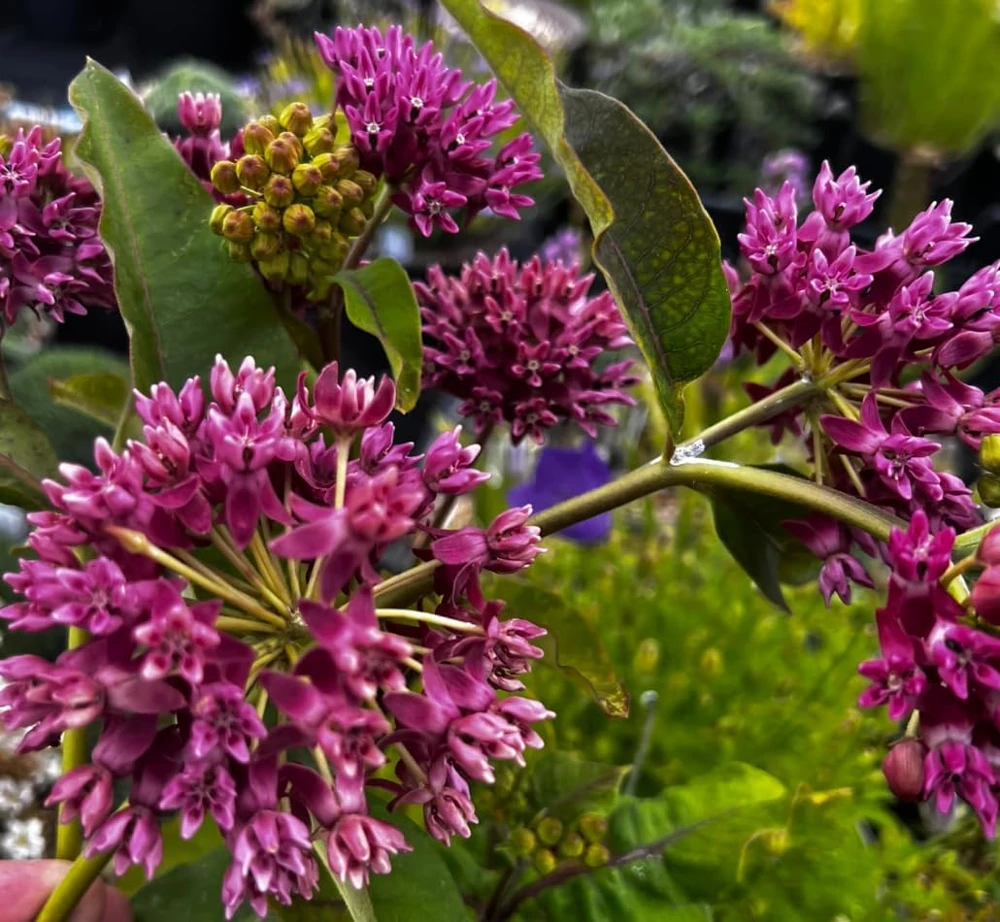
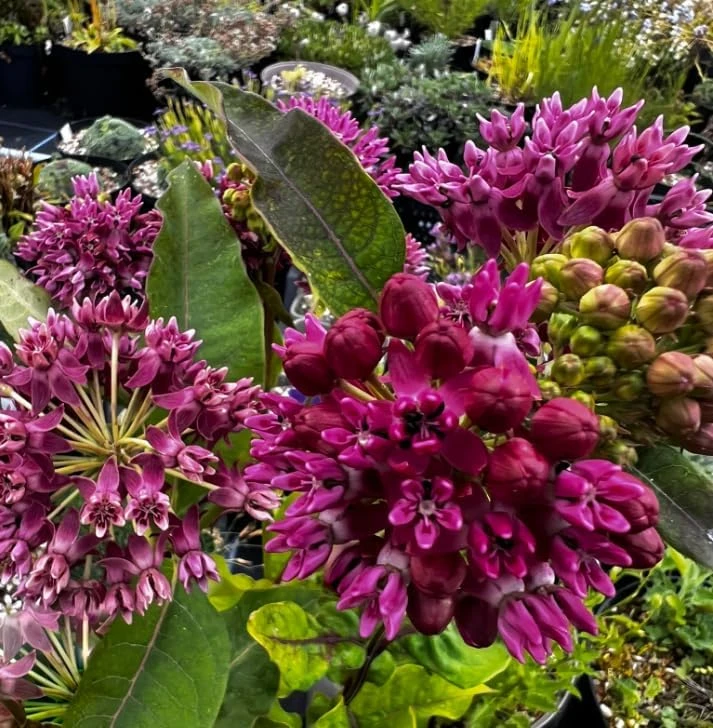
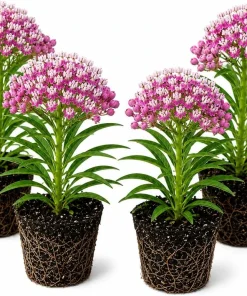

Set of 4 Purple Milkweed Live Plants – 4-8 Inch Tall, Outdoor Perennial
Original price was: $65.99.$40.99Current price is: $40.99.
Cultivate a vibrant pollinator haven with this purple milkweed live plant set. You’ll receive four 4-8 inch tall plants, perfect for attracting monarch butterflies. Ideal for USDA Zones 3-9, these perennial purple flower plants add beauty and ecological value to any garden.
Estimated arrival
Oct 27
Nov 01 - Nov 03
Nov 06 - Nov 10
Shop With Confidence
30-Day Plant Health Guarantee
Arrives damaged? We’ll replace it free — see our return policy.
Responsive Support
Email us anytime, we reply within 1 business day.
Expert Packaging
Temperature-controlled shipping to protect your plants in transit.
Secure Checkout
Pay safely with Visa, Mastercard, PayPal.
Plant Specifications
-
USDA Hardiness Zone
3-9 -
Soil Type
Well-draining soil -
Sunlight Exposure
Full sun -
Expected Planting Period
Late spring to summer
Overview
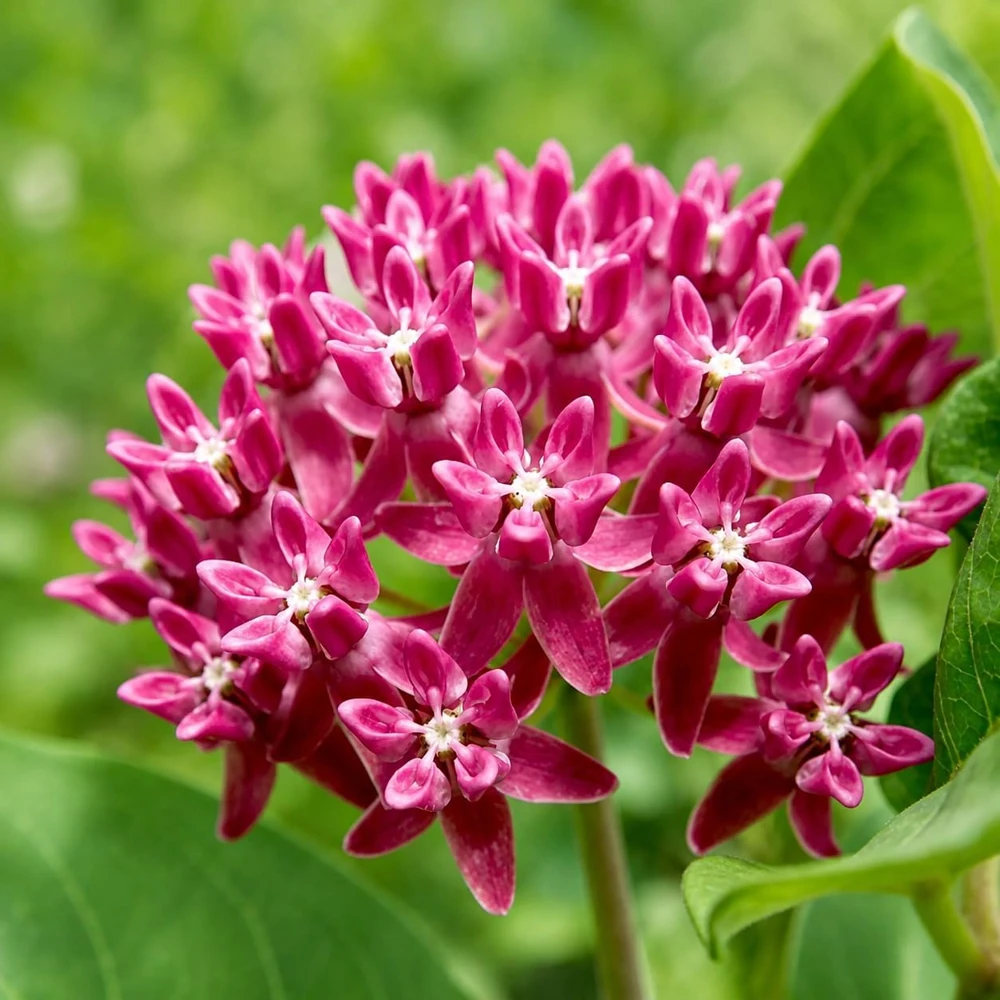
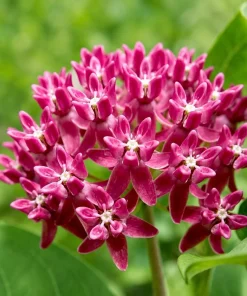
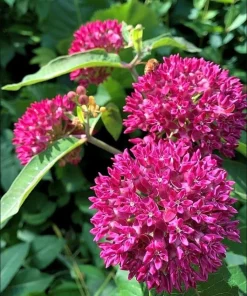
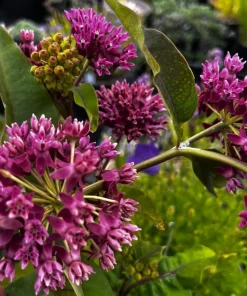
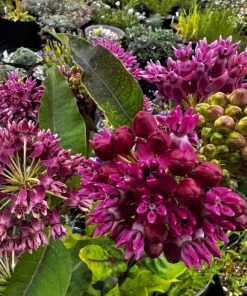
Transform your garden into a thriving ecosystem with this set of four purple milkweed live plant specimens. Known scientifically as Asclepias purpurascens, these beautiful perennials are a crucial food source for monarch butterfly caterpillars and a nectar source for various pollinators. Each plant arrives ready for planting, measuring between 4-8 inches tall, ensuring a strong start in your garden. The vibrant purple blooms of the asclepias milkweed tree variety create a stunning visual display from late spring through summer, making it a favorite among gardeners dedicated to supporting local wildlife. Growing a perennial purple flower like this not only beautifies your outdoor space but also contributes significantly to biodiversity, providing essential habitat and sustenance for precious insects.
These robust plants are unpotted, allowing for immediate integration into your chosen garden beds or containers. Their natural resilience and adaptability make them suitable for a wide range of climates, particularly thriving within USDA Zones 3-9. Whether you’re an experienced gardener or just starting, adding these monarch butterfly plant varieties is a rewarding experience that yields both aesthetic pleasure and ecological benefit. Prepare to enjoy a garden buzzing with life and color.
Key Benefits
Adding the purple milkweed live plant to your garden offers a multitude of advantages, both for you and the environment. These plants are not just visually appealing; they serve a vital ecological role and are surprisingly easy to grow.
- Supports Pollinators: The primary benefit of planting milkweed is its critical role as the sole host plant for monarch butterfly caterpillars. By providing this essential food source, you directly contribute to the conservation of these magnificent insects. The flowers also attract a variety of other beneficial pollinators, including bees and hummingbirds.
- Vibrant Garden Addition: With their striking purple flowers, these plants add a beautiful splash of color to any garden. The blooms are showy and long-lasting, providing visual interest from late spring through summer.
- Low Maintenance: Once established, asclepias milkweed tree varieties are remarkably drought-tolerant and require minimal care. They are adapted to a range of soil conditions and are generally pest-resistant, making them a hassle-free choice for busy gardeners.
- Perennial Growth: As a perennial purple flower, these milkweed plants will return year after year, growing larger and more abundant with each season. This saves you the effort and cost of replanting annually.
- Adaptable to Various Climates: Thriving in USDA Zones 3-9, these plants are suitable for a broad spectrum of climates across the United States. Their hardiness ensures they can withstand diverse weather conditions, making them a reliable choice for many regions.
- Educational Opportunity: Observing the life cycle of monarch butterflies on your own monarch butterfly plant can be an incredibly educational and engaging experience for families and children, fostering an appreciation for nature.
- Enhances Biodiversity: By planting native species like milkweed, you help restore natural habitats and support the local ecosystem, promoting a healthier and more diverse garden environment.
Plant Care & Growing Tips
Caring for your purple milkweed live plant is straightforward, making it an excellent choice for gardeners of all experience levels. These plants are quite resilient and, once established, require minimal intervention to thrive. Understanding their basic needs will ensure vigorous growth and abundant blooms.
Sunlight Requirements: Purple milkweed thrives in full sun, meaning it needs at least 6-8 hours of direct sunlight per day. Choose a location in your garden that receives ample sun throughout the day to encourage strong growth and prolific flowering. While it can tolerate some partial shade, too little sun may result in leggy growth and fewer blooms.
Watering Schedule and Soil Moisture: When first planting your asclepias milkweed tree, water regularly to help it establish a strong root system. Keep the soil consistently moist but not waterlogged during this initial period. Once established, milkweed is quite drought-tolerant and prefers well-draining soil. Water only when the top few inches of soil feel dry to the touch. Overwatering can lead to root rot, so ensure good drainage. During extended dry spells, supplemental watering may be beneficial.
Soil Type and Drainage: This perennial purple flower is adaptable to various soil types, but it prefers well-draining soil. Sandy or loamy soils are ideal. If you have heavy clay soil, consider amending it with organic matter like compost to improve drainage and aeration. A neutral to slightly acidic pH is generally preferred, but milkweed is not particularly fussy.
Temperature Range and USDA Hardiness Zone: Purple milkweed is remarkably hardy and thrives in USDA Zones 3-9. It can tolerate a wide range of temperatures, from cold winters to hot summers. The ideal growing temperatures are between 65°F and 85°F, but established plants can withstand colder and hotter conditions within their hardiness zones. In colder zones, the plant will die back to the ground in winter and re-emerge in spring.
Fertilization: Generally, milkweed does not require heavy fertilization, especially if planted in fertile soil. If your soil is poor, a light application of a balanced, slow-release fertilizer in early spring can be beneficial. Avoid over-fertilizing, as this can lead to excessive foliage growth at the expense of flowers and may not be ideal for the monarch caterpillars feeding on the leaves.
Common Problems and Solutions: Milkweed is relatively pest-free, but you might occasionally encounter aphids. A strong spray of water can dislodge them, or you can use insecticidal soap if necessary. Ensure you use organic solutions if you are growing the plant for monarch caterpillars, as chemical pesticides can harm them. Providing a healthy environment with good air circulation and appropriate watering will help prevent most issues for your monarch butterfly plant.
Size & Details
This offering includes a set of four unpotted purple milkweed live plant specimens, each carefully nurtured to ensure a healthy start in your garden. Upon arrival, each plant will measure approximately 4-8 inches tall, providing a substantial size for immediate planting and establishment. These plants are shipped without pots to facilitate easier transplanting and reduce shipping waste. They are ready to be placed directly into your garden beds or larger containers.
As a perennial, the asclepias milkweed tree will mature over time, typically reaching a height of 2-4 feet and a similar spread, forming a robust and attractive clump. The growth rate is moderate, and you can expect to see significant development in their first full growing season. Blooming typically occurs from late spring through summer, providing a long season of vibrant purple flowers. These plants are known for their strong root systems, which help them establish quickly and return reliably year after year, contributing to a stable and beautiful garden environment.
Frequently Asked Questions
- Q: How big does this plant get? A: The purple milkweed live plant typically grows to a height of 2-4 feet and can spread to a similar width, forming a sturdy, upright perennial. Its mature size makes it a prominent feature in garden beds.
- Q: What condition will the plants arrive in? A: Your set of four asclepias milkweed tree plants will arrive unpotted, with healthy roots and foliage. They are carefully packaged to ensure they reach you in optimal condition, ready for immediate planting.
- Q: Is this an indoor or outdoor plant? A: This particular milkweed variety is an outdoor perennial, best suited for garden beds and naturalized areas. It thrives in full sun and is resilient in various outdoor conditions within its hardiness zones.
- Q: How much sunlight does it need? A: For best growth and flowering, the perennial purple flower requires full sun, meaning at least 6-8 hours of direct sunlight daily. Choosing a sunny location is crucial for its success.
- Q: Is this plant easy to care for? A: Yes, purple milkweed is considered an easy-to-care-for plant. Once established, it is drought-tolerant and requires minimal maintenance, making it suitable for both beginner and experienced gardeners.
- Q: When is the best time to plant? A: The best time to plant your milkweed is in spring or early summer after the last frost, allowing the plants ample time to establish themselves before winter.
- Q: Will it survive winter in my zone? A: This monarch butterfly plant is hardy in USDA Zones 3-9. In these zones, it will die back to the ground in winter and reliably re-emerge in spring, growing stronger each year.
- Q: Can I grow this in a container? A: While primarily an in-ground plant, purple milkweed can be grown in large containers (at least 5-gallon size) with good drainage. Ensure adequate watering, as container plants tend to dry out faster.
- Q: What kind of soil does it prefer? A: Purple milkweed prefers well-draining soil. It can tolerate a range of soil types, including sandy or loamy soils, and benefits from organic matter if your soil is heavy clay.
- Q: Why is milkweed important for monarch butterflies? A: Milkweed is vital because it is the only plant on which monarch butterflies lay their eggs, and its leaves are the sole food source for monarch caterpillars. Planting it directly supports monarch populations.
Be the first to review “Set of 4 Purple Milkweed Live Plants – 4-8 Inch Tall, Outdoor Perennial”
People Also Viewed

Flower Bulbs
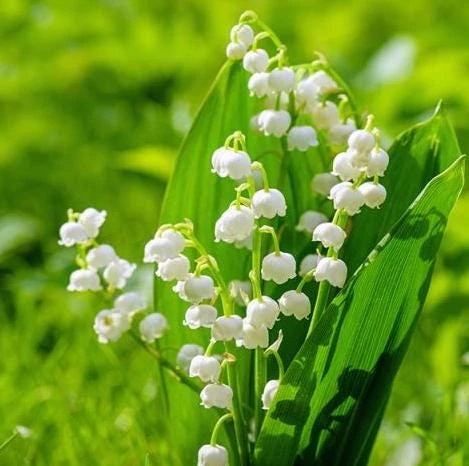
Set of 6 Lily of the Valley Bulbs for Planting – Fragrant White Perennial Flowers, Shade Loving




Reviews
There are no reviews yet.