
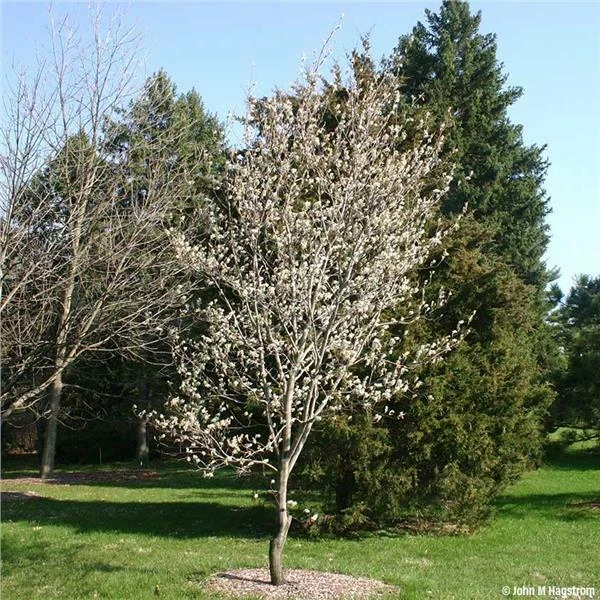
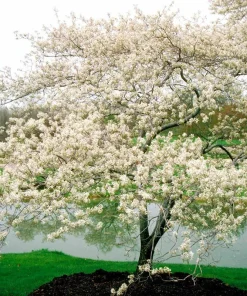
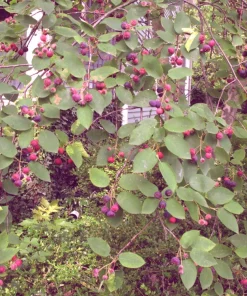
Serviceberry ‘Amelanchier arborea’ Live Plant – 16-24 Inches Tall – Outdoor Shrub
Original price was: $64.89.$44.89Current price is: $44.89.
Bring natural beauty to your landscape with this serviceberry live plant. The ‘Amelanchier arborea’ offers delicate white flowers in spring, edible berries in summer, and vibrant fall foliage, making it a perfect addition for year-round interest. Standing 16 to 24 inches tall, this young amelanchier arborea shrub is ready to establish in your garden.
Estimated arrival
Oct 15
Oct 20 - Oct 22
Oct 25 - Oct 29
Shop With Confidence
30-Day Plant Health Guarantee
Arrives damaged? We’ll replace it free — see our return policy.
Responsive Support
Email us anytime, we reply within 1 business day.
Expert Packaging
Temperature-controlled shipping to protect your plants in transit.
Secure Checkout
Pay safely with Visa, Mastercard, PayPal.
Plant Specifications
-
USDA Hardiness Zone
USDA Zones 4-9 -
Soil Type
Well-draining, slightly acidic to neutral soil -
Sunlight Exposure
Full sun to partial shade -
Expected Planting Period
Early spring or fall
Overview
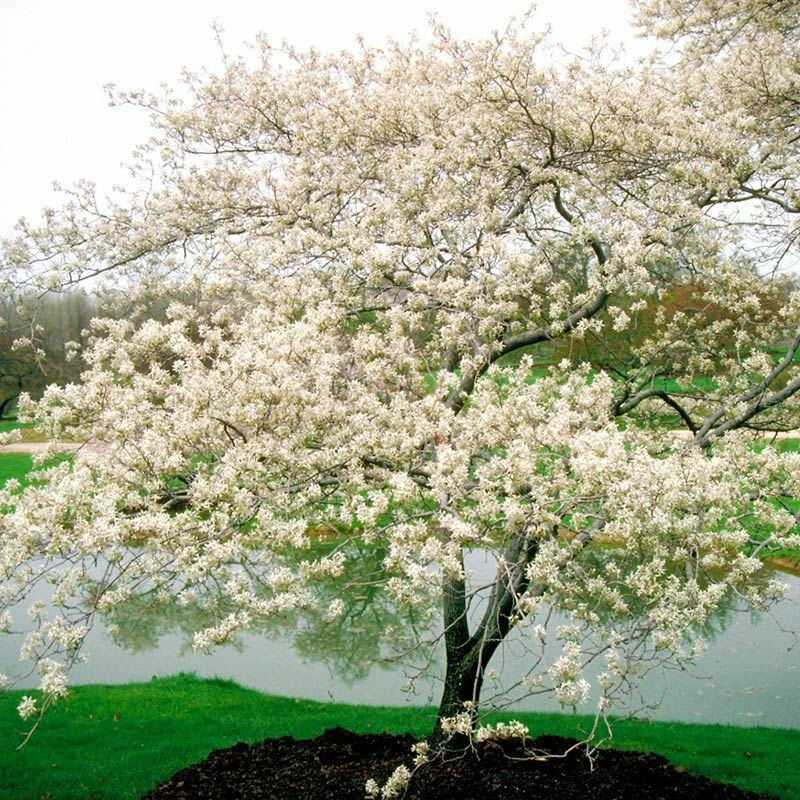
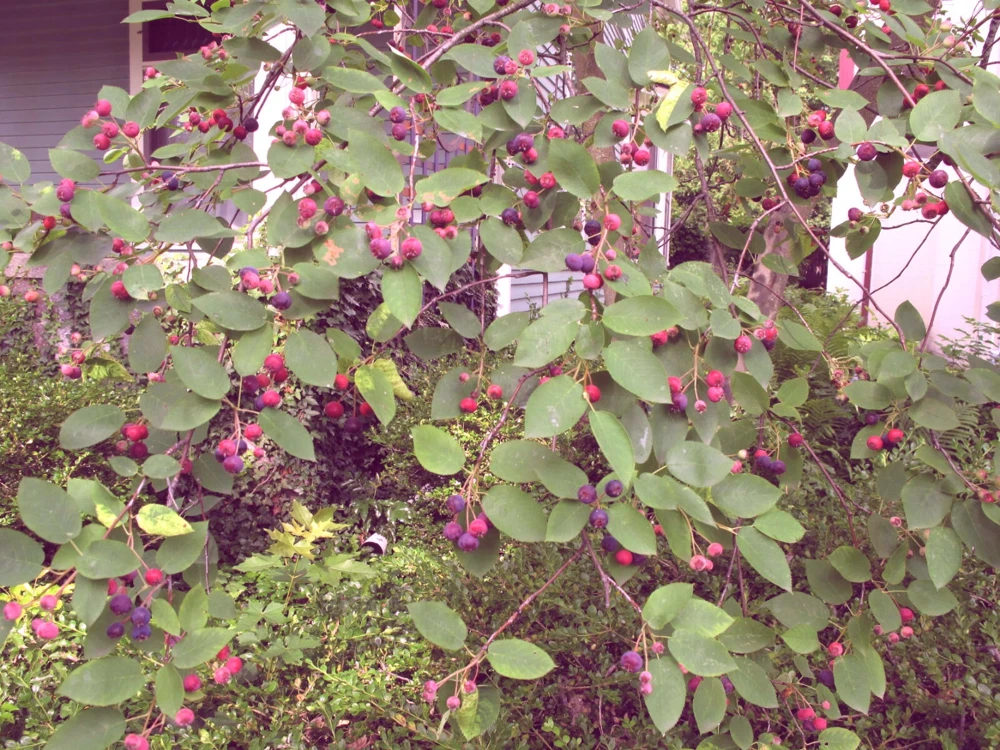
Discover the charm of the serviceberry live plant, specifically the ‘Amelanchier arborea’ variety, a delightful addition to any garden or natural landscape. Commonly known as Downy Serviceberry, Juneberry, or Shadbush, this versatile plant is celebrated for its multi-seasonal appeal. In early spring, it bursts forth with a profusion of delicate white, star-shaped flowers, providing a crucial early nectar source for pollinators. Following the bloom, small, sweet, and edible berries ripen in late spring to early summer, attracting various bird species and offering a tasty treat for humans. As the seasons progress, its green foliage transforms into brilliant shades of orange and red in autumn, ensuring continuous visual interest. This particular serviceberry live plant stands 16 to 24 inches tall and is typically 2 to 3 years old, making it a well-established young specimen ready for planting. Its graceful form and adaptability make it a popular choice for gardeners seeking a low-maintenance yet highly rewarding plant.
Key Benefits
The serviceberry live plant offers a multitude of benefits, making it an excellent choice for diverse garden styles and ecological functions. Its inherent hardiness and year-round appeal contribute significantly to any outdoor space.
- Seasonal Beauty: Enjoy a spectacular display of white flowers in spring, followed by attractive green foliage that turns brilliant orange-red in the fall, providing continuous visual interest throughout the year. The delicate beauty of the early spring blossoms is a true highlight in any landscape.
- Edible Berries: Produces small, sweet, and juicy berries in early summer, perfect for fresh eating, jams, jellies, or pies. These berries are also a favorite food source for local wildlife, contributing to biodiversity.
- Wildlife Attraction: The flowers provide an early nectar source for bees and other pollinators, while the berries are a vital food source for numerous bird species, making it an excellent choice for attracting wildlife. Consider adding a juneberry tree to support your local ecosystem.
- Low Maintenance: Once established, the ‘Amelanchier arborea’ is remarkably resilient and requires minimal care, tolerating a range of soil conditions and light exposures. This makes it ideal for both experienced and novice gardeners.
- Versatile Landscaping: Can be grown as a multi-stemmed shrub or a small ornamental tree, suitable for naturalized areas, woodland gardens, or as a specimen plant. Its adaptability allows it to fit into various design schemes.
- Native Plant: As a native plant usa, it is well-adapted to local climates and ecosystems, promoting ecological balance and requiring less intervention. This reduces the need for excessive watering or pest control.
- Hardy and Adaptable: This amelanchier arborea shrub is known for its robust nature, thriving in a wide range of USDA hardiness zones and conditions.
Plant Care & Growing Tips
Caring for your serviceberry live plant is straightforward, ensuring years of beauty and bounty. This resilient plant is relatively unfussy, but providing optimal conditions will encourage the best growth and fruiting. Serviceberries thrive in full sun to partial shade. For the most abundant flowering and fruiting, aim for at least 6 hours of direct sunlight per day. In hotter climates, some afternoon shade can be beneficial to prevent leaf scorch. When establishing your young serviceberry, consistent watering is key. Keep the soil consistently moist but not waterlogged, especially during dry spells. Once established, it becomes more drought-tolerant, but regular watering during prolonged dry periods will promote healthier growth and better berry production.
The ‘Amelanchier arborea’ prefers well-draining soil with a slightly acidic to neutral pH (6.0-7.0). It tolerates a variety of soil types, including sandy, loamy, and clay soils, as long as drainage is adequate. Incorporating organic matter, such as compost, into the planting hole can improve soil structure and fertility. Fertilize in early spring with a balanced, slow-release granular fertilizer formulated for trees and shrubs. Avoid over-fertilizing, which can lead to excessive leafy growth at the expense of flowers and fruit. Pruning is best done in late winter or early spring while the plant is dormant. Remove any dead, damaged, or crossing branches to maintain good air circulation and shape. You can also thin out older stems to encourage new growth. The juneberry tree is generally pest and disease resistant, but watch for common issues like powdery mildew or aphids, treating them with appropriate organic solutions if necessary.
Size & Details
This offering is for one serviceberry live plant, specifically the ‘Amelanchier arborea’ variety, which is supplied as a well-rooted specimen. Each plant measures between 16 to 24 inches in height from the base of the root system to the tip of the tallest stem. These plants are typically 2 to 3 years old, ensuring they are well-established and ready for successful transplanting into your garden. They are shipped in a manner that protects their delicate root system, often as bare root or with a small amount of soil around the roots, to ensure vitality upon arrival.
When mature, the ‘Amelanchier arborea’ can reach a height of 15 to 25 feet with a spread of 10 to 15 feet, forming an attractive small tree or large shrub. Its growth rate is moderate, allowing you to enjoy its benefits within a few years of planting. Expect beautiful spring blooms and delicious berries to appear as the plant establishes itself in your landscape. This size is ideal for planting directly into the ground or temporarily potting in a larger container before permanent placement.
Frequently Asked Questions
- Q: How big does this serviceberry live plant get? A: This particular plant is 16 to 24 inches tall upon arrival. When mature, the ‘Amelanchier arborea’ can reach heights of 15 to 25 feet with a spread of 10 to 15 feet, growing into a beautiful small tree or large shrub.
- Q: Is this an indoor or outdoor plant? A: The serviceberry live plant, ‘Amelanchier arborea’, is an outdoor plant. It is a deciduous shrub or small tree that requires outdoor conditions to thrive and complete its natural growth cycle.
- Q: How much sunlight does it need? A: This plant thrives in full sun to partial shade. For the best flowering and fruit production, aim for at least 6 hours of direct sunlight daily. In very hot climates, some afternoon shade can be beneficial.
- Q: Is this plant easy to care for? A: Yes, the amelanchier arborea shrub is considered a low-maintenance plant once established. It tolerates a range of soil types and is relatively drought-tolerant, making it suitable for gardeners of all experience levels.
- Q: What condition will it arrive in? A: Your serviceberry plant will arrive as a live, healthy specimen, typically bare root or with its root ball carefully packaged to ensure its vitality during transit. It will be ready for immediate planting upon arrival.
- Q: Can I eat the berries from this juneberry tree? A: Yes, the berries produced by the ‘Amelanchier arborea’ are edible and quite delicious! They are often described as having a sweet, apple-like flavor and can be enjoyed fresh or used in various culinary applications.
- Q: When is the best time to plant a serviceberry? A: The best time to plant a serviceberry live plant is in early spring or fall when the weather is cooler and the plant can establish its roots before extreme temperatures.
- Q: Will it survive winter in my zone? A: The ‘Amelanchier arborea’ is very cold hardy and typically thrives in USDA Hardiness Zones 4-9. It is well-adapted to cold winters and will enter dormancy, returning with new growth in spring.
- Q: What are the benefits of planting a native plant usa? A: Planting a native plant usa like the Serviceberry supports local ecosystems, provides food and shelter for native wildlife, and often requires less water and maintenance once established because it is adapted to the local climate.
- Q: Does this plant attract birds? A: Absolutely! The sweet berries of the serviceberry are a favorite food source for many bird species, including robins, cedar waxwings, and orioles, making it an excellent choice for bird watchers.
Be the first to review “Serviceberry ‘Amelanchier arborea’ Live Plant – 16-24 Inches Tall – Outdoor Shrub”
People Also Viewed

Uncategorized
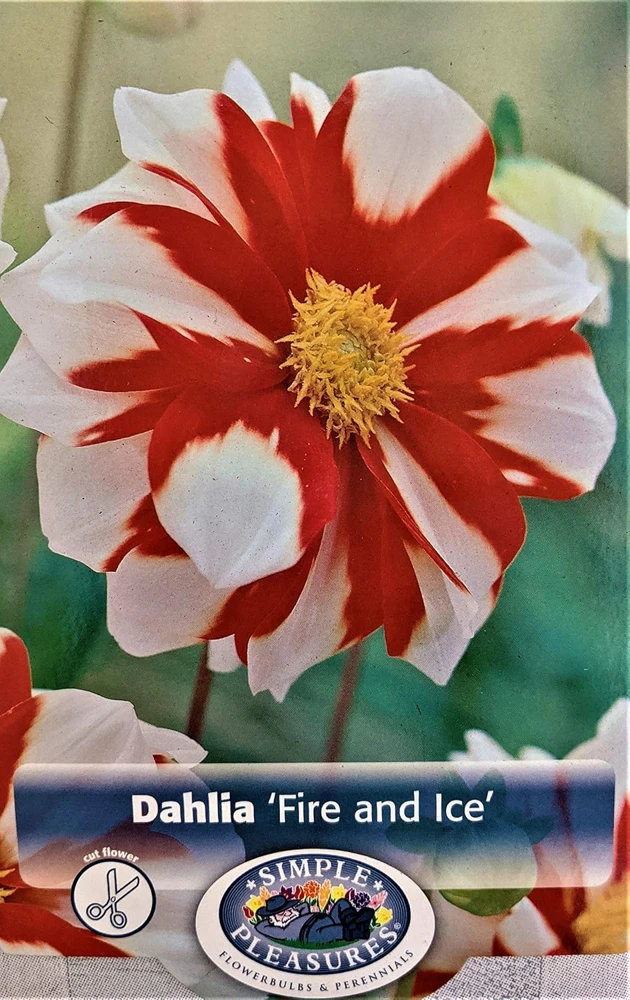
Flower Bulbs
Fire & Ice Anemone Flowering Dahlia Root Clump – Bold Red & White Pattern – 30-50″ Tall
Reviews
There are no reviews yet.