




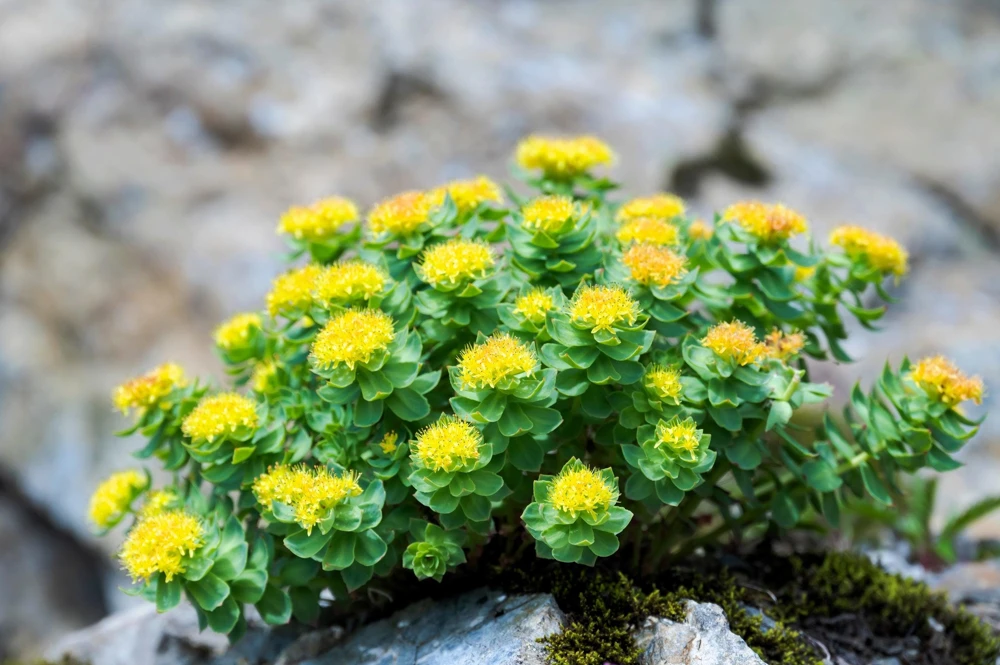
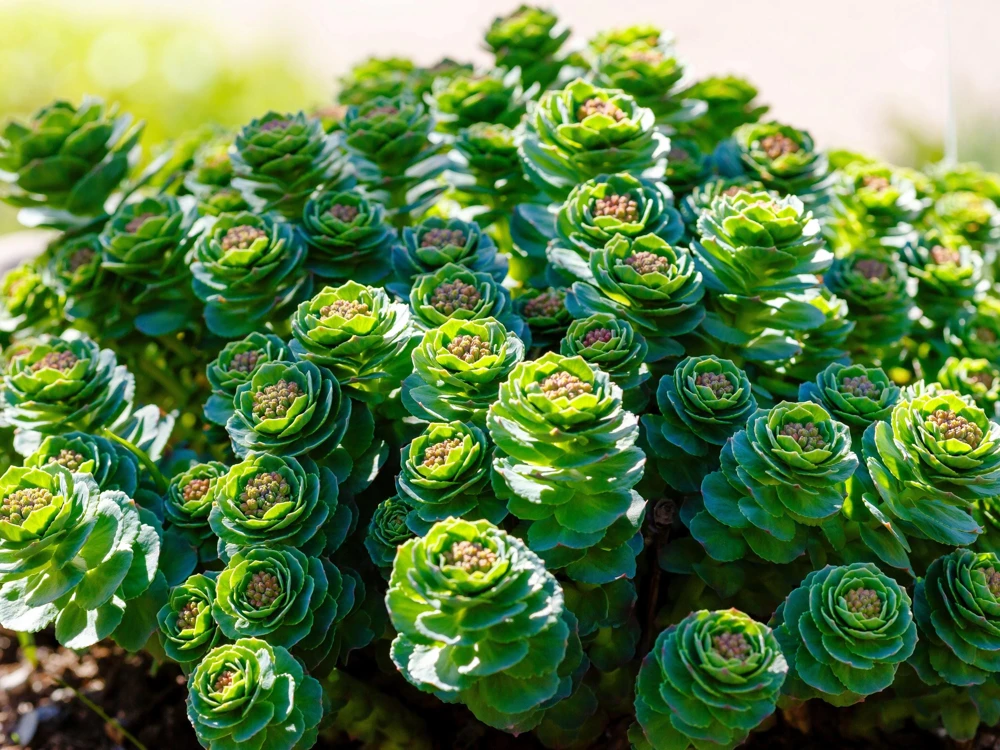


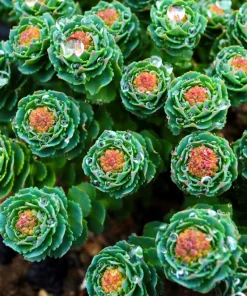
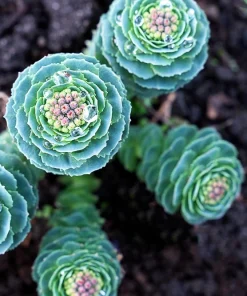

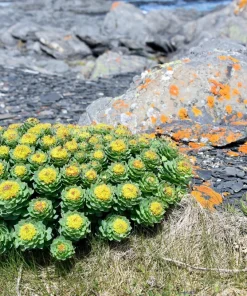
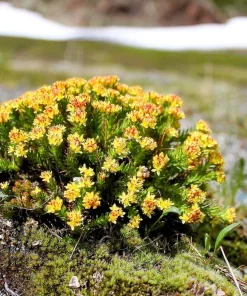
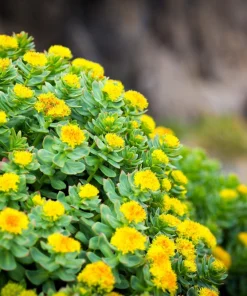
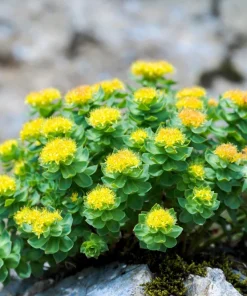
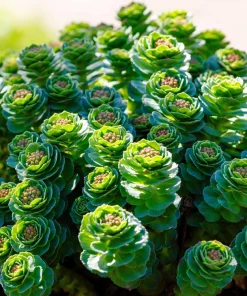
Roseroot Stonecrop Seeds – 25 Yellow Sedum Rhodiola Rosea Flower Seeds for Garden
Original price was: $39.09.$19.09Current price is: $19.09.
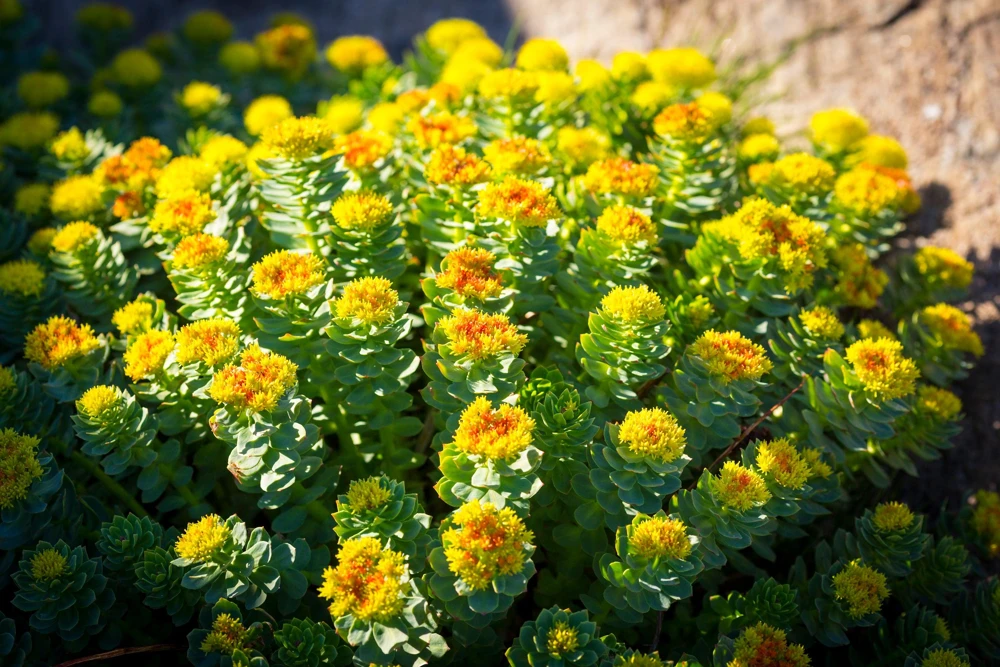
Discover roseroot stonecrop seeds, offering 25 seeds of the beautiful Rhodiola Rosea. These yellow succulent seeds are perfect for creating hardy groundcover or rock garden displays, attracting pollinators with their vibrant blooms.
Estimated arrival
Sep 15
Sep 20 - Sep 22
Sep 25 - Sep 29
Shop With Confidence
30-Day Plant Health Guarantee
Arrives damaged? We’ll replace it free — see our return policy.
Responsive Support
Email us anytime, we reply within 1 business day.
Expert Packaging
Temperature-controlled shipping to protect your plants in transit.
Secure Checkout
Pay safely with Visa, Mastercard, PayPal.
Plant Specifications
-
USDA Hardiness Zone
1 - 9 -
Soil Type
Average - Dry, well-draining -
Sunlight Exposure
Full Sun -
Expected Planting Period
Fall Sow / Cold Stratify
Overview
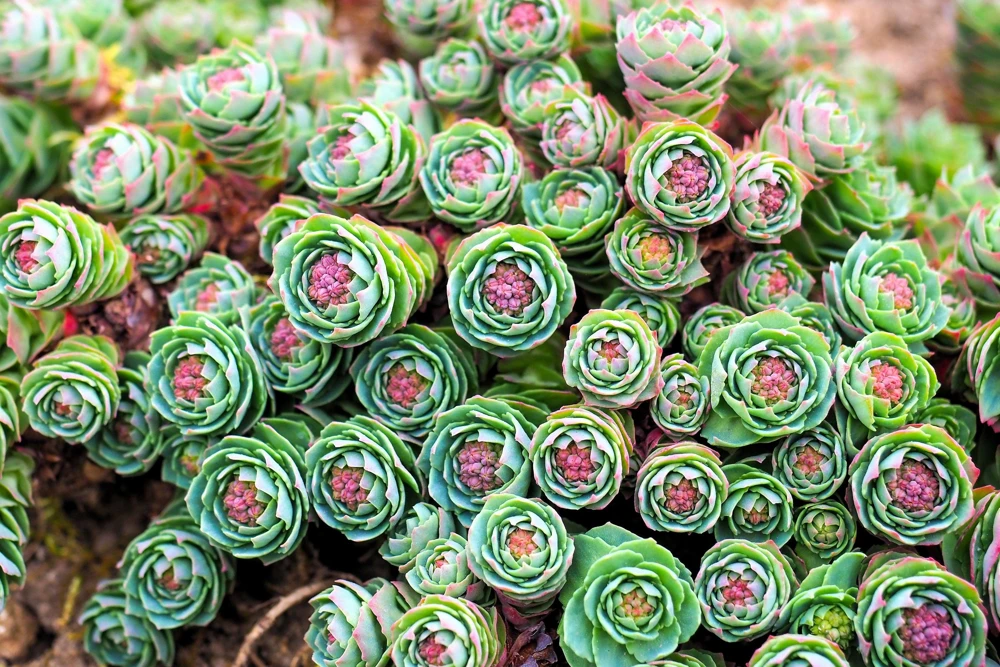
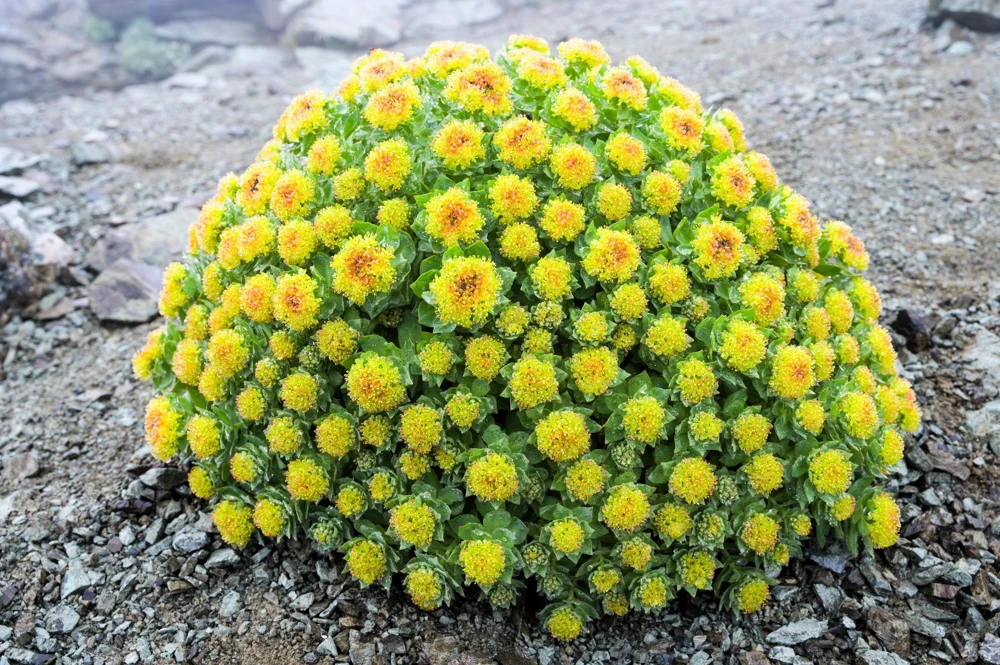
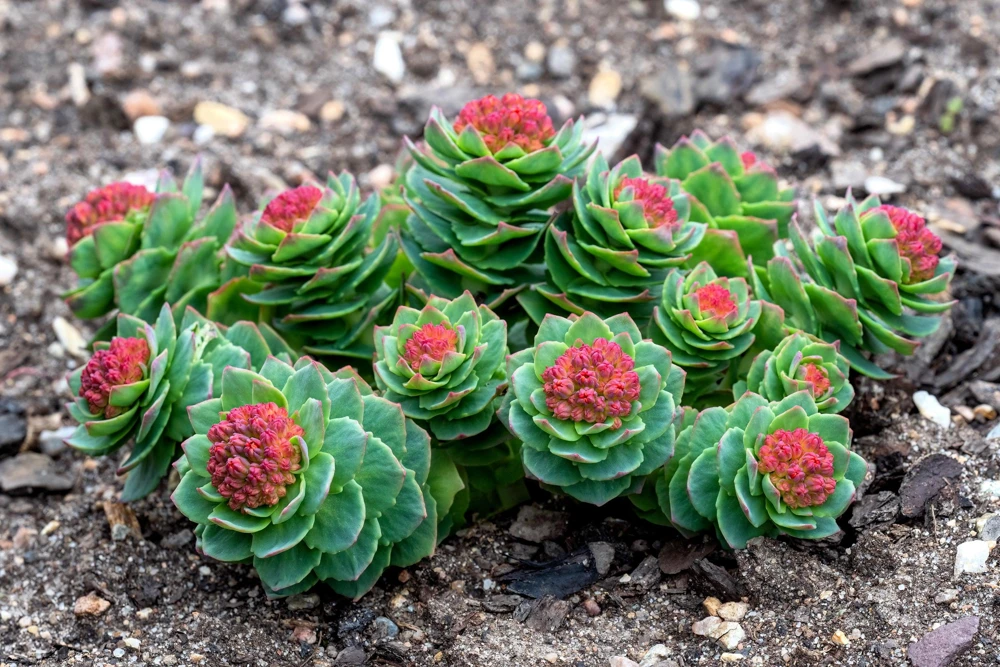
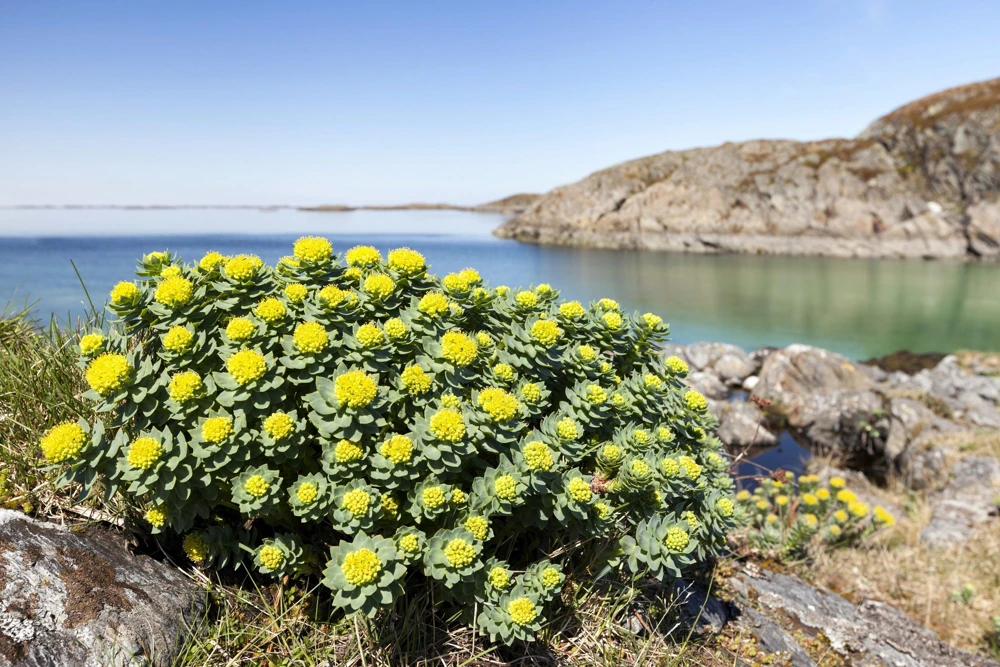
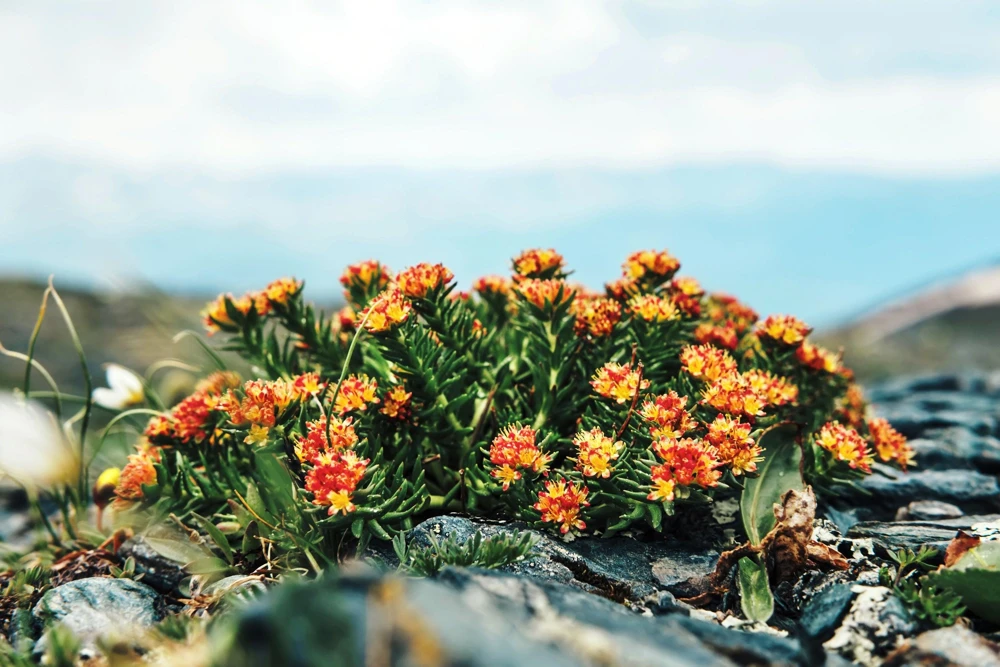
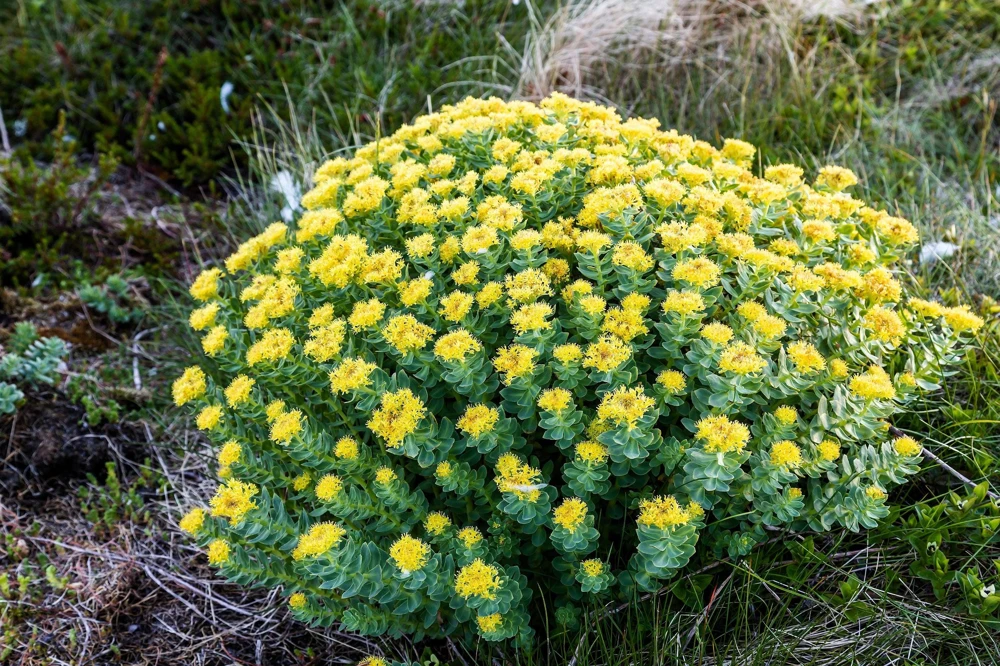
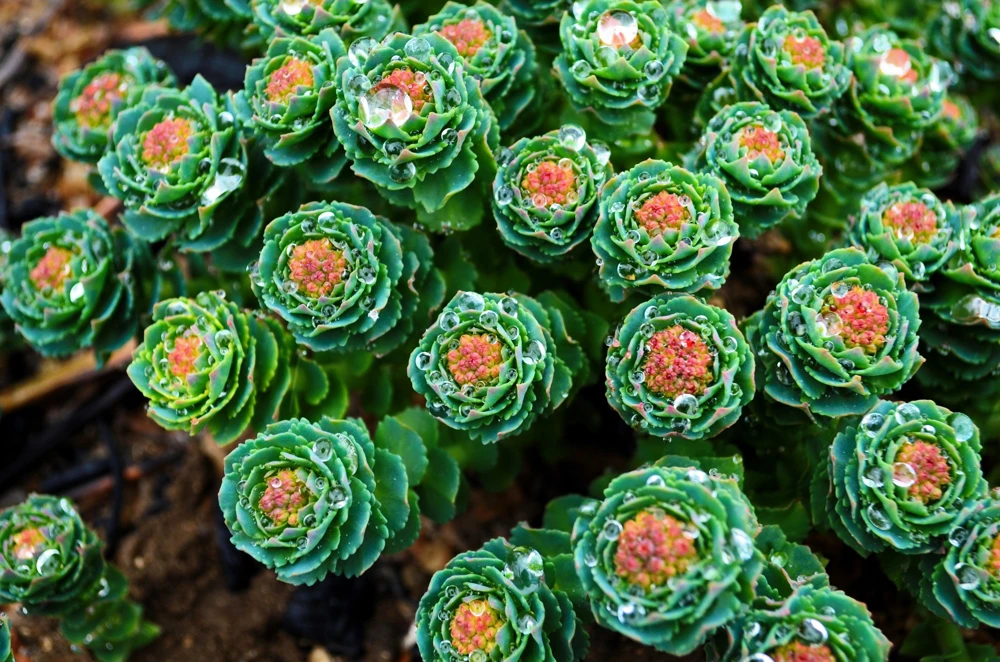
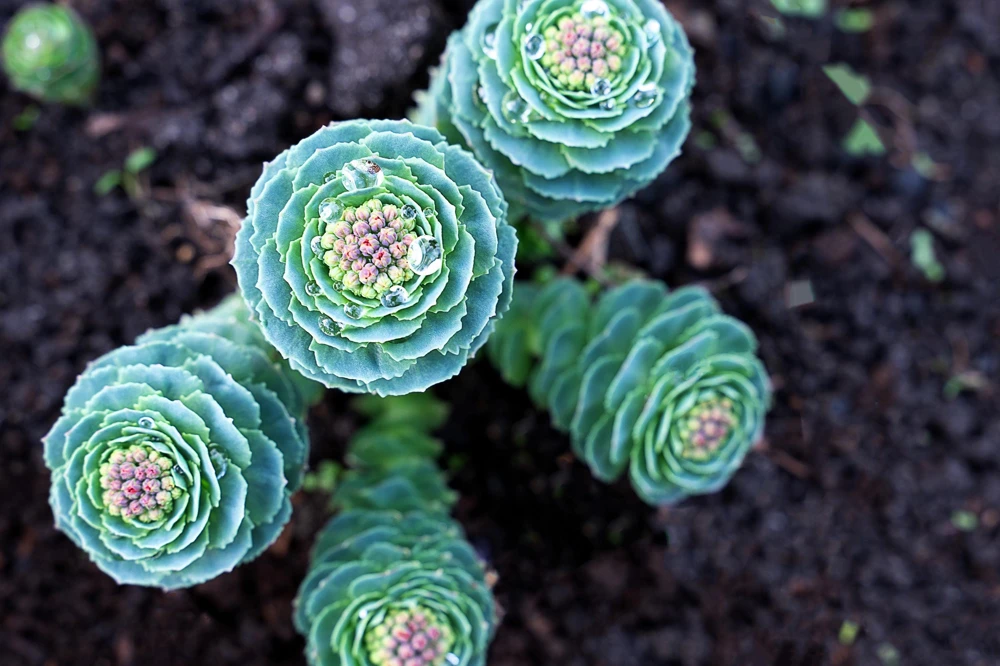
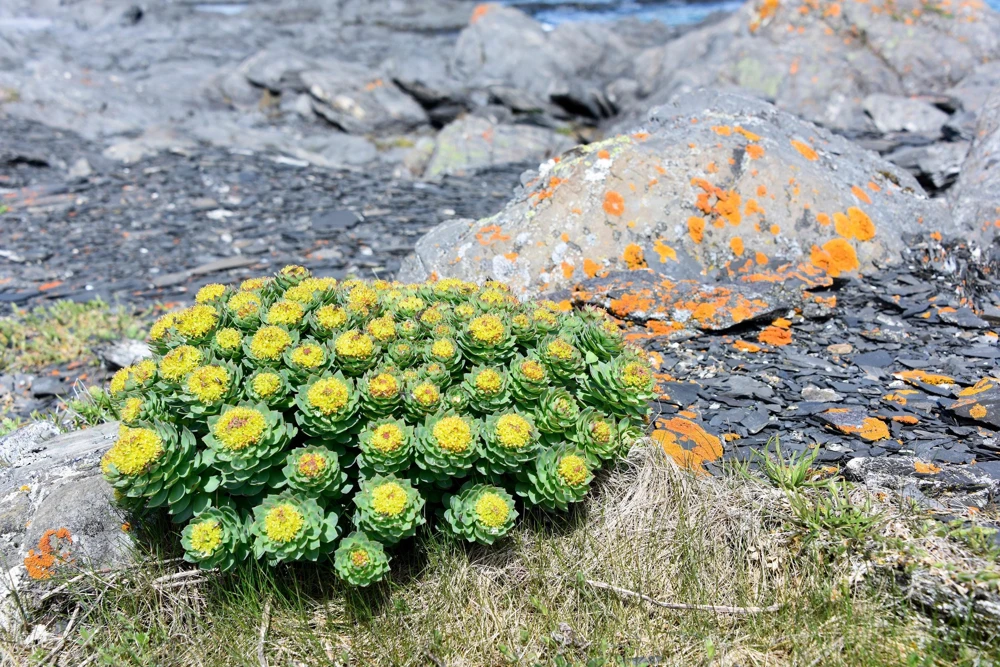
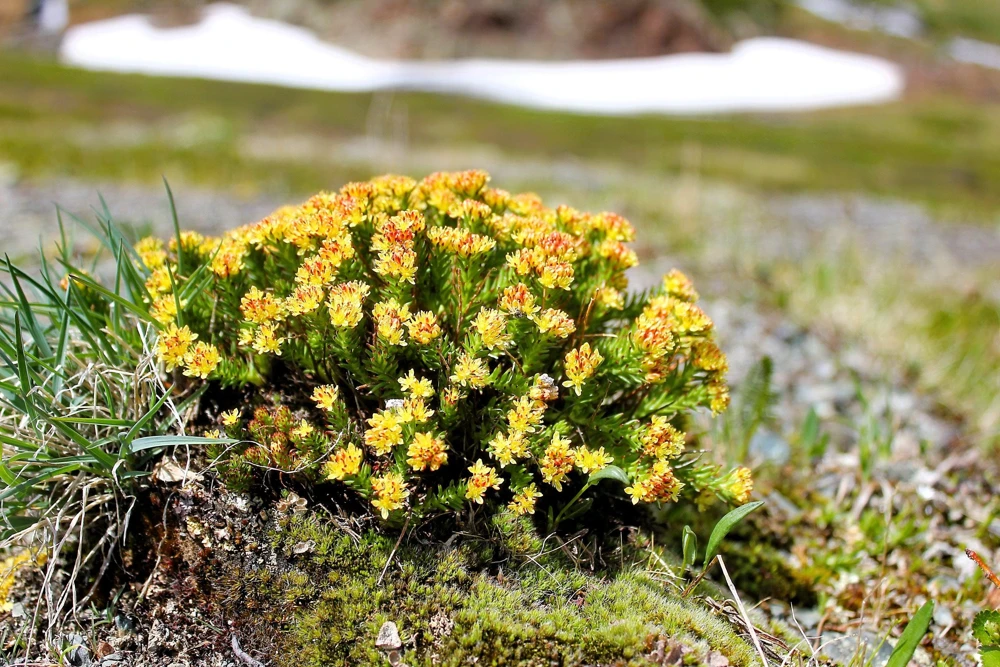
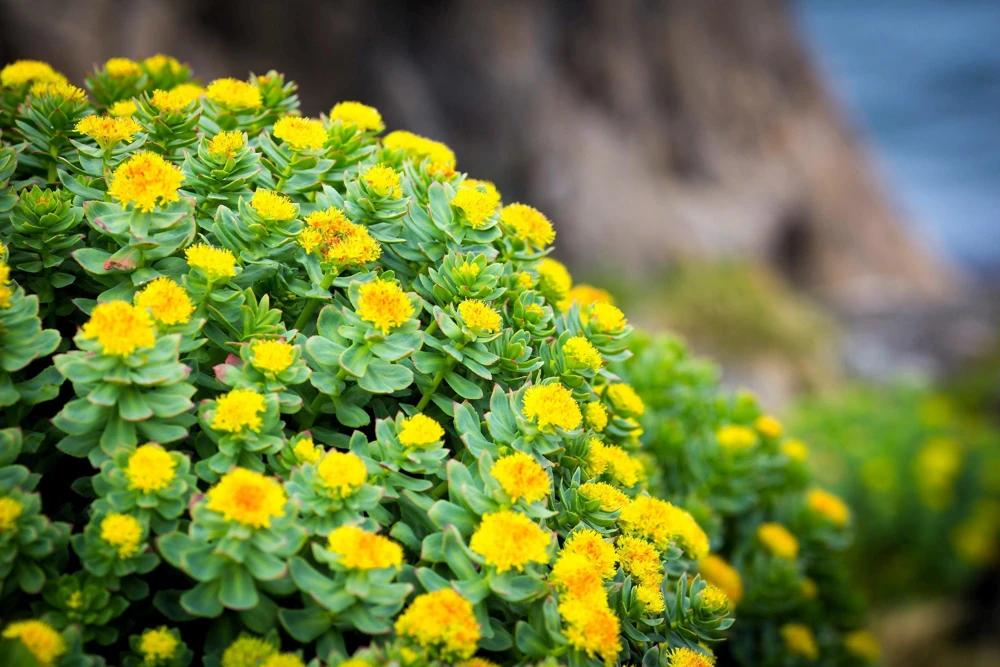
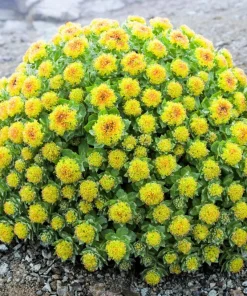
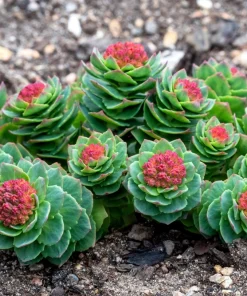
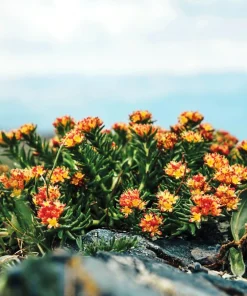
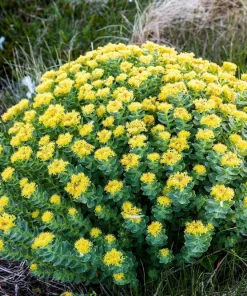
Embark on a rewarding gardening journey with our premium roseroot stonecrop seeds. Also known by its scientific name, Rhodiola Rosea, this remarkable plant is celebrated for its resilience and beauty. Originating from the harsh Arctic regions, this succulent is incredibly cold hardy and adaptable, making it an excellent choice for a wide range of climates and garden styles. Each packet contains 25 high-quality seeds, ready to transform your landscape into a vibrant display of yellow blooms. The Roseroot Stonecrop forms attractive rosettes and produces lovely clusters of yellow flowers from May to August, adding a touch of golden charm to any outdoor space. Beyond its ornamental appeal, this plant is also known for its distinct rose-scented roots, contributing a unique sensory experience to your garden.
Cultivating Rhodiola Rosea seeds allows you to grow a plant that thrives in challenging conditions where many others might falter. Whether you’re looking to establish a drought-tolerant groundcover, enhance an alpine garden, or create a striking border, these seeds provide the foundation for a robust and beautiful plant. The Roseroot Stonecrop is a testament to nature’s enduring beauty, offering both visual appeal and a unique aromatic quality. Its ability to attract beneficial pollinators like bees and butterflies further enhances its value in a biodiverse garden setting. Start your journey with these exceptional seeds and enjoy the enduring beauty of this golden succulent.
Key Benefits
Growing roseroot stonecrop seeds offers a multitude of advantages for gardeners seeking both beauty and resilience. This plant is not only visually stunning but also highly adaptable, making it a valuable addition to many garden types. The vibrant yellow flowers are a delightful sight and a magnet for beneficial insects.
- Exceptional Hardiness: The roseroot stonecrop seeds produce plants that are incredibly cold hardy, thriving in USDA Zones 1-9. This wide hardiness range makes it suitable for diverse climates, from frigid northern regions to milder southern areas.
- Drought Tolerance: Once established, Roseroot Stonecrop is highly drought-tolerant, requiring minimal watering. This makes it an ideal choice for xeriscaping or gardens in arid regions, reducing the need for constant irrigation.
- Versatile Landscaping: This plant is incredibly versatile, perfect for groundcover, rock gardens, alpine settings, borders, or even container planting. Its adaptability allows it to fit seamlessly into various garden designs and purposes.
- Attractive to Pollinators: The bright yellow flowers are a beacon for bees and butterflies, contributing to the health and biodiversity of your garden ecosystem. Enjoy watching these beneficial insects visit your plants.
- Low Maintenance: Roseroot Stonecrop is a low-maintenance plant, making it perfect for busy gardeners or those new to gardening. It tolerates a variety of soil types and conditions, requiring little fuss once established.
- Unique Rose-Scented Roots: Beyond its visual appeal, the plant is also known for its distinctive rose-scented roots, adding an interesting aromatic dimension to your garden experience.
- Soil Adaptability: These plants can tolerate heavy clay, sandy, or rocky soils, demonstrating remarkable resilience and making them suitable for challenging garden spots where other plants might struggle.
Plant Care & Growing Tips
Successfully growing roseroot stonecrop seeds begins with proper planting and care. These hardy plants are relatively low-maintenance, but understanding their specific needs will ensure robust growth and vibrant blooms. It’s important to provide the right conditions, especially during the initial stages of growth from seed.
For optimal germination, rhodiola rosea seeds benefit from cold stratification. This mimics natural winter conditions and prepares the seeds for sprouting. You can achieve this by planting seeds in the fall in a prepared outdoor bed, allowing nature to do the work, or by stratifying them indoors. Once germinated, ensure your Roseroot Stonecrop receives ample sunlight; it thrives in full sun exposure. While adaptable to various soil types, well-draining soil is crucial to prevent root rot, especially in heavier clay soils. Average to dry soil conditions are preferred, reflecting its natural habitat.
Watering should be moderate, allowing the soil to dry out between waterings, particularly once the plants are established. Overwatering is a common mistake with succulents. These plants are incredibly resilient to drought and coastal conditions, making them ideal for challenging environments. They are hardy across USDA Zones 1-9, tolerating a broad range of temperatures. Fertilization is generally not heavily required, but a light, balanced slow-release fertilizer in spring can encourage vigorous growth. Monitor for any signs of pests, though Roseroot Stonecrop is generally quite resistant. With these tips, your golden root sedum will flourish, providing years of beauty.
Size & Details
Each packet contains 25 Roseroot Stonecrop seeds, providing a generous quantity for planting. These seeds will grow into mature plants reaching a height of approximately 12-15 inches, creating a beautiful groundcover or mid-height accent in your garden. When planting, aim for a spacing of 12-18 inches between plants to allow for healthy growth and spread, ensuring each plant has adequate room to develop its characteristic rosettes and flower clusters. The plants are known for their robust growth habit and ability to form dense mats over time.
The yellow succulent seeds will produce plants that bloom from May through August, offering a long season of vibrant color. These plants are shipped as seeds, providing you with the opportunity to grow them from scratch and experience the full life cycle of this fascinating species. With proper care, these seeds will germinate and mature into resilient, beautiful plants, perfect for various landscaping needs. Expect a moderate growth rate, with plants establishing well within the first growing season and expanding their presence in subsequent years.
Frequently Asked Questions
- Q: How big does this plant get from these Roseroot Stonecrop seeds? A: From these roseroot stonecrop seeds, the plants typically grow to a height of 12-15 inches. They will also spread to about 12-18 inches wide, forming attractive clumps or groundcover.
- Q: Is this an indoor or outdoor plant? A: Roseroot Stonecrop is primarily an outdoor plant, highly adapted to various outdoor conditions. It thrives in full sun and is very cold hardy, making it suitable for gardens in USDA Zones 1-9.
- Q: How much sunlight does it need? A: This plant requires full sun exposure to perform its best. Ensure it receives several hours of direct sunlight daily for optimal growth and flowering.
- Q: Is this plant easy to care for? A: Yes, Roseroot Stonecrop is considered a very easy-to-care-for plant. It is drought-tolerant, adaptable to various soils, and requires minimal maintenance once established, making it excellent for beginners.
- Q: What condition will the Rhodiola Rosea seeds arrive in? A: The rhodiola rosea seeds will arrive as a packet of 25 dry seeds, ready for planting. They are carefully packaged to ensure their viability for your gardening success.
- Q: When is the best time to plant these golden root sedum seeds? A: The best time to plant golden root sedum seeds is in the fall, allowing them to naturally cold stratify over winter. Alternatively, you can cold stratify them indoors before planting in early spring.
- Q: What kind of soil do these yellow succulent seeds prefer? A: These yellow succulent seeds will grow into plants that prefer average to dry soil conditions with good drainage. They are adaptable and can tolerate heavy clay, sandy, or rocky soils, but excellent drainage is key.
- Q: Will it survive winter in my zone? A: Roseroot Stonecrop is extremely cold hardy, surviving winters in USDA Zones 1-9. This means it can tolerate very low temperatures and is suitable for a wide range of climates across the US.
- Q: How long until the plants bloom? A: Once established, Roseroot Stonecrop typically blooms from May through August. The exact timing can vary slightly depending on your climate and specific growing conditions.
- Q: Do these Roseroot Stonecrop plants attract pollinators? A: Yes, the vibrant yellow flowers of the Roseroot Stonecrop are known to attract beneficial pollinators such as bees and butterflies, enhancing the biodiversity of your garden.
Be the first to review “Roseroot Stonecrop Seeds – 25 Yellow Sedum Rhodiola Rosea Flower Seeds for Garden”
People Also Viewed
Flower Seeds
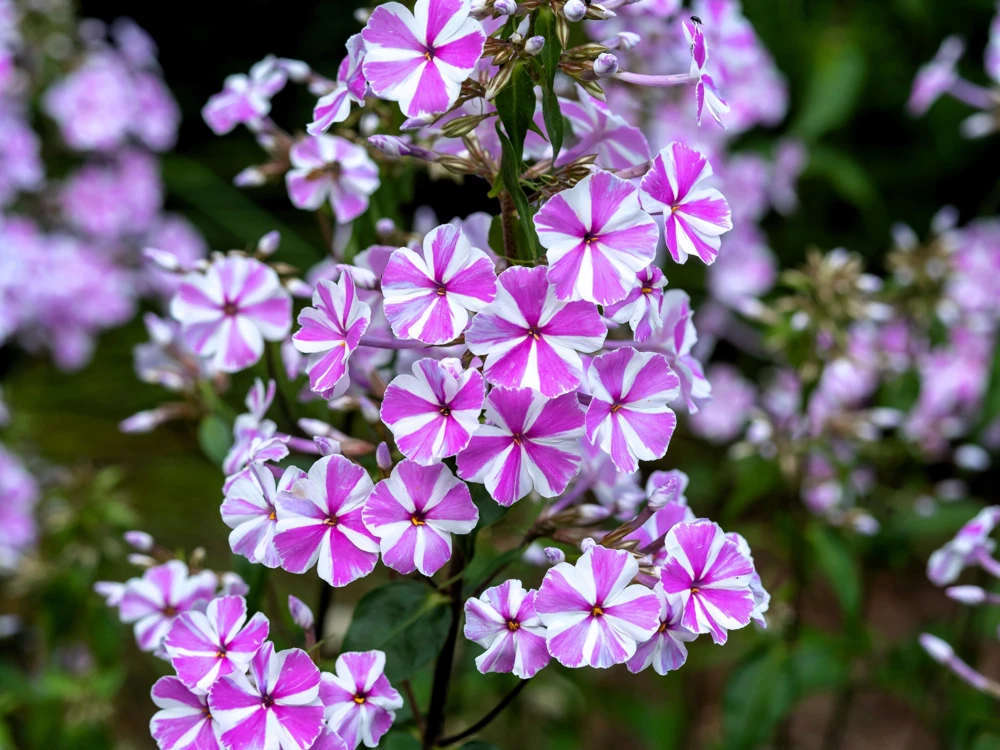
20 Meadow Phlox Maculata Mixed Color Seeds – Wild Sweet William Native Hummingbird Flower



Reviews
There are no reviews yet.