
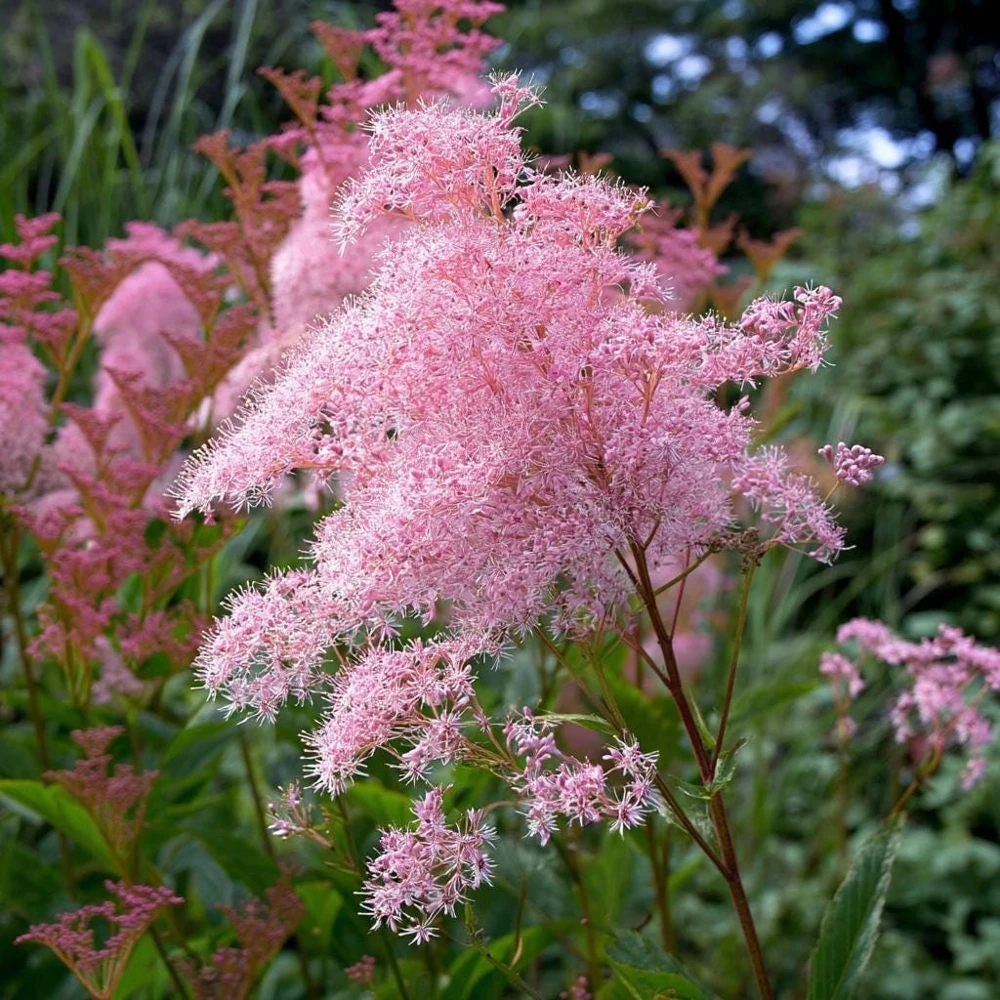
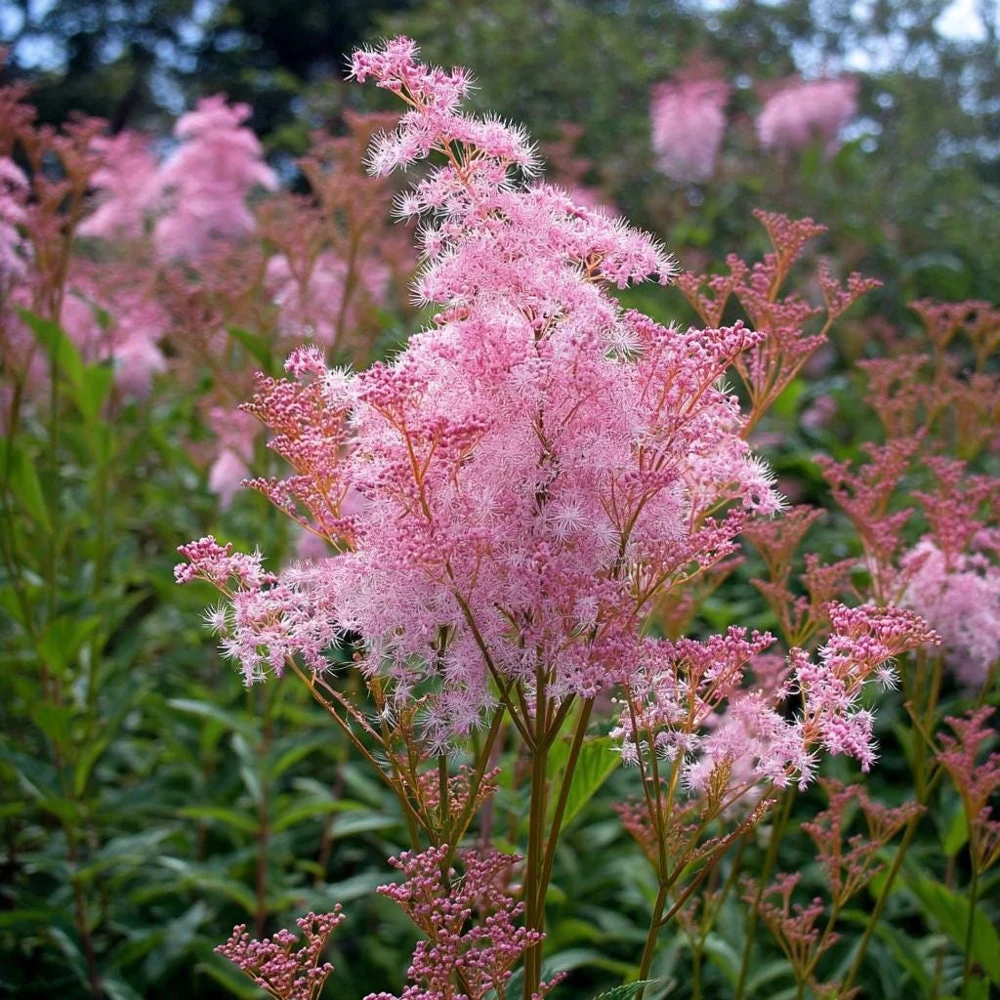
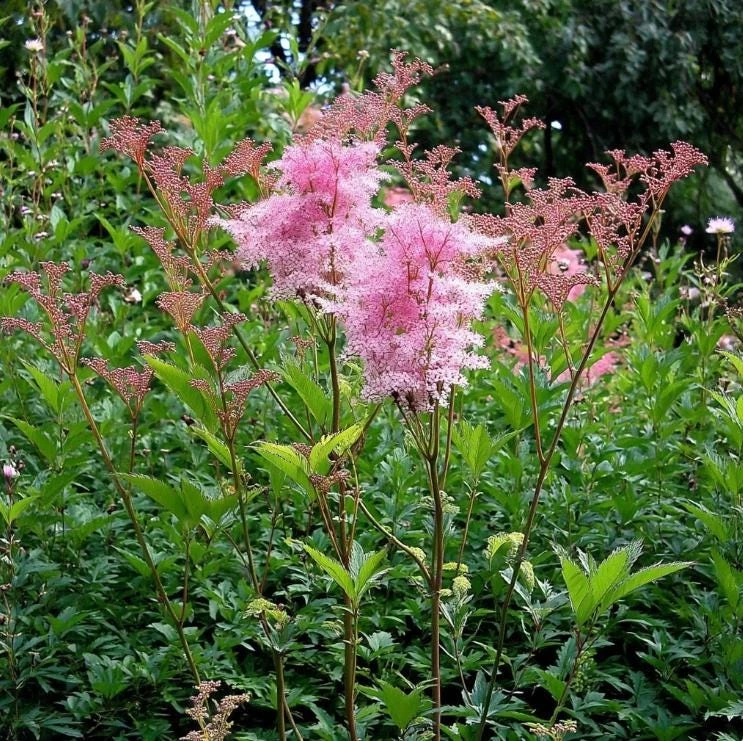
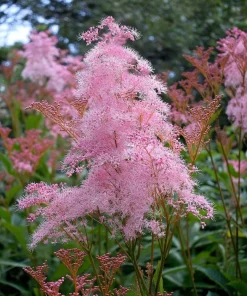
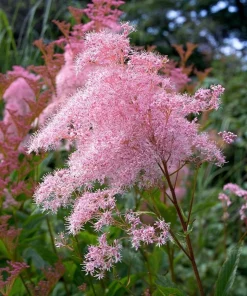
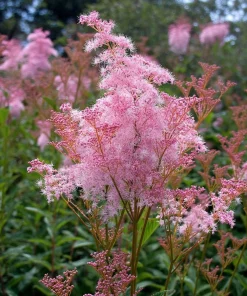
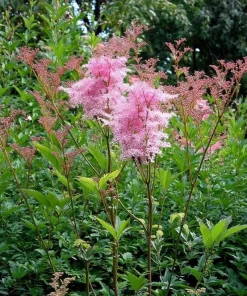
Queen of the Prairie Seeds – 25 Count Filipendula rubra – Fragrant Pink Blooms, Pollinator Friendly, Outdoor
Original price was: $32.99.$12.99Current price is: $12.99.
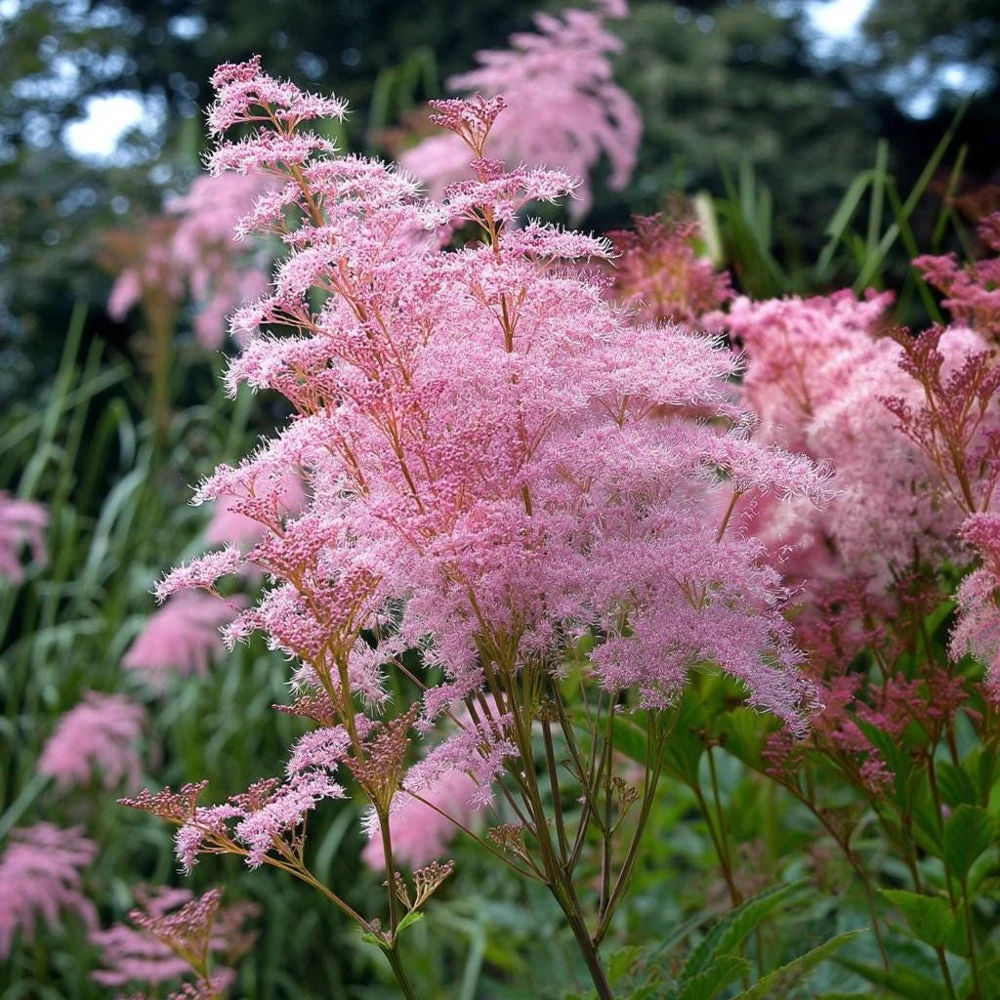
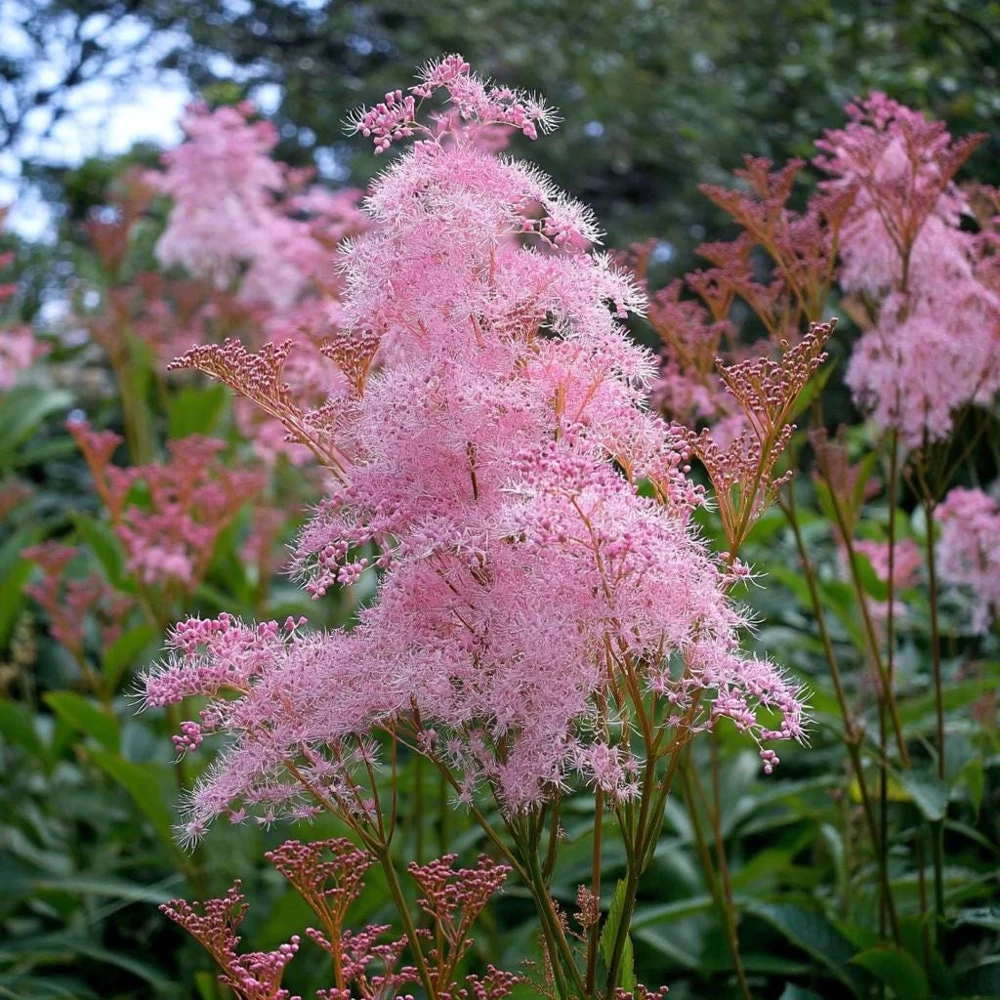
Cultivate beautiful and fragrant Queen of the Prairie seeds (Filipendula rubra) in your garden. These Filipendula rubra seeds produce tall, elegant perennials with soft pink blooms, perfect for attracting pollinators and adding vertical interest to borders and naturalistic plantings.
Estimated arrival
Oct 14
Oct 19 - Oct 21
Oct 24 - Oct 28
Shop With Confidence
30-Day Plant Health Guarantee
Arrives damaged? We’ll replace it free — see our return policy.
Responsive Support
Email us anytime, we reply within 1 business day.
Expert Packaging
Temperature-controlled shipping to protect your plants in transit.
Secure Checkout
Pay safely with Visa, Mastercard, PayPal.
Plant Specifications
-
USDA Hardiness Zone
USDA zones 3-9 -
Soil Type
Moist, well-draining soil -
Sunlight Exposure
Full sun to partial shade -
Expected Planting Period
Early spring
Overview
Bring the majestic beauty of the Queen of the Prairie seeds to your landscape. These Filipendula rubra seeds allow you to grow a stunning perennial known for its towering presence and delicate, fragrant pink flowers. Ideal for garden beds, borders, and naturalistic settings, Queen of the Prairie (Filipendula rubra) adds a touch of classic elegance and ecological value. Growing 4–6 feet tall, this plant creates a dramatic focal point, making it a true garden classic perennial. Its airy plumes of soft pink blooms are a delight to behold and fill the air with a subtle, sweet fragrance, making it a must-have for any gardener looking to enhance their outdoor space with both beauty and purpose.
Starting these Queen of the Prairie seeds is a rewarding experience, leading to a resilient and low-maintenance plant. Once established, Filipendula rubra thrives in moist conditions, making it an excellent choice for areas alongside ponds or in rain gardens. The seeds provide an economical way to introduce this magnificent perennial to your garden, allowing you to cultivate a lush, pollinator-friendly habitat from the ground up. Prepare to witness a vibrant display of nature as your Queen of the Prairie plants mature, attracting a host of beneficial insects and adding unparalleled charm.
Key Benefits
Growing Queen of the Prairie seeds offers numerous advantages, transforming your garden into a vibrant, fragrant, and ecologically rich sanctuary. These benefits extend beyond mere aesthetics, contributing to a healthier and more dynamic outdoor environment.
- Stunning Aesthetic Appeal:Filipendula rubra seeds produce plants that grow tall and gracefully, featuring elegant plumes of soft pink flowers. This provides significant vertical interest and a sophisticated look to any garden bed, border, or meadow, creating a picturesque landscape.
- Attracts Pollinators: The nectar-rich blooms of Queen of the Prairie are a magnet for bees, butterflies, and other beneficial pollinators. Planting these seeds helps support local ecosystems and promotes biodiversity in your garden, making it a truly pollinator friendly plant.
- Fragrant Pink Blooms: Enjoy the delightful, subtle fragrance emanating from the clusters of soft pink flowers. This adds an extra sensory dimension to your garden, enhancing its appeal during the blooming season.
- Low Maintenance: Once established, Queen of the Prairie is a relatively low-maintenance perennial. It thrives with consistent moisture and requires minimal intervention, making it suitable for both experienced gardeners and those new to gardening.
- Versatile Landscaping: This plant is incredibly versatile, ideal for naturalistic plantings, cottage gardens, or even alongside ponds and wet areas. Its ability to thrive in moist soil makes it perfect for challenging garden spots where other plants might struggle.
- Erosion Control: With its robust root system, Queen of the Prairie can help stabilize soil in moist areas, contributing to natural erosion control, particularly around water features.
- Deer Resistant: While not entirely deer-proof, Queen of the Prairie is generally less appealing to deer than many other garden plants, offering a degree of natural resistance.
Plant Care & Growing Tips
Cultivating Queen of the Prairie seeds into thriving plants requires attention to a few key growing conditions. Starting with proper seed sowing and providing consistent care will ensure your Filipendula rubra reaches its full potential. For successful germination, sow seeds indoors 8–10 weeks before the last frost date, or directly outdoors in early spring. Lightly press the seeds into moist, well-drained soil without covering them, as light is beneficial for germination. Maintain consistent soil moisture and temperatures between 60–70°F (15–21°C). Germination typically occurs within 14–28 days. Once seedlings have at least two true leaves, transplant them, spacing plants 18–24 inches apart to allow for healthy growth and air circulation.
For mature plants, Queen of the Prairie thrives in full sun to partial shade. While it tolerates some shade, more sun generally leads to a more abundant floral display. The most crucial factor for this perennial is moisture; it prefers consistently moist, well-drained soil. Water regularly during dry periods, especially during its establishment phase and peak growth. Deadheading spent flowers can encourage a longer blooming period and a tidier appearance, though you can also allow some flowers to go to seed for naturalized propagation. This approach helps ensure a continuous display of fragrant pink flowers. The plant is generally hardy in a wide range of USDA zones, typically thriving in zones 3-9, making it a robust and adaptable choice for many regions.
Soil composition is important for these garden classic perennial plants. While adaptable, rich, organic, and consistently moist soil is ideal. Amending heavy clay soils with compost can improve drainage and provide essential nutrients. Fertilization is generally not heavily required, but a balanced slow-release granular fertilizer applied in early spring can boost growth and flowering performance. Watch out for common pests like aphids, though serious infestations are rare. Good air circulation and proper spacing help prevent fungal issues. By following these care instructions, you will enjoy a vibrant and healthy display of Queen of the Prairie seeds transforming into magnificent plants year after year.
Size & Details
This offering includes 25 high-quality Queen of the Prairie seeds (Filipendula rubra), providing ample opportunity to establish a beautiful patch of this striking perennial. When mature, Queen of the Prairie plants typically reach a height of 4–6 feet, with a spread of 2–3 feet, creating a significant vertical presence in the garden. The seeds are packaged to ensure viability and are ready for spring sowing, either indoors or directly outdoors. Expect blooming to occur in mid to late summer, typically within the second year from seed, although some vigorous plants may produce flowers in their first year under optimal conditions. These seeds are perfect for creating impressive displays of fragrant pink flowers.
Each seed has the potential to grow into a robust, clump-forming perennial, making it an excellent choice for naturalizing in meadows or adding structure to perennial borders. The plants are known for their relatively fast growth once established, quickly filling out their allocated space. The 25-seed pack is designed for gardeners who wish to cultivate a substantial number of plants or have enough to share with fellow enthusiasts. These Filipendula rubra seeds offer a durable and long-lasting addition to your garden, providing years of beauty and ecological benefit.
Frequently Asked Questions
- Q: How big does Queen of the Prairie get? A: Queen of the Prairie typically grows 4–6 feet tall and spreads 2–3 feet wide, providing a significant vertical presence in your garden. Its tall, graceful stems make it a standout perennial.
- Q: Is this an indoor or outdoor plant? A: Queen of the Prairie (Filipendula rubra) is an outdoor perennial. It thrives in garden beds, borders, and naturalistic settings, preferring full sun to partial shade and moist soil conditions.
- Q: How much sunlight does Queen of the Prairie need? A: This plant prefers full sun to partial shade. While it can tolerate some shade, more sunlight generally results in a more vigorous plant and abundant bloom production of fragrant pink flowers.
- Q: Is Queen of the Prairie easy to care for? A: Yes, once established, Queen of the Prairie is considered a low-maintenance perennial. Its primary requirement is consistently moist soil, making it an easy addition to many gardens.
- Q: When is the best time to plant Queen of the Prairie seeds? A: Sow Queen of the Prairie seeds indoors 8–10 weeks before the last frost or directly outdoors in early spring. This timing allows for optimal germination and establishment before the summer heat.
- Q: What condition will the Queen of the Prairie seeds arrive in? A: Your 25 Filipendula rubra seeds will arrive carefully packaged to ensure their viability and readiness for planting. They are dry seeds, not live plants or bulbs.
- Q: How long until Queen of the Prairie blooms from seed? A: Queen of the Prairie typically begins to bloom in mid to late summer, usually in its second year from seed. Some vigorous plants may produce flowers in the first year under ideal growing conditions, showcasing their beautiful fragrant pink flowers.
- Q: Will Queen of the Prairie survive winter in my zone? A: Queen of the Prairie is a hardy perennial, generally suitable for USDA Zones 3-9. It is quite resilient and can withstand cold winters within this range, making it a reliable garden classic perennial.
- Q: Is Queen of the Prairie a good plant for pollinators? A: Absolutely! The nectar-rich blooms of Queen of the Prairie are highly attractive to bees, butterflies, and other beneficial insects, making it an excellent choice for a pollinator friendly plant garden.
- Q: What kind of soil does Queen of the Prairie prefer? A: It thrives in consistently moist, well-drained soil. Rich, organic soil is ideal, but it can adapt to various soil types as long as they retain moisture well without becoming waterlogged.
Be the first to review “Queen of the Prairie Seeds – 25 Count Filipendula rubra – Fragrant Pink Blooms, Pollinator Friendly, Outdoor”
People Also Viewed
Tree Seeds
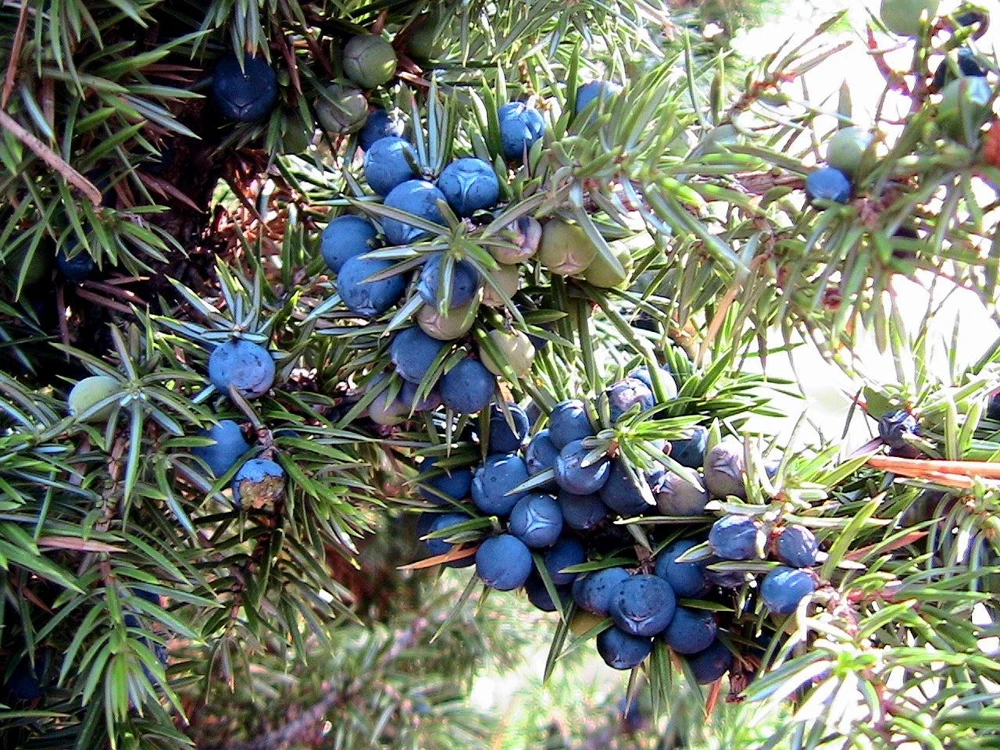
Common Juniper Seeds – Organic Juniperus Communis Tree Shrub Seeds, 60 Seeds (20 Berries)
Reviews
There are no reviews yet.