


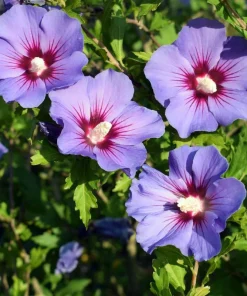
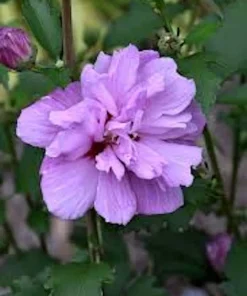
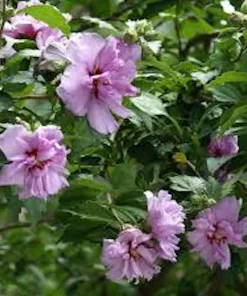
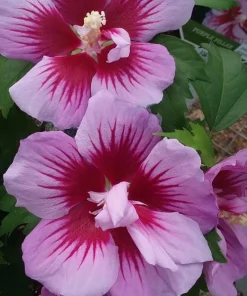
Purple Rose of Sharon Hibiscus syriacus Live Plant 12-24″ Tall Starter Quart Pot
Original price was: $77.99.$52.99Current price is: $52.99.
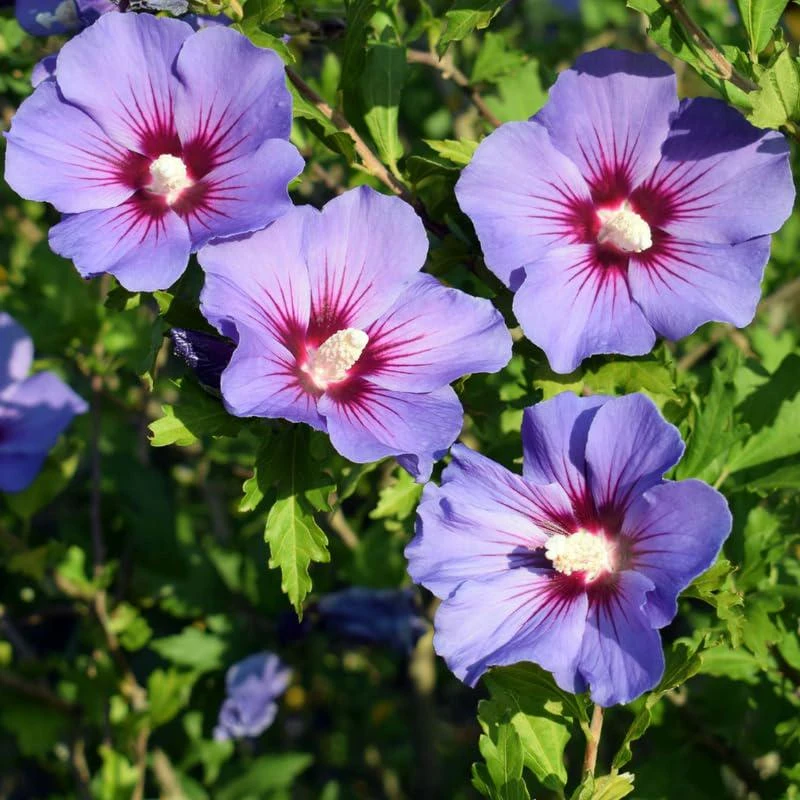
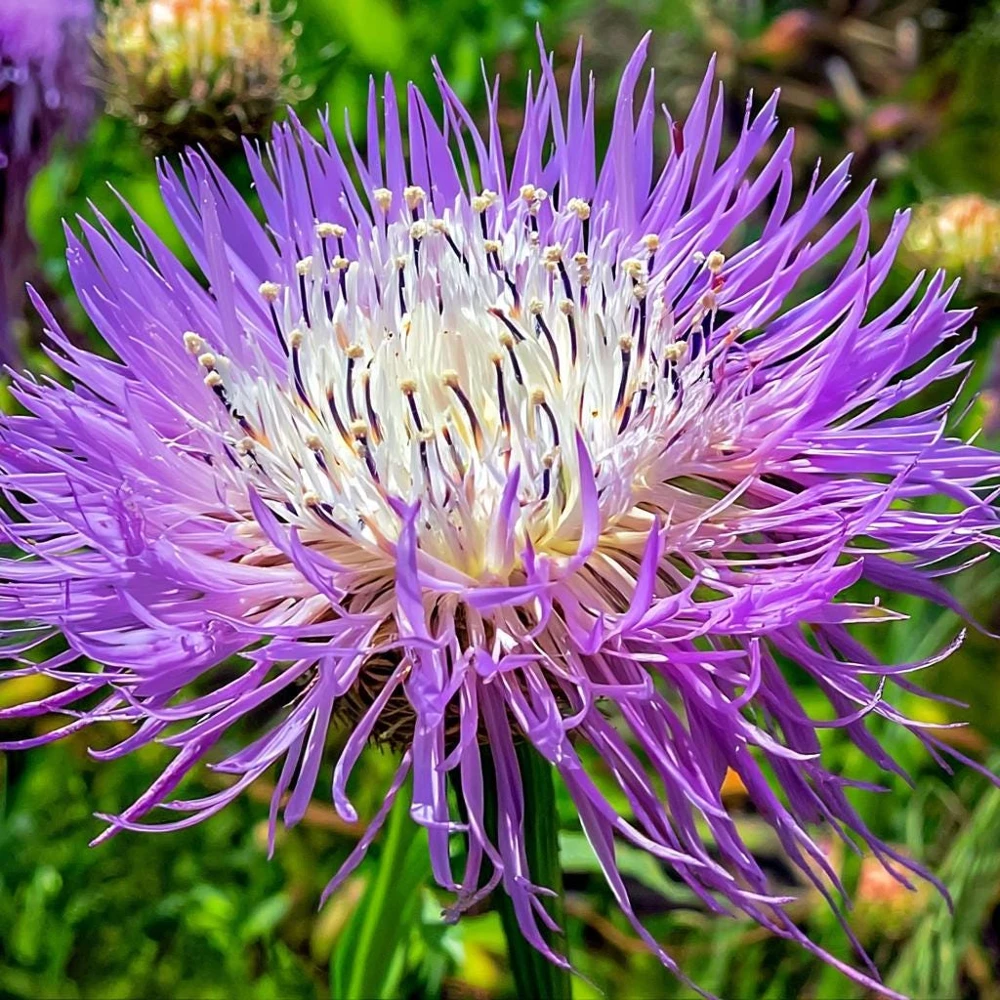
Bring vibrant color to your landscape with this rose of sharon live plant. This beautiful purple hibiscus plant is a hardy, low-maintenance shrub, perfect for adding summer blooms to your garden.
Estimated arrival
Sep 29
Oct 04 - Oct 06
Oct 09 - Oct 13
Shop With Confidence
30-Day Plant Health Guarantee
Arrives damaged? We’ll replace it free — see our return policy.
Responsive Support
Email us anytime, we reply within 1 business day.
Expert Packaging
Temperature-controlled shipping to protect your plants in transit.
Secure Checkout
Pay safely with Visa, Mastercard, PayPal.
Plant Specifications
-
USDA Hardiness Zone
USDA Zones 5-9 -
Soil Type
Well-draining, loamy soil -
Sunlight Exposure
Full sun to partial shade -
Expected Planting Period
Spring to early fall
Overview
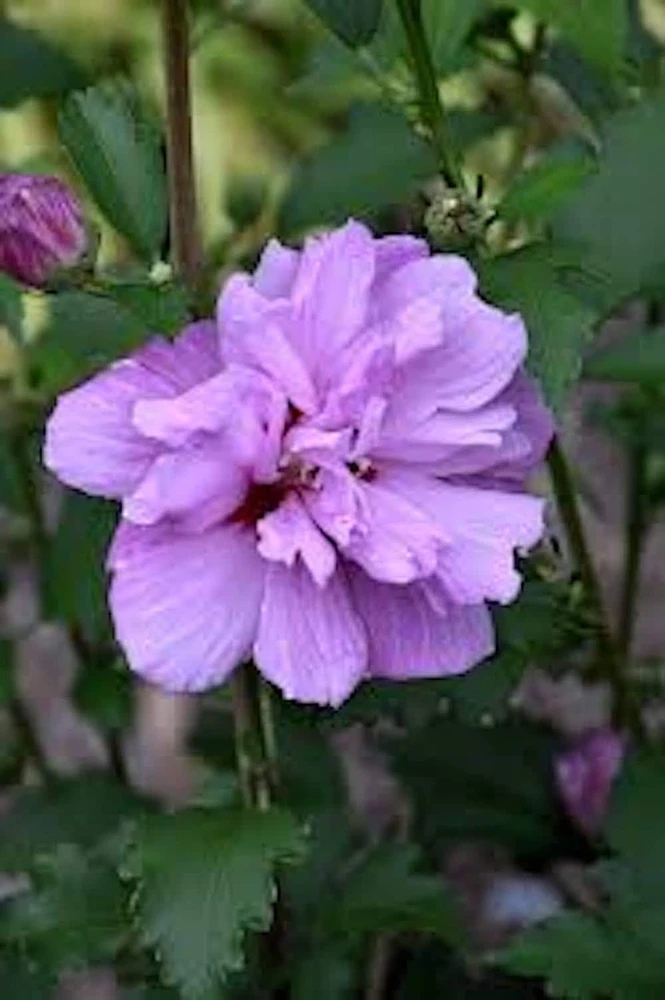
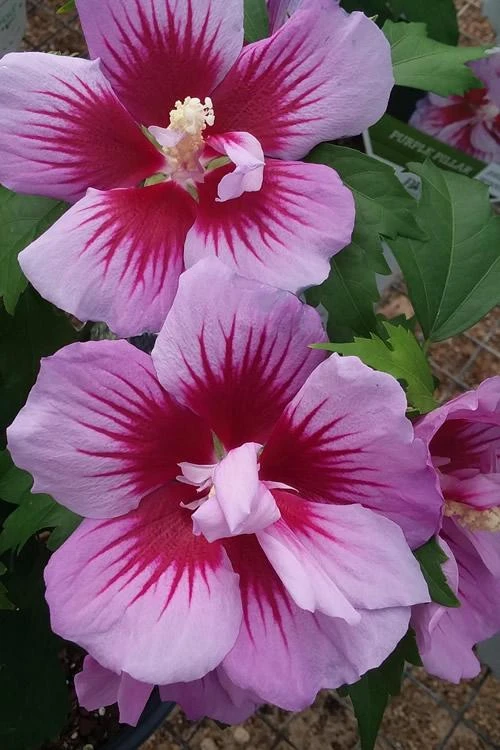
Transform your garden into a vibrant paradise with the stunning rose of sharon live plant. This captivating deciduous shrub, scientifically known as Hibiscus syriacus, is a true garden classic, celebrated for its prolific and showy blooms that grace the landscape from summer into autumn. Often referred to as Althea, this particular variety boasts magnificent purple flowers, creating a dramatic focal point in any setting. Standing at a convenient 12-24 inches tall in a quart pot, this starter plant is ready to establish itself and bring years of beauty to your outdoor space. The rose of sharon live plant is a resilient and adaptable specimen, known for its ease of care and ability to thrive in various conditions, making it an excellent choice for both seasoned gardeners and beginners alike.
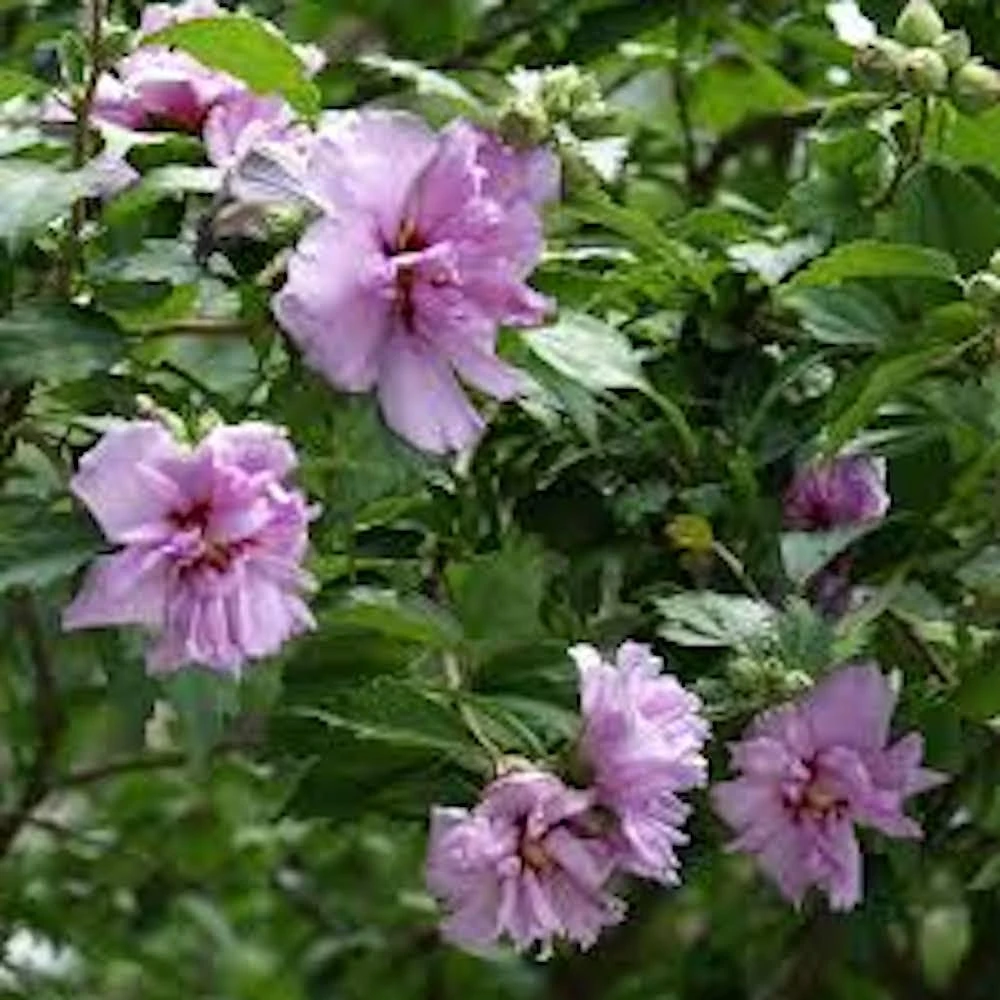
The Hibiscus syriacus is a versatile plant that can be grown as a large shrub or trained into a small tree, reaching heights of 8-12 feet and a similar spread at maturity. Its upright, vase-shaped habit provides architectural interest, while its lush green foliage serves as a perfect backdrop for the large, trumpet-shaped purple flowers. These blooms attract pollinators like butterflies and hummingbirds, adding dynamic life to your garden. Choosing a purple hibiscus plant ensures a splash of rich, deep color that stands out against other greenery, providing a long season of visual appeal.
Key Benefits
The rose of sharon live plant offers a multitude of benefits that make it a highly desirable addition to any garden. Its hardiness and long blooming season are just a few reasons why it’s a favorite among plant enthusiasts. This robust shrub provides consistent beauty and requires minimal fuss once established.
- Extended Blooming Season: Enjoy a continuous display of large, vibrant purple flowers from mid-summer through fall, providing color when many other plants are fading. This extended bloom time ensures your garden remains lively and attractive for months.
- Low Maintenance: Once established, the rose of sharon live plant is remarkably easy to care for. It tolerates a range of soil conditions and is relatively drought-tolerant, requiring less frequent watering than many other flowering shrubs.
- Versatile Landscaping Use: This adaptable plant can be used in various garden designs, from an informal hedge or privacy screen to a striking specimen plant. It can also be trained into a small tree, adding vertical interest to your landscape.
- Attracts Pollinators: The showy flowers are a magnet for hummingbirds, butterflies, and other beneficial pollinators, contributing to the biodiversity and health of your garden ecosystem.
- Hardy and Resilient: The althea shrub is known for its impressive hardiness, capable of withstanding cold winters and hot summers. Its robust nature makes it a reliable choice for diverse climates.
- Deer Resistant: While no plant is entirely deer-proof, Rose of Sharon is generally less appealing to deer compared to other garden plants, making it a good option for areas with deer activity.
- Adds Architectural Interest: With its upright growth habit and potential to be trained as a small tree, it provides structure and height to garden beds, borders, or as a standalone feature.
Plant Care & Growing Tips
Caring for your rose of sharon live plant is straightforward, making it an ideal choice for gardeners of all experience levels. Proper initial planting and consistent care will ensure your plant thrives and produces an abundance of its beautiful purple blooms. Understanding the specific needs of hibiscus syriacus care will lead to a healthy and vigorous plant.
Sunlight Requirements: The Rose of Sharon thrives in full sun to partial shade. For the most abundant blooms, aim for at least 6 hours of direct sunlight per day. In hotter climates, some afternoon shade can be beneficial to prevent leaf scorch. This plant is highly adaptable, but optimal light exposure will maximize its flowering potential. A well-lit location is key to a robust purple hibiscus plant.
Watering and Soil: This shrub prefers consistently moist, well-draining soil. While established plants tolerate some drought, regular watering is crucial, especially during dry spells and in its first year of planting. Water deeply to encourage strong root development. The ideal soil type is a rich, loamy soil with good drainage. Avoid overly wet conditions, as this can lead to root rot. If your soil is heavy clay, amend it with compost or organic matter to improve drainage. Proper drainage is a vital component of successful hibiscus syriacus care.
Temperature and USDA Hardiness: Rose of Sharon is remarkably hardy and suitable for USDA Zones 5-9. It can withstand both cold winters and hot summers within this range. In colder zones, apply a layer of mulch around the base of the plant in late fall to protect the roots. In extremely hot climates, ensure adequate watering during peak heat. For those wondering about growing rose of sharon, understanding its hardiness zone is critical.
Fertilization and Pruning: Fertilize your Rose of Sharon in early spring with a balanced, slow-release granular fertilizer formulated for flowering shrubs. Avoid over-fertilizing, which can promote leafy growth at the expense of flowers. Pruning is best done in late winter or early spring while the plant is dormant. Rose of Sharon blooms on new wood, so pruning encourages more flowers. You can prune to maintain size and shape, remove dead or crossing branches, or to encourage a more tree-like form. Regular pruning is an important aspect of hibiscus syriacus care.
Size & Details
This offering is for one rose of sharon live plant, specifically a Hibiscus syriacus, provided as a robust starter plant. Each plant measures approximately 12-24 inches in height from the base of the pot to the top of the foliage, depending on current growth. It is shipped in a quart-sized nursery pot, which provides an ideal environment for the young root system and ensures a smooth transition to your garden. These starter plants are well-rooted and ready for immediate planting upon arrival, offering a significant head start compared to seeds or smaller plugs. The plant will arrive healthy and actively growing, often with some new foliage already emerging.
At maturity, the althea shrub typically reaches a height of 8-12 feet with a similar spread, forming a dense, upright shrub or small tree. Its growth rate is moderate, meaning you’ll see noticeable development each season. Expect the first blooms to appear in the summer following planting, with more prolific flowering in subsequent years as the plant establishes itself. This purple hibiscus plant is a long-lived perennial, providing many seasons of enjoyment and beauty to your landscape. The specific growth and bloom times will vary slightly depending on your local climate and care practices, but its overall resilience makes growing rose of sharon a rewarding experience.
Frequently Asked Questions
- Q: How big will this plant get? A: This rose of sharon live plant is a starter plant, typically 12-24 inches tall. At maturity, it can grow to be a large shrub or small tree, reaching heights of 8-12 feet with a similar spread, depending on pruning and growing conditions.
- Q: Is this an indoor or outdoor plant? A: The hibiscus syriacus care information indicates it is primarily an outdoor plant, highly suitable for garden beds, borders, or as a specimen plant. It is hardy in USDA Zones 5-9.
- Q: How much sunlight does it need? A: For optimal blooming, the purple hibiscus plant requires full sun, meaning at least 6 hours of direct sunlight per day. It can tolerate partial shade, but flowering may be less prolific.
- Q: Is this plant easy to care for? A: Yes, the Rose of Sharon is known for being very easy to care for. It’s a low-maintenance shrub that tolerates a range of conditions once established, making it great for beginners interested in growing rose of sharon.
- Q: What condition will it arrive in? A: Your rose of sharon live plant will arrive as a healthy, actively growing starter plant in a quart-sized nursery pot, well-packaged to ensure its safe journey.
- Q: When is the best time to plant? A: The best time to plant your Rose of Sharon is in spring or early fall, allowing the roots to establish before extreme temperatures. However, because it arrives in a pot, it can be planted any time the ground is not frozen.
- Q: Will it survive winter in my zone? A: Yes, the althea shrub is very cold hardy and can survive winters in USDA Zones 5-9. In colder zones, a layer of mulch around the base can provide extra protection.
- Q: What type of soil does it prefer? A: It prefers well-draining, moist soil. While adaptable, a rich, loamy soil with good organic content is ideal for the best growth and bloom production.
- Q: Can I grow this plant in a container? A: Yes, you can grow the rose of sharon live plant in a large container, especially in colder zones where you might want to move it indoors for winter protection. Ensure the container has excellent drainage.
- Q: How often should I water it? A: Water regularly to keep the soil consistently moist, especially during its first year and during dry periods. Established plants are more drought-tolerant but benefit from consistent moisture.
Be the first to review “Purple Rose of Sharon Hibiscus syriacus Live Plant 12-24″ Tall Starter Quart Pot”
People Also Viewed
Vegetable Seeds
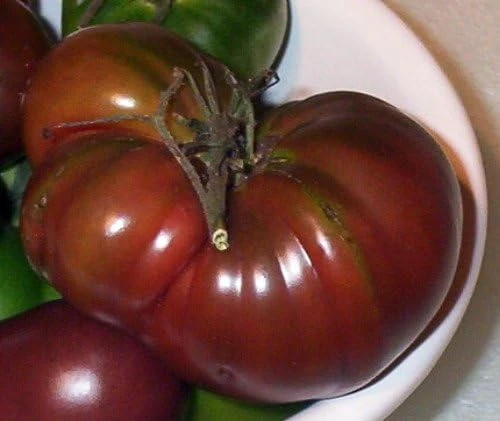
Black Russian Tomato Seeds – Heirloom, Indeterminate, 30 Count
Reviews
There are no reviews yet.