
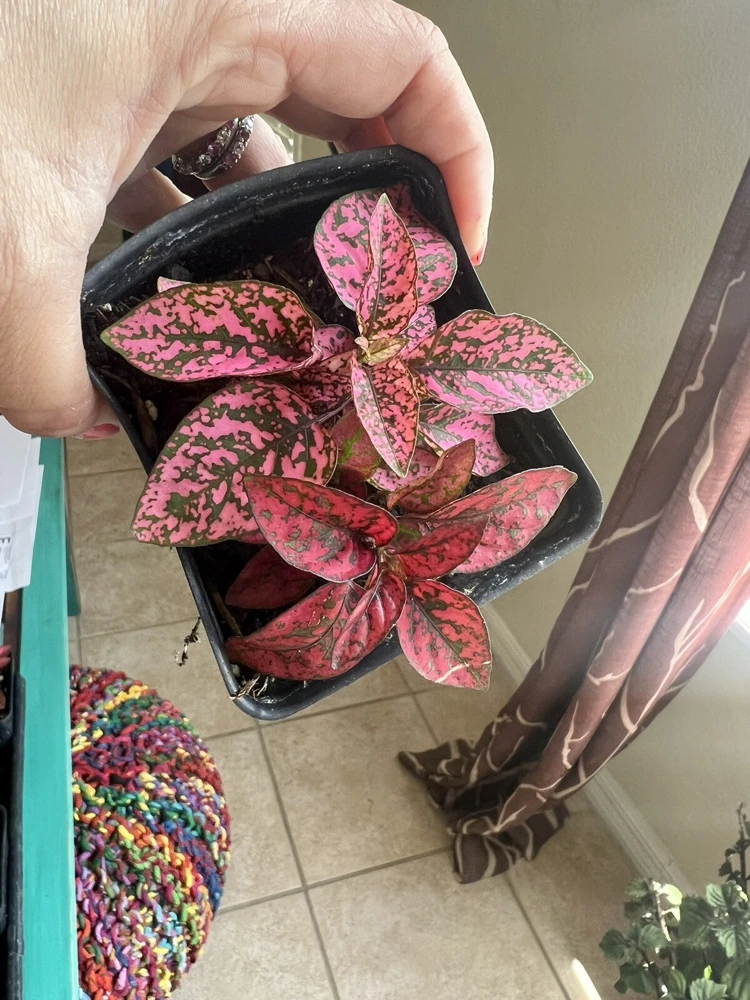
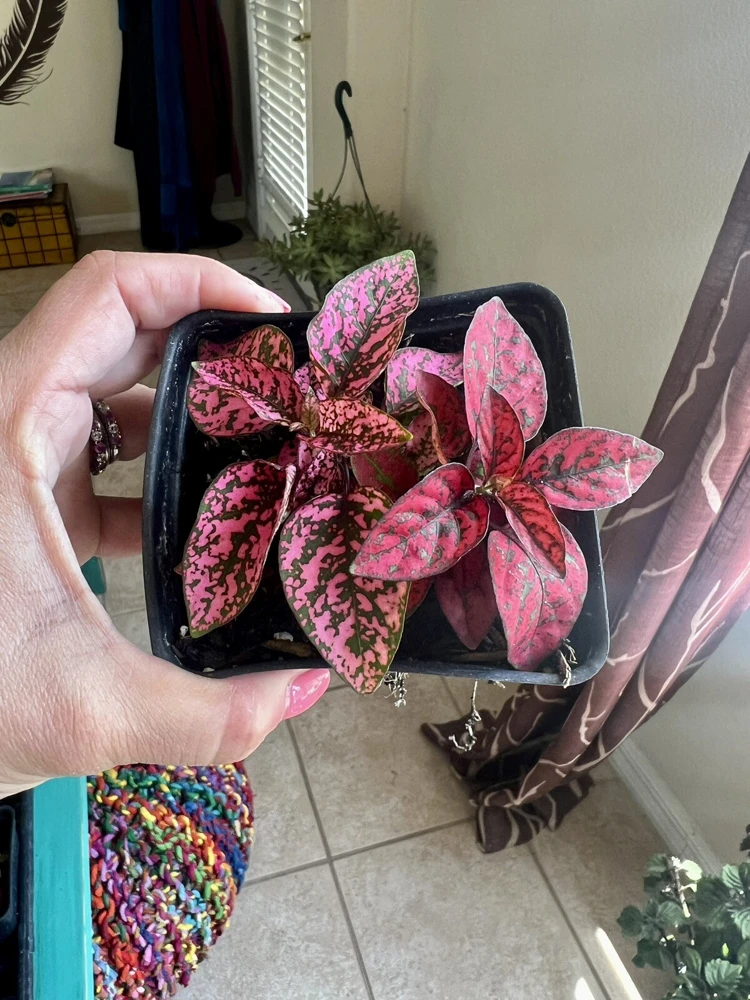
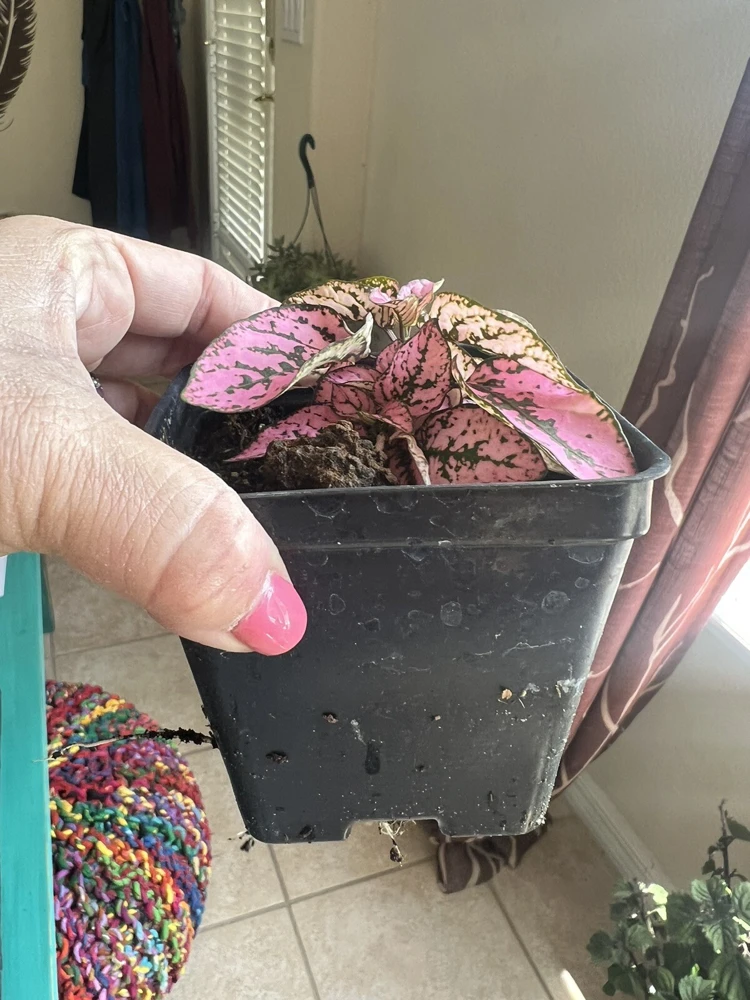
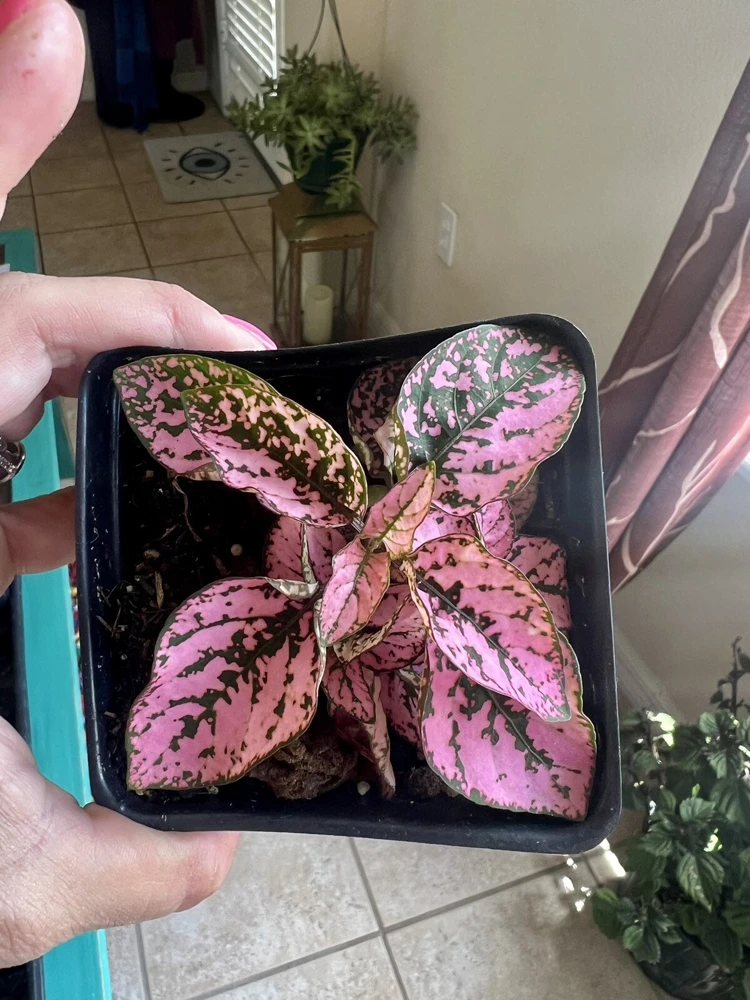
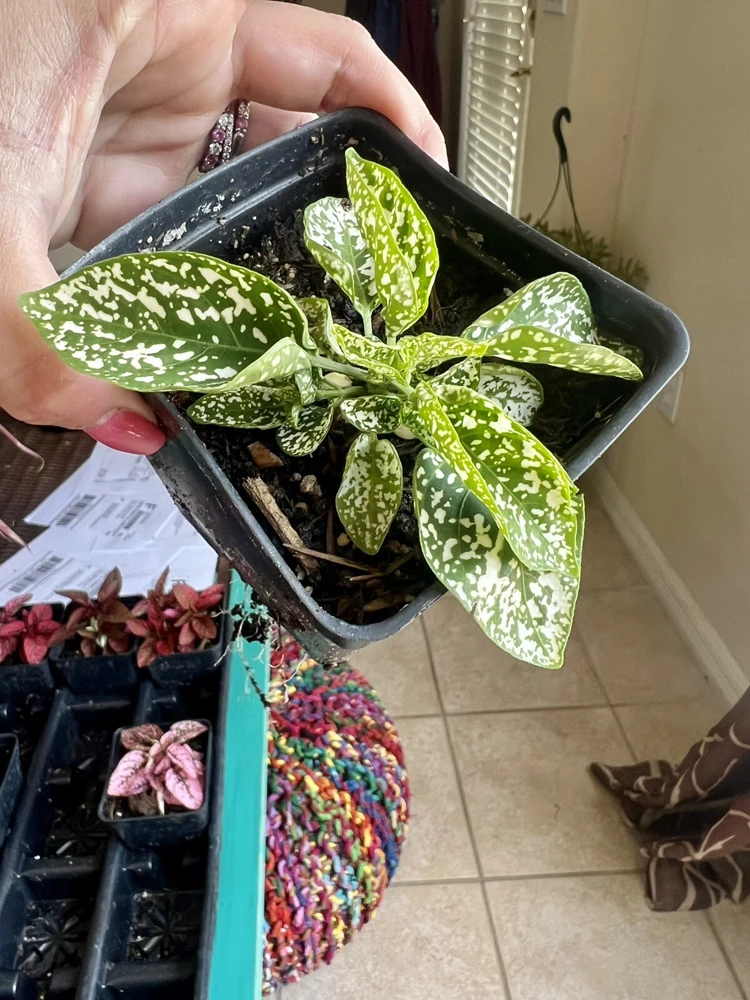
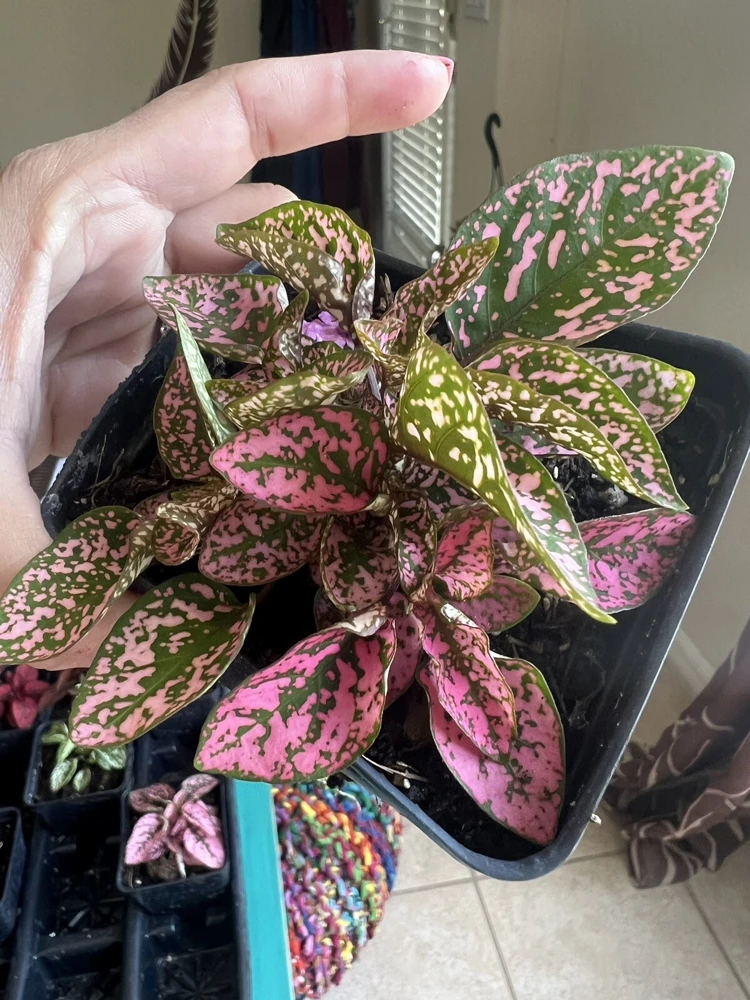
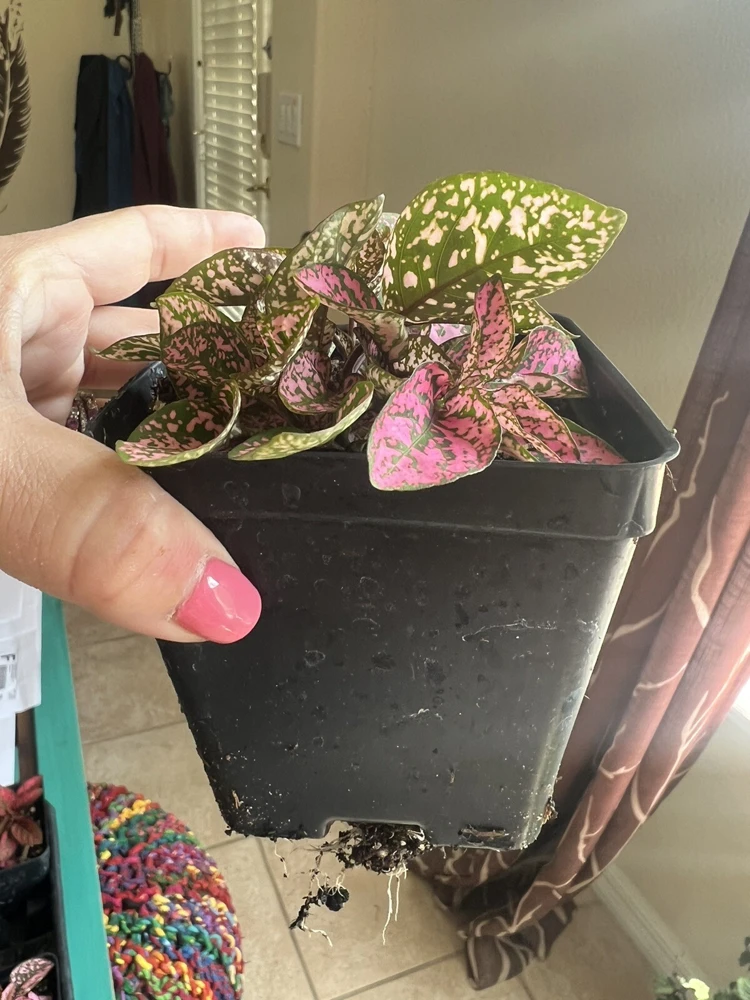
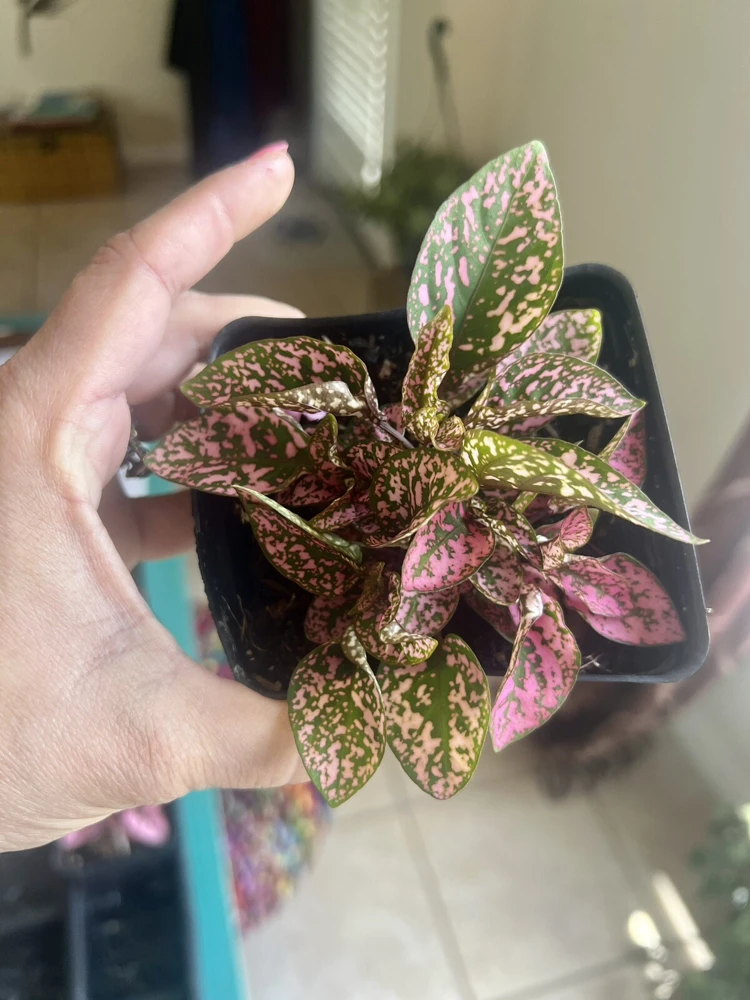
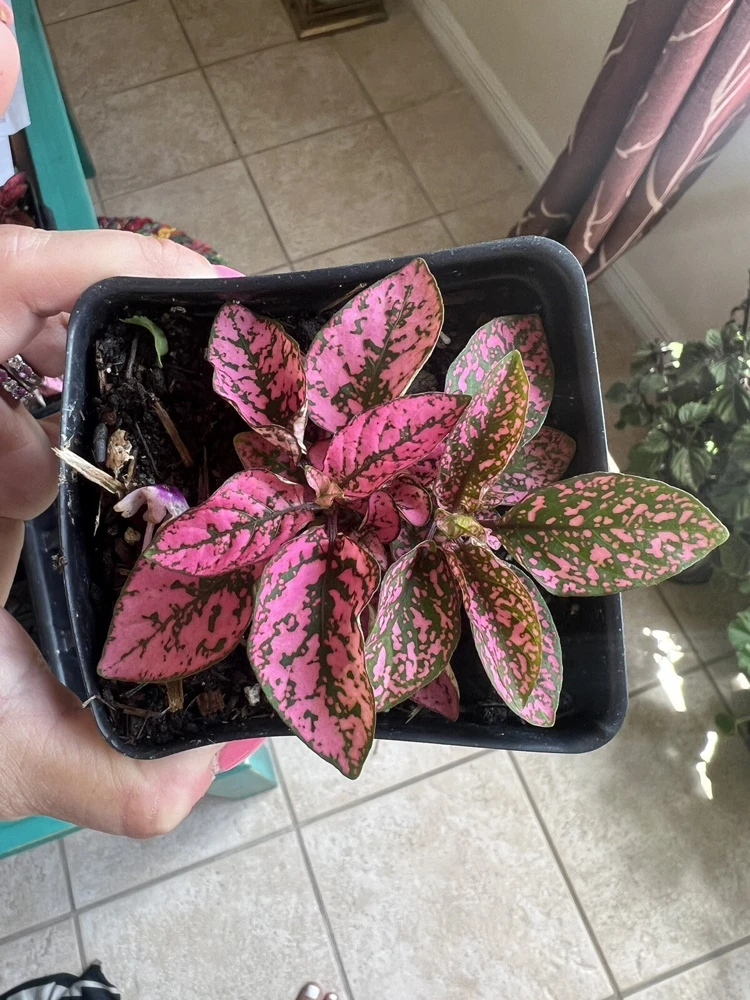
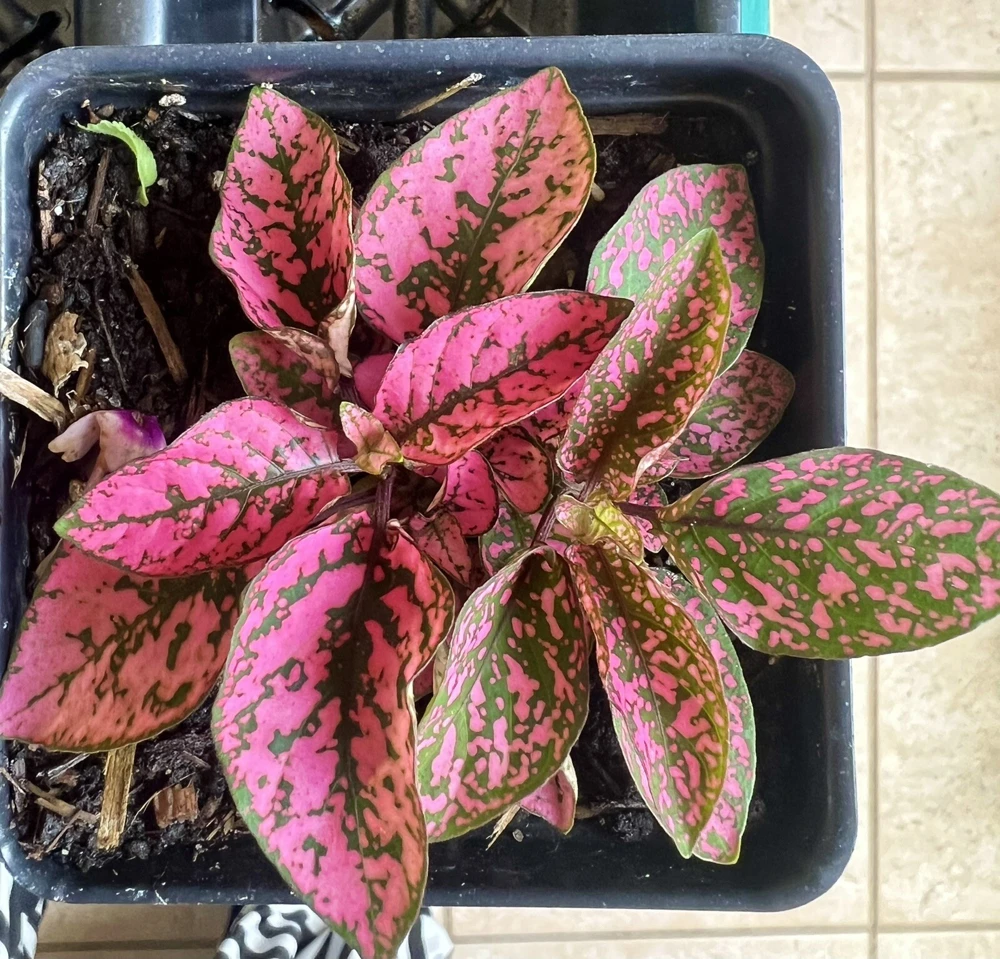
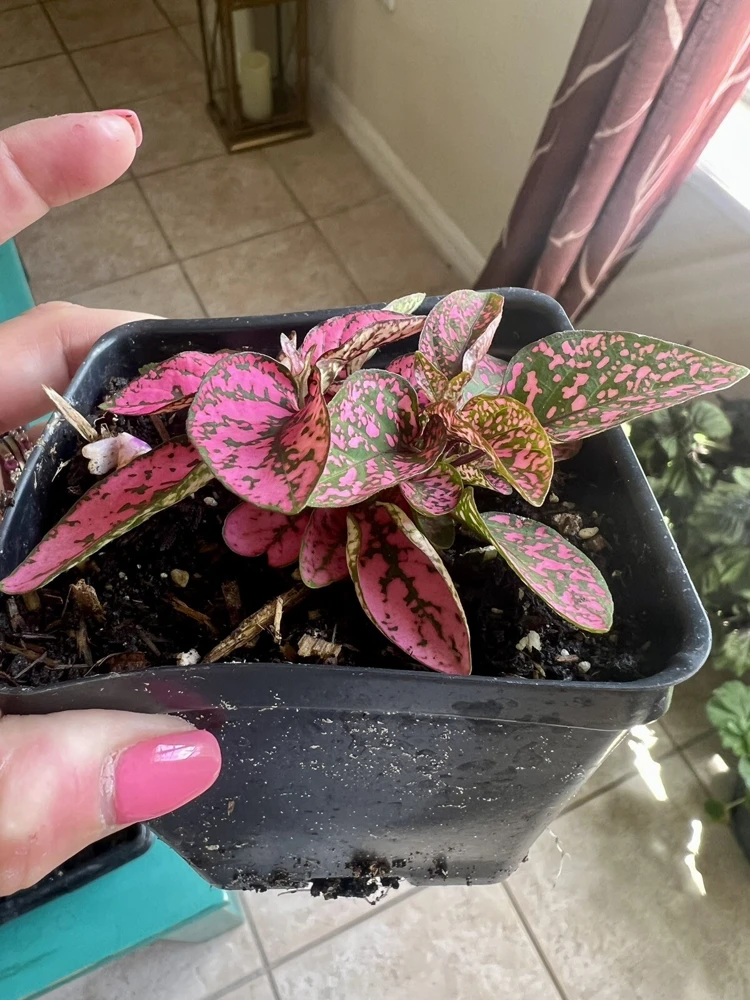
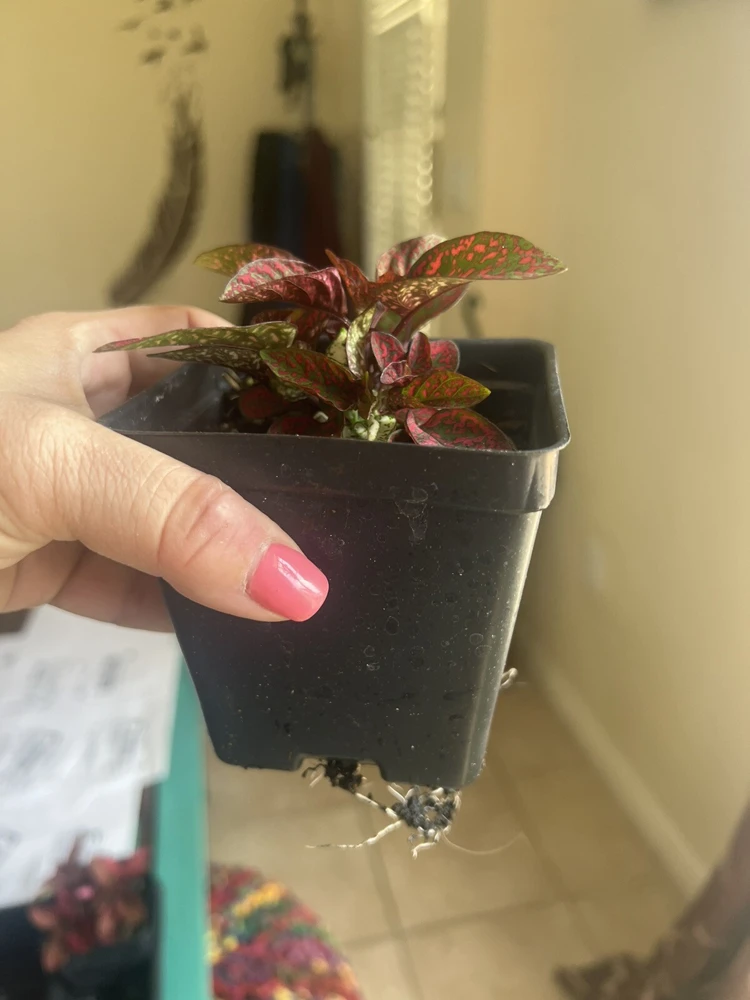
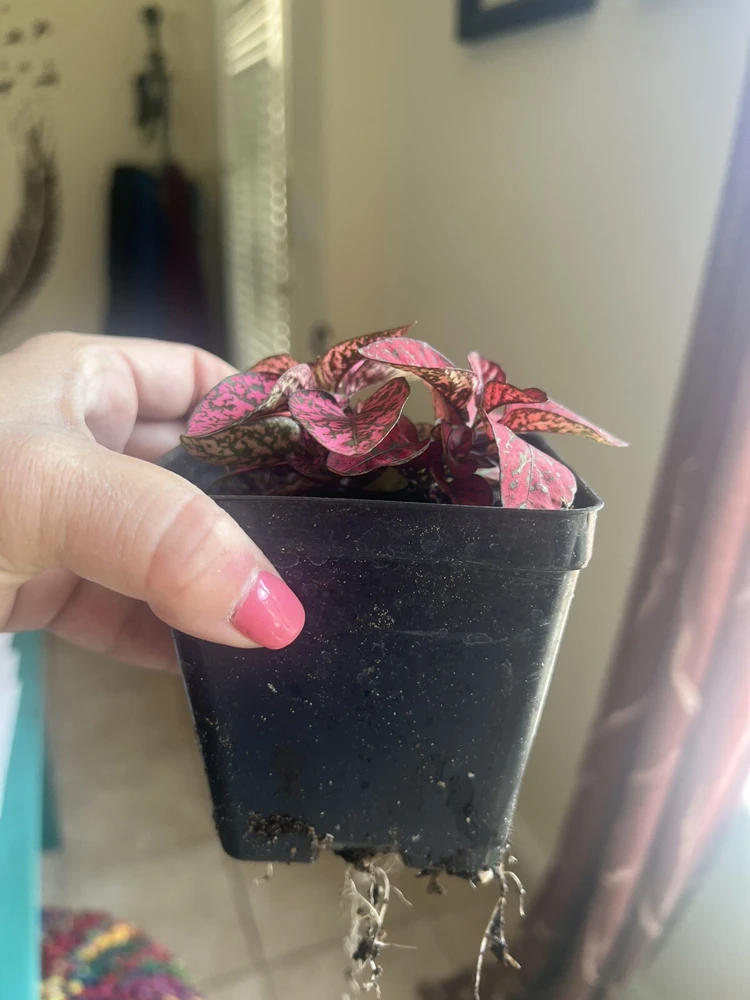
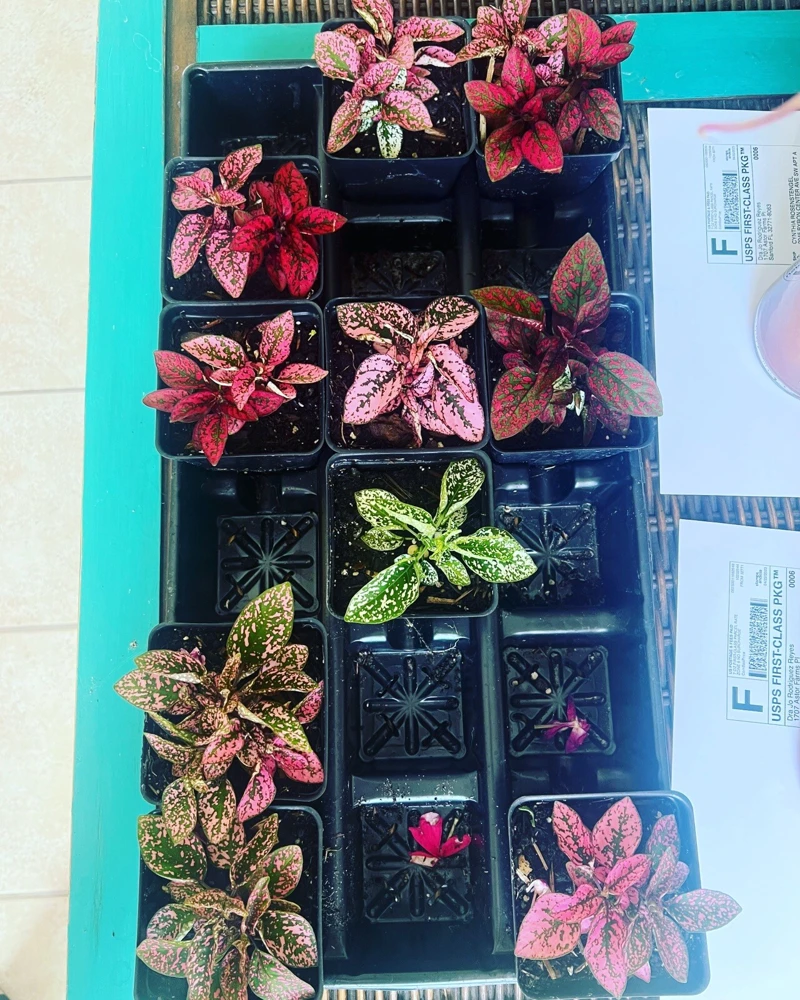
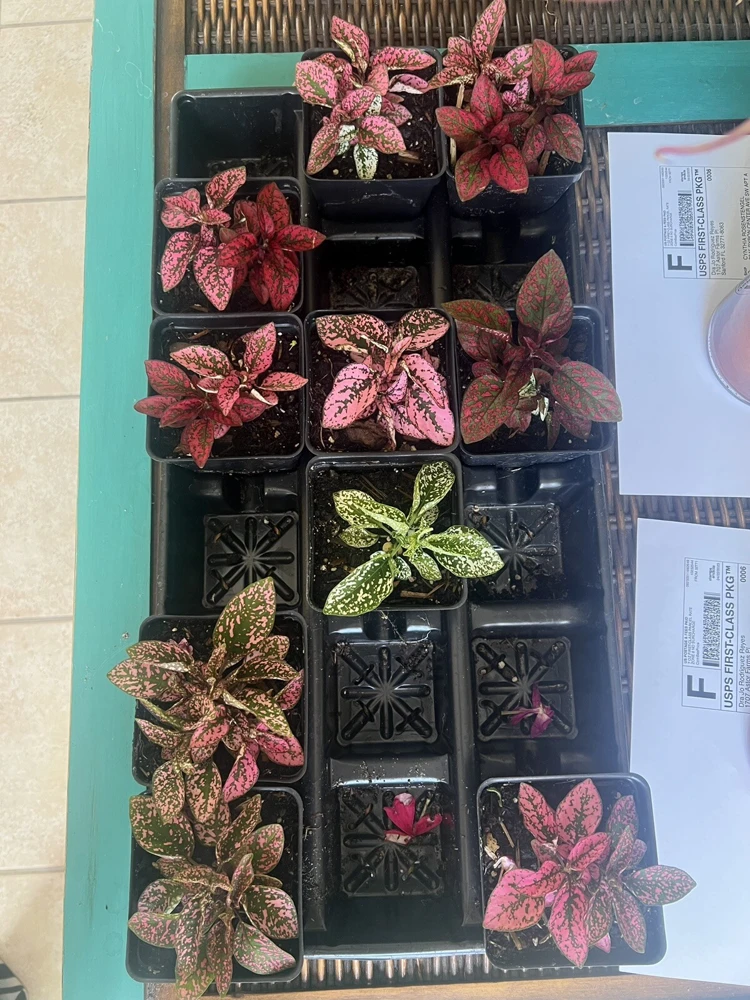
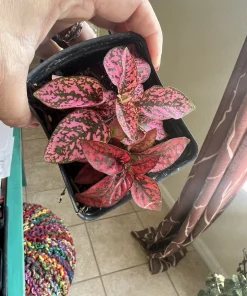
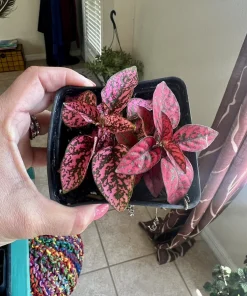
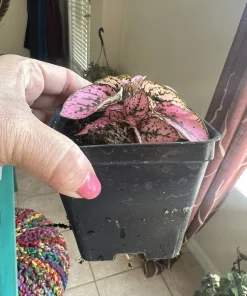
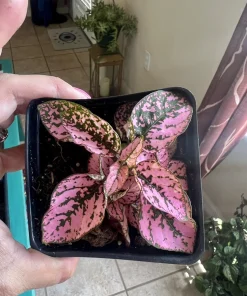
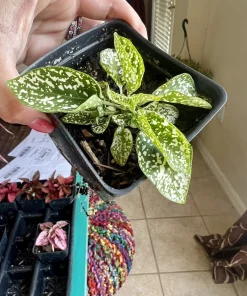
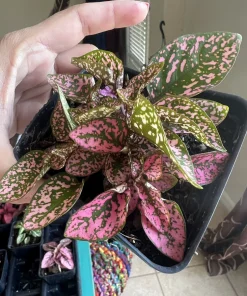
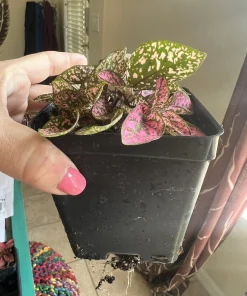
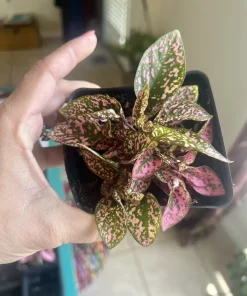
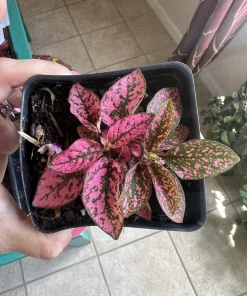
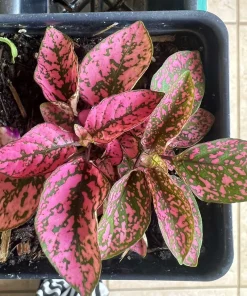
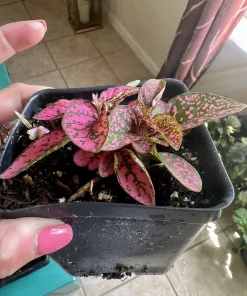
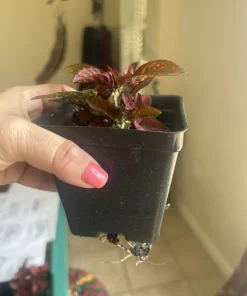
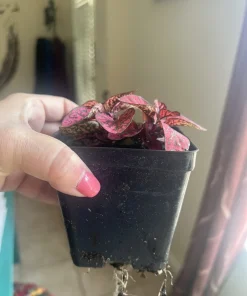
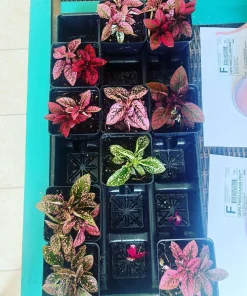
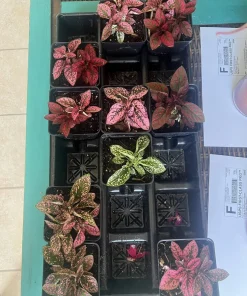
Polka Dot Plant Live Plant – Hypoestes Phyllostachya – Indoor Houseplant
Original price was: $41.99.$21.99Current price is: $21.99.
Add a splash of vibrant color to your home with the beautiful polka dot plant live plant. This Hypoestes Phyllostachya features striking spotted foliage, making it an ideal indoor polka dot plant for desks, shelves, or terrariums. Easy to care for and visually captivating.
Estimated arrival
Oct 27
Nov 01 - Nov 03
Nov 06 - Nov 10
Shop With Confidence
30-Day Plant Health Guarantee
Arrives damaged? We’ll replace it free — see our return policy.
Responsive Support
Email us anytime, we reply within 1 business day.
Expert Packaging
Temperature-controlled shipping to protect your plants in transit.
Secure Checkout
Pay safely with Visa, Mastercard, PayPal.
Plant Specifications
-
USDA Hardiness Zone
Indoor plant (can be grown outdoors in USDA zones 10-11) -
Soil Type
Well-draining, peat-based potting mix -
Sunlight Exposure
Bright indirect light -
Expected Planting Period
Year-round indoors
Overview
Introduce a delightful burst of color and charm to your indoor garden with the captivating polka dot plant live plant, scientifically known as Hypoestes Phyllostachya. This popular houseplant is celebrated for its uniquely patterned leaves, which are adorned with speckles and patches of pink, white, or red against a green background. Often referred to simply as the polka dot plant, it’s a fantastic choice for adding visual interest and a touch of whimsy to any room. Originating from Madagascar, this tropical beauty thrives in warm, humid environments, making it perfectly suited for indoor cultivation. Whether you’re a seasoned plant enthusiast or just starting your green journey, the Hypoestes Phyllostachya care is relatively straightforward, offering rewarding growth and vibrant displays. Its compact size also makes it versatile, fitting beautifully into small spaces, terrariums, or as part of a larger plant arrangement. Embrace the playful elegance that this botanical gem brings to your home.
The polka dot plant live plant is not just a visual treat; it’s also known for its relatively quick growth and ability to bounce back from slight neglect, making it forgiving for beginners. Its bright colors can instantly uplift a space, providing a cheerful accent. This indoor polka dot plant is a wonderful way to introduce dynamic patterns into your decor without needing flowers. With proper care, your Hypoestes will flourish, producing new, colorful leaves consistently. Explore the joy of growing this unique and charming houseplant.
Key Benefits
The polka dot plant live plant offers numerous advantages for indoor gardeners, combining aesthetic appeal with manageable care. Its distinct appearance makes it a standout choice for adding life and color to your home.
- Vibrant Foliage: The most striking feature of the polka dot plant is its vividly spotted leaves, which come in shades of pink, white, or red, providing a constant splash of color even without blooms. This makes it an excellent choice for year-round visual interest.
- Compact Size: Growing to a moderate size, this Hypoestes Phyllostachya is perfect for small apartments, office desks, windowsills, or as part of a mixed container arrangement. It doesn’t require much space to make a big impact.
- Easy Care: Generally considered a low-maintenance houseplant, the polka dot plant live plant is forgiving and relatively easy to care for, making it suitable for both novice and experienced plant parents. Understanding Hypoestes Phyllostachya care ensures a thriving plant.
- Air Purifying Qualities: Like many houseplants, the indoor polka dot plant contributes to a healthier indoor environment by helping to filter out common airborne toxins, though its primary benefit is ornamental.
- Versatile Decor: Its unique patterns and colors allow it to complement various interior design styles, from modern minimalist to bohemian chic. It can be a focal point or a charming accent.
- Pet-Friendly (Non-Toxic): While it’s always best to prevent pets from munching on plants, the polka dot plant is generally considered non-toxic to cats and dogs, offering peace of mind for pet owners.
- Great for Terrariums: Its love for humidity and manageable size make it an excellent candidate for closed terrariums, where it can thrive and create a miniature, vibrant ecosystem.
Plant Care & Growing Tips
Ensuring your polka dot plant live plant thrives requires understanding its specific needs, especially regarding light, water, and humidity. Providing the right conditions will encourage lush growth and vibrant foliage. The Hypoestes Phyllostachya care routine is straightforward once you know what it prefers.
Sunlight Requirements: The polka dot plant prefers bright, indirect light. Too much direct sunlight can scorch its delicate leaves and cause the vibrant spots to fade, while too little light can lead to leggy growth and duller coloration. An east-facing window is often ideal, or a few feet away from a south or west-facing window. Rotating the plant regularly will ensure even growth and color distribution. Consistent light is key to maintaining the striking appearance of your indoor polka dot plant.
Watering Schedule and Soil Moisture: This plant likes consistently moist soil, but not waterlogged. Allow the top inch of soil to dry out slightly between waterings. Overwatering can lead to root rot, while underwatering will cause the plant to wilt dramatically, though it usually recovers quickly once watered. Use a well-draining pot to prevent water accumulation at the bottom. Reduce watering slightly in the cooler, darker months. Proper hydration is a crucial part of effective Hypoestes Phyllostachya care.
Soil Type and Drainage Requirements: A well-draining, peat-based potting mix is ideal for the polka dot plant live plant. A mix designed for houseplants or African violets works well. Ensure the pot has drainage holes to prevent soggy soil. Good drainage is essential to protect the roots from fungal issues and ensure healthy growth. The right soil mix contributes significantly to the plant’s overall health and vigor.
Temperature Range and USDA Hardiness Zone: As a tropical plant, the polka dot plant thrives in warm temperatures, ideally between 65-80°F (18-27°C). Avoid temperatures below 60°F (15°C), as cold drafts can damage the foliage. It is generally grown as an indoor plant in all USDA zones due to its sensitivity to cold. For outdoor cultivation, it is best treated as an annual or brought indoors before frost.
Fertilization Schedule and Type: During the growing season (spring and summer), feed your polka dot plant every 2-4 weeks with a balanced liquid fertilizer diluted to half strength. Reduce or stop fertilization during the dormant fall and winter months. Over-fertilizing can lead to nutrient burn, so always follow product instructions carefully.
Common Problems and Solutions: Yellowing leaves can indicate overwatering or nutrient deficiency. Leggy growth and fading spots often point to insufficient light. Pests like aphids and mealybugs can occasionally be an issue; treat with insecticidal soap. Pinching back leggy stems encourages bushier growth and helps maintain the plant’s compact shape. Addressing these issues promptly is part of good Hypoestes Phyllostachya care.
Size & Details
This polka dot plant live plant typically grows to a compact size, generally reaching a height of 6 to 12 inches and a similar spread, making it an ideal indoor polka dot plant for various settings. The exact dimensions can vary depending on growing conditions and whether it is regularly pruned. It is shipped as a rooted plant, usually in a nursery pot, ready to be transplanted into your chosen decorative container. The plant has a moderate growth rate, quickly filling out to create an attractive, bushy appearance. Its mature leaves will display the full vibrancy of its characteristic spots, adding a dynamic texture and color to your space. Expect your plant to arrive healthy and ready to thrive with proper Hypoestes Phyllostachya care.
Frequently Asked Questions
- Q: How big does this plant get? A: The polka dot plant live plant typically grows to about 6-12 inches tall and wide indoors, though it can be kept smaller with regular pruning. Its compact nature makes it very versatile for different spaces.
- Q: What size pot does it come in? A: The plant is typically shipped in a standard nursery pot, often a 2-4 inch container, suitable for immediate display or repotting into a larger decorative pot.
- Q: Is this an indoor or outdoor plant? A: While it can be grown outdoors in warm, humid climates (USDA zones 10-11), the polka dot plant is primarily cultivated as an indoor polka dot plant due to its tropical nature and sensitivity to cold.
- Q: How much sunlight does it need? A: It prefers bright, indirect light. Direct sun can scorch its leaves, while too little light can cause its vibrant spots to fade and lead to leggy growth.
- Q: Is this plant easy to care for? A: Yes, the polka dot plant is considered relatively easy to care for, making it a great option for beginners. It’s quite forgiving and will often signal its needs clearly (e.g., wilting when thirsty).
- Q: Is it good for beginners? A: Absolutely! Its clear communication of needs and resilience make it an excellent choice for those new to houseplants, provided basic Hypoestes Phyllostachya care guidelines are followed.
- Q: What condition will it arrive in? A: Your polka dot plant live plant will arrive as a healthy, rooted plant, carefully packaged to minimize stress during transit, ready to settle into its new home.
- Q: Is it shipped in soil? A: Yes, it is typically shipped in its original nursery pot with soil to ensure its health and stability during delivery.
- Q: Is the polka dot plant pet-safe? A: The polka dot plant (Hypoestes Phyllostachya) is generally considered non-toxic to cats and dogs. However, ingestion in large quantities can sometimes cause mild digestive upset, so it’s always best to keep plants out of reach of curious pets.
- Q: What’s the minimum temperature it can tolerate? A: This tropical plant prefers temperatures above 60°F (15°C) and can be damaged by cold drafts or temperatures below this range. It thrives in warm, humid conditions.
Be the first to review “Polka Dot Plant Live Plant – Hypoestes Phyllostachya – Indoor Houseplant”
People Also Viewed
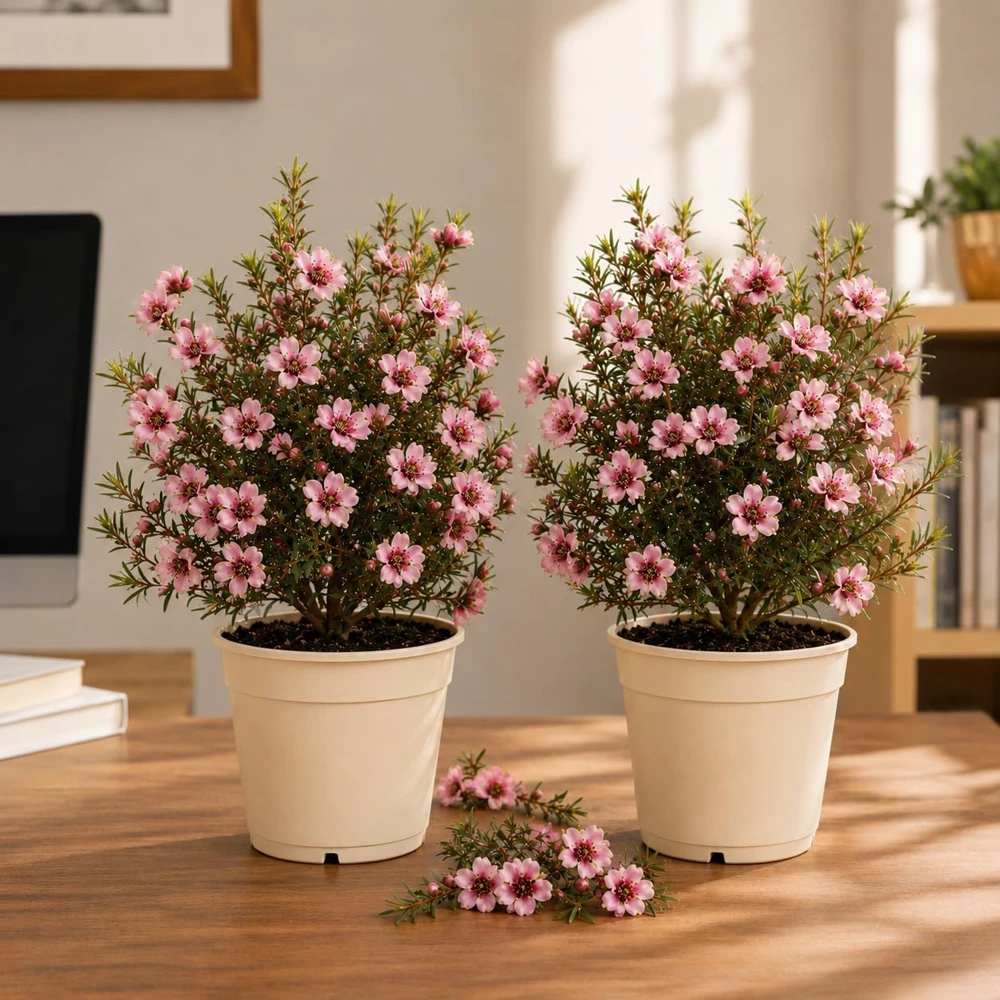
Shrubs
Pink Manuka Tea Live Plant (2 Pack) – Leptospermum scoparium – 4-6 Inch Tall Bush for Outdoor
Vegetable Seeds
Vegetable Seeds
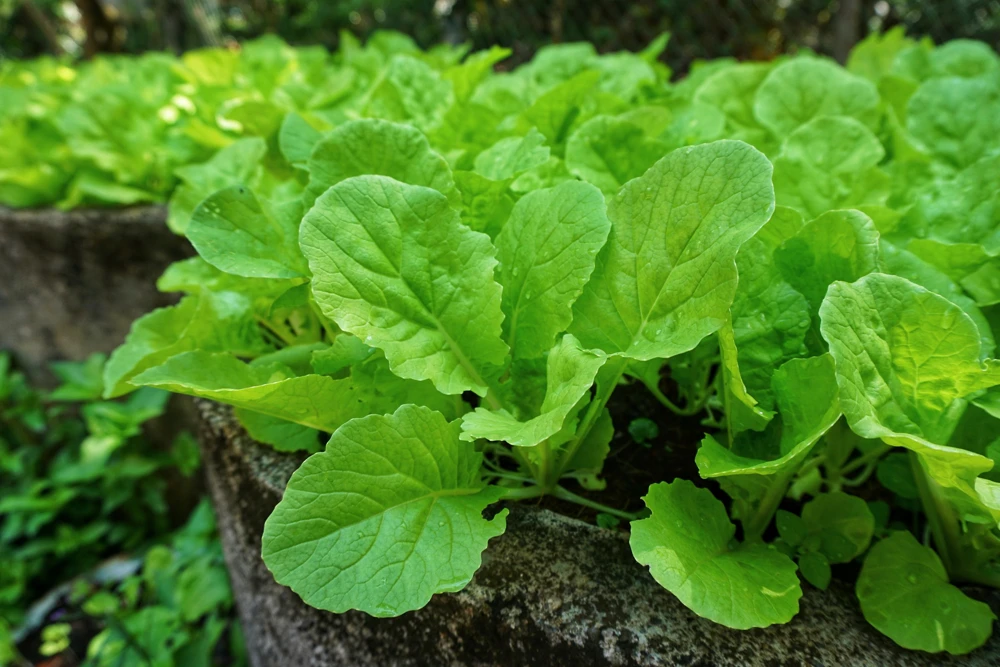
Seven Top Turnip Seeds for Leaf Greens & Sprouts – 1500 Count
Reviews
There are no reviews yet.