


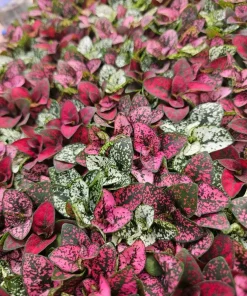
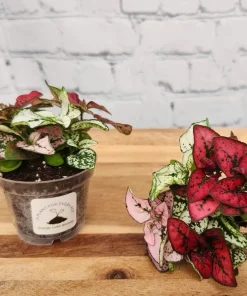
Polka Dot Plant Live Plant – Hypoestes Phyllostachya – Indoor Houseplant
Original price was: $41.99.$21.99Current price is: $21.99.
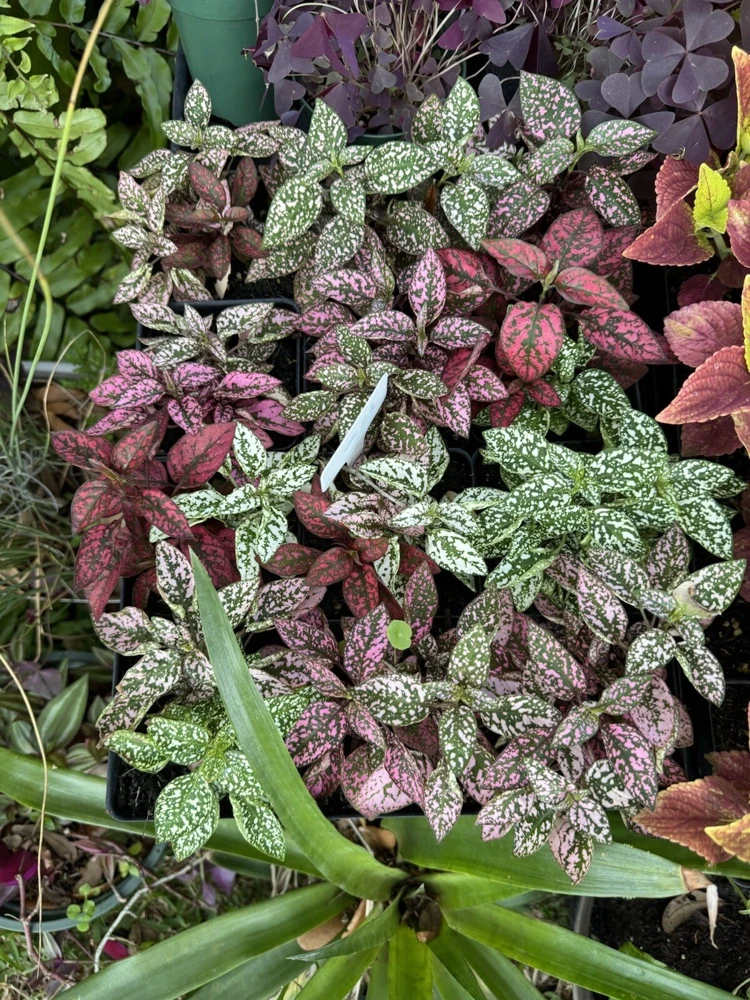
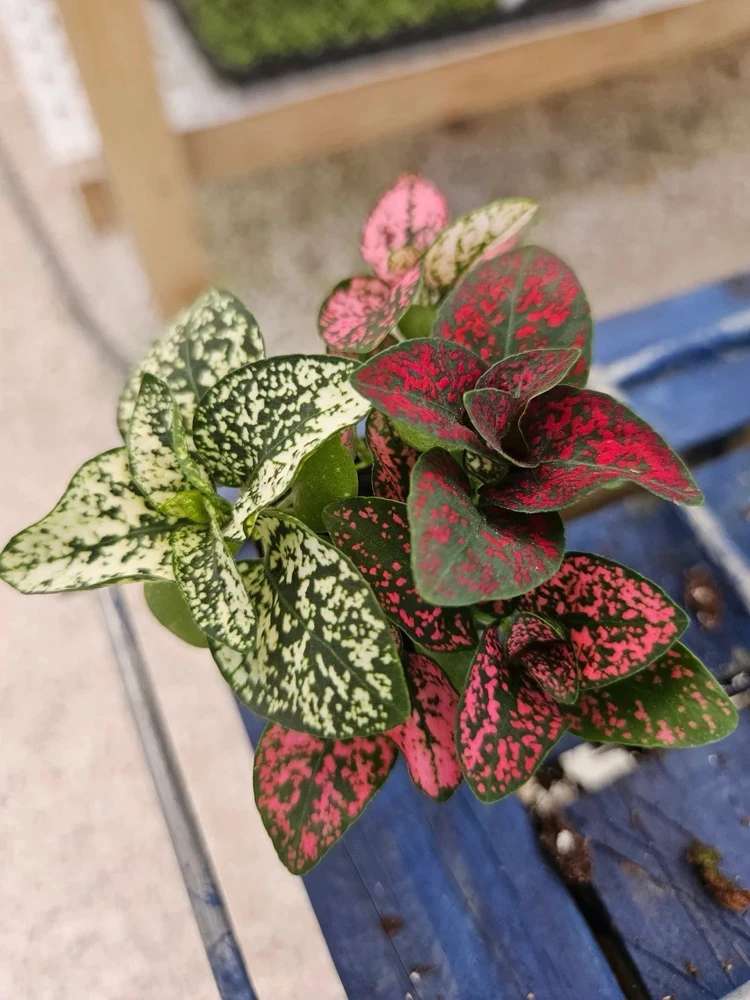
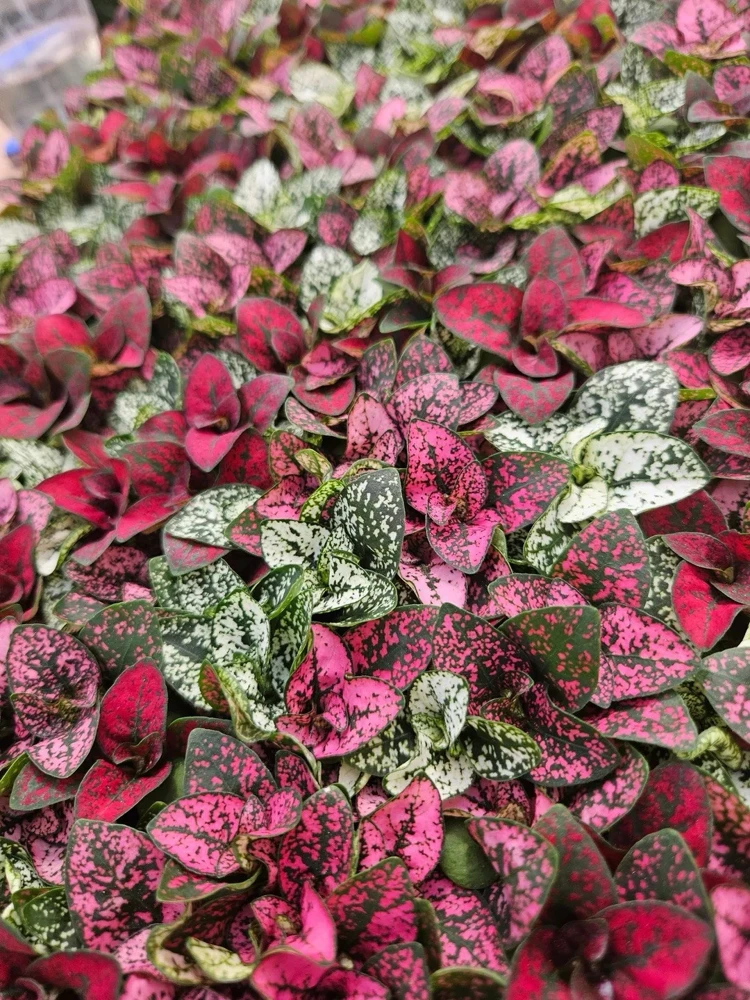
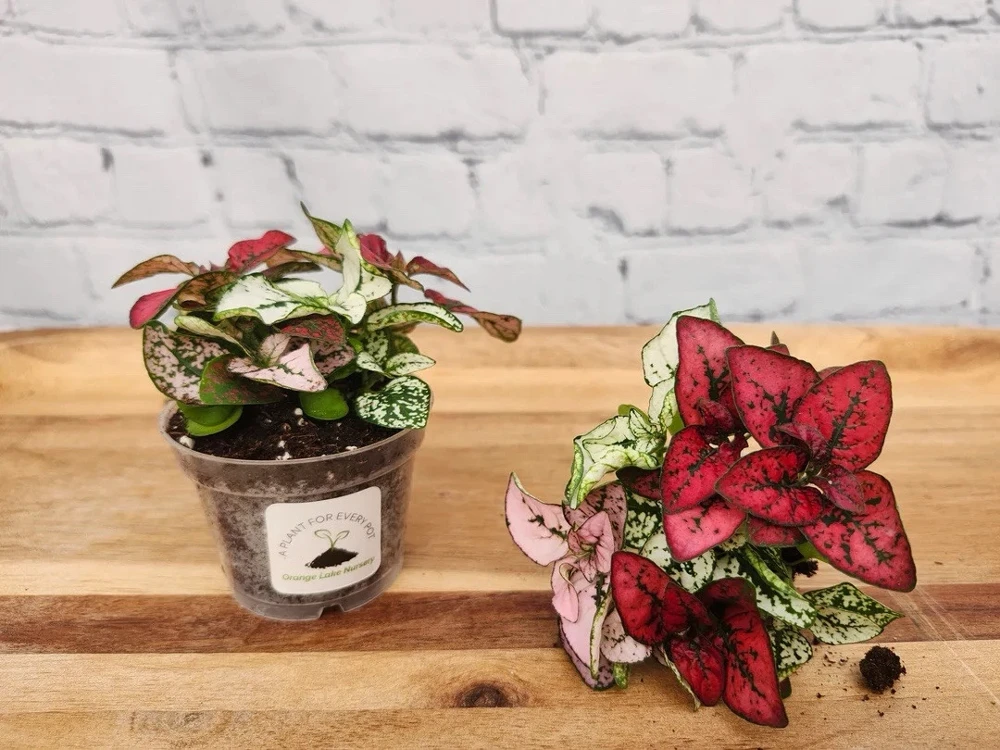
Bring vibrant color to your home with a beautiful polka dot plant live plant. This charming indoor polka dot plant, also known as hypoestes phyllostachya, features eye-catching spotted foliage, making it a delightful addition to any indoor space.
Estimated arrival
Oct 28
Nov 02 - Nov 04
Nov 07 - Nov 11
Shop With Confidence
30-Day Plant Health Guarantee
Arrives damaged? We’ll replace it free — see our return policy.
Responsive Support
Email us anytime, we reply within 1 business day.
Expert Packaging
Temperature-controlled shipping to protect your plants in transit.
Secure Checkout
Pay safely with Visa, Mastercard, PayPal.
Plant Specifications
-
USDA Hardiness Zone
USDA zones 10-11 (outdoors); suitable for year-round indoor cultivation -
Soil Type
Well-draining potting mix -
Sunlight Exposure
Bright indirect light -
Expected Planting Period
Year-round indoors
Overview
Brighten your living space with the captivating beauty of a polka dot plant live plant. This delightful houseplant, scientifically known as Hypoestes phyllostachya, is celebrated for its distinctive, speckled leaves that resemble polka dots, hence its charming common name. Originating from Madagascar, this tropical perennial is a popular choice for indoor gardening enthusiasts, adding a vibrant splash of color to any room. Whether you’re a seasoned plant parent or just starting your green journey, the polka dot plant live plant offers an exciting visual appeal and is relatively straightforward to care for, making it an excellent choice for desks, shelves, or as part of a larger indoor plant collection. Its unique foliage patterns, often in shades of pink, white, or red against a green background, ensure it stands out and becomes a focal point in your home decor.
The Polka Dot Plant is not just a pretty face; it’s a living piece of art that continuously grows and evolves, offering fresh patterns with new leaves. It’s a fantastic way to introduce dynamic color without relying on flowers, providing year-round interest. This particular offering is a healthy, established indoor polka dot plant, ready to thrive in its new environment and bring a touch of tropical charm to your home. Its compact growth habit makes it suitable for various indoor settings, from small apartments to spacious homes.
Key Benefits
The polka dot plant live plant offers numerous benefits, making it a highly desirable addition to any indoor garden. Its striking appearance is just one of many reasons to welcome this plant into your home:
- Vibrant Aesthetic Appeal: The primary benefit of the Polka Dot Plant is its incredibly decorative foliage. The contrasting spots of pink, white, or red against green leaves provide a lively and cheerful display that instantly brightens any room. This makes it an excellent choice for adding a pop of color without needing blooms.
- Easy to Care For: Known for being relatively low-maintenance, the polka dot plant care routine is manageable for both beginners and experienced plant owners. It adapts well to typical indoor conditions and doesn’t require extensive pruning or specialized attention.
- Compact Growth Habit: This plant typically maintains a compact size, making it perfect for smaller spaces such as windowsills, office desks, or terrariums. It won’t quickly outgrow its spot, allowing for flexible placement in your home.
- Pet-Friendly (with caution): While generally considered non-toxic, ingestion in large quantities can cause mild digestive upset in pets. It’s best to keep it out of reach, but it’s not as severely toxic as some other common houseplants.
- Air Purifying Qualities: Like many houseplants, the hypoestes phyllostachya contributes to improved indoor air quality by absorbing certain common airborne toxins, creating a healthier living environment.
- Versatile Decor Element: Its unique coloring allows it to complement various interior design styles, from modern minimalist to bohemian. It can be used as a standalone accent or integrated into a diverse plant collection.
- Encourages Plant Parenthood: Its ease of care and rewarding visual display make it an encouraging plant for those new to gardening, helping to build confidence in plant care skills. The pink polka dot plant varieties are especially popular for their charming hues.
Plant Care & Growing Tips
Caring for your polka dot plant live plant is a rewarding experience, and with the right approach, it will flourish and display its beautiful foliage. Understanding the specific needs of Hypoestes phyllostachya is key to its health and vibrancy.
Sunlight Requirements: The Polka Dot Plant thrives in bright, indirect light. Too much direct sun can scorch its delicate leaves and fade its vibrant colors, while too little light can cause its patterns to become dull or disappear entirely, and the plant may become leggy. An east-facing window is often ideal, providing gentle morning sun. If you don’t have enough natural light, a grow light can supplement its needs. Rotate your plant every few days to ensure even growth and light exposure.
Watering Schedule and Soil Moisture: Consistent moisture is crucial for the polka dot plant care routine. The soil should be kept consistently moist but never waterlogged. Allow the top inch of soil to dry out slightly between waterings, then water thoroughly until water drains from the bottom of the pot. Overwatering can lead to root rot, while underwatering can cause wilting and crispy leaves. Signs of thirst include drooping leaves, which often perk up quickly after a good watering. Reduce watering slightly during the cooler, darker winter months.
Soil Type and Drainage: A well-draining potting mix is essential for the health of your Polka Dot Plant. A standard indoor potting mix amended with perlite or coarse sand will provide the necessary drainage and aeration. Ensure the pot has drainage holes to prevent water from accumulating at the bottom, which can lead to root issues. Good soil structure helps in retaining moisture while allowing excess water to escape.
Temperature Range and Humidity: As a tropical plant, the Polka Dot Plant prefers warm temperatures, ideally between 65-80°F (18-27°C). Avoid exposing it to temperatures below 60°F (15°C) or sudden cold drafts, which can shock the plant. High humidity is also beneficial. You can increase humidity by misting the leaves regularly, placing the pot on a pebble tray with water, or using a humidifier. This is particularly important if you live in a dry climate or during winter when indoor heating can reduce humidity. Proper humidity helps keep the foliage lush and prevents leaf edges from browning.
Fertilization: During the growing season (spring and summer), feed your indoor polka dot plant every 2-4 weeks with a balanced liquid fertilizer diluted to half strength. Reduce or stop fertilization during the fall and winter when the plant’s growth naturally slows down. Over-fertilizing can lead to nutrient burn, so always follow the product instructions carefully.
Pruning and Maintenance: To encourage a bushier, more compact growth habit and prevent legginess, pinch back the stems regularly. This involves snipping off the top two sets of leaves on each stem. This practice promotes side branching and maintains the plant’s attractive shape. Regularly remove any yellow or damaged leaves to keep the plant looking tidy and healthy. While the pink polka dot plant is known for its foliage, it may produce small, insignificant flowers; many growers prefer to pinch these off to redirect the plant’s energy towards producing more vibrant leaves.
Size & Details
This offering includes a healthy polka dot plant live plant, typically shipped in a 2-4 inch nursery pot, providing a robust start for your indoor garden. The plant usually stands between 4-8 inches tall upon arrival, with established roots and vibrant, characteristic foliage. Polka Dot Plants are known for their relatively fast growth rate under optimal conditions, quickly filling out to create a lush, colorful display. With proper care and regular pinching, your plant can maintain a bushy habit, eventually reaching a mature height of 6-12 inches indoors, with a similar spread. The exact size will vary slightly based on the individual plant and its current growth stage. It will arrive carefully packaged to ensure its safe transit and readiness to thrive in your home.
The plant will continue to grow and develop its unique spotted patterns as it matures. While it may produce small, lavender-colored flowers, many growers prefer to prune these off to encourage more vigorous foliage growth and maintain the plant’s vibrant leaf coloration. This plant is often enjoyed for its foliage rather than its blooms, which are quite inconspicuous. Expect to enjoy its colorful display year-round with consistent watering and bright, indirect light.
Frequently Asked Questions
- Q: How big does this plant get? A: A polka dot plant live plant typically grows to a compact size of 6-12 inches tall and wide indoors. Its growth can be managed by regular pinching and pruning to encourage a bushier habit.
- Q: Is this an indoor or outdoor plant? A: While it can be grown outdoors in warm, humid climates (USDA zones 10-11), it is primarily cultivated as an indoor polka dot plant in most regions due to its tropical origins and preference for consistent warmth.
- Q: How much sunlight does it need? A: The Polka Dot Plant thrives in bright, indirect light. Direct sunlight can scorch its leaves, while too little light can cause its vibrant colors to fade and make the plant leggy.
- Q: Is this plant easy to care for? A: Yes, the polka dot plant care routine is generally considered easy, making it suitable for beginners. It primarily requires consistent moisture, bright indirect light, and occasional pruning to stay bushy.
- Q: What condition will it arrive in? A: Your hypoestes phyllostachya will arrive as a healthy, established plant in a nursery pot, carefully packaged to minimize stress during shipping. It will be ready to be placed in your chosen indoor spot.
- Q: Is it pet-safe? A: While generally considered non-toxic, ingestion of large quantities by pets can lead to mild digestive upset. It’s advisable to keep the pink polka dot plant out of reach of curious pets.
- Q: What type of soil is best for a Polka Dot Plant? A: A well-draining potting mix is essential. A standard indoor potting mix amended with perlite or coarse sand ensures good aeration and prevents waterlogging, which is crucial for healthy roots.
- Q: How often should I water my Polka Dot Plant? A: Keep the soil consistently moist, allowing the top inch to dry out slightly between waterings. It’s better to water thoroughly and less frequently than to provide small sips of water.
- Q: Why are my Polka Dot Plant’s colors fading? A: Fading colors are often a sign of insufficient light. Move your polka dot plant live plant to a brighter spot with indirect light to help restore its vibrant patterns.
- Q: Can I propagate my Polka Dot Plant? A: Yes, Polka Dot Plants are easy to propagate from stem cuttings. Simply take a cutting, remove the lower leaves, and place it in water or moist soil until roots develop.
Be the first to review “Polka Dot Plant Live Plant – Hypoestes Phyllostachya – Indoor Houseplant”
People Also Viewed
Reviews
There are no reviews yet.