
Pink Baby Coneflower Seeds – Echinacea Pallida Flower Seeds – 50 Seeds
Original price was: $36.99.$16.99Current price is: $16.99.
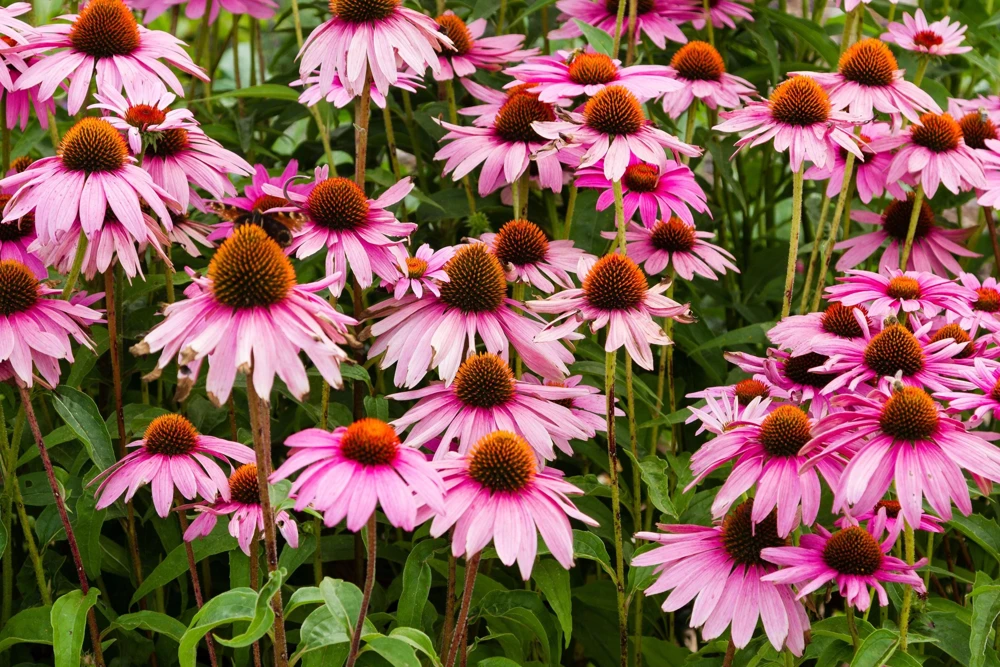
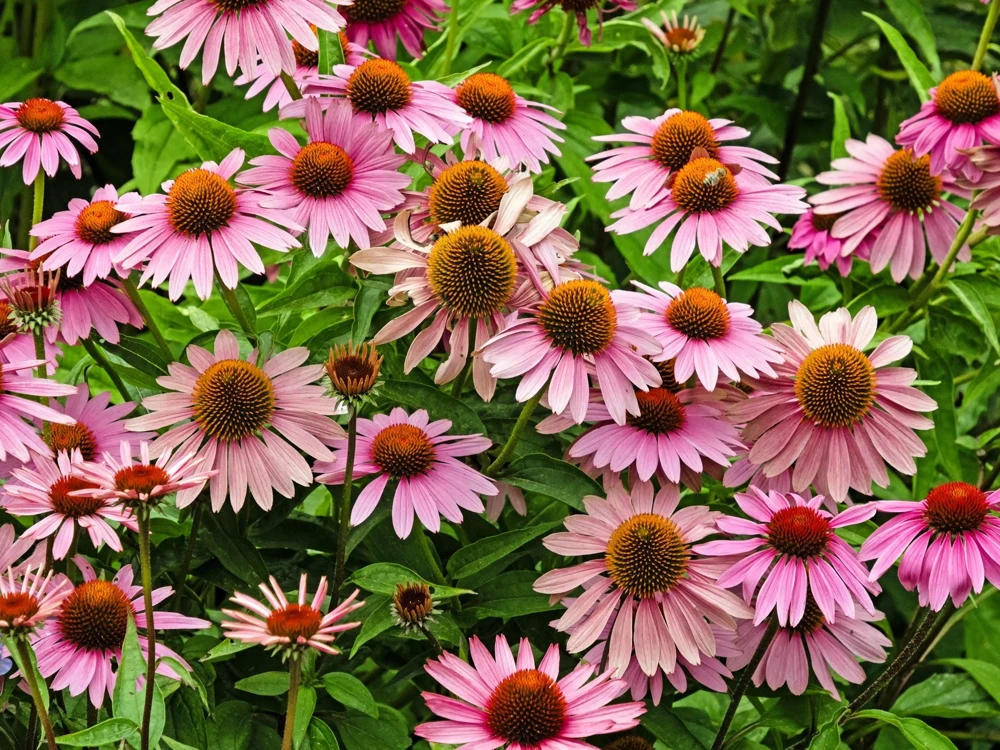
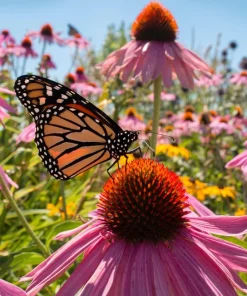
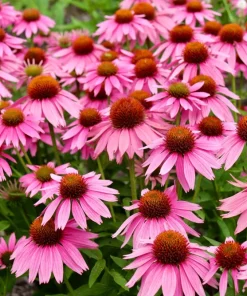
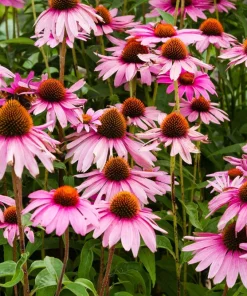
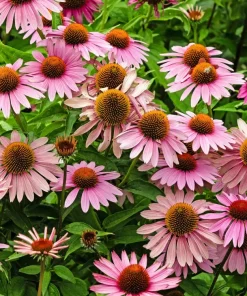
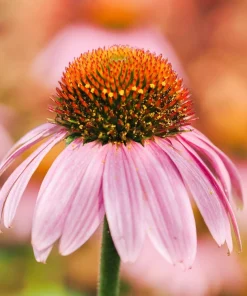
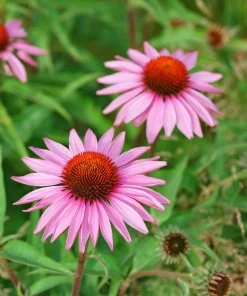
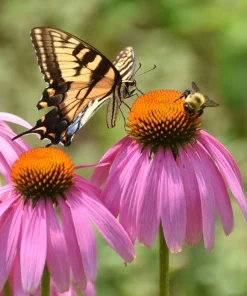
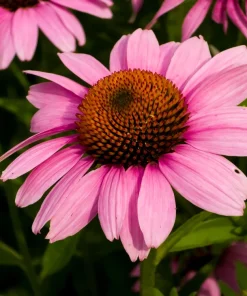
Cultivate charming pink baby coneflower seeds (Echinacea Pallida) with this 50-seed pack. These delightful flowers offer a dainty, pixie-like appearance, attracting bees, birds, and butterflies to your garden. Ideal for zones 3-10, thriving in sun to part shade.
Estimated arrival
Sep 17
Sep 22 - Sep 24
Sep 27 - Oct 01
Shop With Confidence
30-Day Plant Health Guarantee
Arrives damaged? We’ll replace it free — see our return policy.
Responsive Support
Email us anytime, we reply within 1 business day.
Expert Packaging
Temperature-controlled shipping to protect your plants in transit.
Secure Checkout
Pay safely with Visa, Mastercard, PayPal.
Plant Specifications
-
USDA Hardiness Zone
3 - 10 -
Soil Type
Average - Dry, well-draining soil -
Sunlight Exposure
Sun - Part Shade -
Expected Planting Period
Outdoors after frost / Indoors weeks before last frost
Overview
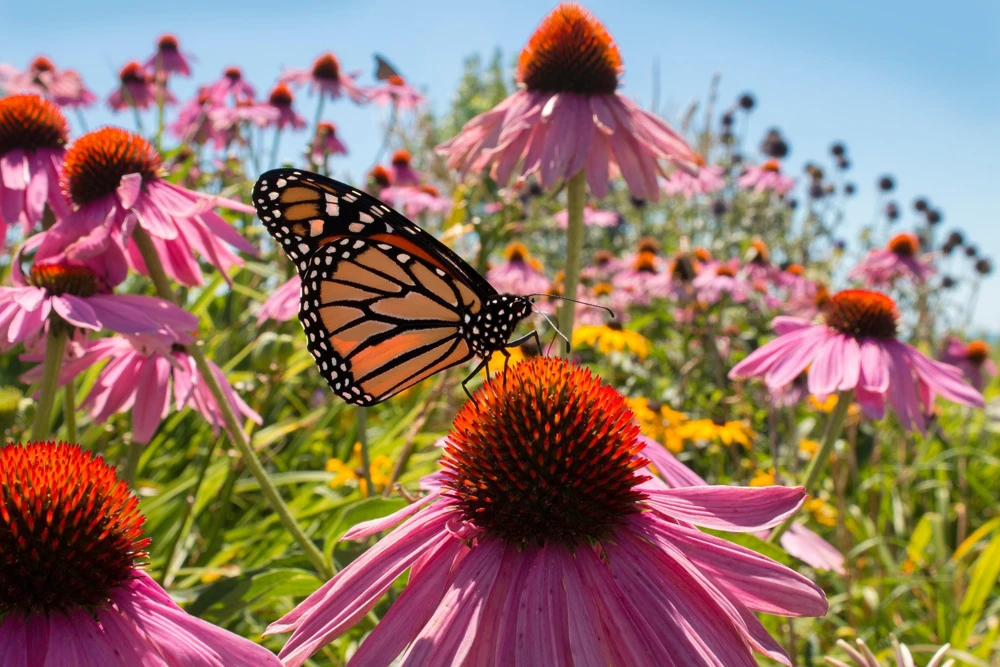
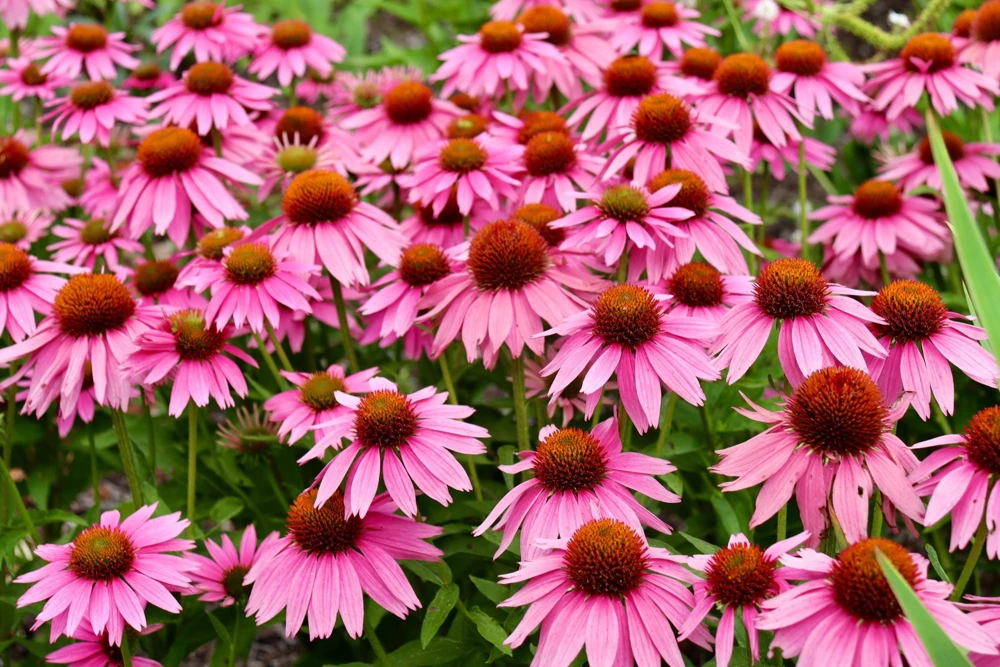
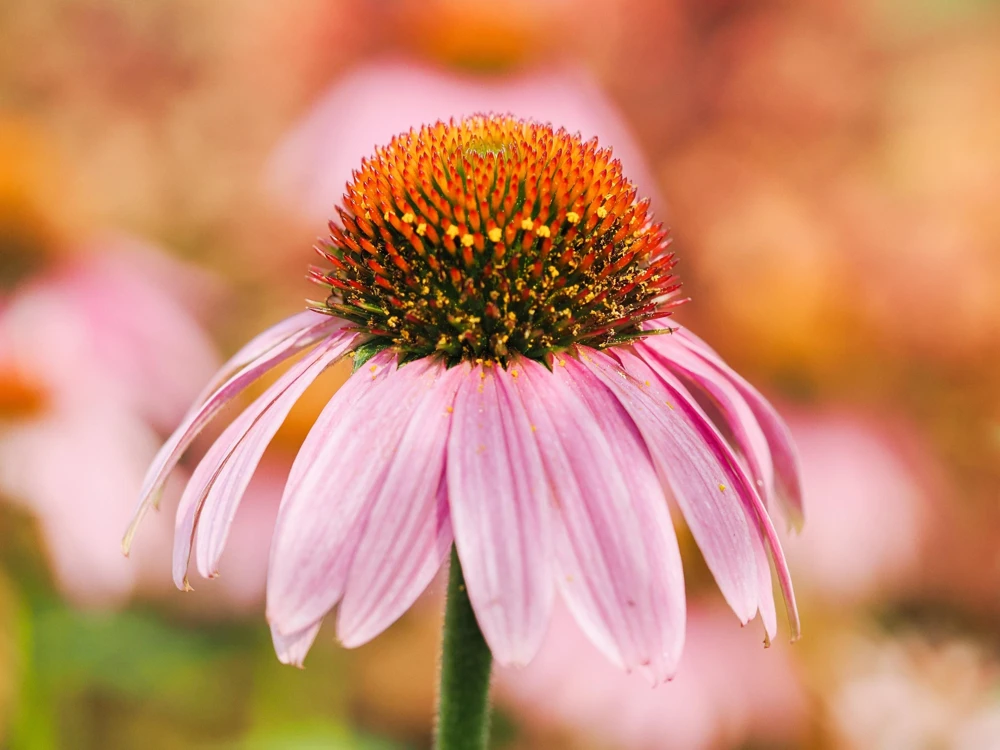
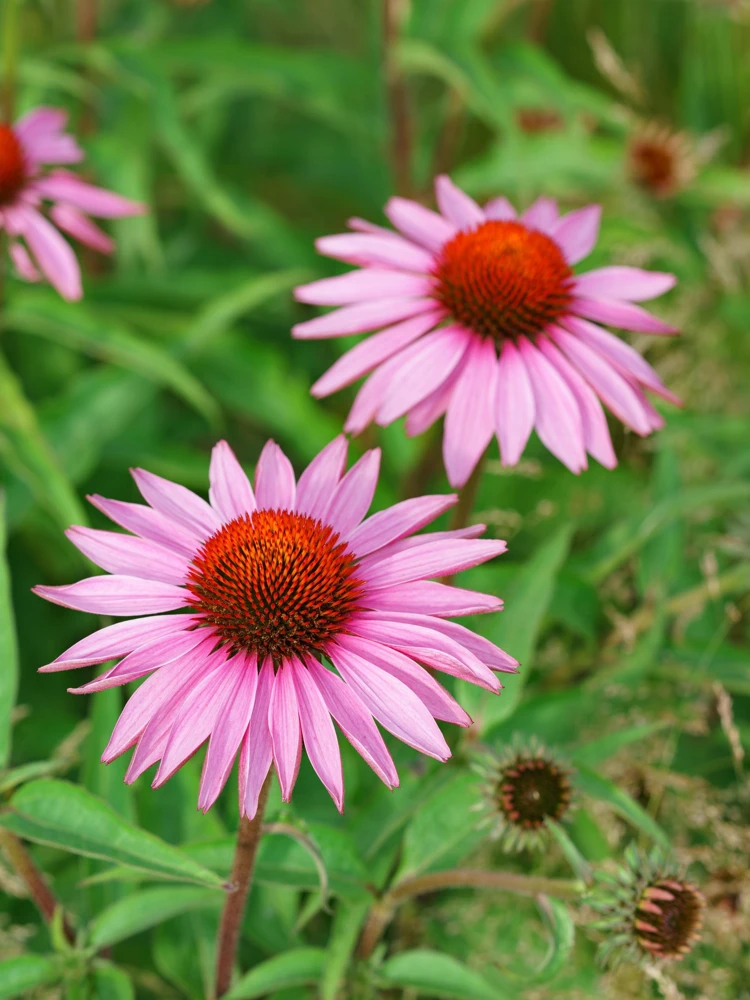
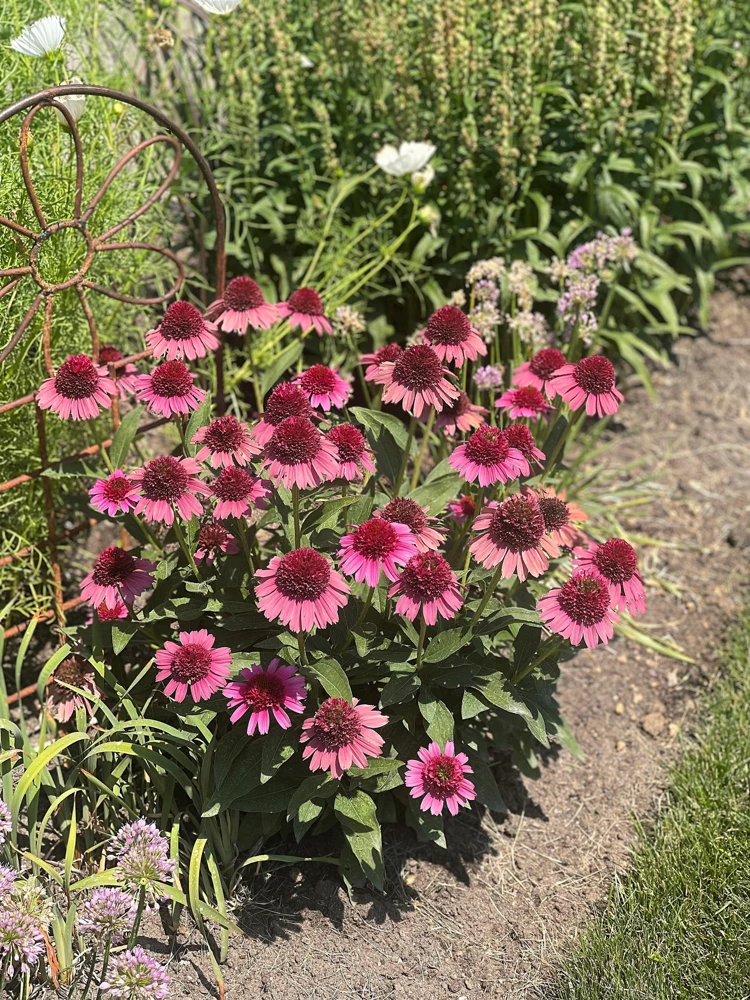
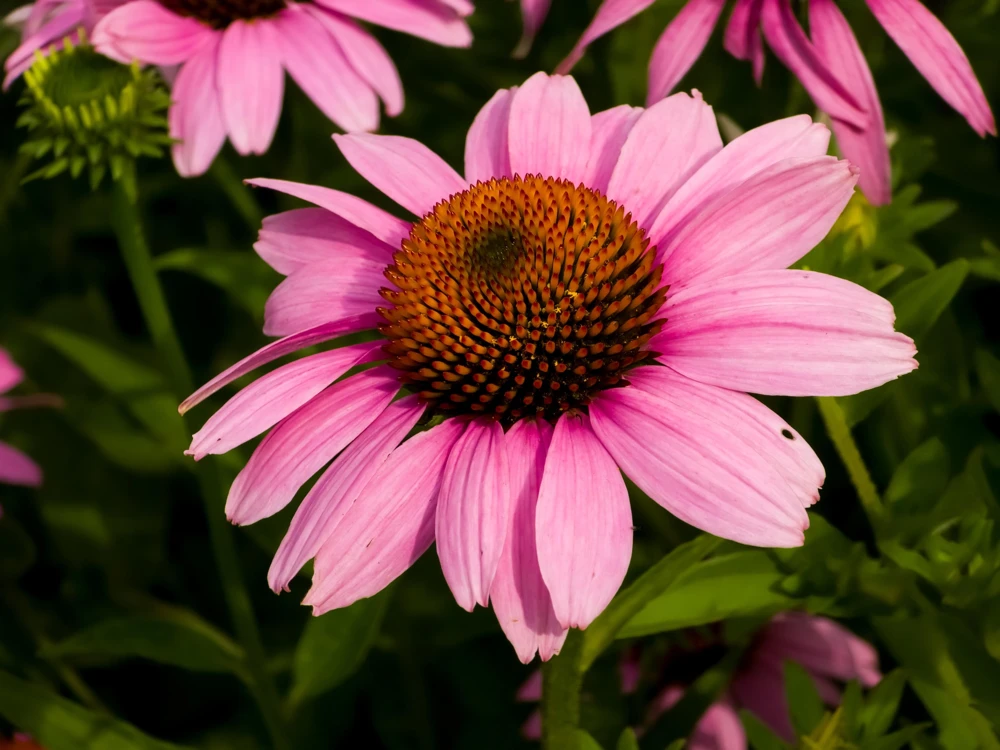
Embark on a rewarding gardening journey with our premium pink baby coneflower seeds. Each packet contains 50 seeds of Echinacea Pallida, offering you the opportunity to cultivate these exquisite, dainty flowers in your own garden. Known for their soft pink petals and unique appearance, these coneflowers provide a lighter, more ethereal look compared to their traditional purple counterparts. Echinacea Pallida, commonly known as Pale Purple Coneflower or pink baby coneflower seeds, is not only a visual delight but also a powerhouse for attracting beneficial pollinators, including bees, birds, and butterflies, making your garden a vibrant ecosystem. These seeds are perfect for gardeners looking to add a touch of natural elegance and ecological value to their outdoor spaces, providing blooms from summer through early fall.
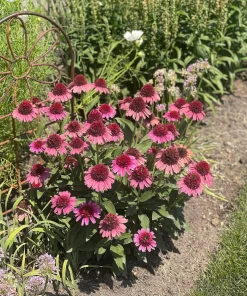
Growing echinacea pallida seeds is a fulfilling experience, resulting in robust plants that enhance any landscape. The unique coloration and form of the Baby Pink Coneflower make it a stand-out choice for perennial borders, cottage gardens, or naturalized areas. With proper care and planting, these seeds will germinate into strong plants that require minimal maintenance once established, rewarding you with abundant blooms year after year. Prepare to transform your garden into a haven for both beauty and wildlife with these exceptional flower seeds.
Key Benefits
Our pink baby coneflower seeds offer numerous advantages for any gardening enthusiast, from enhancing aesthetic appeal to supporting local ecosystems. These benefits make them an excellent choice for a wide range of garden designs and purposes:
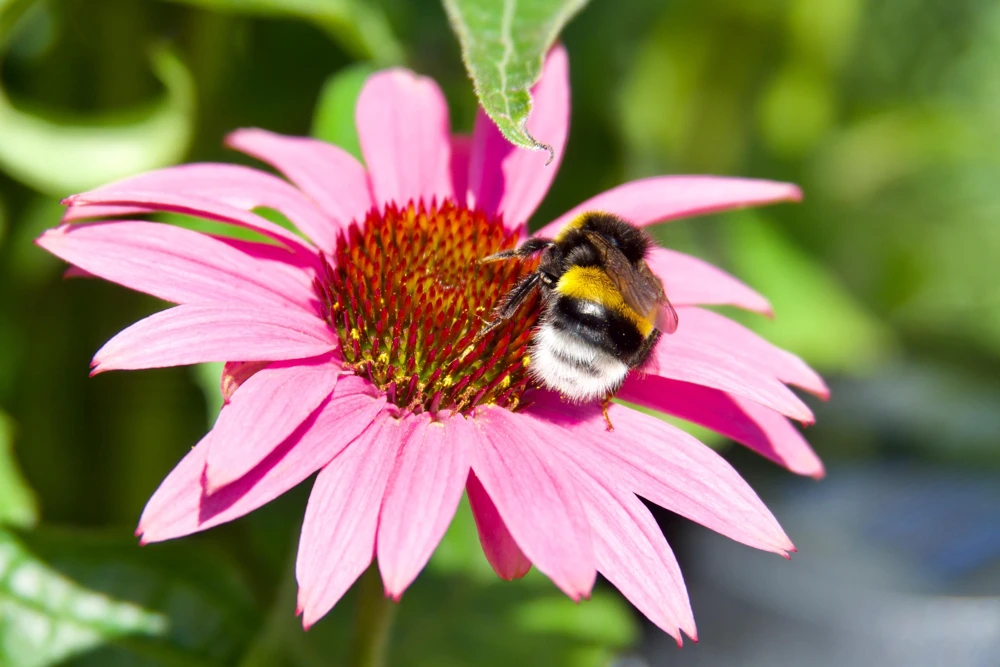
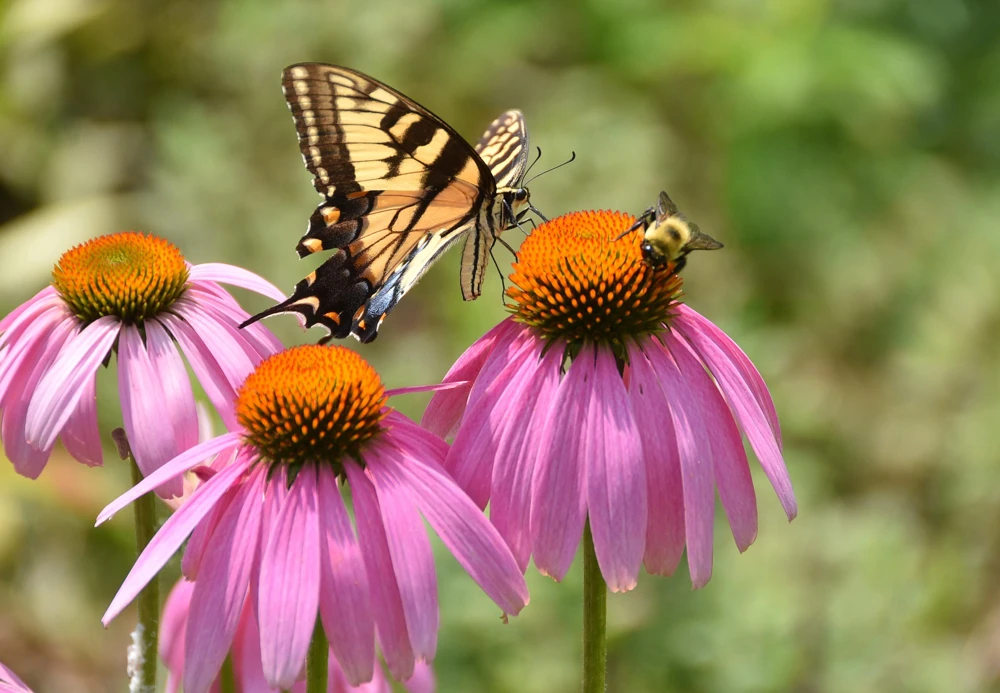
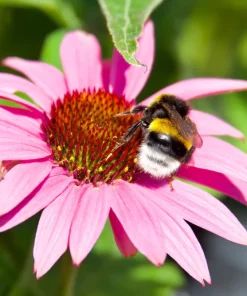
- Attracts Pollinators: The delicate blooms of the Baby Pink Coneflower are a magnet for bees, butterflies, and birds, playing a crucial role in supporting local biodiversity and promoting a healthy garden ecosystem. Planting these echinacea pallida seeds helps create a thriving habitat.
- Unique Aesthetic Appeal: Unlike common purple coneflowers, the Baby Pink variety offers a softer, more delicate pink hue and a refined appearance, bringing a distinctive charm and elegance to your garden beds and borders. Its pixie-like look adds a whimsical touch.
- Drought Tolerant: Once established, these coneflowers are remarkably resilient and can tolerate periods of drought, making them an ideal choice for water-wise gardening and reducing the need for constant irrigation. This makes growing coneflower from seed a sustainable option.
- Low Maintenance: These plants are generally easy to care for, requiring minimal attention once they are established. They are robust and can thrive in various conditions, perfect for both novice and experienced gardeners.
- Long Bloom Period: Enjoy beautiful blooms from summer through early fall, providing continuous color and interest in your garden for several months. This extended flowering season ensures your garden remains vibrant.
- Hardy Perennial: Suitable for USDA Zones 3-10, these coneflowers are cold-hardy and will return year after year, establishing themselves as a reliable and enduring feature in your landscape.
- Versatile Garden Use: Perfect for perennial borders, wildflower meadows, cottage gardens, or as a striking accent plant. The versatility of coneflower flower seeds allows for creative landscaping.
Plant Care & Growing Tips
Successfully cultivating pink baby coneflower seeds requires understanding their specific needs for light, water, and soil. These resilient plants are relatively easy to grow, making them a popular choice for many gardeners. For optimal growth, start your echinacea pallida seeds indoors weeks before the last frost or sow them directly outdoors after all danger of frost has passed. Ensure the seeds are lightly covered with soil, as some light aids germination, and keep the soil consistently moist until seedlings emerge.
Once established, Pink Baby Coneflowers prefer a location that receives full sun to part shade. Full sun (at least 6 hours of direct sunlight daily) will encourage the most abundant blooms, while part shade is acceptable, especially in hotter climates where it can protect the plant from intense afternoon sun. These plants are adaptable to a range of soil types but thrive best in average to dry, well-draining soil. Avoid heavy, waterlogged soils, as this can lead to root rot. They are quite drought-tolerant once mature, so water deeply but infrequently, allowing the soil to dry out between waterings. The ideal USDA hardiness zone for these coneflowers is 3-10, indicating their ability to withstand a wide range of temperatures.
Fertilization is generally not heavily required for Pink Baby Coneflowers, especially if planted in rich soil. However, a light application of a balanced slow-release fertilizer in spring can promote vigorous growth and flowering. Deadheading spent blooms can encourage further flowering and prevent self-seeding if desired. Watch out for common pests like aphids or Japanese beetles, which can be managed with organic insecticidal soaps or by hand-picking. Proper spacing of 12-18 inches between plants ensures good air circulation, reducing the risk of fungal diseases. Following these guidelines will ensure your growing coneflower from seed endeavor is a success, resulting in a beautiful and healthy display.
Size & Details
This product includes 50 seeds of the beautiful Pink Baby Coneflower (Echinacea Pallida). These plants typically reach a mature height of 36 to 48 inches (3-4 feet) with a spread of 12 to 18 inches, creating a substantial and impactful presence in your garden. The seeds are packaged to ensure viability and are ready for planting. Once planted, you can expect blooms from summer through early fall, providing a vibrant display for an extended period. The growth rate is moderate, with plants typically establishing well in their first year and reaching full size in their second or third year.
The delicate pink flowers are smaller and lighter than traditional purple coneflowers, offering a unique aesthetic. These seeds will produce hardy plants suitable for USDA Zones 3-10, making them versatile for many climates across the US. They are best started either indoors several weeks before the last frost or directly outdoors once the soil has warmed. With 50 seeds, you have ample opportunity to create a stunning coneflower display or fill multiple garden areas, enhancing your landscape with these charming and beneficial flowers.
Frequently Asked Questions
- Q: How tall do Pink Baby Coneflowers grow? A: Pink Baby Coneflowers typically reach a height of 36 to 48 inches (3-4 feet) when mature, making them a prominent feature in garden beds. Their upright growth habit adds structure to your landscape.
- Q: Is this an indoor or outdoor plant? A: The pink baby coneflower seeds are intended for outdoor cultivation. They thrive in garden beds, borders, and naturalized areas, and are not typically grown as indoor houseplants.
- Q: How much sunlight do echinacea pallida seeds need? A: These coneflowers prefer full sun, meaning at least 6 hours of direct sunlight per day. They can tolerate part shade, especially in hotter climates, but full sun encourages the most prolific blooming.
- Q: Is this plant easy to care for? A: Yes, Pink Baby Coneflowers are considered low-maintenance plants once established. They are drought-tolerant and adaptable to various soil conditions, making growing coneflower from seed a good option for beginners.
- Q: When is the best time to plant coneflower flower seeds? A: You can sow the seeds directly outdoors after the last frost in spring, or start them indoors 6-8 weeks before the last frost for an earlier bloom.
- Q: What condition will the seeds arrive in? A: The product includes 50 seeds that will arrive in a protective packet, ensuring their viability and readiness for planting in your garden.
- Q: Will it survive winter in my zone? A: Pink Baby Coneflowers are hardy perennials suitable for USDA Zones 3-10, meaning they are cold-hardy and will typically return year after year in these zones, surviving winter dormancy.
- Q: Do these coneflowers attract pollinators? A: Absolutely! These beautiful flowers are well-known for attracting a variety of pollinators, including bees, birds, and butterflies, making them an excellent choice for a pollinator garden.
- Q: What kind of soil is best for growing coneflower from seed? A: Pink Baby Coneflowers prefer average to dry, well-draining soil. They are adaptable but do not tolerate heavy, waterlogged conditions.
- Q: How long until these pink baby coneflower seeds bloom? A: If started early, some blooms may appear in the first year, but typically, they establish robustly and produce abundant flowers from summer to early fall in their second year.
Be the first to review “Pink Baby Coneflower Seeds – Echinacea Pallida Flower Seeds – 50 Seeds”
People Also Viewed

Reviews
There are no reviews yet.