

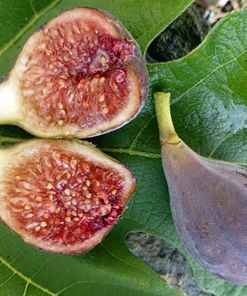
Petite Negri Edible Fig Plant – Ficus carica – Live Dwarf Fig Tree – 2.5″ Pot
Original price was: $46.99.$36.99Current price is: $36.99.
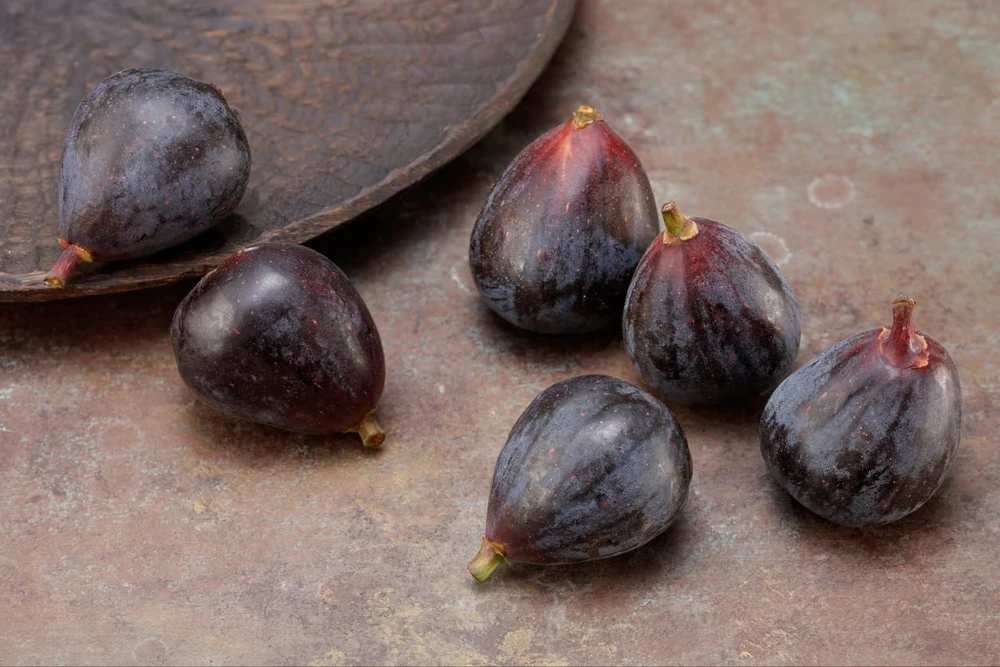
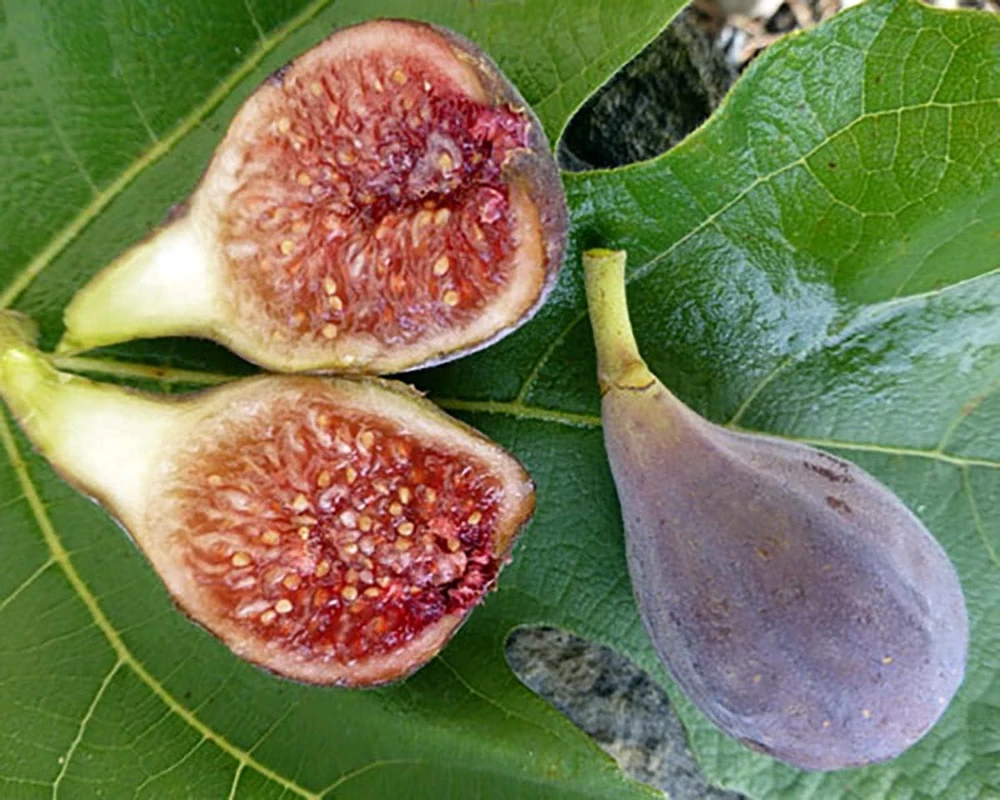
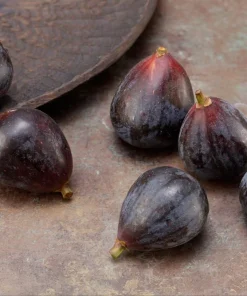
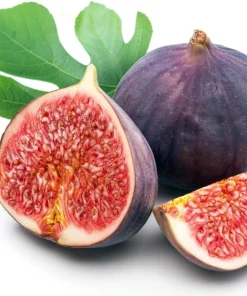
Cultivate your own delicious fruit with the petite negri fig plant, a natural dwarf variety perfect for containers or small garden spaces. This dwarf fig tree produces two crops of beautiful dark figs with a rich, sweet, wine-red interior. Enjoy fresh figs even when the plant is small.
Estimated arrival
Sep 29
Oct 04 - Oct 06
Oct 09 - Oct 13
Shop With Confidence
30-Day Plant Health Guarantee
Arrives damaged? We’ll replace it free — see our return policy.
Responsive Support
Email us anytime, we reply within 1 business day.
Expert Packaging
Temperature-controlled shipping to protect your plants in transit.
Secure Checkout
Pay safely with Visa, Mastercard, PayPal.
Plant Specifications
-
USDA Hardiness Zone
USDA Zones 7-10 (can be overwintered indoors in colder zones) -
Soil Type
Well-draining, rich, loamy soil -
Sunlight Exposure
Full sun to partial sun -
Expected Planting Period
Spring to early summer
Overview
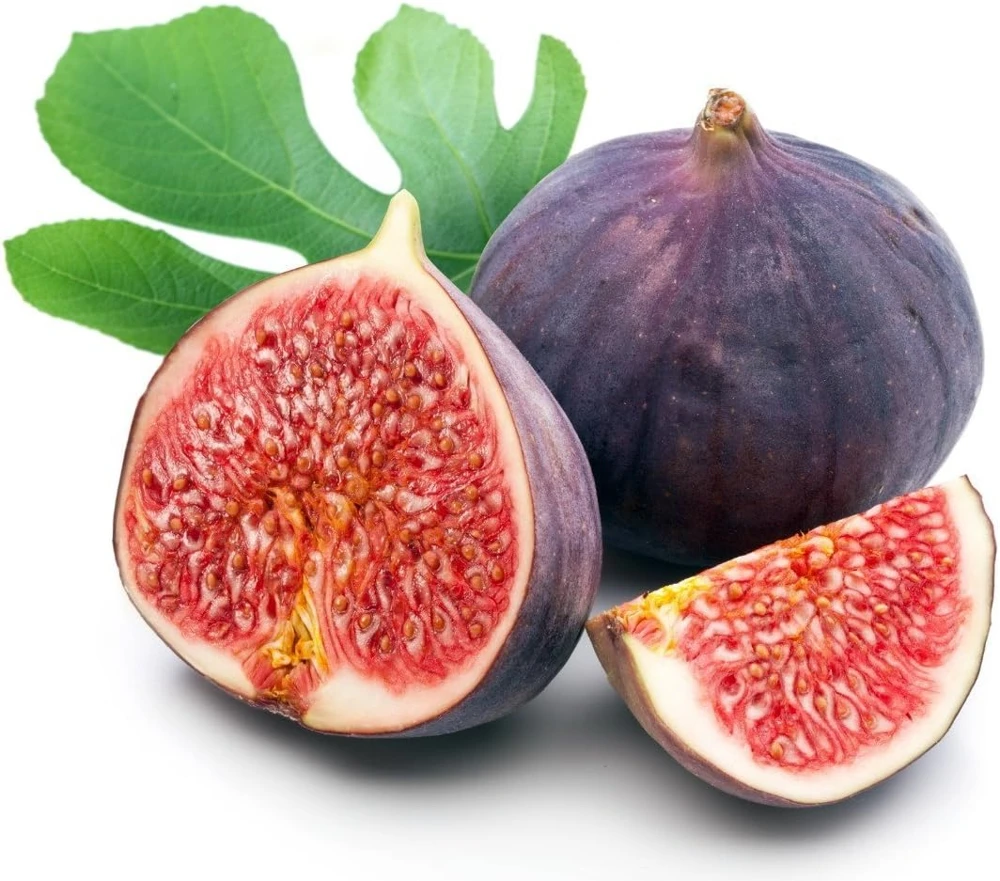
Experience the joy of growing your own fruit with the remarkable petite negri fig plant. This exceptional variety, botanically known as Ficus carica, is a natural dwarf that reaches a manageable height of just 4-6 feet at maturity, making it an ideal choice for patios, small gardens, or even container cultivation. The petite negri fig plant is celebrated for its ability to produce fruit when quite young and small, often yielding delicious figs when less than 12 inches tall. Gardeners in warm locations can anticipate two bountiful crops of these exquisite fruits each season. The figs themselves are a beautiful dark color, boasting a rich, wine-red interior and an intensely sweet, fantastic flavor. Often referred to as the little black fig, this variety offers a rewarding and flavorful gardening experience for both novice and experienced growers.
This particular edible fig plant is highly regarded for its compact growth habit and prolific fruiting. It’s an excellent option for those looking to add a productive fruit tree without requiring extensive space. Its ornamental appeal, combined with the promise of fresh, homegrown figs, makes it a valuable addition to any edible landscape or container garden. The ficus carica fig, especially the Petite Negri cultivar, is a resilient and relatively easy-to-grow plant that will provide years of enjoyment and delicious harvests.
Key Benefits
The petite negri fig plant offers a multitude of benefits, making it a highly desirable choice for any gardener. Its unique characteristics contribute to both its aesthetic appeal and practical value.
- Early & Prolific Fruiting: This dwarf fig tree is known for its ability to produce fruit at a very young age, often before it reaches a foot in height. In warmer climates, you can enjoy two distinct harvests of succulent figs annually, ensuring a steady supply of fresh fruit.
- Compact Dwarf Growth: Reaching only 4-6 feet tall at maturity, the Petite Negri is a true natural dwarf. This makes it perfectly suited for growing in containers on patios, balconies, or in smaller garden plots where space is a premium.
- Exceptional Flavor Profile: The fruits of this edible fig plant are renowned for their rich, sweet flavor and beautiful wine-red interior. They are a gourmet delight, perfect for eating fresh, preserving, or using in desserts.
- Ornamental Appeal: Beyond its delicious fruit, the Petite Negri fig boasts attractive foliage and a pleasing form, adding a touch of Mediterranean charm to your garden or outdoor living space.
- Resilient & Adaptable:Ficus carica varieties, including the Petite Negri, are generally hardy and adaptable plants. They can thrive in a range of conditions and are relatively low-maintenance once established.
- Self-Pollinating: Like many fig varieties, the Petite Negri is self-pollinating, meaning you only need one plant to get a good harvest, simplifying the growing process.
- Versatile Culinary Use: The delicious figs can be enjoyed fresh, dried, made into jams, or incorporated into various culinary dishes, offering endless possibilities for your kitchen.
Plant Care & Growing Tips
Caring for your petite negri fig plant is relatively straightforward, ensuring you’ll enjoy abundant harvests with proper attention. This hardy dwarf fig tree thrives in conditions that mimic its Mediterranean origins. It prefers full sun to partial sun exposure, meaning at least 6-8 hours of direct sunlight per day for optimal fruit production and plant health. In very hot climates, some afternoon shade can be beneficial to prevent leaf scorch. When grown in containers, ensure the pot is large enough to accommodate its root system and has excellent drainage holes.
Watering is crucial, especially during the fruiting season. While established fig trees can tolerate some drought, consistent moisture is key for plump, juicy figs. Water deeply when the top inch or two of soil feels dry to the touch, and reduce watering in the fall as the plant prepares for dormancy. The petite negri fig plant prefers well-draining soil. A rich, loamy soil with a slightly acidic to neutral pH (6.0-7.0) is ideal. If planting in a container, use a high-quality potting mix blended with some compost to improve fertility and drainage. Fertilize in early spring with a balanced slow-release fertilizer, and again in mid-summer if needed, especially for container-grown plants. Pruning should be done in late winter or early spring while the plant is dormant to shape the tree, remove dead or crossing branches, and encourage new growth. Figs are generally hardy in USDA zones 7-10, though they can be grown in colder zones if protected or brought indoors for winter.
Size & Details
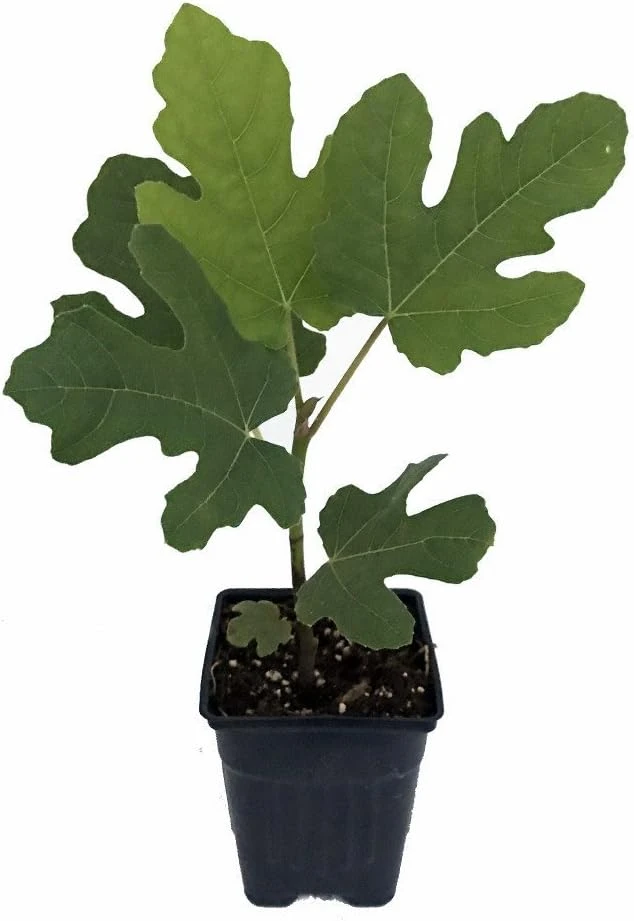
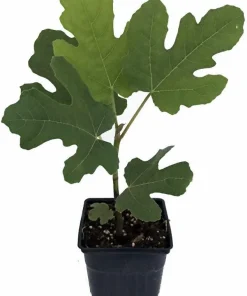
This offering is for a live petite negri fig plant, a compact and productive specimen ready for planting. The plant is typically shipped in a 2.5-inch nursery pot, providing a healthy root system for successful transplanting. As a natural dwarf, the petite negri fig plant will mature to a height of approximately 4-6 feet, with a similar spread, making it an excellent choice for smaller gardens or container culture. It exhibits a moderate growth rate, establishing itself well in its new environment. You can expect this ficus carica fig to begin producing fruit within its first few years, often even when quite small. The dark-skinned figs with their wine-red interior are a true gourmet treat, ripening for two crops in warmer regions. This particular edible fig plant is a fantastic investment for fresh, homegrown fruit.
Frequently Asked Questions
- Q: How big does this plant get? A: The petite negri fig plant is a natural dwarf, typically reaching a mature height of 4-6 feet with a similar spread. This compact size makes it ideal for containers or smaller garden spaces.
- Q: Is this an indoor or outdoor plant? A: While primarily an outdoor plant, the petite negri fig plant can be grown outdoors in USDA Zones 7-10. In colder climates, it can be grown in containers and brought indoors during winter to protect it from freezing temperatures.
- Q: How much sunlight does it need? A: For optimal growth and fruit production, the dwarf fig tree requires at least 6-8 hours of direct sunlight per day. It prefers full sun but can tolerate partial sun, especially in hot climates where some afternoon shade can be beneficial.
- Q: Is this plant easy to care for? A: Yes, the petite negri fig plant is considered relatively easy to care for. It’s a hardy and adaptable plant, making it suitable for both beginner and experienced gardeners. Consistent watering and proper sunlight are key.
- Q: What condition will it arrive in? A: Your edible fig plant will arrive as a healthy, live plant, typically in a 2.5-inch nursery pot, ready for transplanting. It may be dormant if shipped during winter months.
- Q: How long until it produces fruit? A: One of the great advantages of the Petite Negri is its early fruiting. It can often start producing delicious figs when less than 12 inches tall, with more substantial crops in subsequent years.
- Q: What’s the best soil for a Petite Negri fig? A: This ficus carica fig thrives in well-draining, rich, loamy soil with a slightly acidic to neutral pH. If planting in a container, use a high-quality potting mix that offers good drainage.
- Q: Can I grow this fig in a pot? A: Absolutely! The compact, dwarf nature of the petite negri fig plant makes it an excellent candidate for container growing. Ensure the pot is large enough and has drainage holes.
- Q: What is the ‘little black fig’? A: ‘Little Black Fig’ is a common name often used to refer to the Petite Negri fig due to its dark-skinned fruit, which is highly prized for its rich, sweet flavor and beautiful wine-red interior.
- Q: How often should I water my fig plant? A: Water your petite negri fig plant deeply when the top 1-2 inches of soil feel dry. Consistency is important, especially during the growing and fruiting seasons. Reduce watering during dormancy.
Be the first to review “Petite Negri Edible Fig Plant – Ficus carica – Live Dwarf Fig Tree – 2.5″ Pot”
People Also Viewed
Uncategorized
Flower Plants
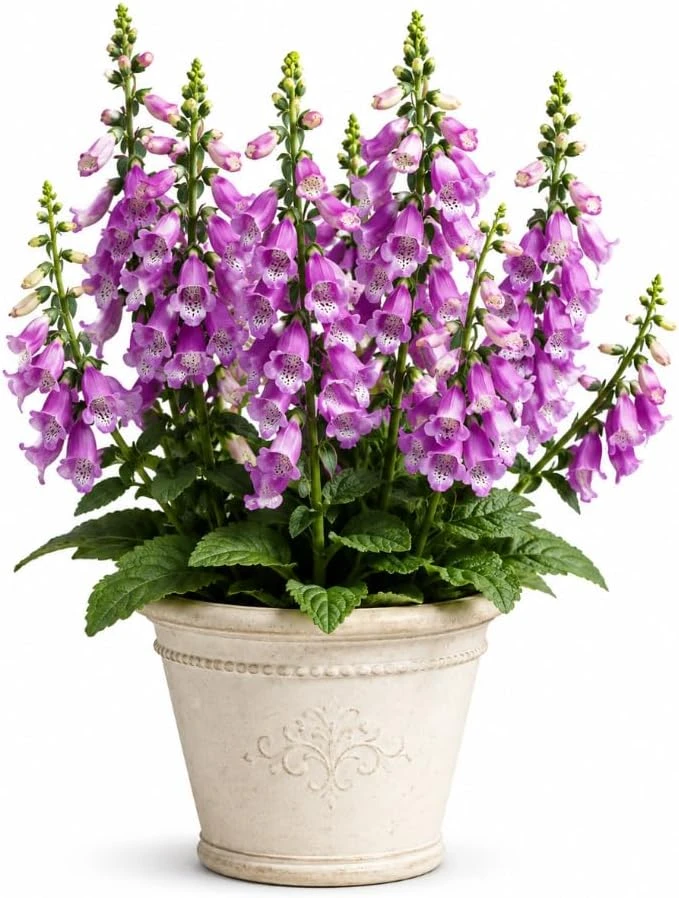
Purple Foxglove Live Plant – Hardy Perennial, Digitalis purpurea, 2-4 Inch Tall, 3 Inch Pot



Reviews
There are no reviews yet.