
Papalo Seeds – Mexican Herb – 100 Seeds – Porophyllum ruderale – Indoors/Out
Original price was: $42.99.$32.99Current price is: $32.99.
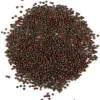
Cultivate your own aromatic papalo seeds (Porophyllum ruderale), a distinctive mexican herb seeds known for its unique flavor profile. Perfect for adding a fresh, cilantro-like taste to tacos, salsas, and various dishes. Easy to grow papalo indoors or outdoors, these 100 seeds offer a rewarding gardening experience and a delicious culinary ingredient.
Estimated arrival
Sep 29
Oct 04 - Oct 06
Oct 09 - Oct 13
Shop With Confidence
30-Day Plant Health Guarantee
Arrives damaged? We’ll replace it free — see our return policy.
Responsive Support
Email us anytime, we reply within 1 business day.
Expert Packaging
Temperature-controlled shipping to protect your plants in transit.
Secure Checkout
Pay safely with Visa, Mastercard, PayPal.
Plant Specifications
-
USDA Hardiness Zone
unknown (grows as an annual in most zones) -
Soil Type
well-draining, fertile soil -
Sunlight Exposure
full sun -
Expected Planting Period
spring to early summer
Overview
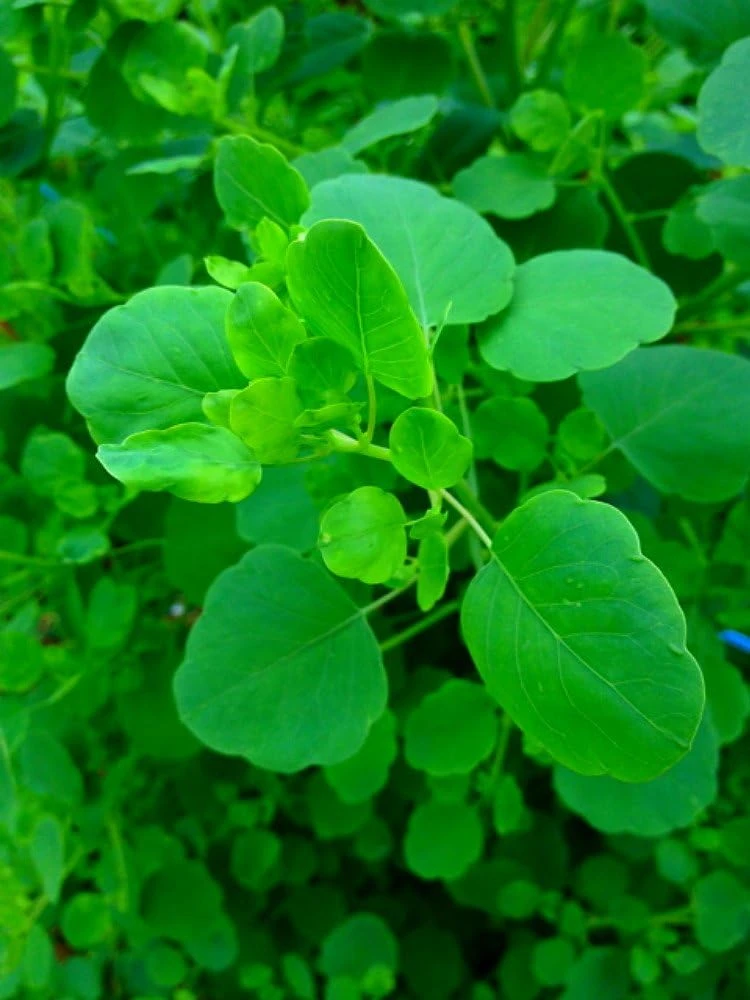
Embark on a culinary adventure by growing your own papalo seeds. This packet contains 100 seeds of Porophyllum ruderale, commonly known as Papalo or papaloquelite seeds, a highly aromatic and sought-after Mexican herb. Often described as having a flavor reminiscent of cilantro, citrus, and arugula, Papalo offers a unique and refreshing taste that elevates a wide range of dishes. Originating from Mexico, this annual herb is incredibly versatile, thriving both indoors and outdoors, making it accessible to gardeners of all experience levels. Its large, bluish-green leaves are not only flavorful but also add an attractive element to any garden or kitchen space. Discover the joy of fresh, homegrown herbs with these easy-to-grow seeds.
Growing your own mexican herb seeds like Papalo ensures you have a fresh supply of this distinctive ingredient at your fingertips. The difference in flavor and aroma from home-grown herbs is truly impressive, offering a more vibrant and potent taste compared to store-bought alternatives. Whether you’re a seasoned chef or a home cook looking to explore new flavors, cultivating Porophyllum ruderale from seed is a rewarding endeavor that promises to enhance your culinary creations.
Key Benefits
Growing papalo seeds offers numerous advantages, from enhancing your cooking to beautifying your garden. This unique herb provides a distinctive flavor and is surprisingly easy to cultivate, making it a favorite among gardeners.
- Distinctive Culinary Flavor: Papalo leaves possess a complex taste profile, often likened to a blend of cilantro, citrus, and arugula. This makes it an excellent addition to traditional Mexican dishes like tacos and salsas, as well as an intriguing ingredient for soups, gravies, and fish.
- Freshness at Your Fingertips: Enjoy the unparalleled freshness of herbs picked directly from your garden. Homegrown Papalo offers a more intense and authentic flavor than pre-packaged alternatives, transforming your meals.
- Versatile Growing Options: These papalo seeds can be successfully grown both indoors and outdoors. This flexibility allows you to cultivate the herb regardless of your climate or available garden space, ensuring a year-round supply.
- Attractive Garden Addition: Beyond its culinary value, Papalo boasts large, bluish-green leaves that contribute to the aesthetic appeal of your garden. Its vibrant foliage makes it an attractive plant in herb beds, containers, or even as an ornamental.
- Easy to Grow: Known for its relatively low maintenance, Papalo is a great choice for both novice and experienced gardeners. The seeds germinate reliably, and the plants are generally robust, requiring minimal specialized care to thrive. If you’re looking to grow papalo without much fuss, this is an excellent choice.
- Ethnobotanical Interest: Also known as papaloquelite seeds, this herb has a rich history of use in Mexican cuisine and traditional practices. Growing it connects you to a broader cultural heritage and offers an interesting conversation starter for fellow plant enthusiasts.
- Abundant Harvest: With proper care, Papalo plants can produce a generous yield of leaves throughout the growing season, providing ample supply for all your culinary needs.
Plant Care & Growing Tips
To successfully grow papalo from papalo seeds, understanding its basic care requirements is key. This robust Mexican herb is relatively forgiving but thrives best under specific conditions. Papalo (Porophyllum ruderale) prefers a location that receives full sun, meaning at least 6-8 hours of direct sunlight per day. If growing indoors, place it near a south-facing window or under grow lights to ensure adequate light exposure. While it can tolerate some partial shade, too little light can result in leggy growth and reduced flavor intensity. Ensure good air circulation, especially when growing in humid environments, to prevent fungal issues.
Watering should be consistent, keeping the soil evenly moist but never waterlogged. Allow the top inch of soil to dry out slightly between waterings before adding more. Overwatering can lead to root rot, so good drainage is crucial. Papalo thrives in well-draining, fertile soil with a pH between 6.0 and 7.0. A good quality potting mix enriched with compost is ideal for container growing. For outdoor planting, amend heavy clay soils with organic matter to improve drainage and aeration. Fertilize lightly every 4-6 weeks during the growing season with a balanced liquid fertilizer, especially if growing in containers, to support vigorous leaf production. Papalo is generally resistant to most pests and diseases, but keep an eye out for common garden pests like aphids and treat them with organic pest control methods if necessary. These mexican herb seeds will reward you with lush growth if given proper care.
Papalo is a warm-season annual, so it’s best to sow seeds after the last frost date in your region, or start them indoors 4-6 weeks before transplanting. It prefers temperatures between 65-85°F (18-29°C). While it can be grown in many USDA zones as an annual, it is particularly suited to warmer climates. Regular harvesting of leaves will encourage bushier growth and prevent the plant from bolting too early. Pinch off any flower buds that appear if your primary goal is leaf production, as flowering can reduce leaf flavor. By following these simple guidelines, you’ll enjoy a bountiful harvest of delicious Papalo.
Size & Details
This product includes 100 Papalo seeds (Porophyllum ruderale), ensuring a generous supply for multiple plantings or sharing with fellow gardeners. When mature, Papalo plants typically grow to a height of 2-4 feet (60-120 cm) with a similar spread, forming a bushy, upright habit. The leaves are large, round to oval, and a distinctive bluish-green color. These seeds are suitable for both direct sowing outdoors or starting indoors for transplanting. Germination usually occurs within 7-14 days under optimal conditions, and plants can be ready for their first harvest of leaves within 60-70 days from sowing. The plant’s growth rate is moderate to fast, allowing for a sustained harvest throughout the warm season. Each seed holds the potential to become a vibrant, flavorful addition to your herb garden, providing fresh, aromatic leaves for your culinary creations. Prepare to grow papalo that reaches impressive sizes, yielding plenty of fresh leaves.
Frequently Asked Questions
- Q: How big does a Papalo plant get? A: A mature Papalo plant typically grows to a height of 2-4 feet (60-120 cm) and can have a similar spread, forming a bushy and attractive specimen in your garden.
- Q: Is this an indoor or outdoor plant? A: Papalo seeds can be grown successfully both indoors and outdoors. For best results outdoors, plant after the last frost. Indoors, ensure it receives ample sunlight or grow light exposure.
- Q: How much sunlight does Papalo need? A: Papalo thrives in full sun, requiring at least 6-8 hours of direct sunlight per day. Adequate light is crucial for vigorous growth and optimal flavor development.
- Q: Is Papalo easy to care for? A: Yes, Papalo is considered relatively easy to care for, making it suitable for gardeners of all skill levels. It requires consistent watering, well-draining soil, and plenty of sunlight.
- Q: Can I use Papalo in cooking? A: Absolutely! Papalo is a fantastic mexican herb seeds used extensively in Mexican cuisine. Its unique flavor, reminiscent of cilantro and citrus, is perfect for tacos, salsas, soups, and other savory dishes.
- Q: How long until Papalo is ready for harvest? A: You can typically start harvesting Papalo leaves approximately 60-70 days after sowing the papalo seeds. Regular harvesting encourages more prolific growth.
- Q: What does Papalo taste like? A: Papalo has a very distinct flavor, often described as a blend of cilantro, citrus, and a hint of arugula. It’s bolder and more complex than cilantro, offering a unique taste experience.
- Q: What is the best time to plant Papalo seeds? A: The best time to plant papalo seeds is after the last frost in spring, once soil temperatures have warmed up. If starting indoors, begin 4-6 weeks before your last anticipated frost date.
- Q: Are these papaloquelite seeds? A: Yes, Papalo is also commonly known as Papaloquelite, so these are indeed the seeds for that plant.
- Q: What kind of soil does Papalo prefer? A: Papalo prefers well-draining, fertile soil. A good quality potting mix amended with compost works well for containers, while garden beds should be improved with organic matter for best results.
Be the first to review “Papalo Seeds – Mexican Herb – 100 Seeds – Porophyllum ruderale – Indoors/Out”
People Also Viewed
Grass Seeds
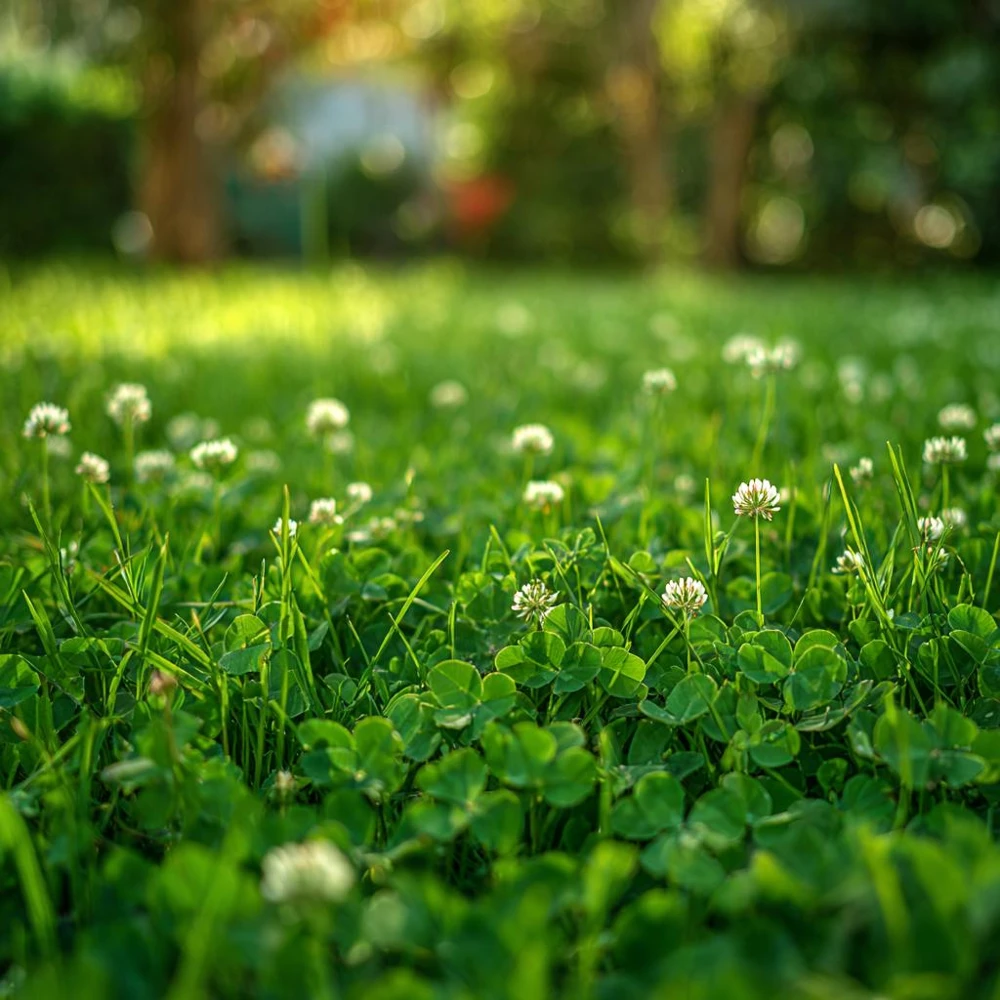
Micro Clover Seeds 10000 – Mini Perennial White Clover for Lawn Alternative, Ground Cover
Reviews
There are no reviews yet.