
Oakleaf Hydrangea Live Plant, 23-30 cm, White to Pink Flowers, Zone 5-9
Original price was: $60.99.$30.99Current price is: $30.99.
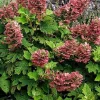
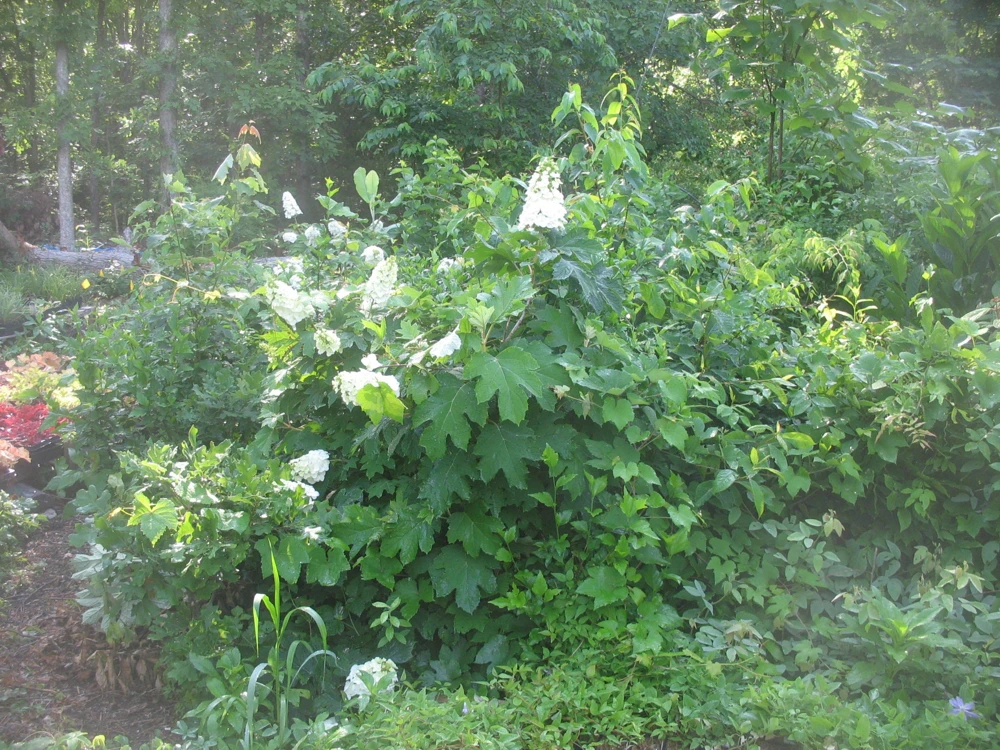
Bring elegant beauty to your garden with this oakleaf hydrangea live plant. Known for its distinctive oak-shaped leaves that turn rich mahogany-red in fall, and large, cone-shaped flower clusters that open white and age to deep pink. This deciduous hydrangea plant is a robust performer, ideal for zones 5-9, offering multi-season interest.
Estimated arrival
Nov 07
Nov 12 - Nov 14
Nov 17 - Nov 21
Shop With Confidence
30-Day Plant Health Guarantee
Arrives damaged? We’ll replace it free — see our return policy.
Responsive Support
Email us anytime, we reply within 1 business day.
Expert Packaging
Temperature-controlled shipping to protect your plants in transit.
Secure Checkout
Pay safely with Visa, Mastercard, PayPal.
Plant Specifications
-
USDA Hardiness Zone
USDA Zones 5-9 -
Soil Type
Fertile, medium moisture, well-draining soil -
Sunlight Exposure
Full sun to part shade -
Expected Planting Period
Spring to early summer (or year-round in suitable climates)
Overview
Introducing the magnificent oakleaf hydrangea live plant, a truly captivating addition to any landscape. This deciduous shrub, scientifically known as Hydrangea quercifolia, is celebrated for its unique foliage, stunning floral display, and impressive fall color. Unlike many other hydrangeas, the oakleaf hydrangea shrub boasts leaves shaped remarkably like those of an oak tree, providing a textural interest even before its blooms appear. As autumn arrives, these leaves transform into a breathtaking array of mahogany-red hues, creating a spectacular show. This particular plant is a young specimen, approximately 23-30 cm tall, and may arrive in a dormant, leafless state, ready to burst into growth in your garden. It’s a perfect choice for gardeners seeking a plant with year-round appeal and a distinctive charm.
The Hydrangea quercifolia care is relatively straightforward, making it a favorite among both novice and experienced gardeners. Its resilience and adaptability to various conditions within its hardiness zones contribute to its widespread popularity. Whether used as a specimen plant, in a mass planting, or as part of a mixed border, the oakleaf hydrangea live plant commands attention. Its robust nature ensures it will thrive and become a cherished part of your outdoor space, providing beauty for many years to come.
Key Benefits
The oakleaf hydrangea live plant offers a multitude of benefits, making it an excellent investment for your garden. Its unique characteristics provide visual appeal and ecological advantages, enhancing the overall beauty and biodiversity of your outdoor space:
- Stunning Seasonal Interest: Enjoy a dynamic display throughout the year. In late spring and summer, large, conical flower panicles emerge white, gradually deepening to rich pink as they mature. In fall, the oak-like foliage transforms into striking shades of mahogany-red, providing a spectacular autumn show that few other shrubs can match. This multi-season appeal ensures your garden remains vibrant.
- Distinctive Foliage: The deeply lobed, oak-shaped leaves are a signature feature of the oakleaf hydrangea shrub. They provide unique texture and visual interest, standing out among other garden plants. Even when not in bloom, the foliage itself is highly ornamental.
- Hardy and Resilient: This deciduous hydrangea plant is known for its hardiness, thriving in USDA zones 5 through 9. It tolerates a range of conditions and is generally low-maintenance once established, making it a reliable choice for various climates.
- Attracts Pollinators: The beautiful flowers of the oakleaf hydrangea live plant are not only a treat for the eyes but also attract beneficial pollinators like bees and butterflies, contributing to a healthy garden ecosystem.
- Versatile Landscape Use: Its upright, spreading habit makes it suitable for various landscape applications. Use it as a focal point, in shrub borders, as a mass planting for dramatic effect, or even in naturalized areas. Its adaptability allows for creative garden design.
- Drought Tolerance: Once established, the oakleaf hydrangea exhibits a good level of drought tolerance, reducing the need for frequent watering compared to some other hydrangeas, though consistent moisture is preferred for optimal growth.
- Low Maintenance: This shrub generally requires minimal pruning, primarily for shaping or removing dead wood, making it a relatively easy plant to care for.
Plant Care & Growing Tips
Proper Hydrangea quercifolia care ensures a healthy and vibrant plant that will flourish in your garden for years to come. The oakleaf hydrangea live plant is a relatively easy-to-grow shrub, but understanding its specific needs will help it reach its full potential. It thrives best in fertile, medium-moisture, well-drained soil. Avoid overly wet conditions, as this can lead to root rot. Amending heavy clay soils with organic matter can significantly improve drainage and fertility.
When it comes to sunlight, the oakleaf hydrangea shrub performs best in full sun to part shade. In hotter climates, some afternoon shade is beneficial to protect the foliage from scorching, especially during the peak summer months. In cooler regions, it can handle more direct sun. Water regularly, especially during dry spells and in its first year of establishment, to ensure the soil remains consistently moist but not waterlogged. Once established, it becomes more tolerant of drier conditions. Fertilize in early spring with a balanced, slow-release fertilizer formulated for trees and shrubs, following the product’s instructions. Minimal pruning is usually required; simply remove any dead, damaged, or crossing branches in late winter or early spring before new growth emerges. Pruning immediately after flowering can help maintain shape and size without sacrificing the next season’s blooms.
This zone 5-9 hydrangea is generally pest and disease resistant. However, keep an eye out for common issues like leaf spot or powdery mildew, especially in humid conditions. Ensure good air circulation around the plant to help prevent fungal diseases. With these care tips, your oakleaf hydrangea live plant will provide a spectacular display of flowers and fall color, becoming a cherished feature in your landscape.
Size & Details
This oakleaf hydrangea live plant is supplied as a well-rooted young specimen, typically measuring approximately 23-30 cm (9-12 inches) in height from the top of the soil. It is shipped in a 3 x 4 inch pot, providing a robust root system ready for transplanting into your garden. As a deciduous shrub, it may arrive in a dormant state during cooler months, presenting as a leafless plant, which is entirely normal and healthy. This allows the plant to focus its energy on root development before leafing out in spring.
The oakleaf hydrangea shrub is known for its moderate to fast growth rate, eventually reaching an impressive mature size of 5 feet or more in height and spread. Its large, conical flower panicles can grow up to 10-12 inches long, creating a dramatic visual impact. Expect the plant to begin blooming in late spring to early summer, with the flowers gradually transitioning from white to deep pink. This deciduous hydrangea plant is a long-lived species, providing many years of beauty and enjoyment in the right conditions.
Frequently Asked Questions
- Q: How big does this oakleaf hydrangea live plant get? A: This young plant is approximately 23-30 cm tall when shipped. Mature oakleaf hydrangea shrubs can grow to 5 feet or more in height and spread, depending on growing conditions and climate.
- Q: What size pot does it come in? A: The plant is typically shipped in a 3 x 4 inch nursery pot, providing a healthy root ball for successful transplanting.
- Q: Is this an indoor or outdoor plant? A: The oakleaf hydrangea live plant is an outdoor plant, best suited for garden beds, borders, and naturalized areas. It is not typically grown as an indoor houseplant.
- Q: How much sunlight does it need? A: It thrives in full sun to part shade. In warmer climates, providing some afternoon shade is beneficial to prevent leaf scorch, while in cooler areas, it can tolerate more direct sun.
- Q: Is this plant easy to care for? Is it good for beginners? A: Yes, Hydrangea quercifolia care is considered relatively easy. It’s a hardy and resilient shrub, making it a good choice for both experienced gardeners and beginners who can provide its basic needs.
- Q: What condition will it arrive in? Is it shipped in soil? A: Your oakleaf hydrangea live plant will arrive well-rooted in its nursery pot with soil. During dormant seasons, it may arrive without leaves, which is a normal and healthy state for deciduous plants.
- Q: When is the best time to plant the oakleaf hydrangea shrub? A: The best time to plant is in spring or early fall, allowing the plant to establish its root system before extreme temperatures. However, potted plants can be planted throughout the growing season.
- Q: Will it survive winter in my zone? What’s the minimum temperature? A: This is a zone 5-9 hydrangea, meaning it is hardy down to approximately -20°F (-29°C) in USDA Zone 5. It will lose its leaves in winter but will return vigorously in spring.
- Q: Do the flowers change color? A: Yes, the large flower panicles open white in late spring/early summer and gradually age to a beautiful deep pink, providing a lovely color transition throughout the blooming season.
- Q: What kind of soil does it prefer? A: It prefers fertile, medium-moisture, well-drained soil. Amend heavy clay soils with organic matter to improve drainage.
Be the first to review “Oakleaf Hydrangea Live Plant, 23-30 cm, White to Pink Flowers, Zone 5-9”
People Also Viewed



Reviews
There are no reviews yet.