


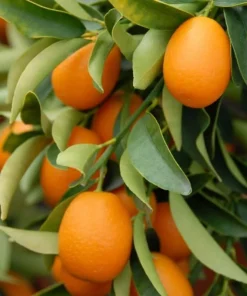

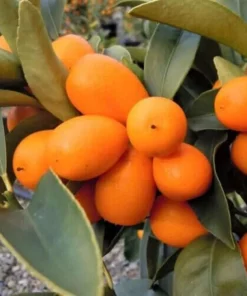
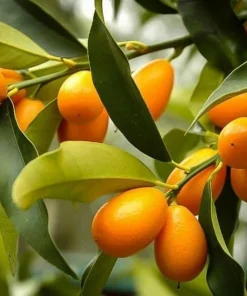
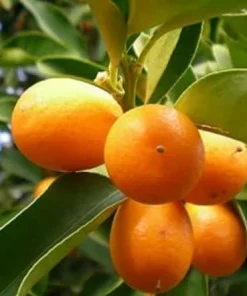
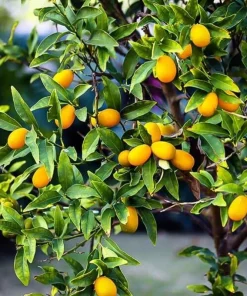
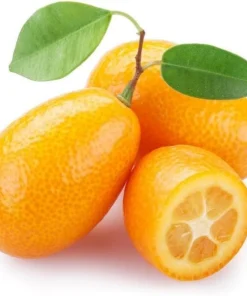
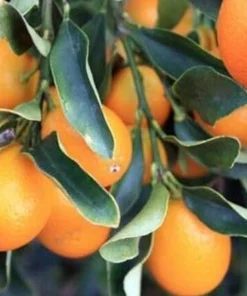
Nagami Kumquat Tree Live Plant – 2-5 Inch Tall Potted Seedling – Indoor/Outdoor Orange Fruit Citrus
Original price was: $73.98.$40.99Current price is: $40.99.
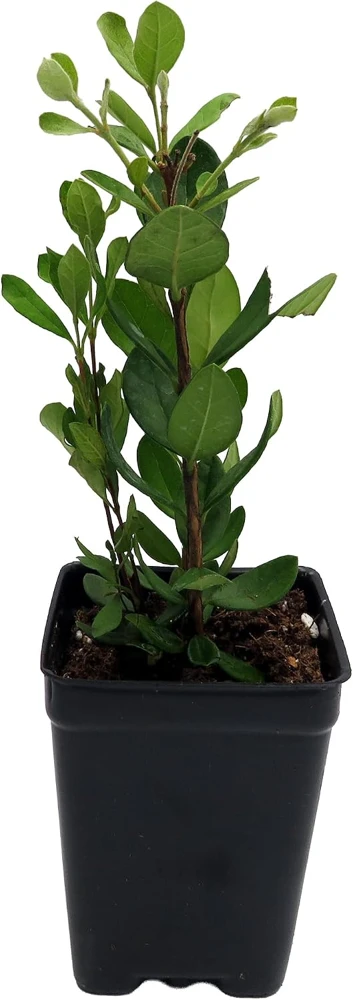
Cultivate your own delicious Nagami Kumquat Tree! This 2-5 inch tall live plant arrives potted, ready to grow indoors or outdoors. Enjoy the unique, edible orange fruit with sweet rind and tangy pulp.
Estimated arrival
Oct 13
Oct 18 - Oct 20
Oct 23 - Oct 27
Shop With Confidence
30-Day Plant Health Guarantee
Arrives damaged? We’ll replace it free — see our return policy.
Responsive Support
Email us anytime, we reply within 1 business day.
Expert Packaging
Temperature-controlled shipping to protect your plants in transit.
Secure Checkout
Pay safely with Visa, Mastercard, PayPal.
Plant Specifications
-
USDA Hardiness Zone
USDA Zones 9-11 (can be grown indoors elsewhere) -
Soil Type
Well-draining citrus potting mix -
Sunlight Exposure
Full sun (6-8 hours direct light) -
Expected Planting Period
Year-round indoors; spring to summer outdoors
Overview
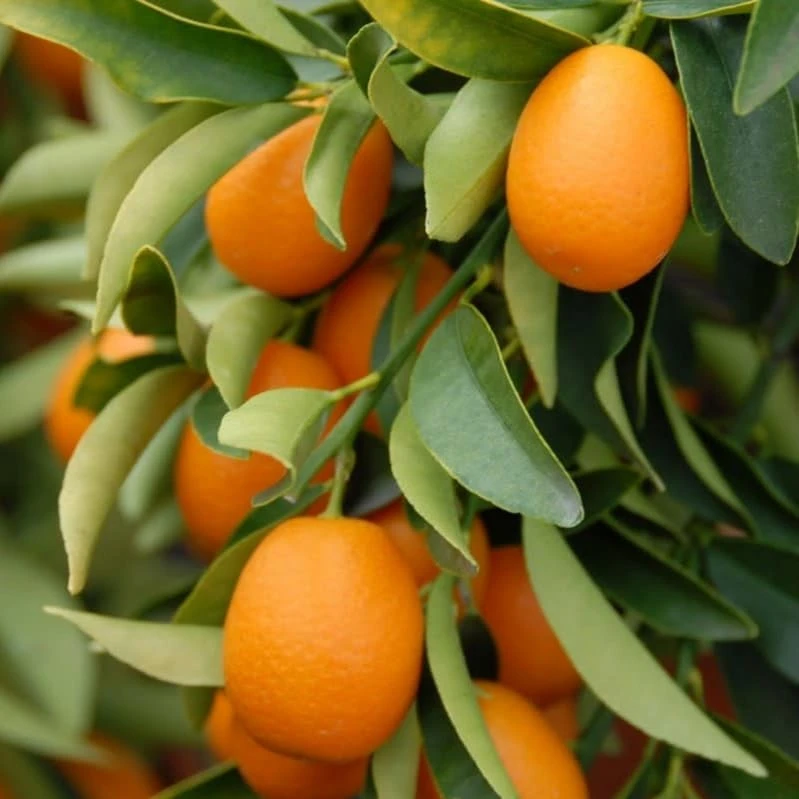
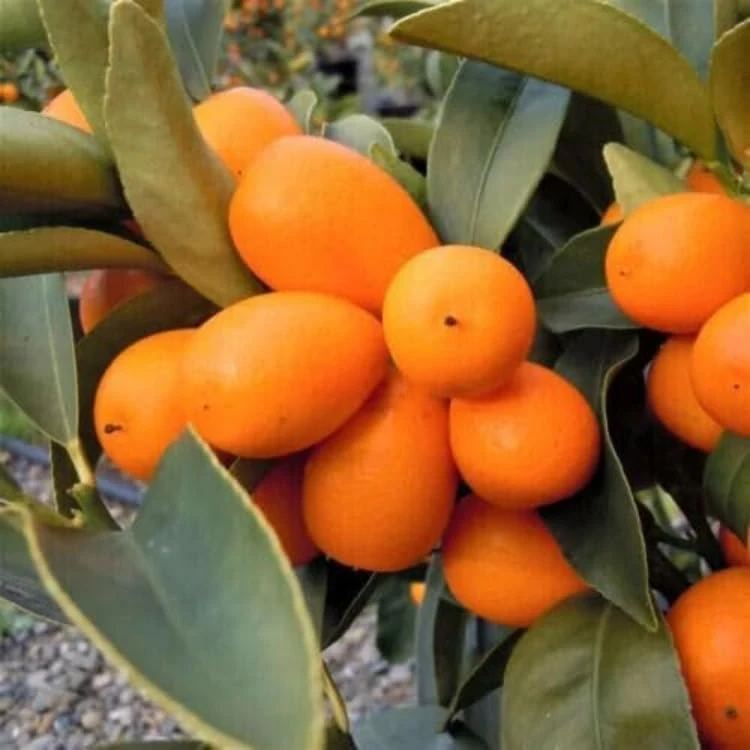
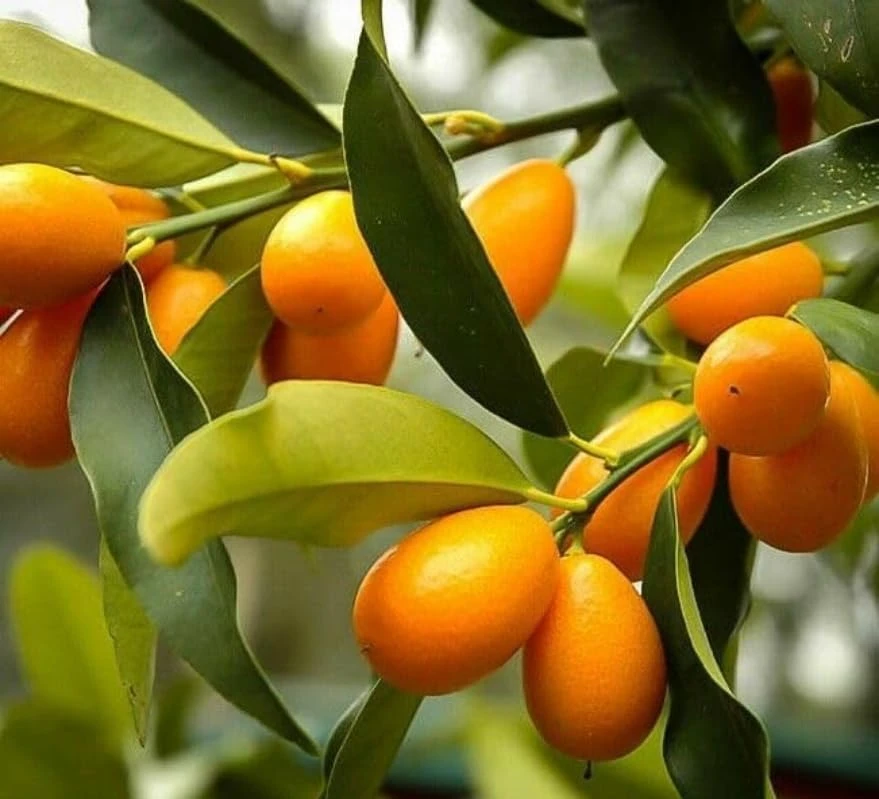
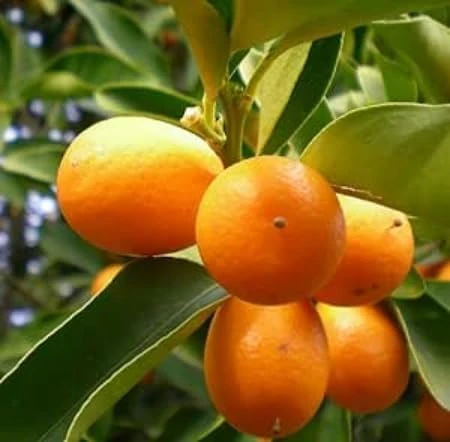
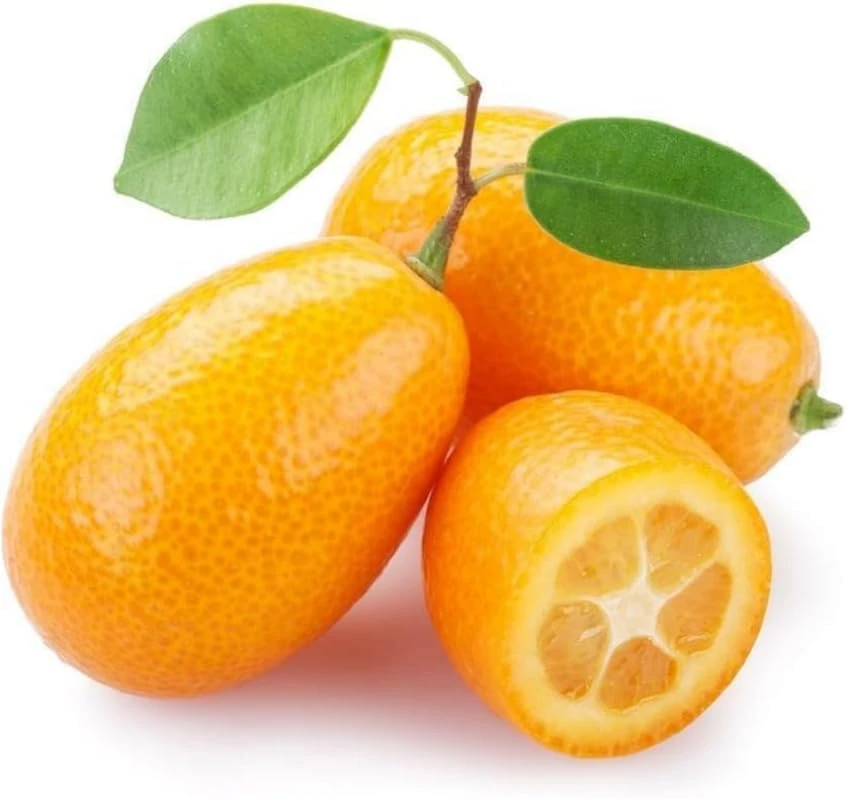
Bring the joy of fresh, homegrown citrus to your space with a Nagami Kumquat Tree. This delightful live plant, specifically a seedling measuring approximately 2 to 5 inches tall, offers a unique and rewarding gardening experience. The Nagami Kumquat (scientifically known as Fortunella Margarita) is celebrated for its distinctive, oblong orange fruits that can be eaten whole, peel and all! Unlike other citrus, the rind is sweet, perfectly complementing the tart pulp inside. Ideal for both novice and experienced gardeners, this compact citrus tree promises beauty, fragrance, and a bounty of delicious fruit, making it a perfect addition to any home or garden.
Whether you’re looking to enhance your culinary adventures or simply add an ornamental touch to your patio, this live kumquat plant is an excellent choice. It’s a small evergreen tree that is surprisingly adaptable, thriving in pots and capable of being grown either indoors or outdoors depending on your climate. Get ready to enjoy the unique flavor profile and charming appearance of your very own kumquat harvest.
Key Benefits
Growing a Nagami Kumquat Tree offers a multitude of benefits, from its aesthetic appeal to its delicious and versatile fruit. Here are some of the key advantages you’ll enjoy:
- Edible Whole Fruit: Experience the unique pleasure of eating the entire kumquat, peel included! The sweet rind balances the tangy pulp, creating a delightful flavor explosion that’s perfect for snacking or culinary use.
- Compact and Versatile: This indoor citrus tree is ideal for container growing, making it suitable for patios, balconies, or even smaller gardens. Its manageable size allows it to fit into various living spaces.
- Fragrant White Blossoms: In spring, your kumquat tree will produce charming, sweet-scented white flowers that add an aromatic dimension to your environment before developing into fruit.
- Relatively Easy to Grow: Once established, the Nagami Kumquat Tree is relatively low-maintenance. It thrives in sunny locations and can be a rewarding plant for gardeners of all skill levels.
- Culinary Versatility: The unique flavor of Nagami kumquats makes them perfect for snacking, creating delicious marmalades, adding zest to desserts, or infusing cocktails and savory dishes.
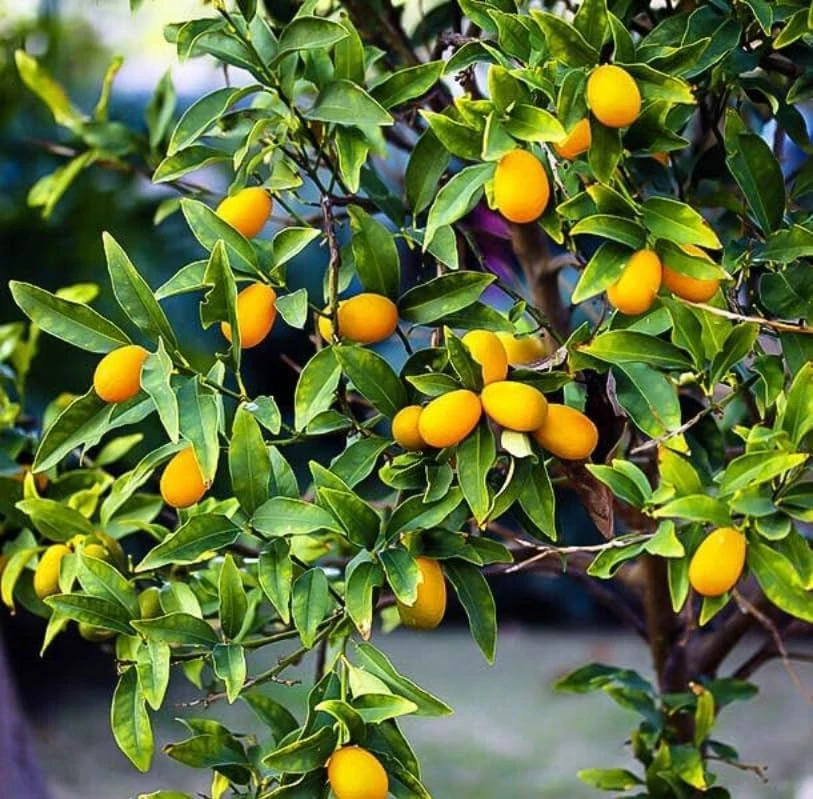
- Year-Round Appeal: As an evergreen, the tree provides lush green foliage throughout the year, even when not in fruit, adding continuous beauty to your home or garden.
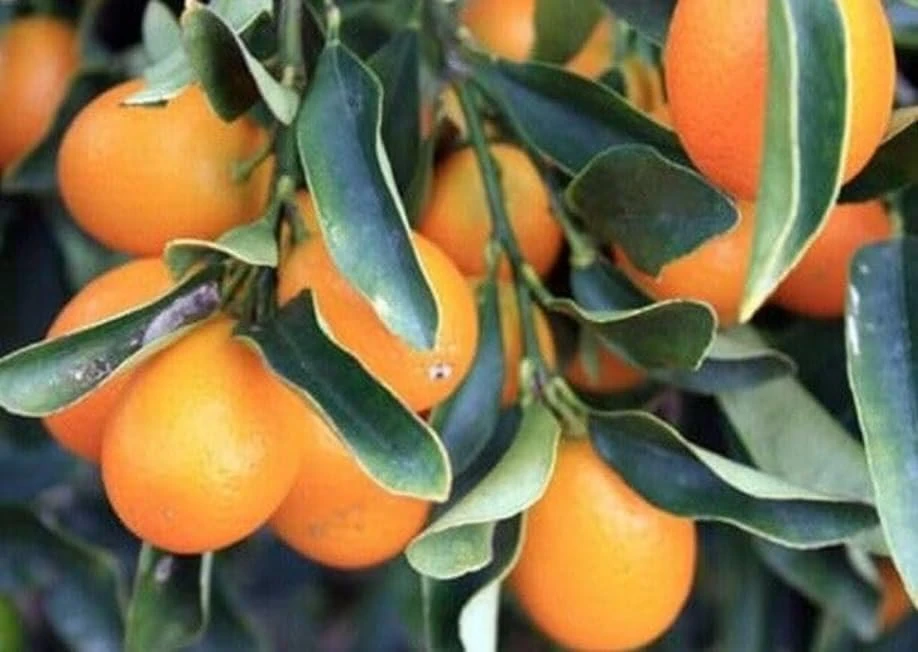
- Ornamental Value: Beyond its fruit, the tree itself is highly ornamental, with glossy green leaves and bright orange fruits that create a visually appealing display.
Plant Care & Growing Tips
Caring for your Nagami Kumquat Tree is straightforward, ensuring a healthy and productive plant. Understanding its needs will help your live kumquat plant flourish. Kumquats are subtropical plants that appreciate warmth and sunshine.
Sunlight requirements: This citrus tree thrives in full sun, meaning at least 6-8 hours of direct sunlight per day. If growing indoors, place it near your brightest window, preferably south-facing, or supplement with a grow light. Outdoors, choose a location that receives ample morning sun and some afternoon shade in extremely hot climates to prevent leaf scorch. Proper light is crucial for fruit development.
Watering schedule and soil moisture preferences: Water thoroughly when the top inch or two of soil feels dry to the touch. Ensure excellent drainage to prevent root rot. Overwatering is a common issue for citrus. During hot, dry periods, you may need to water more frequently, while in cooler months, reduce watering. The soil should be consistently moist but never waterlogged.
Soil type and drainage requirements: A well-draining potting mix specifically formulated for citrus or a general-purpose potting mix amended with perlite or pumice is ideal. The soil should be slightly acidic (pH 6.0-7.0). Good drainage is paramount; ensure your pot has drainage holes. For outdoor planting, amend heavy clay soils with organic matter to improve drainage.
Temperature range and USDA hardiness zone: Nagami Kumquats are relatively cold-tolerant for citrus, typically hardy in USDA Zones 9-11. They prefer temperatures between 55-90°F (13-32°C). If temperatures drop below 20-25°F (-7 to -4°C), bring potted plants indoors or provide frost protection for outdoor trees. Protect from strong winds.
Fertilization schedule and type: Fertilize your Nagami Kumquat Tree during its active growing season (spring through fall) with a balanced citrus-specific fertilizer. Follow the product’s instructions for frequency, usually every 1-2 months. Reduce fertilization during winter dormancy. Look for fertilizers that include micronutrients like iron, zinc, and manganese.
Common problems and solutions: Watch out for common citrus pests like aphids, scale, and spider mites. Treat with insecticidal soap or neem oil. Yellowing leaves can indicate nutrient deficiency (especially iron), overwatering, or underwatering. Adjust care based on symptoms. Ensure good air circulation to prevent fungal issues.
Size & Details
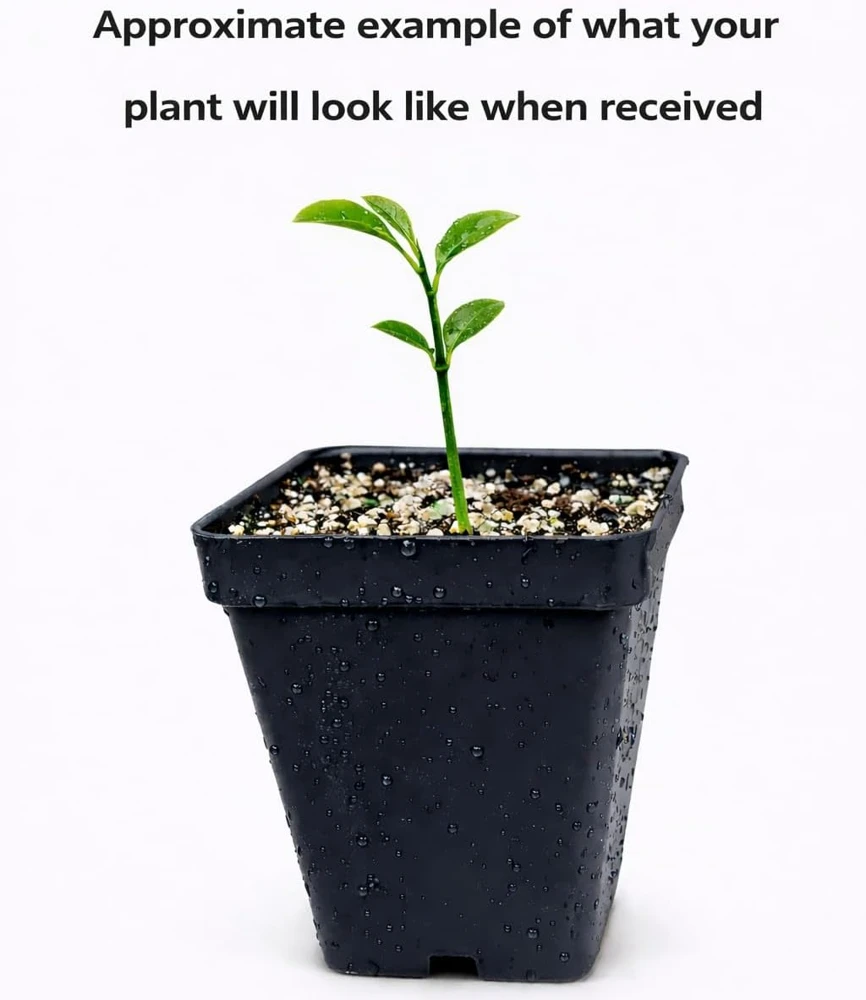
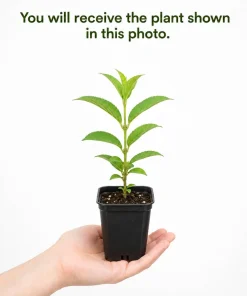
This offering is for one Nagami Kumquat Tree seedling, which will arrive as a live plant approximately 2 to 5 inches tall. It is shipped in a pot, ensuring minimal transplant shock and providing a healthy start for your new citrus tree. While this is a young seedling, Nagami Kumquat trees are known for their compact growth habit, making them excellent candidates for container gardening. Mature trees typically reach a height of 6-10 feet when grown in the ground, but can be maintained at a smaller size (3-6 feet) through pruning in pots.
The growth rate is moderate, and with proper care, you can expect your Fortunella Margarita to begin producing fruit within 2-3 years. The plant will display glossy, evergreen foliage year-round and produce fragrant white blossoms in the spring, followed by its distinctive oblong orange fruits. This live kumquat plant is a long-term investment that will provide years of enjoyment and delicious harvests.
Frequently Asked Questions
- Q: How big does this plant get? A: This particular offering is for a 2-5 inch tall seedling. While this Nagami Kumquat Tree can grow to 6-10 feet in the ground, it is easily maintained at 3-6 feet in a container with proper pruning, making it suitable for various spaces.
- Q: What size pot does it come in? A: The live kumquat plant is shipped in a small nursery pot, ready for you to transplant into a slightly larger container upon arrival. We recommend a pot with good drainage.
- Q: Is this an indoor or outdoor plant? A: The Nagami Kumquat Tree can thrive both indoors and outdoors. It is ideal for outdoor growing in USDA Zones 9-11, and can be grown as an indoor citrus tree in cooler climates, provided it receives adequate sunlight.
- Q: How much sunlight does it need? A: This tree requires at least 6-8 hours of direct sunlight daily to produce the best fruit. If growing indoors, place it in the brightest possible location or use supplemental lighting.
- Q: Is this plant easy to care for? A: Yes, once established, the Nagami Kumquat Tree is considered relatively low-maintenance. Consistent watering, proper sunlight, and occasional fertilization are key to its success.
- Q: What condition will it arrive in? A: Your kumquat seedling will arrive as a healthy, live plant, approximately 2-5 inches tall, and securely potted to ensure its well-being during transit.
- Q: Can I eat the fruit of this kumquat tree? A: Absolutely! The Nagami Kumquat is famous for its delicious, oblong orange fruit that can be eaten whole, peel and all. The peel is sweet, contrasting beautifully with the tart pulp.
- Q: How long until it blooms and fruits? A: With good care, your Nagami Kumquat Tree seedling can start producing flowers and fruit within 2-3 years. Flowering typically occurs in spring, followed by fruit development.
- Q: What’s the best soil for a kumquat tree? A: Use a well-draining potting mix, ideally one formulated for citrus plants, or a general potting mix amended with perlite. Good drainage is crucial to prevent root issues.
- Q: Will it survive winter in my zone if I live outside USDA Zone 9-11? A: If you live in a colder climate, it’s best to grow your Fortunella Margarita in a container and bring it indoors to a bright, cool location before the first frost, then move it back outdoors once temperatures consistently rise in spring.
Be the first to review “Nagami Kumquat Tree Live Plant – 2-5 Inch Tall Potted Seedling – Indoor/Outdoor Orange Fruit Citrus”
People Also Viewed



Reviews
There are no reviews yet.