
Moss Verbena Seeds – 400 Count – Verbena Tenuisecta Groundcover
Original price was: $31.99.$11.99Current price is: $11.99.
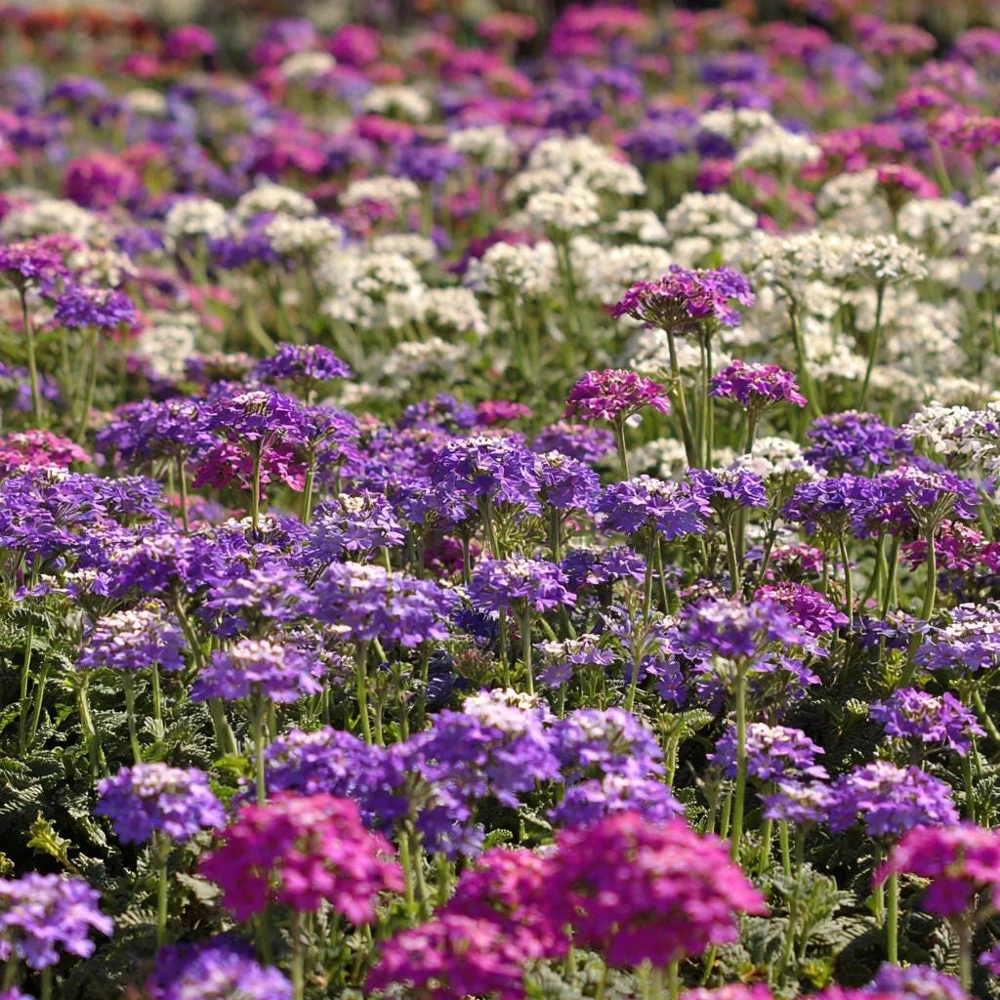
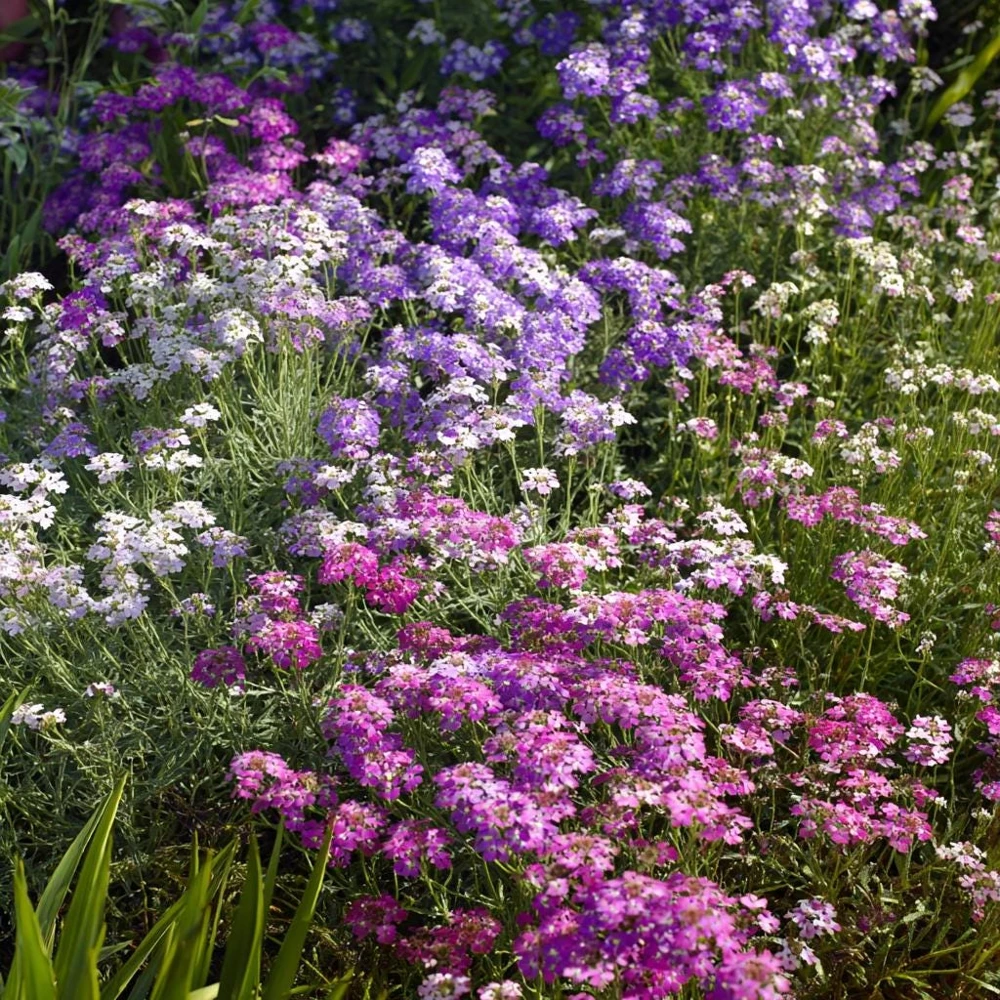
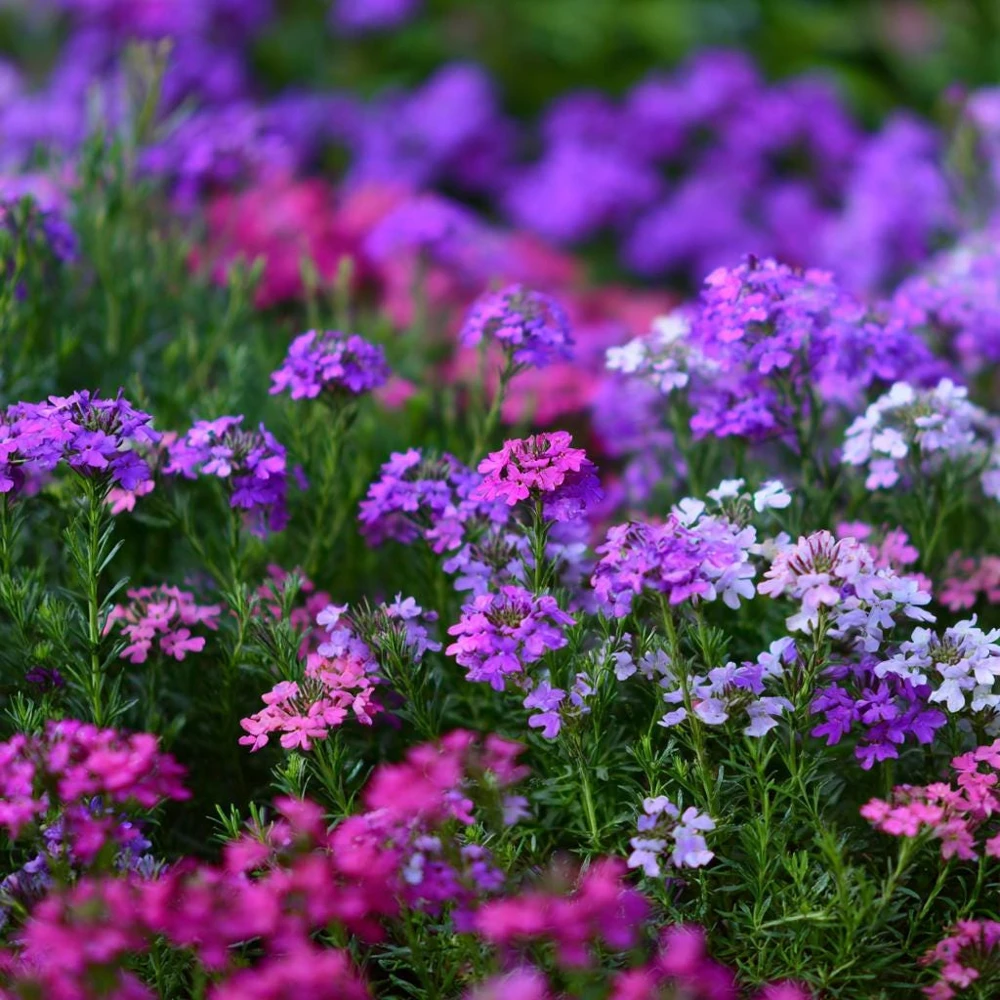
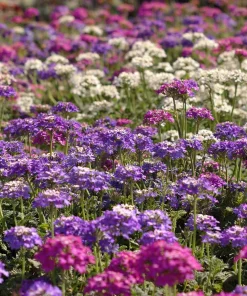
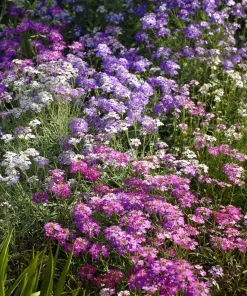
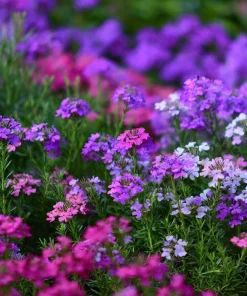
Cultivate a vibrant, low-maintenance garden with moss verbena seeds. This pack contains 400 verbena tenuisecta seeds, ideal for creating a dense, colorful groundcover. Enjoy beautiful purple, pink, and lavender blooms that attract butterflies and thrive in sunny, dry conditions, making it a perfect choice for a drought-tolerant verbena.
Estimated arrival
Oct 14
Oct 19 - Oct 21
Oct 24 - Oct 28
Shop With Confidence
30-Day Plant Health Guarantee
Arrives damaged? We’ll replace it free — see our return policy.
Responsive Support
Email us anytime, we reply within 1 business day.
Expert Packaging
Temperature-controlled shipping to protect your plants in transit.
Secure Checkout
Pay safely with Visa, Mastercard, PayPal.
Plant Specifications
-
USDA Hardiness Zone
USDA Zones 8-11 (perennial), grown as annual elsewhere -
Soil Type
Well-draining soil, sandy or loamy -
Sunlight Exposure
Full sun -
Expected Planting Period
Spring, after last frost
Overview
Transform your garden with our premium moss verbena seeds, offering a stunning display of color and texture. Each packet contains 400 high-quality verbena tenuisecta seeds, ready to grow into a beautiful, low-maintenance groundcover. Moss Verbena (Verbena tenuisecta) is a cherished perennial, often cultivated as an annual in cooler climates, celebrated for its finely textured foliage and abundant clusters of small, vibrant flowers. These charming blooms, appearing in shades of purple, pink, and lavender, grace the landscape from spring through fall, providing an extended season of beauty. This versatile plant is not only visually appealing but also a magnet for butterflies and other beneficial pollinators, making it an excellent addition to any eco-conscious garden. Its vigorous spreading habit makes it an ideal low-growing groundcover seeds choice for borders, slopes, and sunny landscapes, requiring minimal effort once established.
Whether you’re looking to naturalize an area, fill in sunny borders, or simply enjoy a continuous show of color, Moss Verbena is a fantastic option. It’s renowned for its ease of growth and remarkable drought tolerance, ensuring a resilient and beautiful garden even in challenging conditions. These seeds are perfect for gardeners seeking a vibrant, long-blooming plant that contributes to local ecosystems while demanding little in return, truly embodying the spirit of a drought-tolerant verbena.
Key Benefits
Choosing to plant moss verbena seeds offers a multitude of advantages for your outdoor space. This adaptable plant provides continuous beauty and ecological benefits, enhancing your garden in several ways:
- Vibrant, Continuous Blooms: Enjoy a prolonged display of colorful purple, pink, and lavender flowers from spring right through to the fall. These persistent blooms ensure your garden remains lively and attractive for months, adding dynamic visual interest.
- Excellent Groundcover: Moss Verbena forms dense, spreading mats of foliage, effectively covering bare soil. This not only suppresses weeds but also helps retain soil moisture, making it an ideal low-growing groundcover seeds solution for various landscape needs.
- Attracts Pollinators: The nectar-rich flowers are a favorite of butterflies, bees, and other beneficial pollinators, contributing to the health and biodiversity of your garden ecosystem. Planting verbena for pollinators supports local wildlife.
- Drought Tolerant: Once established, Moss Verbena is highly resilient to dry conditions, requiring minimal watering. This makes it a perfect choice for water-wise gardening and an excellent drought-tolerant verbena option for arid climates or busy gardeners.
- Low Maintenance: This plant thrives with minimal care, making it suitable for both experienced gardeners and beginners. Its vigorous growth and natural resistance to many pests and diseases simplify garden upkeep.
- Versatile Landscaping Use: Ideal for sunny borders, rock gardens, slopes, containers, or naturalized areas where it can spread freely. Its adaptability allows it to fit into various garden designs and themes.
- Erosion Control: Its dense root system and spreading habit make it effective at stabilizing soil on slopes and preventing erosion, offering a practical solution for challenging landscape areas.
Plant Care & Growing Tips
Successfully growing moss verbena seeds into a thriving groundcover is straightforward with the right approach. These resilient plants prefer full sun, meaning they need at least 6-8 hours of direct sunlight daily to produce the most abundant blooms. In cooler climates, they can tolerate some afternoon shade, but too much shade will result in leggy growth and fewer flowers. The ideal soil for verbena tenuisecta seeds is well-drained, as soggy conditions can lead to root rot. While they are not overly particular about soil type, a slightly sandy or loamy soil with a neutral to slightly alkaline pH is preferred. Good drainage is paramount for their health and vigor.
When starting your low-growing groundcover seeds, you can sow them indoors 8-10 weeks before the last expected frost, or directly outdoors after all danger of frost has passed. Sow the seeds lightly on the surface of moist, well-drained soil and gently press them in, but do not cover them, as light is essential for germination. Maintain a consistent soil temperature of 70-75°F (21-24°C) for optimal germination, which typically occurs within 14-21 days. Once seedlings are established, thin or transplant them to be 12-18 inches apart to allow for proper air circulation and spreading. Water regularly during the establishment phase, but once mature, reduce frequency significantly, as Moss Verbena is a truly drought-tolerant verbena.
To encourage continuous blooming and maintain a tidy appearance, deadhead spent flowers regularly. This simple practice prevents the plant from expending energy on seed production and promotes the development of new flower buds. Fertilization is generally not heavily required; a light application of a balanced, slow-release fertilizer in spring can be beneficial, especially in poorer soils. Watch out for common pests like aphids or spider mites, though Moss Verbena is generally quite resistant. Ensuring good air circulation and proper watering practices will help prevent fungal issues. By following these guidelines, your verbena for pollinators will flourish, providing a season-long spectacle.
Size & Details
Our moss verbena seeds come in a packet containing 400 individual seeds, providing ample opportunity to establish a substantial groundcover or fill multiple garden areas. Each seed has the potential to grow into a robust plant that typically reaches a height of 6-12 inches (15-30 cm) with a spread of 18-36 inches (45-90 cm), forming a dense, mat-like habit. The vigorous growth rate ensures that your garden beds will be covered relatively quickly, offering a lush, carpet-like effect. These verbena tenuisecta seeds are designed for outdoor cultivation, thriving in conditions that would challenge many other flowering plants.
When planted in spring, Moss Verbena typically begins blooming in late spring or early summer, continuing its vibrant display until the first hard frost of autumn. The small, delicate flowers are clustered together, creating a showy mass of color. This plant is considered a perennial in warmer climates (USDA Zones 8-11) but is often grown as a vibrant annual in cooler regions, providing seasonal beauty. The low-growing groundcover seeds are ideal for creating a naturalized look, and their spreading nature means they can fill in gaps effectively. The established plants are highly resilient, making them a superb choice for a drought-tolerant verbena in various landscape applications.
Frequently Asked Questions
- Q: How big does Moss Verbena get? A: Moss Verbena typically grows to a height of 6-12 inches (15-30 cm) and can spread 18-36 inches (45-90 cm) wide, forming a dense groundcover. Its spreading habit makes it excellent for covering large areas.
- Q: Is this an indoor or outdoor plant? A: Moss Verbena is primarily an outdoor plant, thriving in full sun exposures. While it can be started indoors from moss verbena seeds, it should be transplanted outside once the danger of frost has passed.
- Q: How much sunlight does Moss Verbena need? A: This plant requires full sun, meaning at least 6-8 hours of direct sunlight per day, to produce the most abundant blooms and healthy growth. It is a true sun-lover.
- Q: Is this plant easy to care for? A: Yes, Moss Verbena is known for being very easy to care for. Once established from verbena tenuisecta seeds, it is drought-tolerant and requires minimal attention, making it suitable for beginners.
- Q: What condition will the seeds arrive in? A: The moss verbena seeds will arrive in a protective packet, ensuring their viability and readiness for planting. Each packet contains 400 seeds.
- Q: How long until Moss Verbena blooms? A: When planted in spring, Moss Verbena typically begins blooming in late spring or early summer, continuing to flower profusely until the first hard frost.
- Q: Will it survive winter in my zone? A: Moss Verbena is perennial in USDA Zones 8-11, where it will return each year. In cooler zones, it is typically grown as an annual and will need to be replanted from low-growing groundcover seeds each spring.
- Q: What type of soil does Moss Verbena prefer? A: It thrives in well-drained soil, ideally sandy or loamy, with a neutral to slightly alkaline pH. Good drainage is crucial to prevent root rot.
- Q: Does Moss Verbena attract butterflies? A: Yes, its vibrant flowers are highly attractive to butterflies and other pollinators, making it an excellent choice for a verbena for pollinators garden.
- Q: Is Moss Verbena a good choice for erosion control? A: Absolutely. Its dense, spreading growth habit and strong root system make it very effective for stabilizing soil on slopes and preventing erosion, especially as a drought-tolerant verbena.
Be the first to review “Moss Verbena Seeds – 400 Count – Verbena Tenuisecta Groundcover”
People Also Viewed


Reviews
There are no reviews yet.