
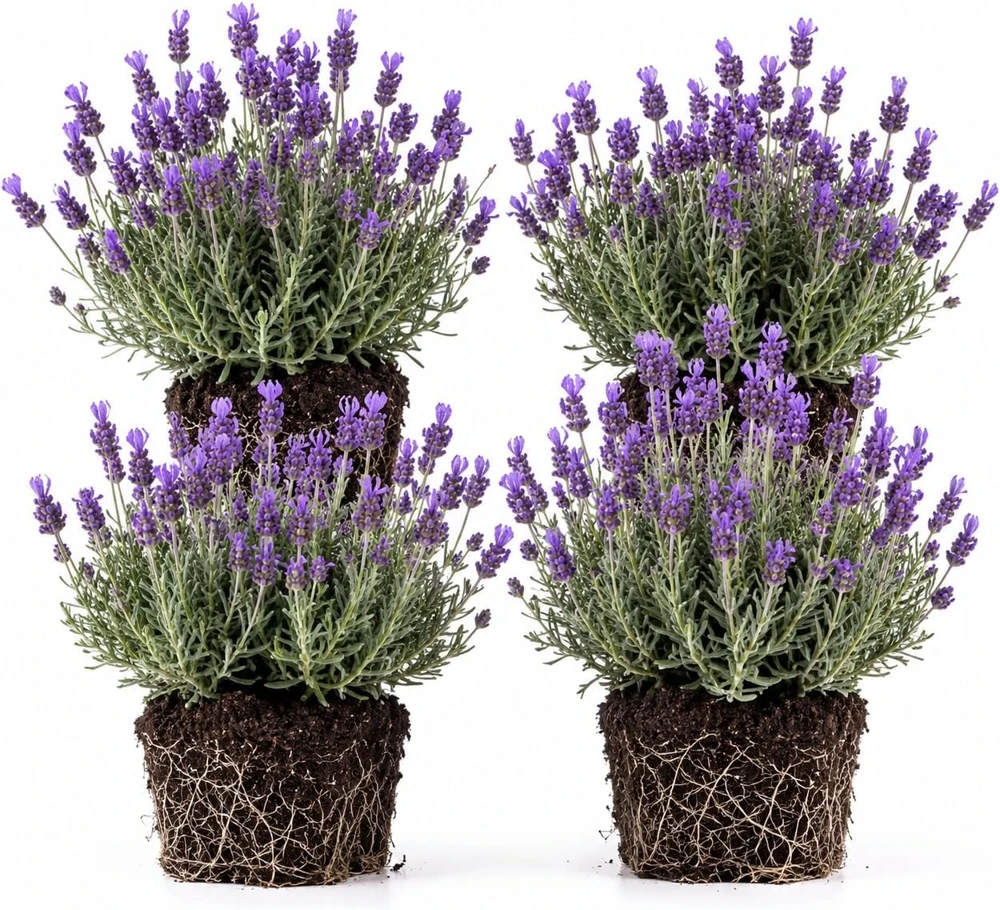
Lavender Plants Live – Set of 4 Blue Purple Lavender Herb Starter Plants 4-6 Inches Tall
Original price was: $54.99.$29.99Current price is: $29.99.
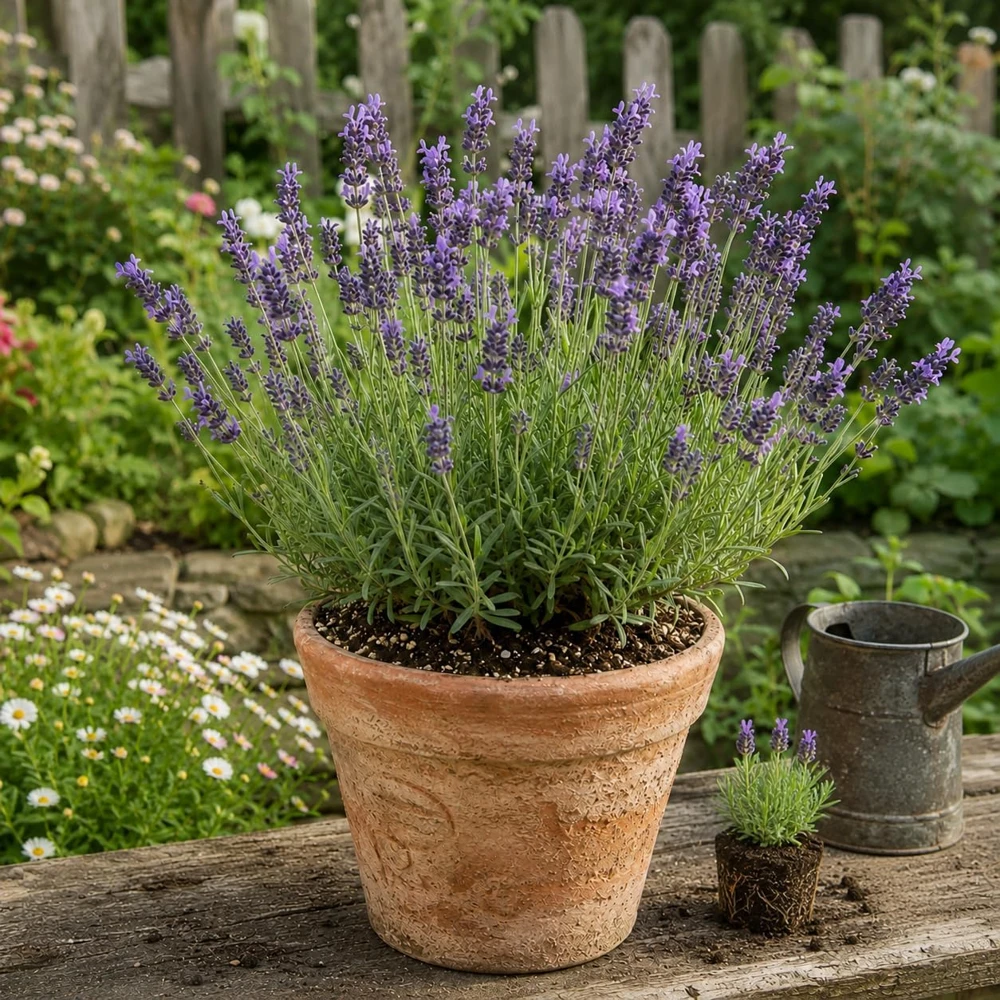
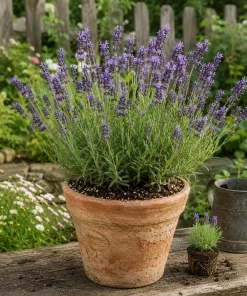
Bring the calming beauty of lavender plants live to your home or garden. This set of 4 lavender herb starter plants, measuring 4-6 inches tall, produces beautiful blue-purple flowers and a delightful fragrance. Ideal for containers, patios, or garden beds.
Estimated arrival
Oct 27
Nov 01 - Nov 03
Nov 06 - Nov 10
Shop With Confidence
30-Day Plant Health Guarantee
Arrives damaged? We’ll replace it free — see our return policy.
Responsive Support
Email us anytime, we reply within 1 business day.
Expert Packaging
Temperature-controlled shipping to protect your plants in transit.
Secure Checkout
Pay safely with Visa, Mastercard, PayPal.
Plant Specifications
-
USDA Hardiness Zone
USDA zones 5-9 -
Soil Type
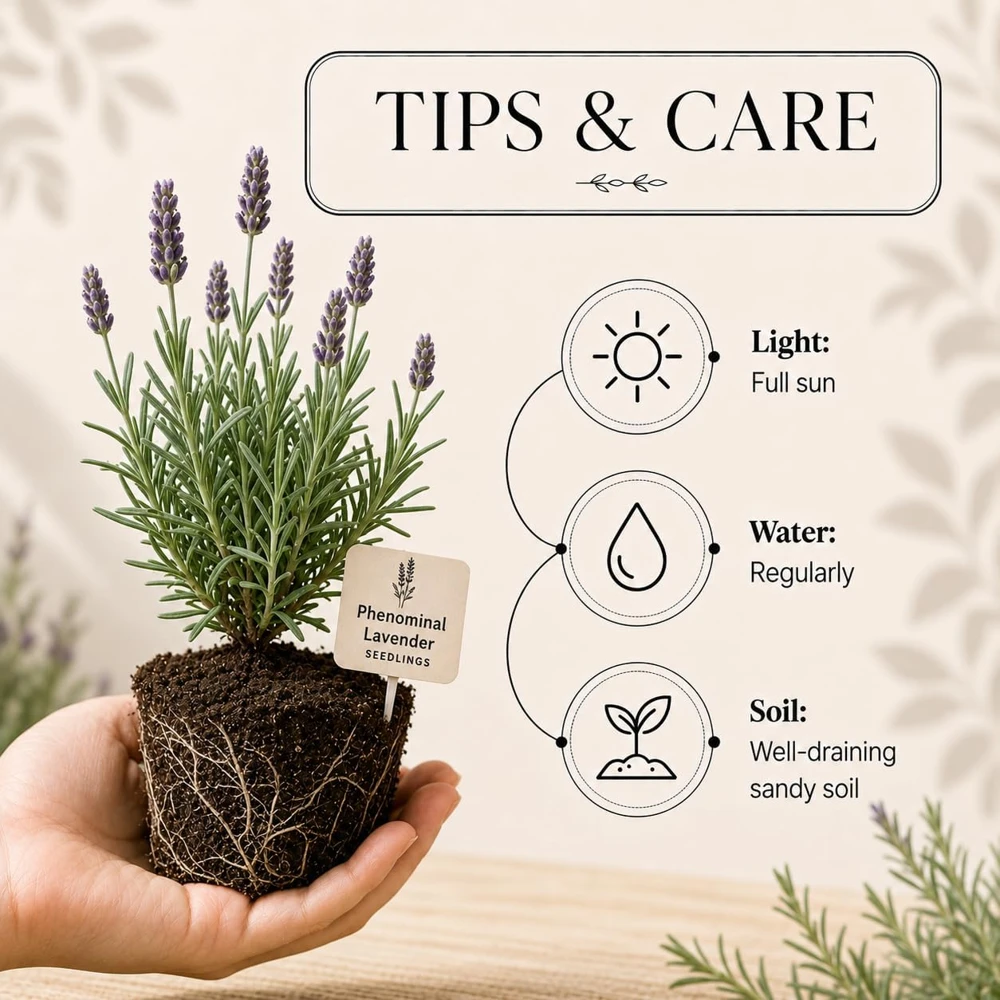
Well-draining, sandy, or gravelly soil -
Sunlight Exposure
Full sun -
Expected Planting Period
Spring to early summer
Overview
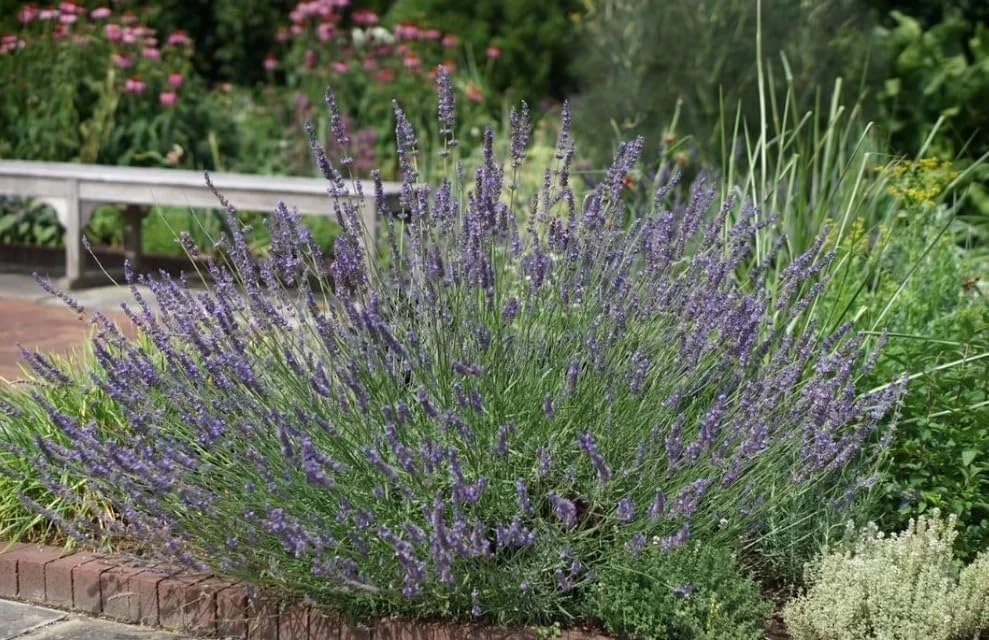
Introduce a touch of elegance and a soothing aroma to your outdoor space with this exquisite set of 4 lavender plants live. Each plant is a vibrant starter, measuring 4-6 inches tall, ready to thrive in your garden. Lavender, scientifically known as Lavandula, is revered for its aromatic foliage and stunning blue-purple blooms. These particular plants are chosen for their robust growth and ability to produce abundant, fragrant flowers, making them a perfect addition for both novice and experienced gardeners. Whether you’re looking to create a serene herb garden, add charm to your patio, or enhance your outdoor landscape, these blue lavender plants will provide a continuous display of beauty and scent.
These lavender herb starter plants are carefully cultivated to ensure they arrive healthy and ready for planting. Their compact size makes them versatile for various planting environments, from decorative pots on a balcony to expansive garden beds. Enjoy the sensory delight of fresh lavender, known for its calming properties and culinary uses. With proper care, these plants will mature into a lush, fragrant lavender shrub, offering a continuous harvest of aromatic flowers and leaves.
Key Benefits
Adding lavender to your garden offers a multitude of benefits, from aesthetic appeal to practical uses. Our lavender plants live are selected for their high quality and potential to deliver these advantages:
-
Aromatic Fragrance: Lavender is renowned for its distinct, calming scent. These plants will fill your garden or patio with a beautiful, relaxing fragrance that can help reduce stress and create a peaceful atmosphere.
-
Beautiful Blooms: Enjoy a long season of vibrant blue-purple flowers that add a pop of color to any setting. These blooms are not only visually appealing but also attract beneficial pollinators like bees and butterflies, supporting your local ecosystem.
-
Versatile Landscaping: Perfect for a variety of uses, from creating borders in garden beds to serving as stunning focal points in containers or hanging baskets. Their moderate size makes them suitable for small and large spaces alike.
-
Drought Tolerant: Once established, lavender plants are highly drought-tolerant, requiring minimal watering. This makes them an excellent choice for water-wise gardening and busy individuals.
-
Culinary & Medicinal Uses: The flowers and leaves of these lavender herb starter plants can be used in teas, desserts, and savory dishes, or for making essential oils, potpourri, and sachets for their calming and therapeutic properties.
-
Pest Repellent: The strong scent of lavender naturally deters certain common garden pests, such as mosquitoes, flies, and deer, helping to protect your other plants without harsh chemicals.
-
Low Maintenance: These blue lavender plants are relatively easy to care for once established, making them suitable for gardeners of all experience levels. They require minimal pruning and thrive with basic attention.
Plant Care & Growing Tips
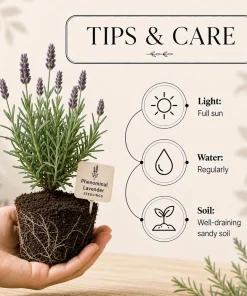
Caring for your lavender plants live is straightforward and rewarding, ensuring they flourish and produce their beautiful, fragrant blooms. Lavender thrives in conditions that mimic its Mediterranean origins. For optimal growth, these plants require plenty of sunlight. Aim for at least 6-8 hours of direct sun exposure per day. In hotter climates, some afternoon shade can be beneficial to prevent scorching, but generally, the more sun, the better. Good air circulation is also crucial to prevent fungal diseases, especially in humid environments.
When it comes to watering, less is often more for lavender. It prefers dry conditions and is highly susceptible to root rot in soggy soil. Water thoroughly when the top 1-2 inches of soil feel dry to the touch, then allow the soil to dry out completely before watering again. During periods of drought or extreme heat, you may need to water more frequently, but always check the soil moisture first. The ideal soil for lavender herb starter plants is well-draining, sandy, or gravelly, with a slightly alkaline pH (6.7 to 7.3). Amend heavy clay soils with organic matter, sand, or grit to improve drainage. These plants are generally hardy in USDA zones 5-9, depending on the specific variety, and can tolerate a wide range of temperatures once established. Fertilization is usually not necessary; lavender prefers lean soil and too much fertilizer can lead to lush foliage at the expense of flowers. If your soil is particularly poor, a light application of a balanced, slow-release fertilizer in spring can be beneficial. Pruning is essential for maintaining the shape and vigor of your fragrant lavender shrub. Prune after the first flush of flowers to encourage a second bloom and again in early spring to remove any dead or woody growth and promote bushier growth. This also helps when you are growing lavender in pots to keep them from getting too leggy.
Size & Details
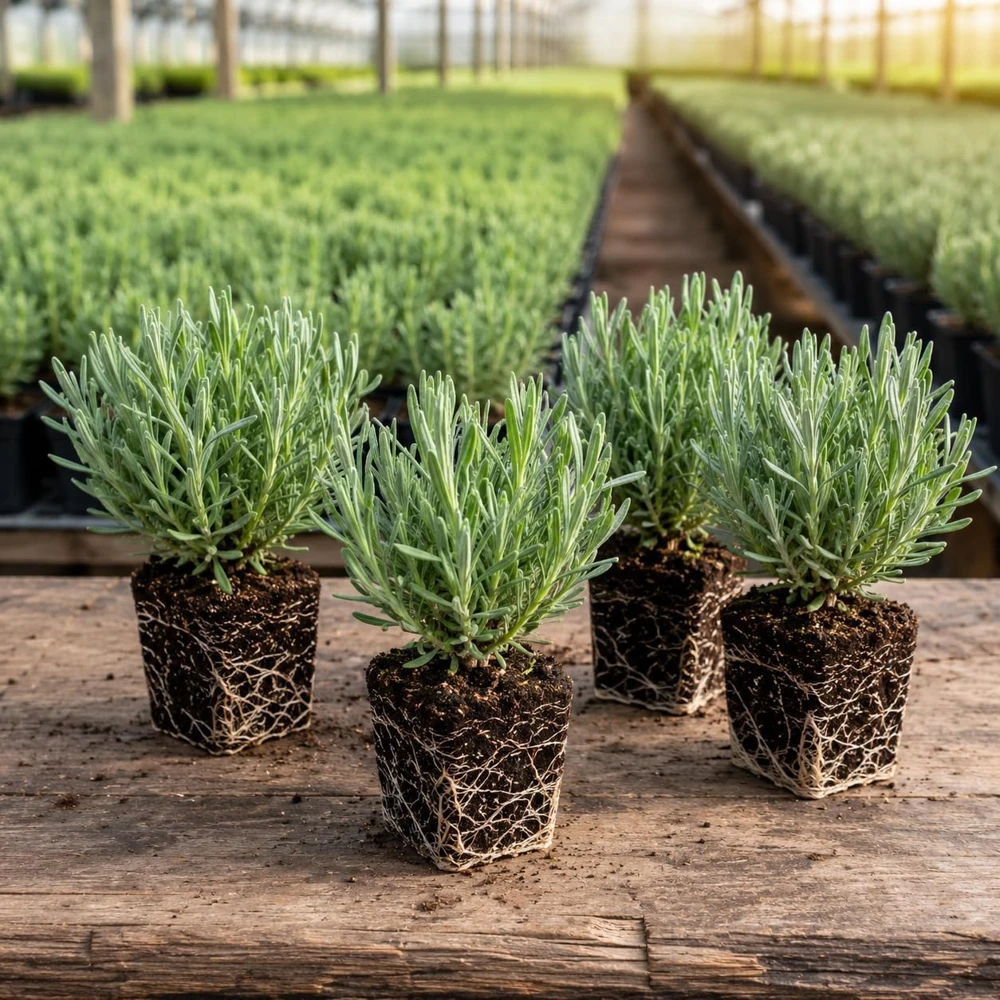
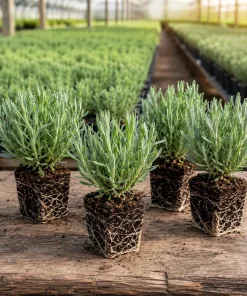
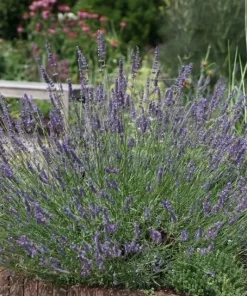
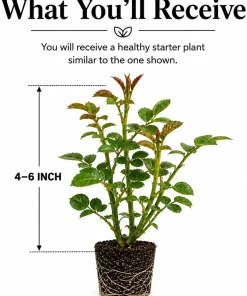
This offering includes a set of 4 lavender plants live, each meticulously grown to reach a height of 4-6 inches tall upon arrival. These are starter plants, designed to quickly establish themselves in your garden or containers. Each plant is shipped in its nursery pot, ensuring the root system remains intact and healthy during transit, minimizing transplant shock. The mature height of these blue lavender plants can vary depending on the specific variety and growing conditions, typically reaching 1-3 feet tall and wide, forming a dense, rounded, fragrant lavender shrub. Expect these plants to begin producing their characteristic blue-purple blooms within their first growing season, with more abundant flowering in subsequent years. They are well-suited for container gardening, patio planters, and small outdoor spaces, providing both visual appeal and a delightful aroma. The plants are robust growers and, with proper care, will quickly fill out to create a beautiful display.
Frequently Asked Questions
-
Q: How big do these lavender plants get? A: These are lavender herb starter plants, arriving at 4-6 inches tall. Once mature, depending on the variety and growing conditions, they typically grow to be 1-3 feet tall and wide, forming a beautiful fragrant lavender shrub.
-
Q: Is this an indoor or outdoor plant? A: While lavender can be overwintered indoors in colder climates, these lavender plants live are primarily suited for outdoor growing. They thrive in full sun and well-drained soil in garden beds, containers, or patios.
-
Q: How much sunlight does it need? A: Lavender requires abundant sunlight to flourish. For best results and prolific blooming, ensure your blue lavender plants receive at least 6-8 hours of direct sunlight per day.
-
Q: Is this plant easy to care for? A: Yes, once established, lavender is considered a low-maintenance plant. It is drought-tolerant and generally pest-resistant, making it a great choice for both beginner and experienced gardeners, especially if you are growing lavender in pots.
-
Q: What condition will the plants arrive in? A: Your lavender plants live will arrive as healthy, robust starter plants, carefully packaged in their nursery pots to ensure their root systems are protected and they are ready for immediate planting.
-
Q: Can I use this lavender in cooking or for aromatherapy? A: Yes, this lavender is suitable for culinary and aromatic uses. The flowers and leaves can be harvested for teas, baking, or creating sachets and essential oils, providing a delightful and calming experience.
-
Q: When is the best time to plant these lavender plants? A: The best time to plant these lavender herb starter plants is in spring after the last frost, or in early fall in warmer climates. This allows them sufficient time to establish their root systems before extreme temperatures.
-
Q: What type of soil do lavender plants prefer? A: Lavender thrives in well-draining, sandy or gravelly soil with a slightly alkaline pH. Avoid heavy clay soils, as poor drainage is the most common cause of lavender plant failure.
-
Q: Will these lavender plants survive winter in my zone? A: Most lavender varieties are hardy in USDA Zones 5-9. It’s important to know your specific USDA zone to determine if these lavender plants live will survive winter outdoors or if they need winter protection or to be brought indoors.
-
Q: How often do I need to water my lavender? A: Water sparingly. Allow the soil to dry out completely between waterings. Overwatering is detrimental to blue lavender plants, so err on the side of underwatering rather than overwatering.
Be the first to review “Lavender Plants Live – Set of 4 Blue Purple Lavender Herb Starter Plants 4-6 Inches Tall”
People Also Viewed
Flower Seeds
Sweet William Seeds Mix – Dianthus barbatus Flower Seeds – 250 Seeds – Pollinator Friendly
Reviews
There are no reviews yet.