
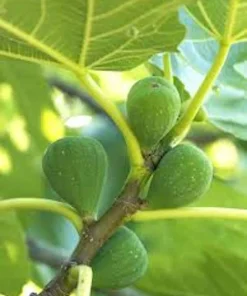
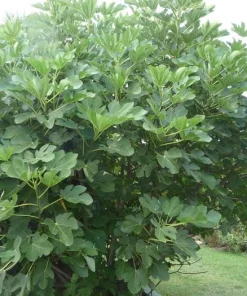
Lattarula Fig Tree Starter Plug – Italian Honey Fig Plant – Cold Hardy Ficus carica
Original price was: $69.99.$44.99Current price is: $44.99.
Cultivate your own delicious figs with this Lattarula fig tree starter plug. Also known as the Italian Honey fig plant, this self-pollinating variety is prized for its sweet, amber-fleshed fruit. It’s a cold hardy fig, suitable for USDA zones 7-10, and can be grown in-ground or in containers.
Estimated arrival
Sep 29
Oct 04 - Oct 06
Oct 09 - Oct 13
Shop With Confidence
30-Day Plant Health Guarantee
Arrives damaged? We’ll replace it free — see our return policy.
Responsive Support
Email us anytime, we reply within 1 business day.
Expert Packaging
Temperature-controlled shipping to protect your plants in transit.
Secure Checkout
Pay safely with Visa, Mastercard, PayPal.
Plant Specifications
-
USDA Hardiness Zone
7-10 -
Soil Type
Well-draining soil, neutral to slightly alkaline pH -
Sunlight Exposure
Full sun (6-8 hours direct light) -
Expected Planting Period
Spring to early summer
Overview
Bring the taste of Italy to your garden with the Lattarula fig tree starter plug. This exceptional variety, often referred to as the Italian Honey fig plant, is a fantastic choice for both novice and experienced gardeners. The Lattarula fig, scientifically known as Ficus carica ‘Lattarula’, is celebrated for its reliable and abundant production of delectable fruit. This particular offering is a starter plug, providing a healthy young plant ready to establish itself in your garden or a suitable container. Its robust nature and delicious yield make it a highly sought-after addition to any edible landscape.
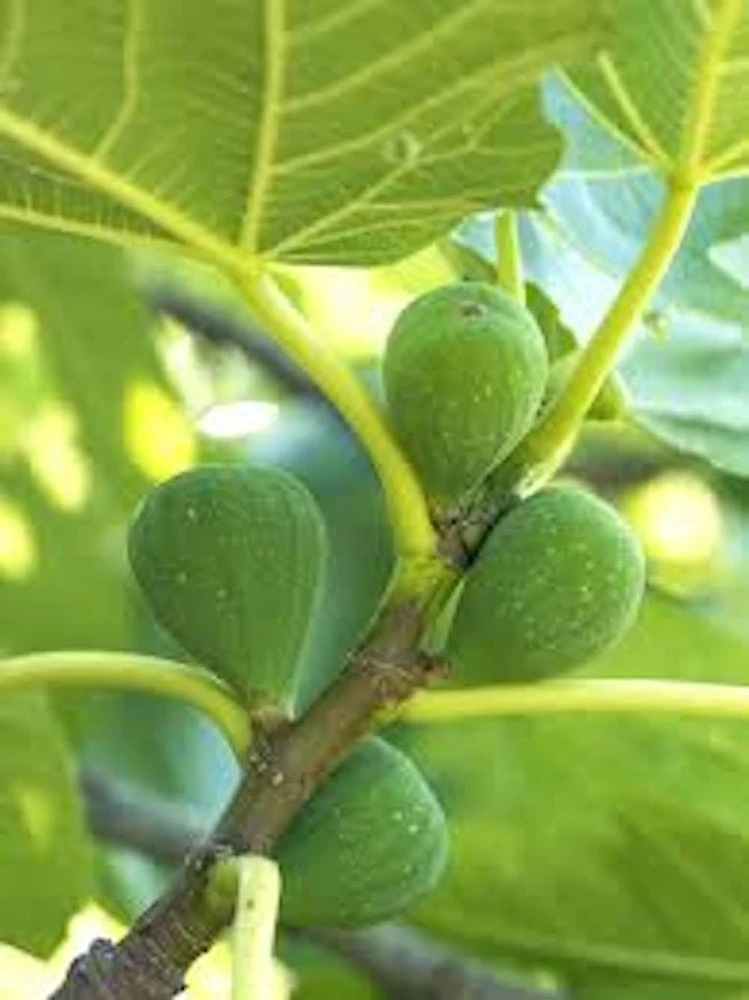
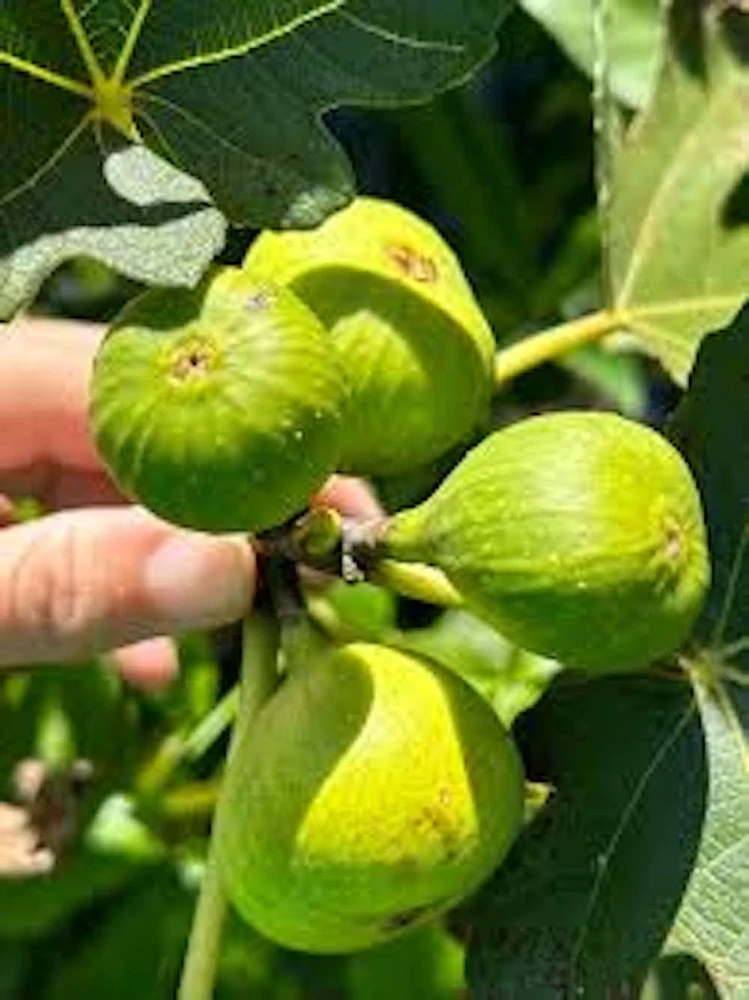
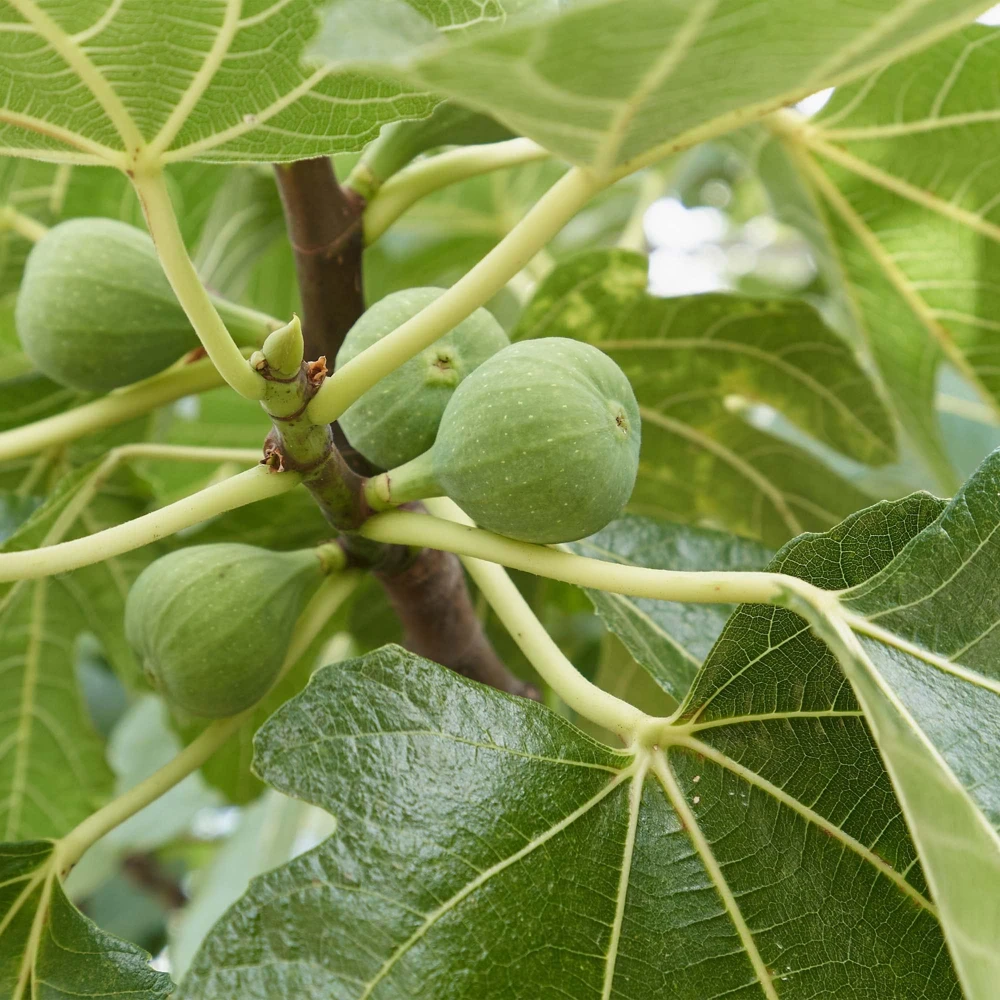
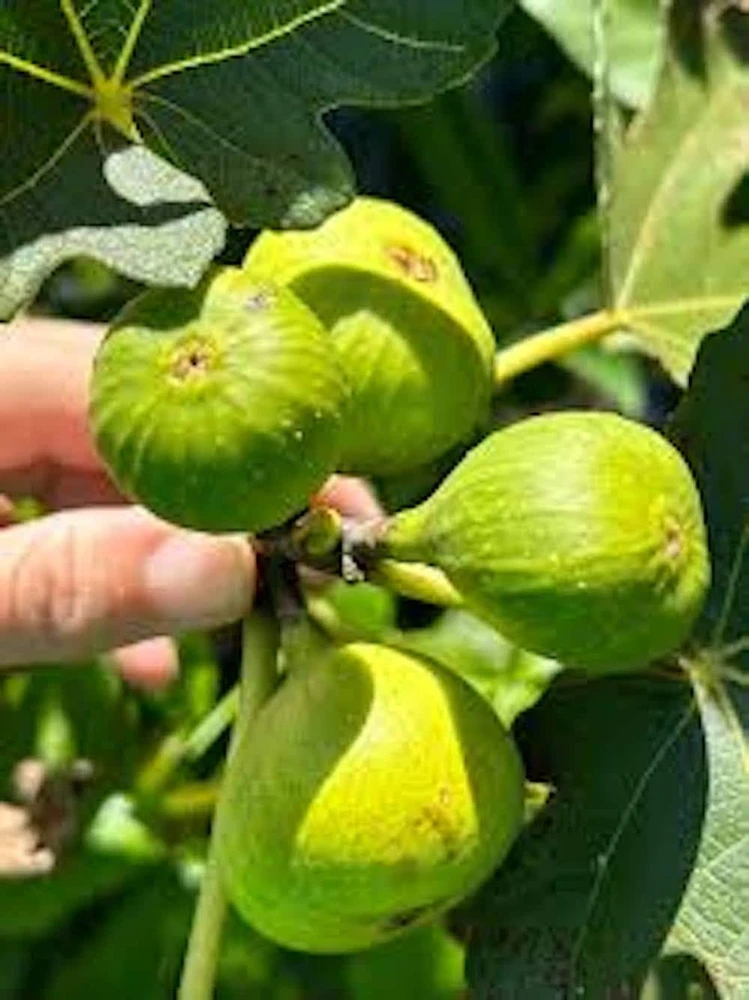
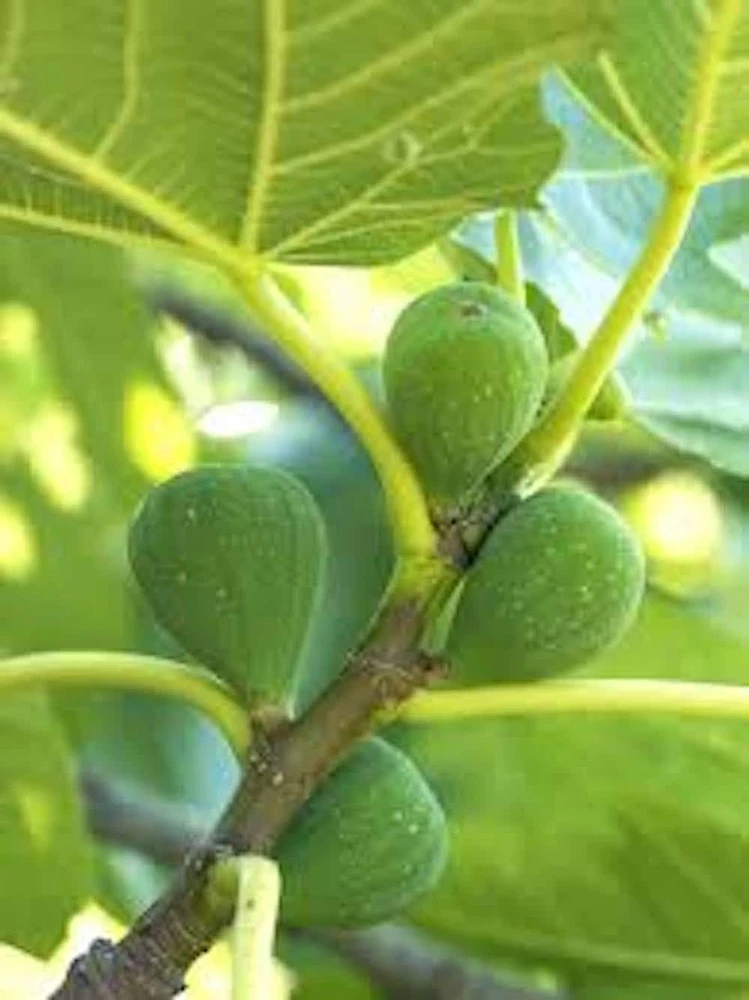
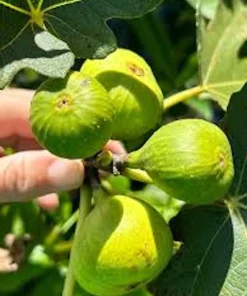
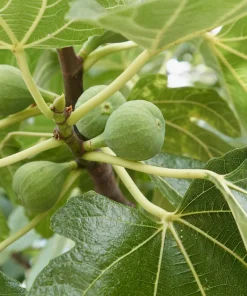
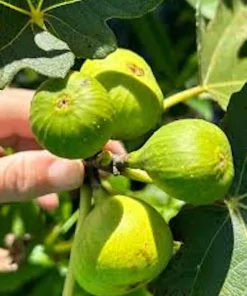
The Lattarula fig is renowned for its cold-hardiness, making it a resilient choice for a wider range of climates compared to many other fig varieties. It is also self-pollinating, meaning you only need one plant to enjoy a bountiful harvest without the need for a second tree or specific pollinators. The fruit itself is a true delight, characterized by its greenish-yellow skin and sweet, amber-fleshed interior that boasts a distinct honey-like flavor. Whether you’re looking to enjoy fresh figs straight from the branch or use them in culinary creations, the Lattarula fig tree is an excellent investment.
Key Benefits
The Lattarula fig tree offers numerous advantages for the home gardener, making it a rewarding plant to cultivate. Its combination of delicious fruit, ease of growth, and resilience ensures a satisfying experience.
- Delicious, Sweet Fruit: Enjoy a prolific crop of figs with a unique honey-like flavor and amber flesh. These figs are perfect for fresh eating, preserves, or baking, offering a gourmet experience right from your backyard.
- Cold-Hardy Variety: Unlike many fig trees, the Lattarula is known for its impressive cold tolerance, thriving in USDA zones 7-10. This expanded hardiness range allows more gardeners to successfully grow this exquisite fruit.
- Self-Pollinating: This fig variety is self-fertile, meaning you only need one tree to produce fruit. This simplifies the growing process and guarantees a harvest without the need for cross-pollination.
- Versatile Growth: The Italian Honey fig plant can be successfully grown both in-ground in suitable climates or in containers, making it adaptable to various garden sizes and styles, including patios and balconies.
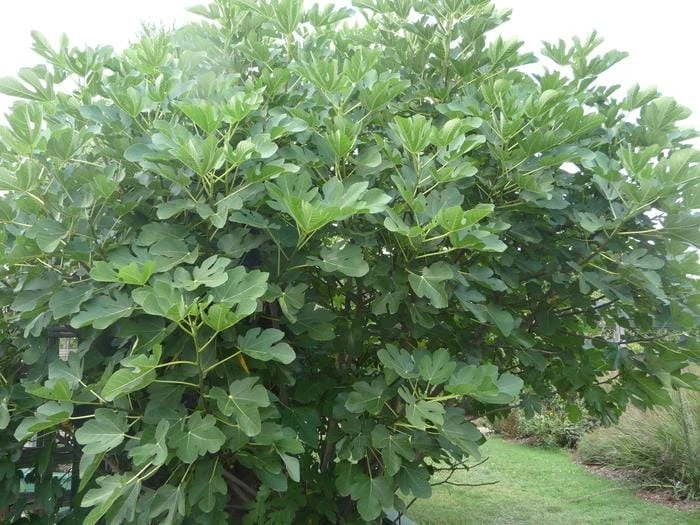
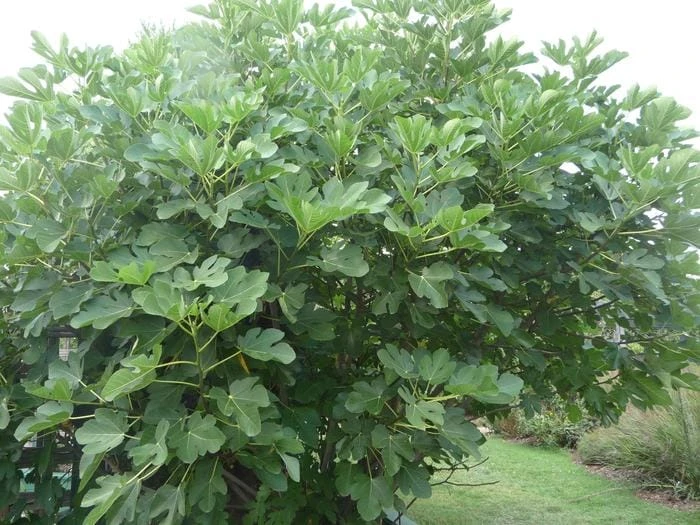
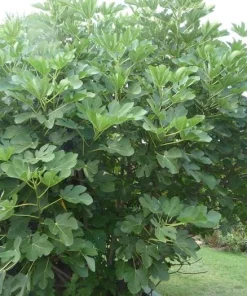
- Ornamental Appeal: Beyond its fruit production, the Lattarula fig tree has attractive foliage, adding a touch of Mediterranean charm to your landscape. Its broad, lobed leaves provide excellent shade and visual interest.
- Easy to Care For: With proper initial planting and basic maintenance, this cold hardy fig is relatively low-maintenance, making it suitable for gardeners of all skill levels.
- Long Harvest Season: Depending on your climate, the Lattarula fig can produce fruit over an extended period, allowing you to enjoy fresh figs for weeks, or even months, during the growing season.
Plant Care & Growing Tips
Caring for your Lattarula fig tree starter plug is straightforward, ensuring a healthy and productive plant for years to come. Understanding its basic needs for sunlight, water, and soil will lead to the best results. Figs generally thrive in warm climates with plenty of sun. For optimal growth and fruit production, your Lattarula fig plant requires full sun, meaning at least 6-8 hours of direct sunlight per day. In very hot climates, some afternoon shade can be beneficial to prevent scorching, but generally, more sun equals more fruit. When growing in containers, ensure the pot can be moved to follow the sun or protect from extreme heat.
Proper watering is crucial, especially for young plants and those grown in containers. While established cold hardy fig trees are somewhat drought-tolerant, consistent moisture is vital for fruit development. Water deeply when the top 1-2 inches of soil feel dry to the touch, ensuring good drainage to prevent root rot. For soil, the Lattarula fig tree prefers well-draining soil with a neutral to slightly alkaline pH. A good quality potting mix amended with compost works well for container growing. In-ground, ensure your soil is not heavy clay and consider amending with organic matter to improve drainage and fertility.
Fertilize your Italian Honey fig plant with a balanced, all-purpose fertilizer in early spring as new growth begins, and again in mid-summer. Avoid over-fertilizing, especially with high nitrogen, which can lead to lush foliage at the expense of fruit production. Pruning is best done in late winter or early spring while the tree is dormant. Remove any dead, diseased, or crossing branches, and shape the tree to maintain its size and encourage air circulation. For container-grown figs, root pruning every few years can help manage size. Protecting your fig plant care in colder zones during winter is important; mulching the base or bringing container plants indoors can help.
Size & Details
This offering is for a Lattarula fig tree starter plug, a young, actively growing plant that provides an excellent foundation for future growth. Starter plugs are typically shipped bare root, without a pot, to ensure safe transit and reduce shipping costs. Upon arrival, it is recommended to pot your fig plug into a larger container (e.g., a 1-gallon pot) or directly into the ground, depending on your climate and growing plans. These young plants will quickly establish themselves and begin to grow into a more substantial tree.
The Lattarula fig tree is a moderate grower and can reach heights of 10-15 feet when planted in-ground, with a similar spread if left unpruned. When grown in containers, its size can be managed through pruning and root restriction, typically staying within 4-8 feet. Fruit production can begin within 1-2 years of planting, with increasing yields as the tree matures. The figs themselves are medium-sized, with a greenish-yellow skin that turns slightly more golden when fully ripe. Expect your Lattarula fig tree to produce its delicious fruit during the summer and early fall months.
Frequently Asked Questions
- Q: How big does this Lattarula fig tree get? A: When planted in-ground, a Lattarula fig tree can typically grow 10-15 feet tall and wide. If grown in a container, its size can be managed through pruning, usually staying between 4-8 feet.
- Q: Is this an indoor or outdoor plant? A: The Lattarula fig tree is primarily an outdoor plant, suitable for in-ground planting in USDA zones 7-10. However, it can be grown in containers and brought indoors during winter in colder climates, making it a versatile option for many gardeners.
- Q: How much sunlight does the Italian Honey fig plant need? A: This fig plant thrives in full sun, requiring at least 6-8 hours of direct sunlight per day for optimal growth and fruit production. In extremely hot regions, some afternoon shade can be beneficial.
- Q: Is this fig plant easy to care for? A: Yes, the Italian Honey fig plant is considered relatively easy to care for. It’s self-pollinating and cold-hardy, reducing some of the common challenges associated with fig cultivation, especially with proper fig plant care.
- Q: What condition will the starter plug arrive in? A: Your Lattarula fig tree starter plug will typically ship bare root, meaning it will arrive without soil or a pot. It will be carefully packaged to ensure its health during transit, ready for immediate planting upon arrival.
- Q: When is the best time to plant this fig tree? A: The best time to plant your Lattarula fig starter plug is in spring after the last frost, allowing it ample time to establish before the heat of summer or the cold of winter.
- Q: Will this cold hardy fig survive winter in my zone? A: The Lattarula fig is known for its cold hardiness and is suitable for USDA zones 7-10. In zone 7, it may benefit from winter protection like mulching, and in colder zones, container growing with indoor overwintering is recommended.
- Q: What kind of soil is best for Ficus carica Lattarula? A: This fig variety prefers well-draining soil. A loamy soil rich in organic matter is ideal for in-ground planting, and a high-quality potting mix for containers will ensure healthy growth.
- Q: How long until the Lattarula fig tree produces fruit? A: You can typically expect your Lattarula fig tree to start producing fruit within 1-2 years of planting, with yields increasing significantly as the tree matures.
- Q: Can I grow this fig in a small garden or on a patio? A: Absolutely! The Lattarula fig is an excellent choice for container growing, making it perfect for small gardens, patios, or balconies where space is limited.
Be the first to review “Lattarula Fig Tree Starter Plug – Italian Honey Fig Plant – Cold Hardy Ficus carica”
People Also Viewed


Reviews
There are no reviews yet.