


Kentucky Yellowwood Tree Seeds – 10 Seeds, White Flowers, Yellow Fall Foliage
Original price was: $36.99.$16.99Current price is: $16.99.
Cultivate a beautiful shade tree with these Kentucky Yellowwood tree seeds. Producing fragrant white flowers in spring and stunning yellow fall foliage, this ornamental tree is a low-maintenance addition to your landscape. Each pack contains 10 seeds for outdoor planting.
Estimated arrival
Sep 14
Sep 19 - Sep 21
Sep 24 - Sep 28
Shop With Confidence
30-Day Plant Health Guarantee
Arrives damaged? We’ll replace it free — see our return policy.
Responsive Support
Email us anytime, we reply within 1 business day.
Expert Packaging
Temperature-controlled shipping to protect your plants in transit.
Secure Checkout
Pay safely with Visa, Mastercard, PayPal.
Plant Specifications
-
USDA Hardiness Zone
4 - 8 -
Soil Type
Average, well-draining soil -
Sunlight Exposure
Full sun -
Expected Planting Period
Fall or spring after cold stratification
Overview
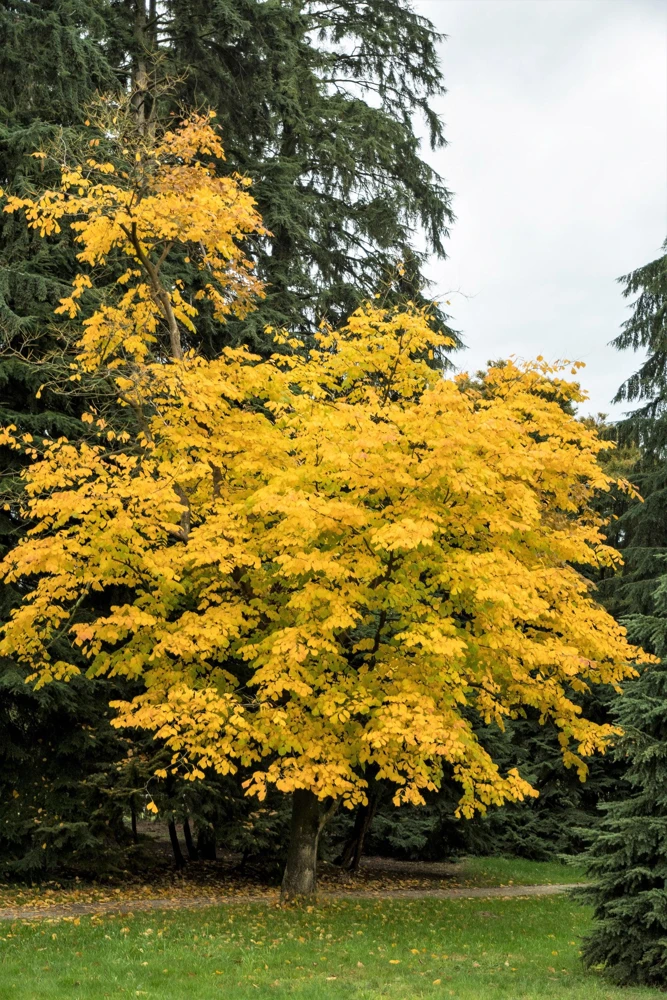
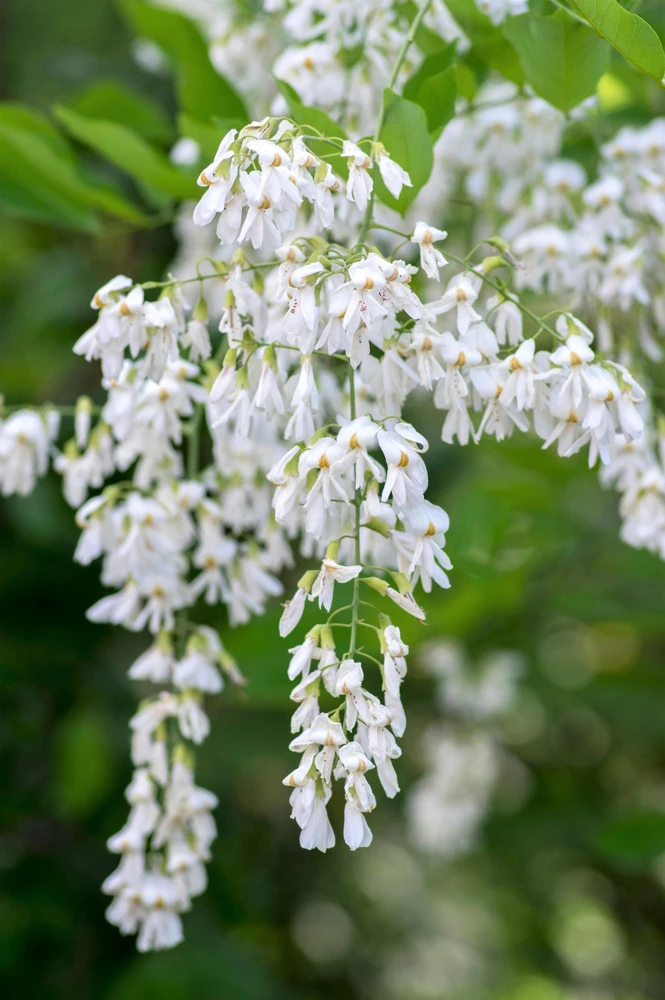
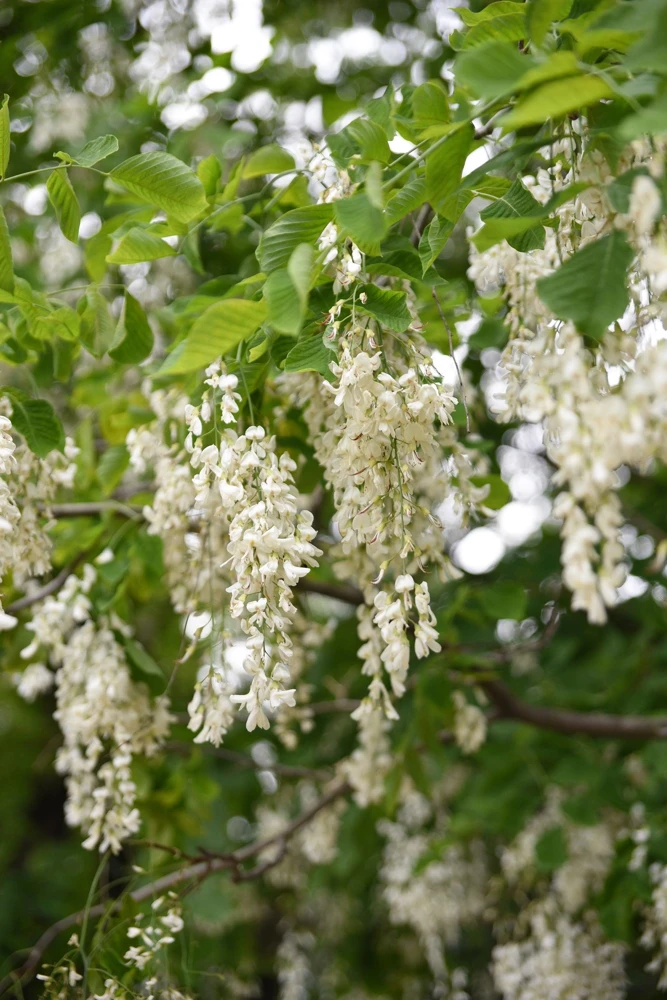
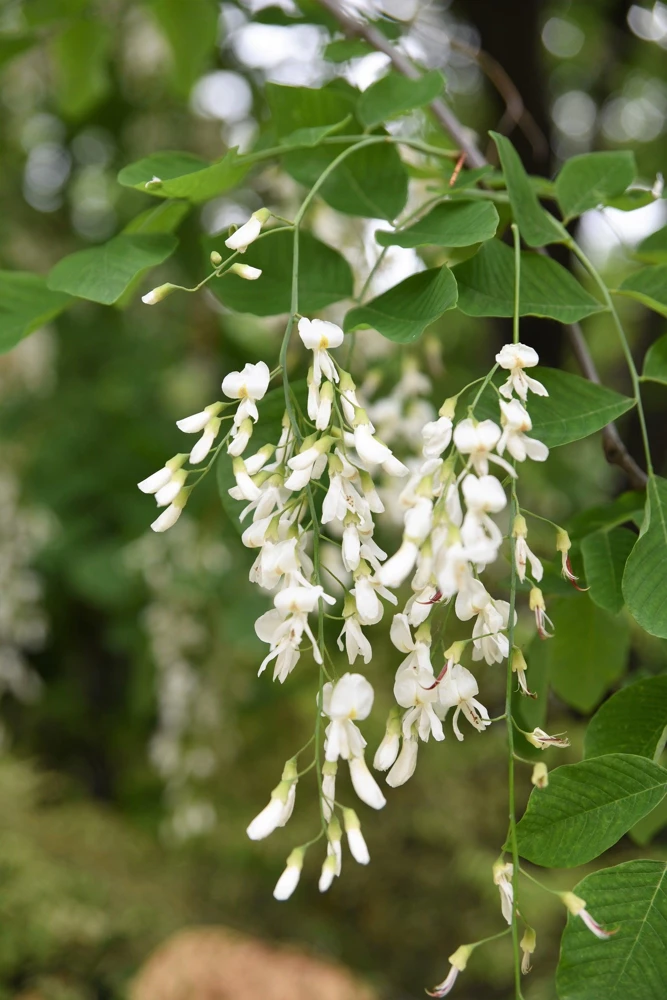
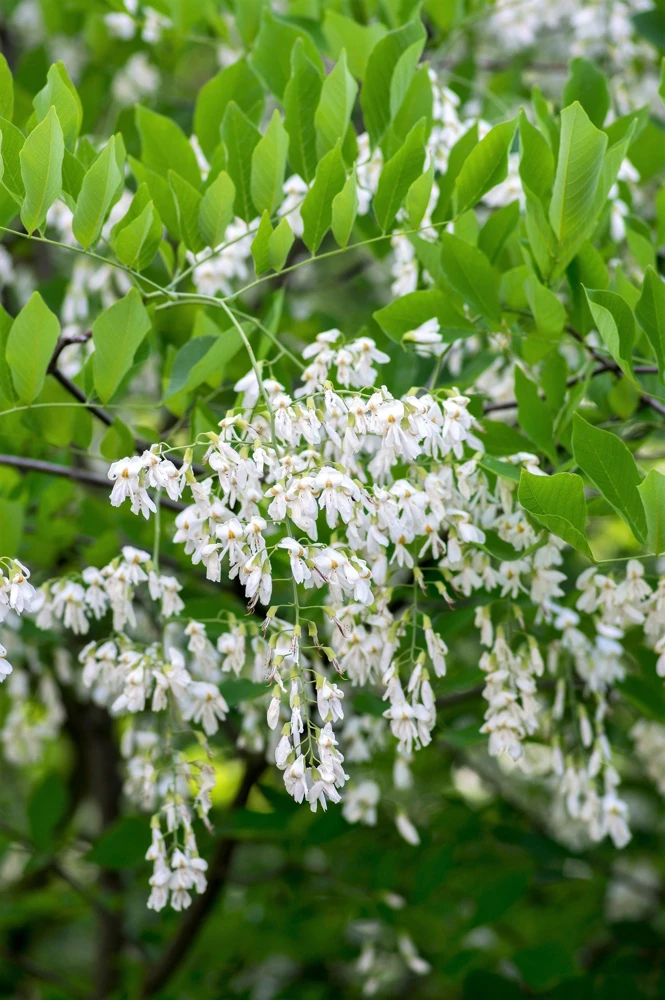
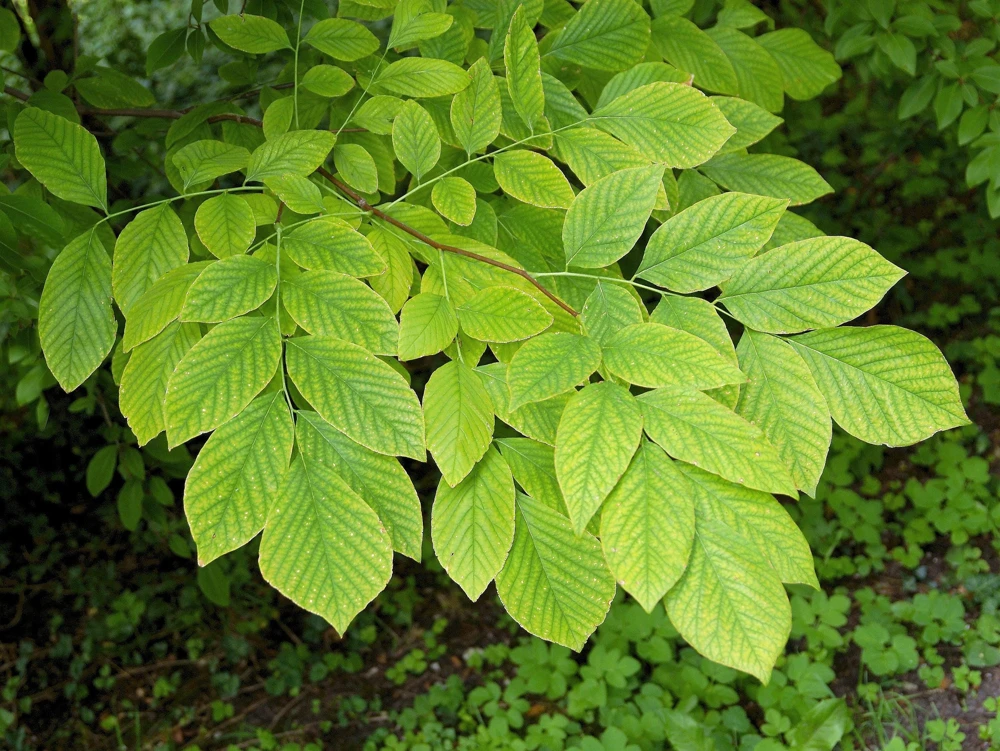
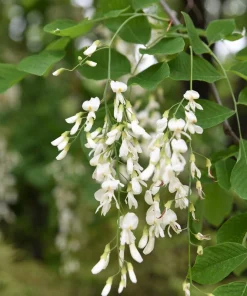
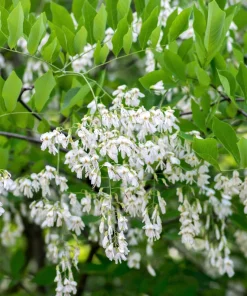
Discover the unique beauty of the Kentucky Yellowwood tree seeds, offering a chance to grow a rare and ornamental species in your own garden. Also known as American Yellowwood or by its scientific name, Cladrastis Kentukea (syn. Cladrastis Lutea), this deciduous tree is celebrated for its exquisite features. From these 10 seeds, you can cultivate a tree that boasts long, drooping panicles of fragrant white flowers in spring, creating a spectacular display. The flowers attract pollinators like birds, bees, and butterflies, adding life and movement to your outdoor space. Beyond its floral charm, the Kentucky Yellowwood transforms in autumn, presenting a breathtaking show of bright yellow fall foliage, making it a true four-season marvel.
This species is native to small regions of the southeastern US, prized for its low maintenance and disease-free nature. If you’re looking to grow Kentucky Yellowwood, you’ll be delighted by its resilience and ornamental value. It’s an excellent choice for those seeking a distinctive tree that provides both spring blossoms and vibrant fall color, enhancing any landscape with its elegant form and seasonal appeal. Planting these seeds offers a rewarding experience for any gardener.
Key Benefits
The Kentucky Yellowwood tree seeds offer numerous advantages for enhancing your garden and local ecosystem. Growing this tree provides a wealth of aesthetic and ecological benefits:
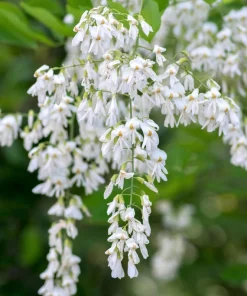
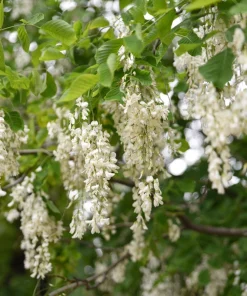
- Stunning White Flowers: In spring, the tree is adorned with 12-14 inch long, fragrant white flower panicles that create a magnificent visual impact and sweet aroma. These beautiful blooms contribute significantly to the tree’s ornamental value.
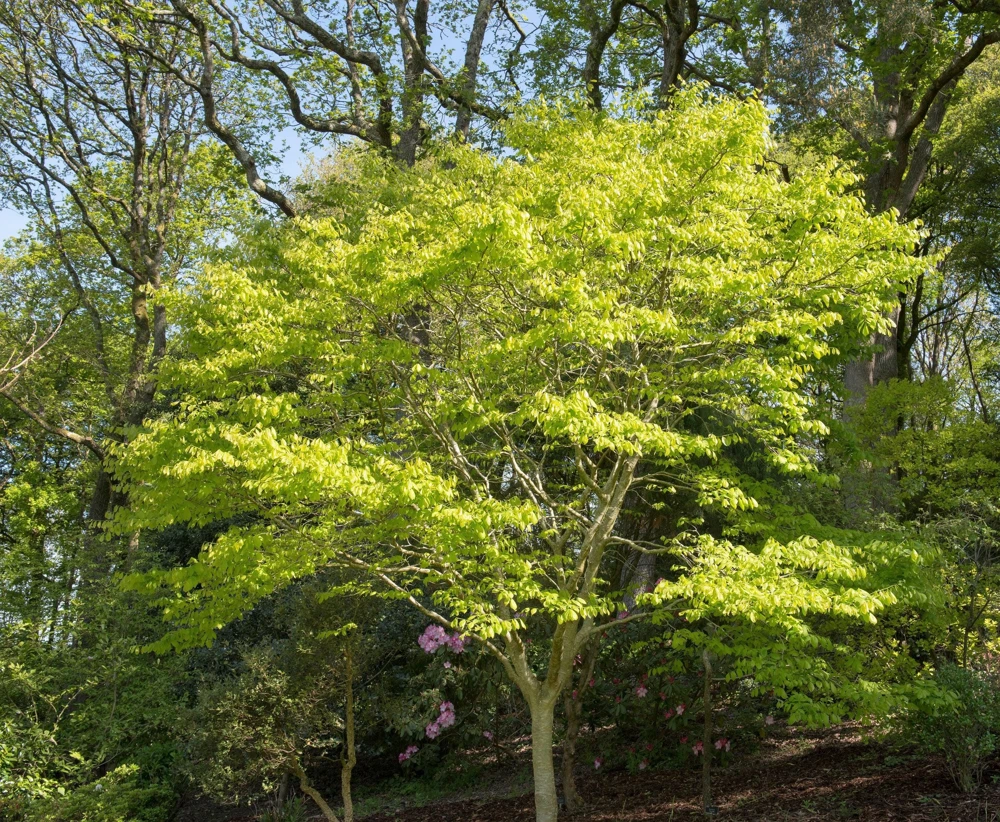
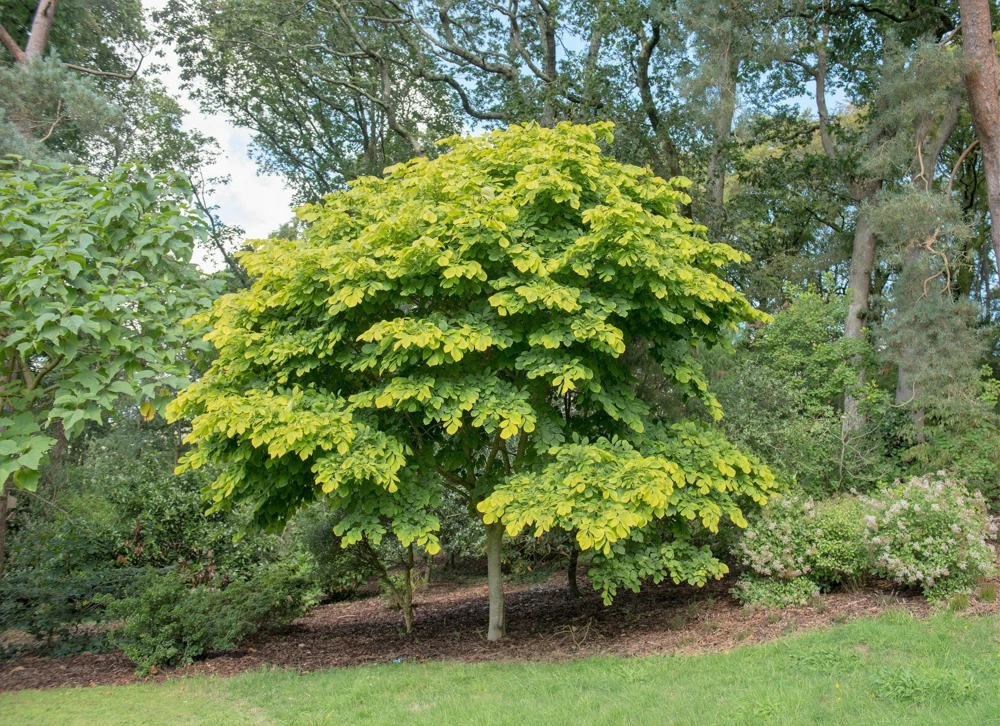
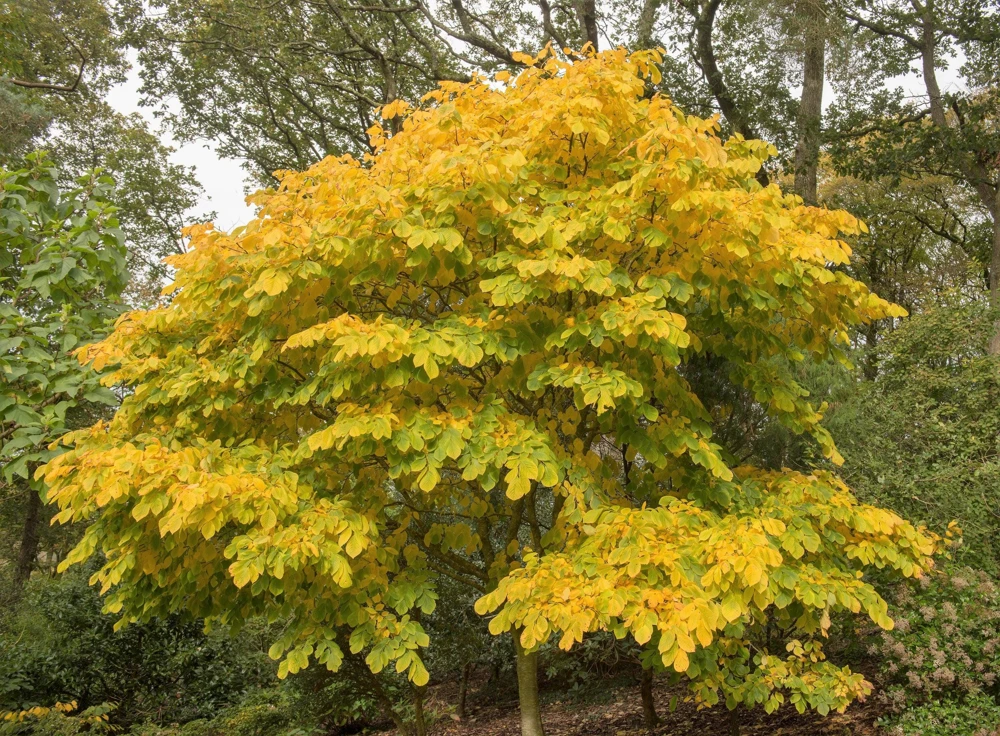
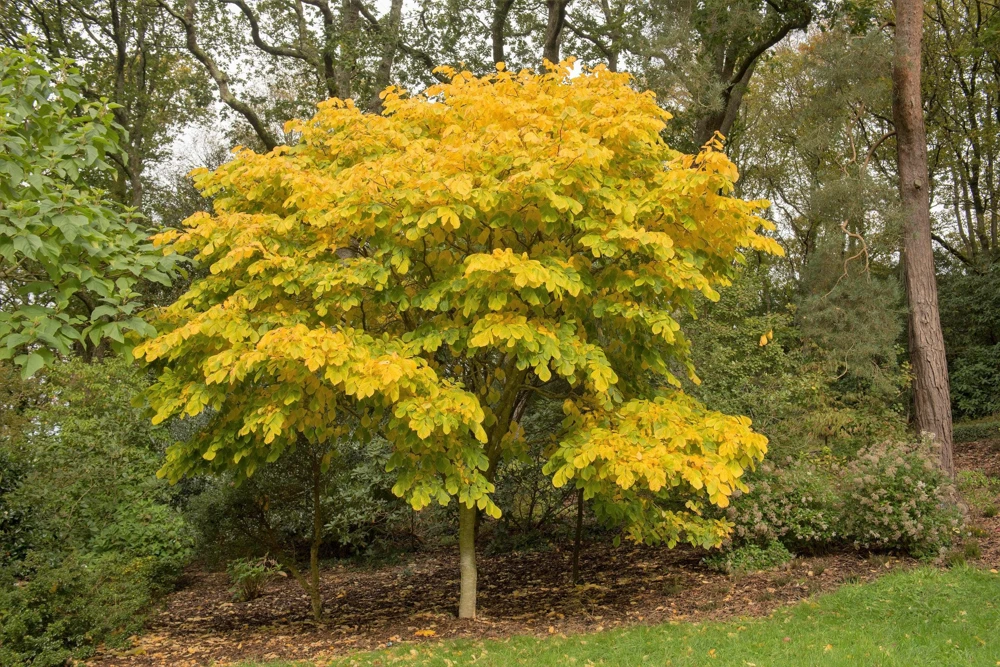
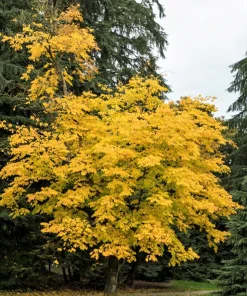
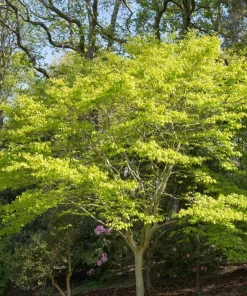
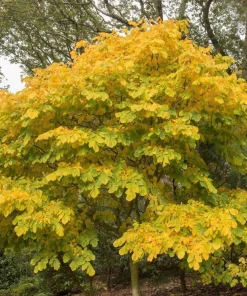
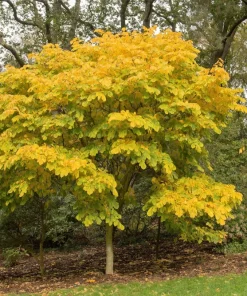
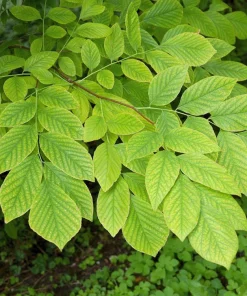
- Vibrant Fall Foliage: Enjoy a spectacular autumn display as the leaves turn a brilliant, eye-catching yellow, providing exceptional seasonal interest and contrasting beautifully with its unique seed pods. This makes the tree a focal point in any fall landscape.
- Attracts Pollinators: The fragrant white flowers are a magnet for birds, bees, and butterflies, supporting local biodiversity and contributing to a healthy garden ecosystem. This makes it an excellent choice for wildlife-friendly gardens.
- Low Maintenance: Once established, the Kentucky Yellowwood is known for being relatively easy to care for, requiring minimal attention to thrive. This makes it suitable for gardeners seeking beautiful, yet undemanding, trees.
- Disease Free: This species is remarkably resistant to common tree diseases, ensuring a healthier and longer-lived specimen in your landscape. You can enjoy its beauty without constant worry about plant health.
- Rare and Unique: As a less common species, planting a Kentucky Yellowwood offers a unique addition to your garden that stands out from more conventional choices. It’s a conversation starter and a testament to botanical diversity.
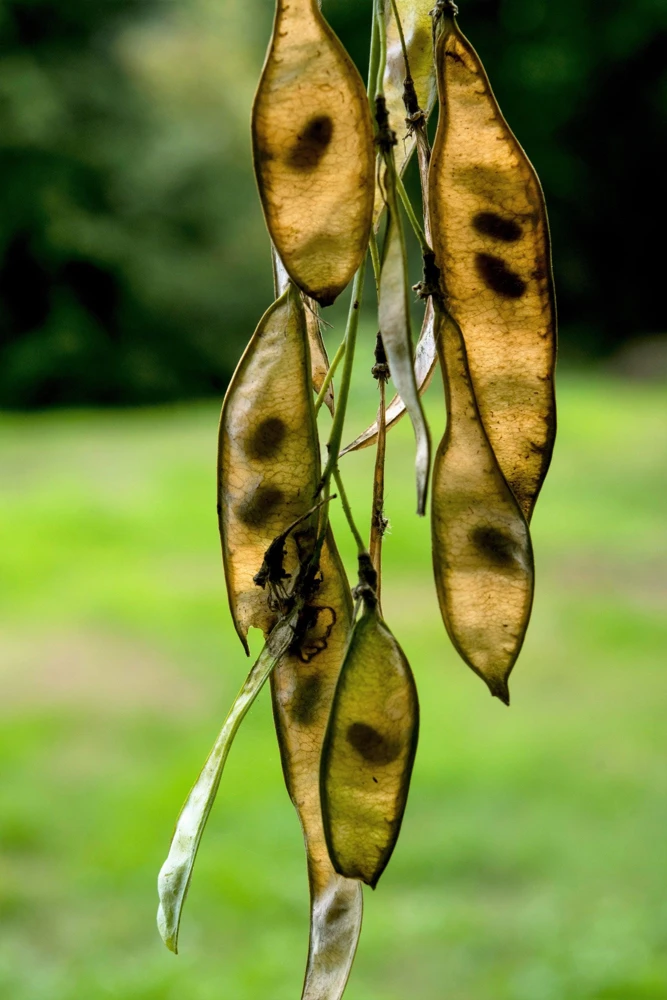
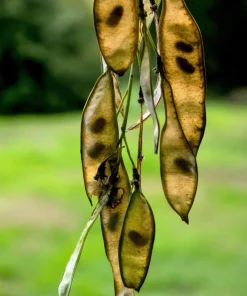
- Attractive Seed Pods: Following the flowering period, the tree develops large, attractive seed pods that add further visual interest, especially when highlighted against the bright yellow fall leaves. These pods extend the tree’s decorative appeal into the colder months.
Plant Care & Growing Tips
To successfully grow Kentucky Yellowwood from these Cladrastis kentukea seeds, understanding its specific care requirements is crucial. This tree thrives in full sun exposure, meaning it needs at least 6 hours of direct sunlight per day to develop its best flowering and fall color. While it prefers full sun, it can tolerate partial shade, though flowering may be less prolific. The ideal soil for the Kentucky Yellowwood is average, well-draining soil. It’s adaptable to various soil types, but good drainage is key to prevent root rot. Ensure the planting site doesn’t retain excess water, especially during heavy rains.
For optimal germination, these white flowering tree seeds benefit from fall sowing or cold stratification. If sowing in fall, plant the seeds directly into prepared soil outdoors, allowing natural winter conditions to break their dormancy. For spring planting, cold stratification involves mimicking winter conditions by placing the seeds in a moist medium (like sand or peat) in a refrigerator for 2-3 months. Once germinated, keep the young seedlings consistently moist but not waterlogged. The Kentucky Yellowwood is hardy in USDA Zones 4-8. Once established, it is fairly drought-tolerant but will benefit from supplemental watering during prolonged dry spells, especially when young. Fertilization is generally not heavily required; a balanced slow-release fertilizer can be applied in spring if soil nutrient levels are low. This hardy tree is known for its resilience and ability to thrive with minimal intervention once mature. Using these tips will help you cultivate a healthy and beautiful specimen with vibrant yellow fall foliage tree characteristics.
Size & Details
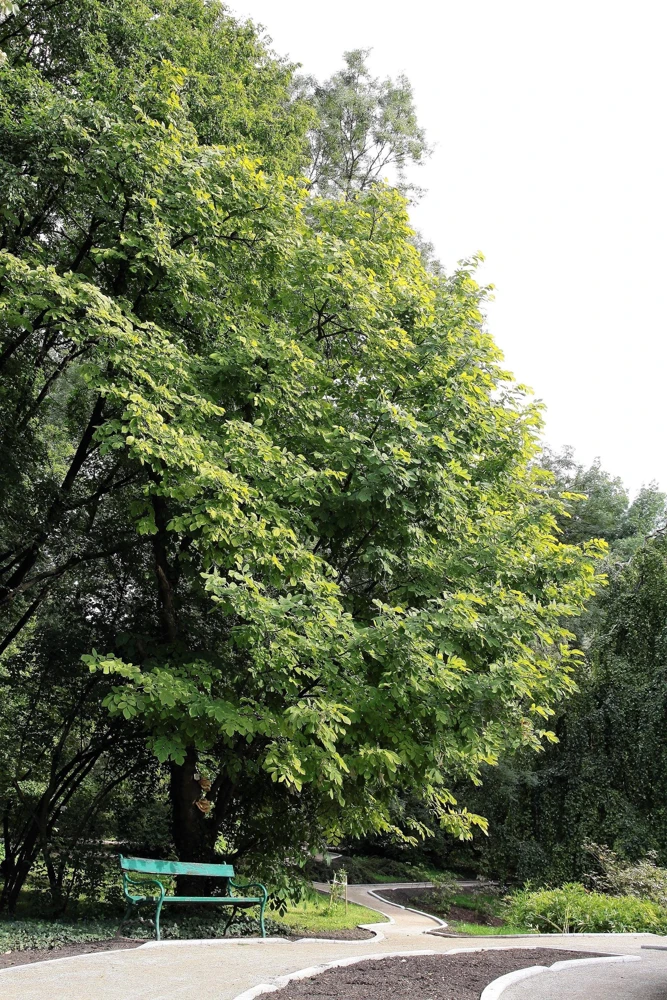
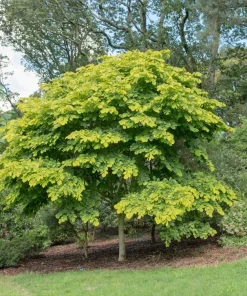
This offering includes 10 seeds of the Kentucky Yellowwood tree, providing a great start for cultivating this beautiful species. When mature, the Kentucky Yellowwood typically reaches a height of 30 to 50 feet with a spread of 30 to 40 feet, creating a broad, rounded canopy that offers excellent shade. It exhibits a moderate growth rate, establishing itself well over time. The seeds are intended for fall sowing or require cold stratification before spring planting. The tree will develop its characteristic fragrant white flowers in May, followed by its striking yellow fall foliage. These seeds offer the opportunity to grow a long-lived, ornamental tree that will be a significant landscape feature for decades.
Frequently Asked Questions
- Q: How big does a Kentucky Yellowwood tree get? A: A mature Kentucky Yellowwood tree typically reaches a height of 30 to 50 feet and can spread 30 to 40 feet wide, forming a beautiful, rounded canopy.
- Q: Is this an indoor or outdoor plant? A: The Kentucky Yellowwood tree seeds are for growing an outdoor shade tree. It is not suitable for indoor cultivation.
- Q: How much sunlight does the Kentucky Yellowwood need? A: This tree thrives in full sun, requiring at least 6 hours of direct sunlight daily for best flowering and fall color. It can tolerate partial shade but may have fewer blooms.
- Q: Is this tree easy to care for? A: Once established, the Kentucky Yellowwood is considered low-maintenance and disease-free, making it a relatively easy tree to care for.
- Q: When is the best time to plant these seeds? A: The best time to plant these Cladrastis kentukea seeds is in the fall for natural cold stratification, or in the spring after a period of artificial cold stratification.
- Q: What condition will the seeds arrive in? A: The product consists of 10 seeds, packaged to ensure their viability for planting.
- Q: Will the Kentucky Yellowwood survive winter in my zone? A: The Kentucky Yellowwood is hardy in USDA Zones 4-8, meaning it can tolerate winter temperatures within this range.
- Q: What kind of soil does this tree prefer? A: It prefers average, well-draining soil. Good drainage is essential to prevent root issues.
- Q: How long until I see flowers on my Kentucky Yellowwood tree? A: It can take several years for a young Kentucky Yellowwood tree to mature enough to produce its first blooms, typically appearing in May once established.
- Q: What makes the fall foliage of this tree special? A: The tree’s leaves turn a vibrant, bright yellow in the fall, offering a spectacular and eye-catching display that makes it a standout yellow fall foliage tree.
Be the first to review “Kentucky Yellowwood Tree Seeds – 10 Seeds, White Flowers, Yellow Fall Foliage”
People Also Viewed
Houseplants
Mint Variegated Monstera Live Plant – Rare Tropical Houseplant – 4-6 Inches Tall – Indoor
Flower Plants



Reviews
There are no reviews yet.