

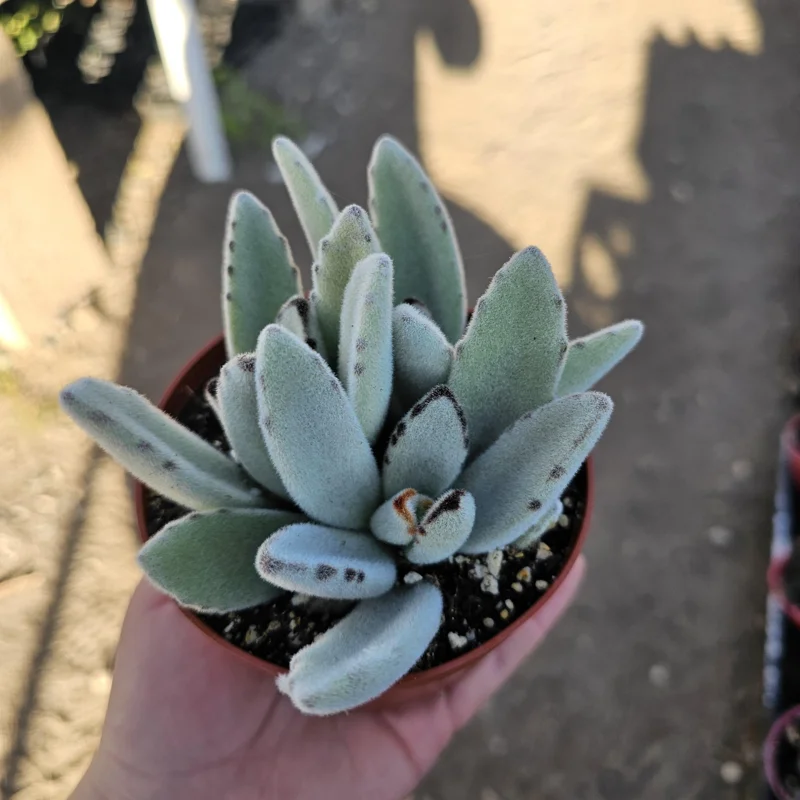
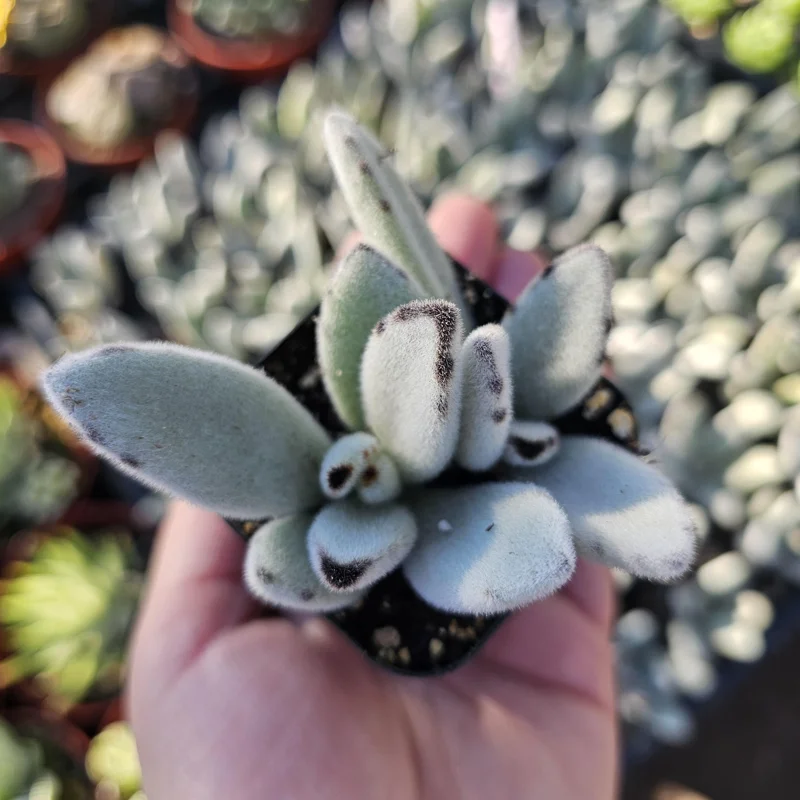
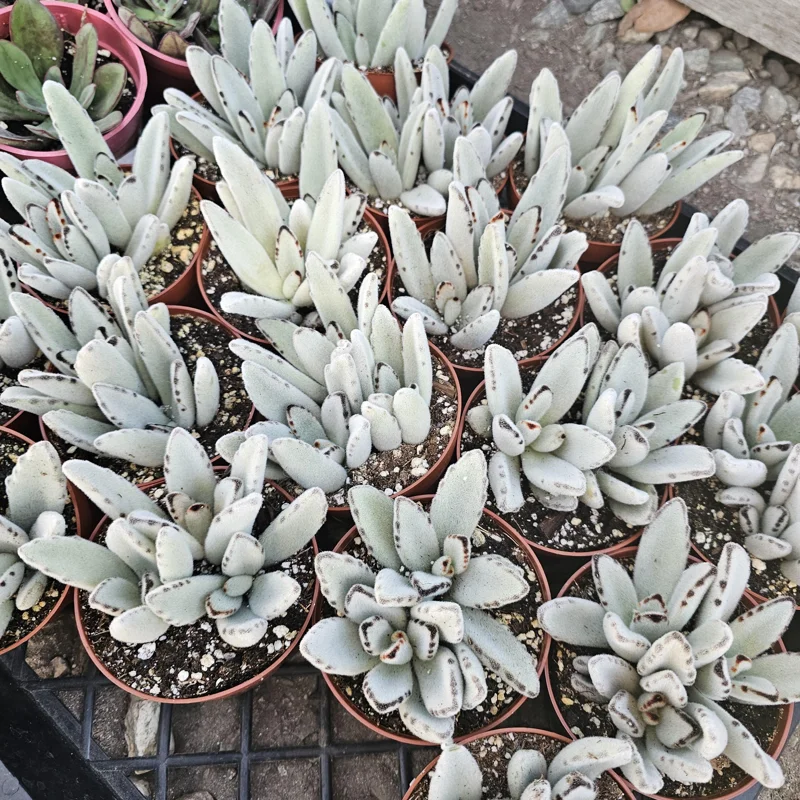
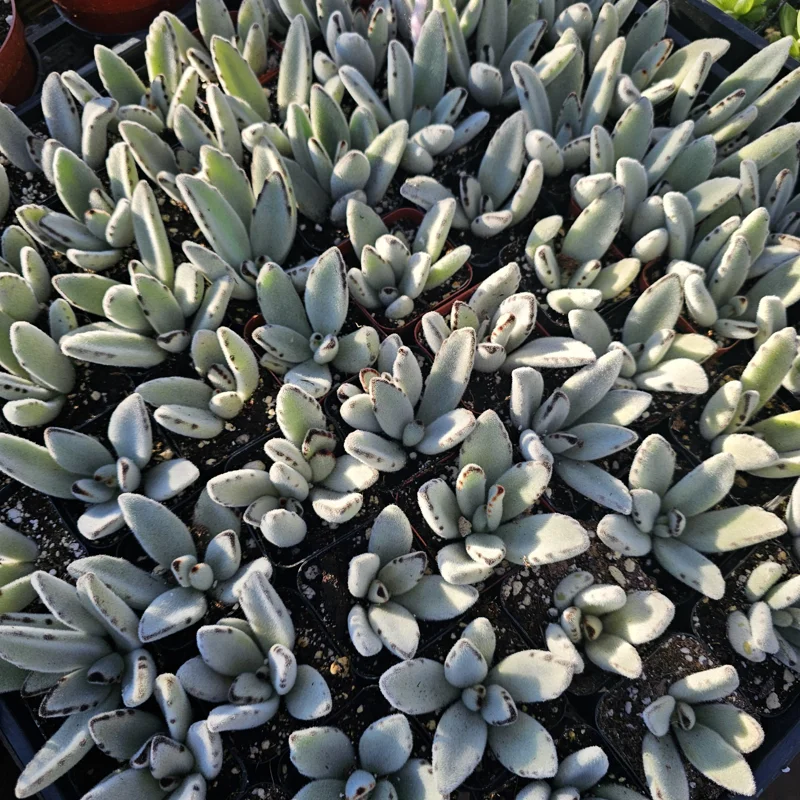
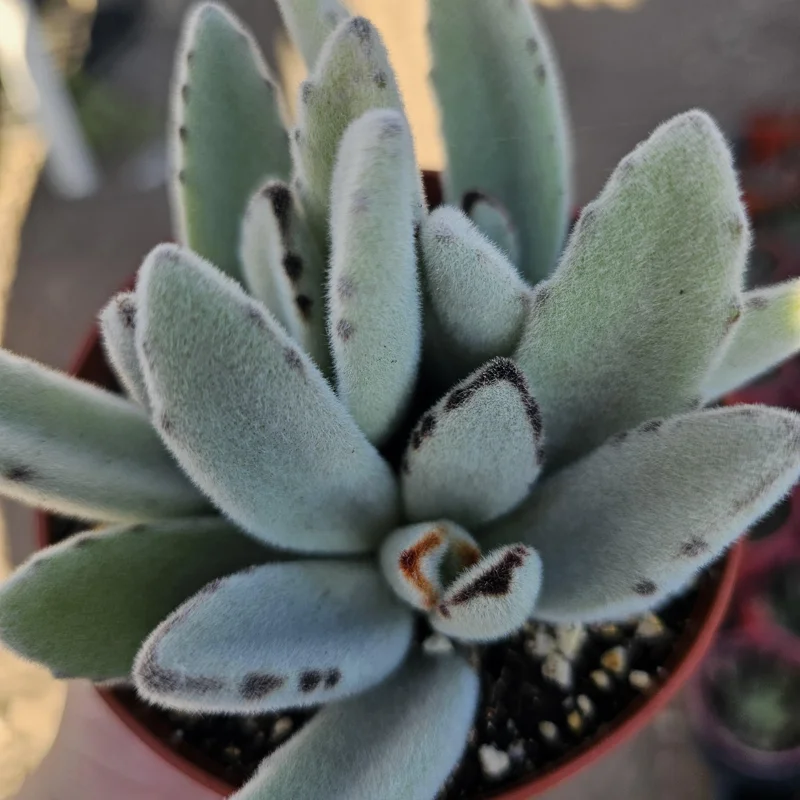
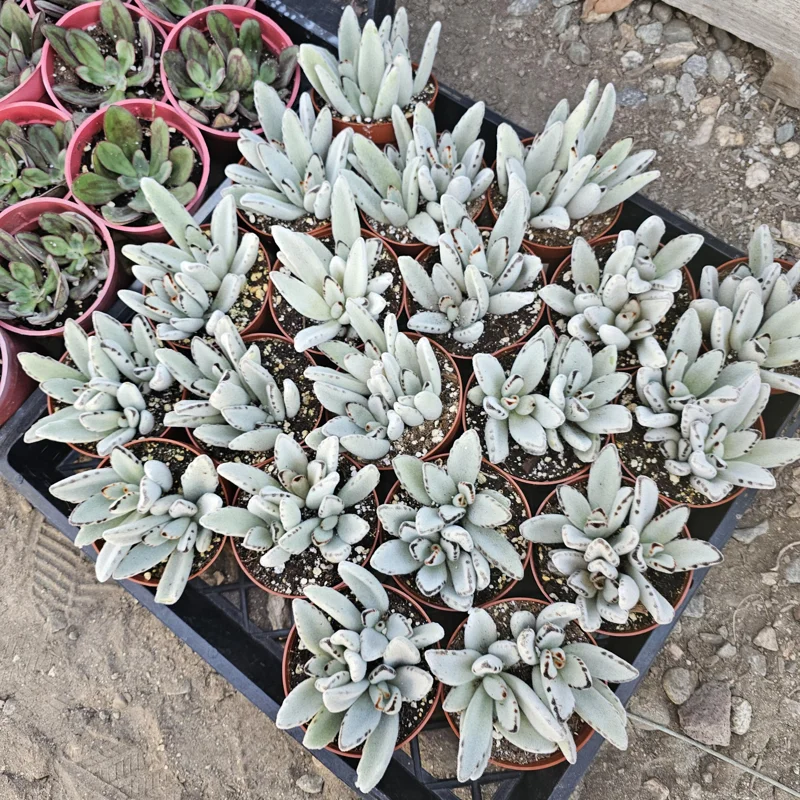
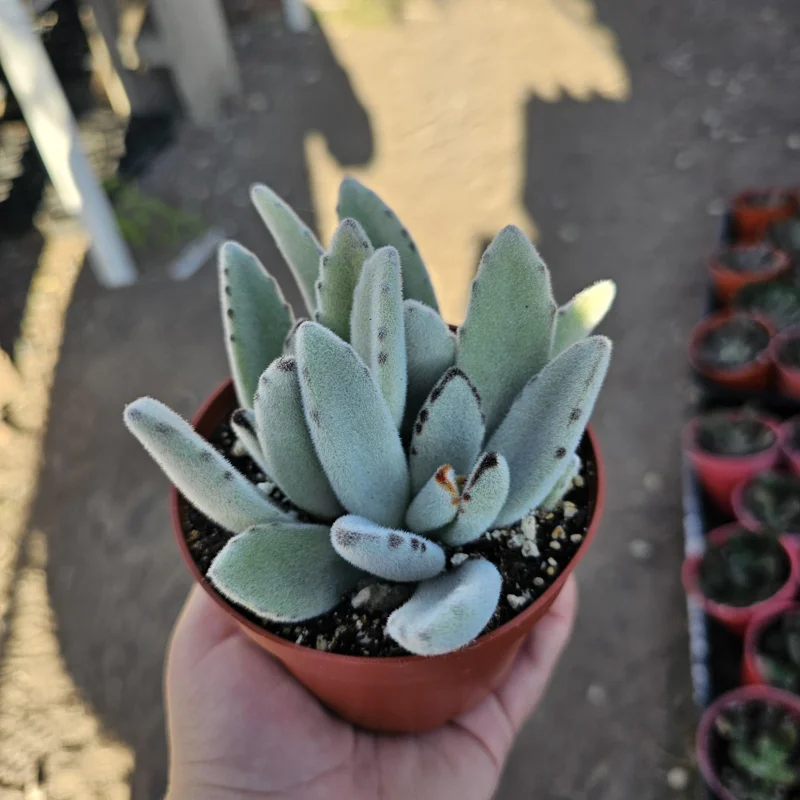
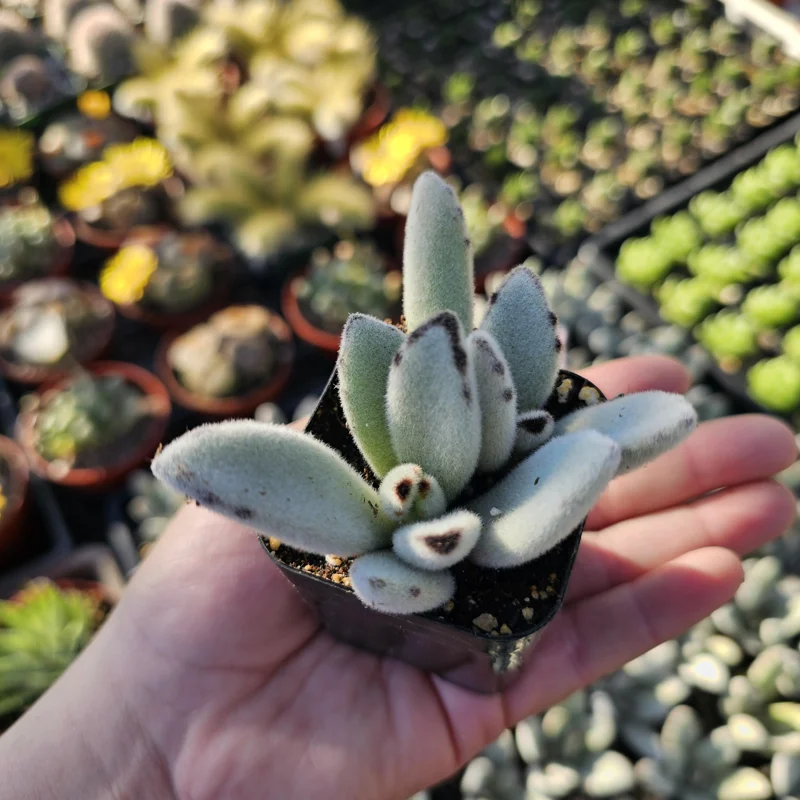
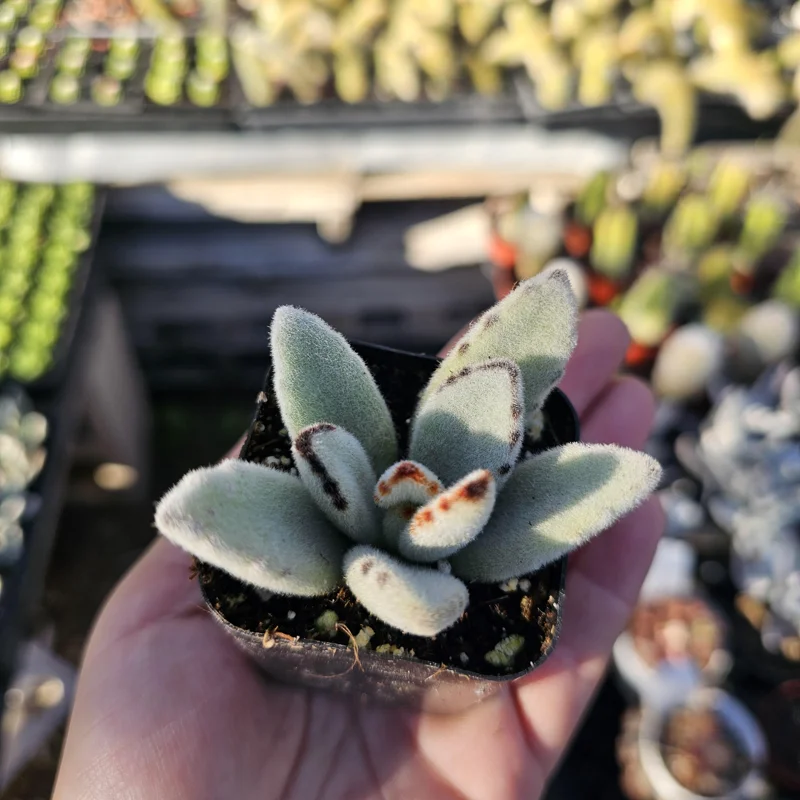
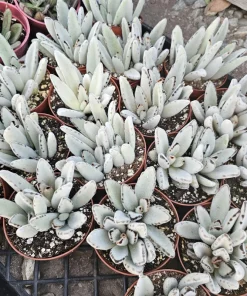
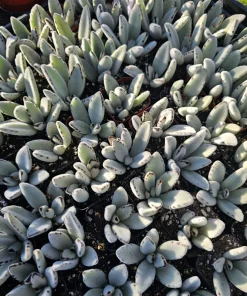
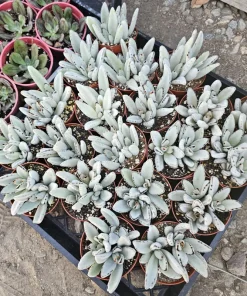
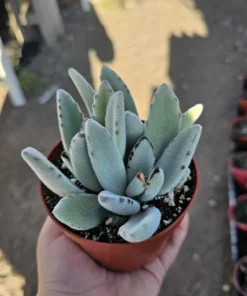
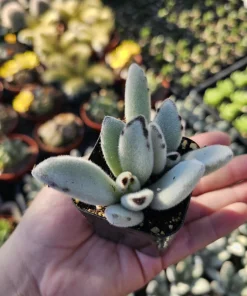
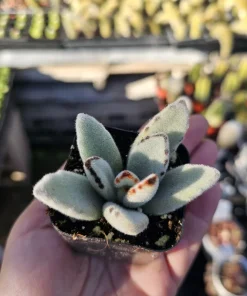
Kalanchoe Tomentosa Panda Plant Live Succulent | 2in or 4in Pot | Indoor
Original price was: $46.99.$21.99Current price is: $21.99.
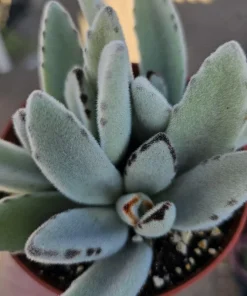
Bring home a unique and charming kalanchoe tomentosa panda plant! This rare succulent plant is known for its distinctive fuzzy, silvery-green leaves with brown tips, resembling a panda’s fur. It’s an ideal indoor succulent care choice for collectors and beginners alike.
Estimated arrival
Oct 15
Oct 20 - Oct 22
Oct 25 - Oct 29
Shop With Confidence
30-Day Plant Health Guarantee
Arrives damaged? We’ll replace it free — see our return policy.
Responsive Support
Email us anytime, we reply within 1 business day.
Expert Packaging
Temperature-controlled shipping to protect your plants in transit.
Secure Checkout
Pay safely with Visa, Mastercard, PayPal.
Plant Specifications
-
USDA Hardiness Zone
USDA zones 9-11 (outdoors) or year-round indoors -
Soil Type
Well-draining succulent or cactus potting mix -
Sunlight Exposure
Bright indirect light -
Expected Planting Period
Year-round indoors
Overview
The kalanchoe tomentosa panda plant is a truly captivating succulent, celebrated for its velvety, soft foliage that invites touch. Also known as the Panda Plant or Pussy Ears, this species of Kalanchoe features thick, oval-shaped leaves covered in fine, silvery-white hairs, often tipped with rusty brown markings along the edges. Originating from Madagascar, this unique succulent is a fantastic addition to any indoor plant collection, offering a striking textural contrast and an easy-care nature. As a live plant, it arrives ready to thrive in your home, bringing a touch of exotic beauty and a calming presence to your living space. Its compact growth habit makes it suitable for windowsills, desks, or as part of a succulent arrangement.
The Kalanchoe Tomentosa is a slow-growing plant, making it perfect for those who appreciate low-maintenance greenery. Its distinctive appearance, resembling the soft fur of a panda, has made it a favorite among succulent enthusiasts and those looking for a unique botanical accent. This particular offering provides a healthy, vibrant specimen, carefully cultivated to ensure its readiness for its new home. Embrace the charm of this panda plant succulent and enjoy its distinctive beauty.
Key Benefits
The kalanchoe tomentosa panda plant offers numerous advantages, making it a highly desirable addition to any home or office environment. Its unique aesthetics and hardy nature contribute to a rewarding plant ownership experience.
- Unique Aesthetic Appeal: The velvety, fuzzy leaves with their characteristic brown tips make the Panda Plant a visually and texturally interesting succulent. It stands out among other plants and adds a touch of whimsy to any decor.
- Low Maintenance: This succulent is incredibly forgiving and requires minimal attention, making it perfect for busy individuals or those new to plant care. Its drought-tolerant nature means less frequent watering.
- Air Purification: Like many houseplants, the kalanchoe tomentosa panda plant can help improve indoor air quality by absorbing toxins and releasing oxygen, contributing to a healthier living environment.
- Compact Size: With its moderate growth and compact form, the Panda Plant is ideal for small spaces, such as apartment living, office desks, or windowsills, without taking up too much room.
- Drought Tolerant: Adapted to arid conditions, this rare succulent plant can go for extended periods without water, making it resilient and easy to care for if you tend to forget to water.
- Pet-Friendly (with caution): While not entirely non-toxic, many sources list Kalanchoe tomentosa as less toxic than other Kalanchoe varieties. However, it’s always best to keep plants out of reach of pets to prevent any issues.
- Propagates Easily: For those interested in expanding their collection, the Panda Plant is relatively easy to propagate from leaf cuttings, allowing you to share its unique beauty with friends and family.
Plant Care & Growing Tips
Caring for your kalanchoe tomentosa panda plant is straightforward, making it an excellent choice for both novice and experienced plant parents. Providing the right conditions will ensure your panda plant succulent thrives and maintains its distinctive fuzzy appearance.
Sunlight Requirements: The Panda Plant thrives in bright, indirect light. Place it near a south- or west-facing window where it can receive several hours of bright light daily. Direct, intense afternoon sun can scorch its delicate fuzzy leaves, so some protection during the hottest parts of the day is beneficial. If grown outdoors in suitable climates, partial shade is often preferred, especially in hot summer regions. Insufficient light may lead to leggy growth and less vibrant leaf coloration.
Watering Schedule and Soil Moisture: As a succulent, the Kalanchoe Tomentosa is highly susceptible to overwatering. Allow the soil to dry out completely between waterings. A good rule of thumb is to water thoroughly until water drains from the bottom of the pot, then wait until the soil is dry to the touch, usually several inches deep, before watering again. During winter dormancy, reduce watering frequency significantly. Ensure your pot has drainage holes to prevent waterlogged roots, which can quickly lead to root rot. This approach is key to successful indoor succulent care.
Soil Type and Drainage: A well-draining soil mix is crucial for the health of your rare succulent plant. Use a specialized succulent and cactus potting mix, or amend regular potting soil with perlite, pumice, or coarse sand to improve drainage. This prevents water from sitting around the roots, which is detrimental to succulents. The ideal pH for Kalanchoe Tomentosa is slightly acidic to neutral.
Temperature Range and USDA Hardiness Zone: The Panda Plant prefers warm temperatures, ideally between 60-75°F (15-24°C). It is not frost-tolerant and should be protected from temperatures below 50°F (10°C). If grown outdoors, it is generally suited for USDA zones 9-11. In colder climates, it is best grown as an indoor houseplant, moved outdoors only during the warmest months.
Fertilization: Fertilize sparingly during the active growing season (spring and summer) with a balanced, diluted liquid fertilizer formulated for succulents or cacti. Over-fertilization can harm the plant. Avoid fertilizing during fall and winter when the plant’s growth naturally slows down. This helps maintain the health of your fuzzy kalanchoe without overstimulating it.
Common Problems and Solutions: The most common issue for kalanchoe tomentosa panda plant is root rot due to overwatering. Ensure proper drainage and allow soil to dry completely. Pests like mealybugs can occasionally be a problem; treat with insecticidal soap or neem oil. Leggy growth indicates insufficient light, so move your plant to a brighter location.
Size & Details
This kalanchoe tomentosa panda plant is offered as a live, rooted specimen, ready for immediate enjoyment. Available in either a 2-inch or 4-inch nursery pot, providing options for various display preferences and growth stages. The plant typically reaches a mature height of 1 to 2 feet and a similar spread, though its growth is slow, making it manageable for indoor environments. It ships in its original nursery grow pot, ensuring minimal transplant shock upon arrival. The exact size and fullness may vary slightly due to natural plant growth, but each plant is selected to be healthy and representative of the species.
The fuzzy leaves of the Panda Plant are its most distinctive feature, offering a unique texture and visual appeal. Expect healthy foliage and a well-established root system. With proper care, this succulent will continue to develop its characteristic appearance, becoming a cherished part of your plant collection. It does not produce showy flowers, but its foliage is the main attraction, providing year-round interest.
Frequently Asked Questions
- Q: How big does this kalanchoe tomentosa panda plant get? A: The Panda Plant typically grows to a height of 1 to 2 feet and a similar spread, though it is a slow grower. Its compact nature makes it ideal for indoor spaces.
- Q: What size pot does it come in? A: This panda plant succulent is available in either a 2-inch or 4-inch nursery pot, depending on your selection.
- Q: Is this an indoor or outdoor plant? A: While it can be grown outdoors in warm climates (USDA zones 9-11), the Kalanchoe Tomentosa is primarily cultivated as an indoor houseplant in most regions due to its sensitivity to cold.
- Q: How much sunlight does it need? A: It thrives in bright, indirect light. Place it near a window where it can receive plenty of light without harsh, direct afternoon sun, which can scorch its leaves.
- Q: Is this plant easy to care for? A: Yes, the Kalanchoe Tomentosa is considered a very easy-care succulent, making it suitable for beginners. Its drought tolerance and minimal needs simplify its maintenance.
- Q: How often should I water my fuzzy kalanchoe? A: Water only when the soil has completely dried out. Overwatering is the biggest threat to this succulent. Reduce watering significantly during the cooler, dormant months.
- Q: What kind of soil is best for this rare succulent plant? A: A well-draining succulent or cactus potting mix is essential to prevent root rot. You can also amend regular potting soil with perlite or coarse sand for better drainage.
- Q: Is the Kalanchoe Tomentosa pet-safe? A: While generally considered less toxic than some other Kalanchoe varieties, it’s always best to keep plants out of reach of pets to avoid any potential issues.
- Q: When is the best time to repot my Panda Plant? A: Repotting is typically needed every 1-2 years or when the plant outgrows its current container. The best time to repot is during the spring or early summer.
- Q: Why are the tips of my Panda Plant’s leaves brown? A: The brown tips are a natural and characteristic feature of the Kalanchoe Tomentosa, not a sign of distress. They add to its unique charm.
| Option | 2In Pot, 4In Pot |
|---|---|
| Bundle Option | 1, Bundle Of 2, Bundle Of 3 |
Be the first to review “Kalanchoe Tomentosa Panda Plant Live Succulent | 2in or 4in Pot | Indoor”
People Also Viewed
Flower Seeds
Reviews
There are no reviews yet.