
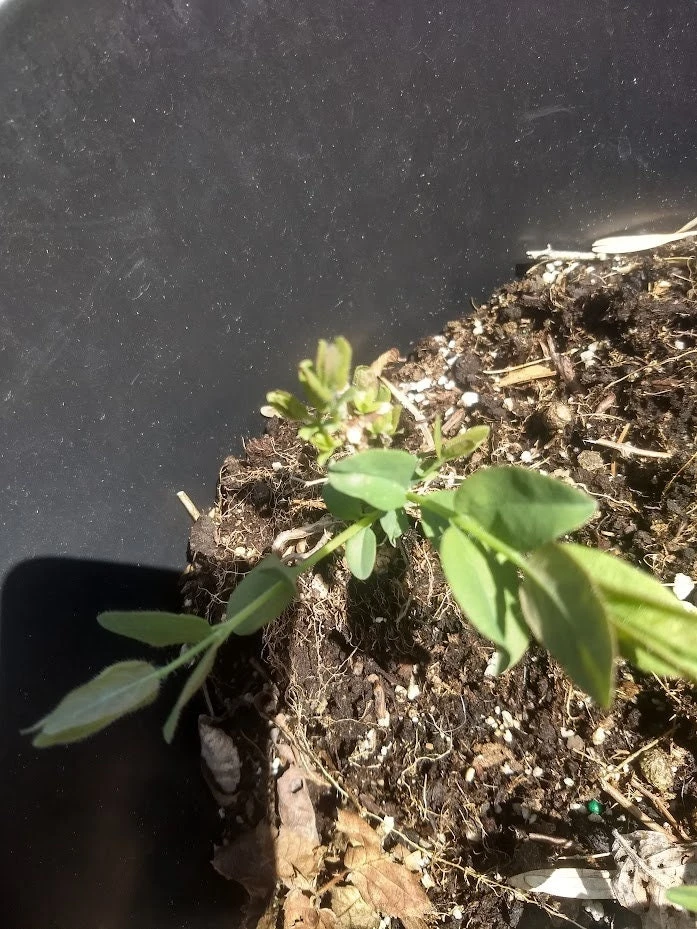
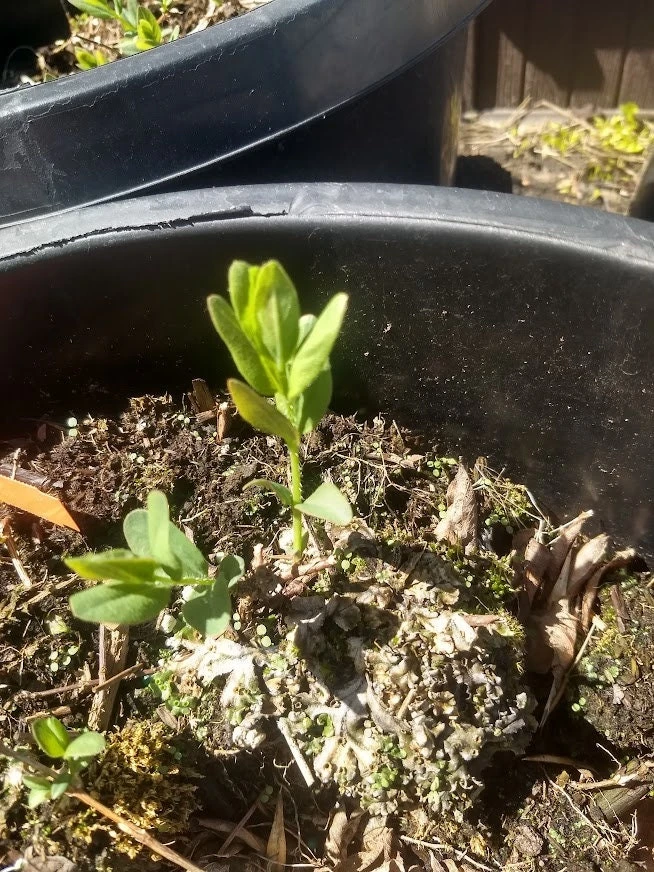
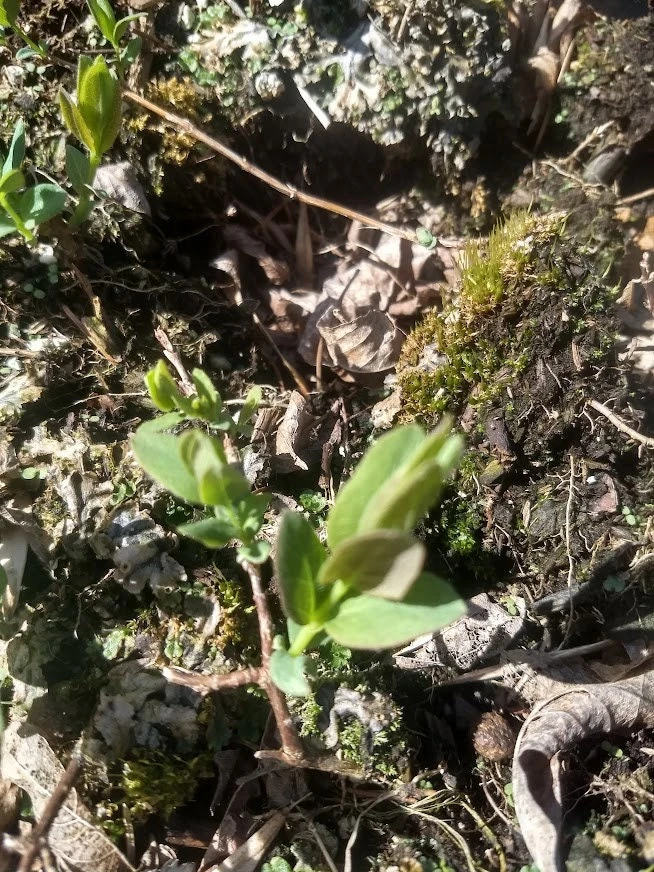
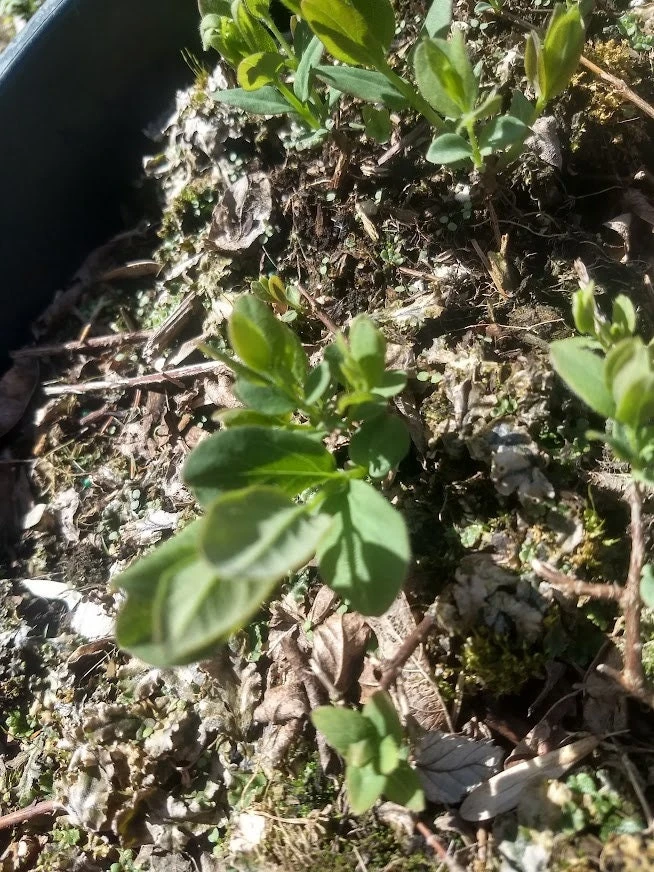
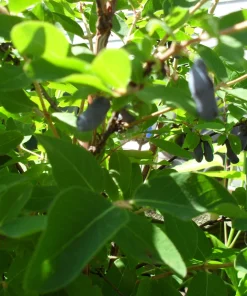
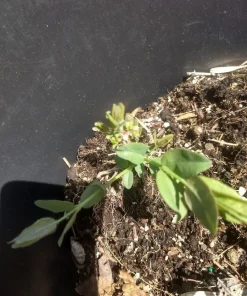
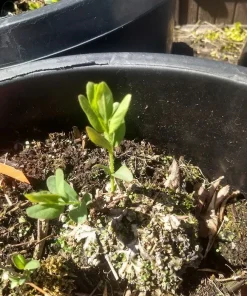
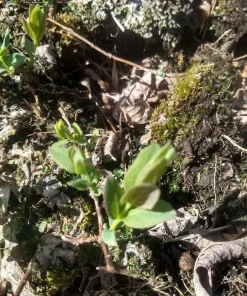
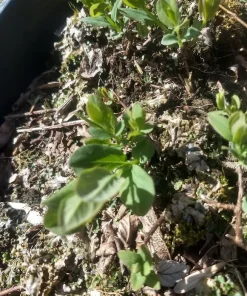
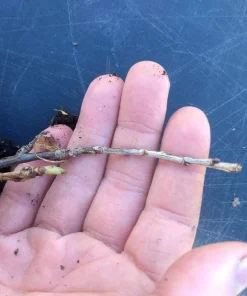
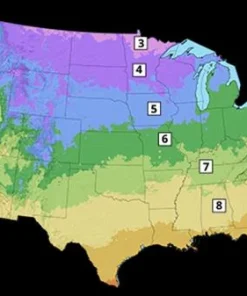
Honeyberry Czech 17 Live Plant – Edible Shrub, 5-6 ft Tall, Zones 2-8
Original price was: $64.99.$49.99Current price is: $49.99.
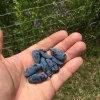
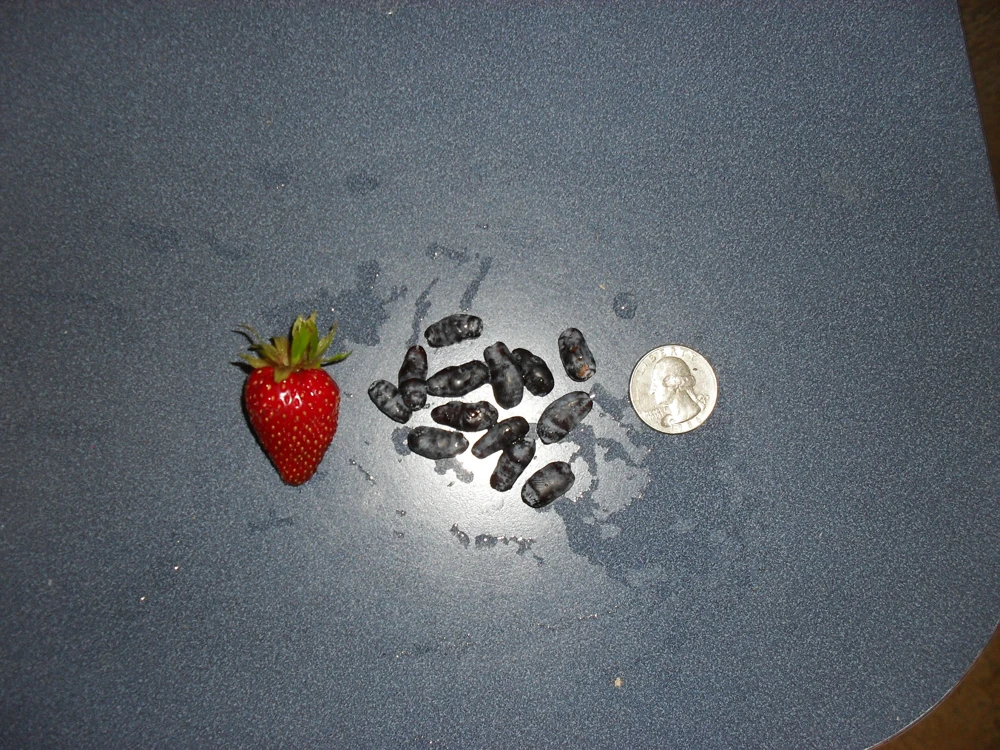
Cultivate your own delicious berries with this honeyberry live plant. The Czech 17 honeyberry is an edible honeysuckle shrub, perfect for gardens in USDA Zones 2-8. Produces sweet, blueberry-like fruit and acts as an excellent pollinator.
Estimated arrival
Sep 17
Sep 22 - Sep 24
Sep 27 - Oct 01
Shop With Confidence
30-Day Plant Health Guarantee
Arrives damaged? We’ll replace it free — see our return policy.
Responsive Support
Email us anytime, we reply within 1 business day.
Expert Packaging
Temperature-controlled shipping to protect your plants in transit.
Secure Checkout
Pay safely with Visa, Mastercard, PayPal.
Plant Specifications
-
USDA Hardiness Zone
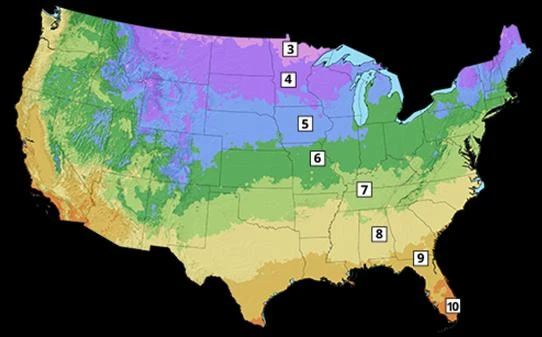
USDA Zones 2-8 -
Soil Type
Well-draining soil; tolerant of clay soil -
Sunlight Exposure
Full sun to partial shade -
Expected Planting Period
Spring to early summer
Overview
Bring the joy of home-grown, sweet berries to your garden with this exceptional honeyberry live plant. Specifically, you’ll receive a starter plant of the ‘Czech 17’ variety, a robust and fruitful edible honeysuckle (Lonicera caerulea) renowned for its abundant yields and delicious flavor. This particular cultivar is celebrated not only for its tasty, blueberry-like fruit but also for its exceptional pollinating capabilities, making it an ideal companion for other Haskap varieties. Unlike blueberries, Czech 17 honeyberry plants are highly adaptable and do not require acidic soil, thriving in a wider range of soil conditions, including clay.
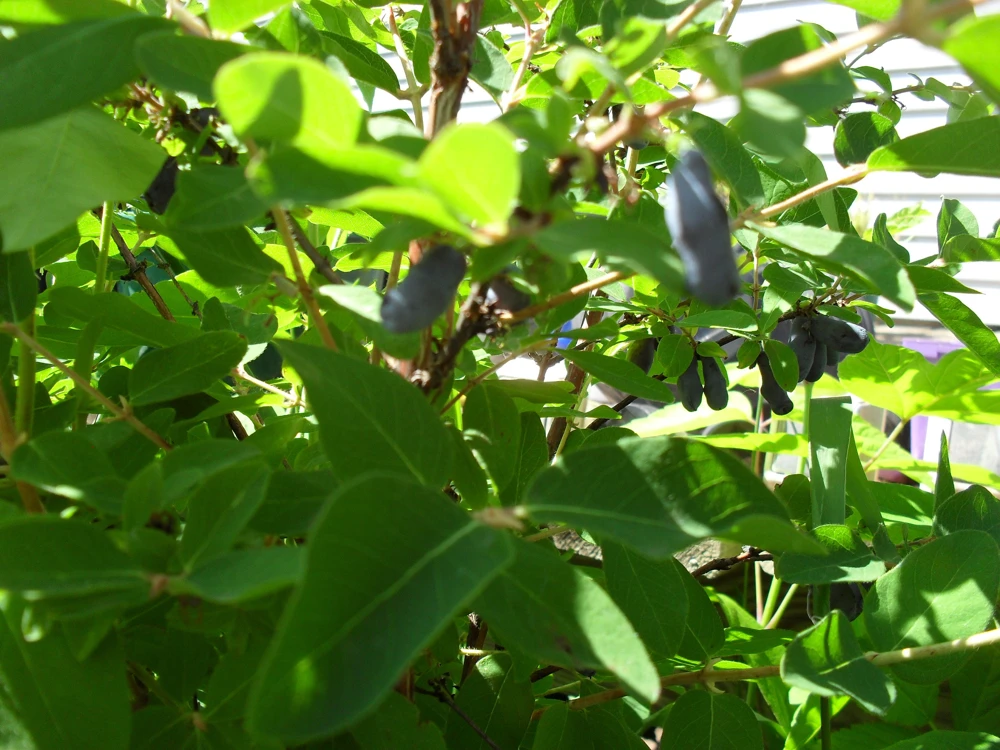
The honeyberry live plant grows into a compact shrub, typically reaching 5-6 feet in height, making it a manageable and attractive addition to any landscape. It promises a generous harvest of berries, often fruiting for more than six weeks starting in early summer. These berries are versatile, perfect for eating fresh, cooking, making juices, or adding to drinks. This hardy shrub is suitable for a wide range of climates, flourishing in USDA Zones 2-8, and is a fantastic choice for gardeners seeking a low-maintenance, high-yield fruit bush.
Key Benefits
Adding a honeyberry live plant to your garden offers numerous advantages, from delicious harvests to ecological benefits. Here are some of the standout reasons to choose the ‘Czech 17’ variety:
- Abundant Edible Fruit: Enjoy a prolific harvest of sweet, tangy berries that are noticeably similar to blueberries but with their own unique flavor profile. These berries are perfect for fresh eating, baking, preserves, or juicing.
- Excellent Pollinator: The ‘Czech 17’ is known for its abundant flowers and long blooming period, making it an outstanding pollinator for other Haskap and honeyberry cultivars, ensuring better fruit set across your entire planting.
- Adaptable Soil Requirements: Unlike blueberries, this edible honeysuckle plant does not require acidic soil. It thrives in normal garden soils, including clay, simplifying cultivation and expanding planting possibilities.
- Cold Hardiness: Exceptionally resilient, this shrub is hardy in USDA Zones 2-8, making it a reliable choice for gardens in colder climates where other fruit bushes might struggle.
- Low Maintenance: Once established, honeyberry shrubs are relatively low-maintenance. They are naturally resistant to many pests and diseases, requiring minimal intervention for healthy growth and abundant fruiting.
- Compact Growth Habit: Growing to a mature height of 5-6 feet, this shrub maintains a manageable size, making it suitable for smaller gardens, edible landscapes, or even large containers.
- Early Fruiting: Experience the joy of harvesting berries early in the season, often for more than six weeks starting in early summer, extending your fresh fruit availability.
Plant Care & Growing Tips
Caring for your honeyberry live plant is straightforward, ensuring years of delicious harvests. These shrubs are quite resilient and adaptable, making them a great choice for both novice and experienced gardeners. For optimal growth and fruiting, ensure your plant receives adequate sunlight. Honeyberries thrive in full sun to partial shade, meaning at least 6 hours of direct sunlight per day is ideal. While they can tolerate some shade, more sun generally leads to better fruit production.
When it comes to watering, consistent moisture is key, especially during dry spells and when the plant is establishing. Water deeply and regularly, ensuring the soil remains moist but not waterlogged. Good drainage is crucial, though honeyberries are more tolerant of various soil types than many other fruit bushes. They do well in loamy, well-draining soil, but as mentioned, they can also perform admirably in clay soils. Fertilize in early spring with a balanced, slow-release fertilizer or a compost amendment to support vigorous growth and fruit development. Pruning is generally minimal, focused on removing dead or crossing branches to maintain an open structure and encourage air circulation. The hardiness of this edible honeysuckle plant in USDA Zones 2-8 means it can withstand significant winter cold, making it a robust choice for many regions. To ensure fruit set, remember that honeyberries require cross-pollination; plant at least two different varieties for best results.
Size & Details
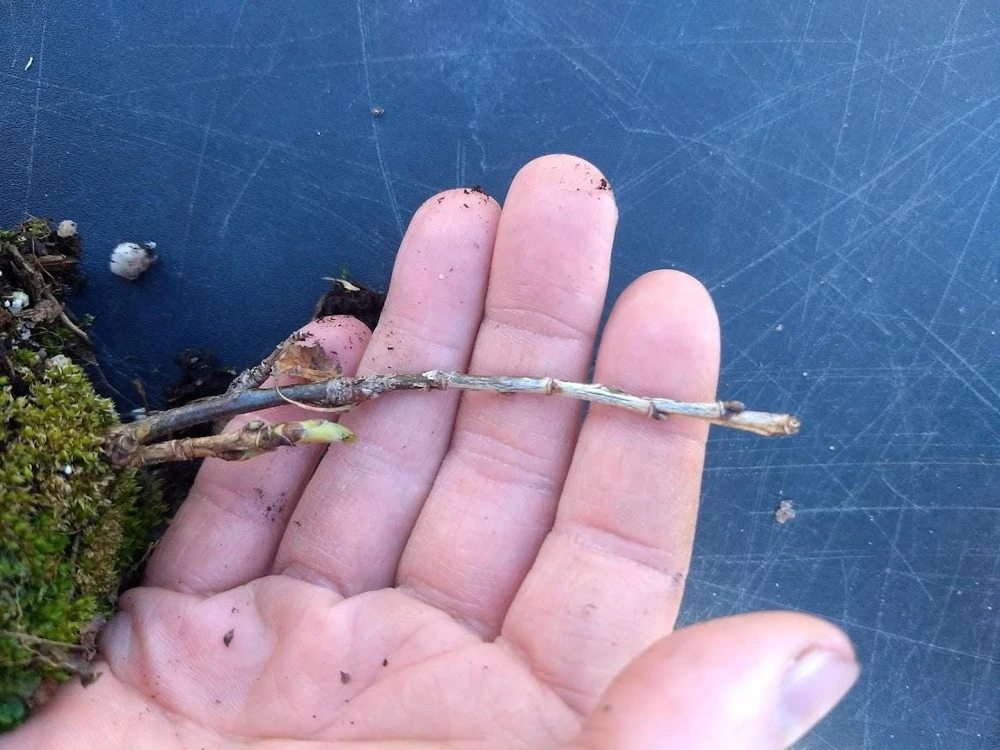
This offering is for one rooted starter honeyberry live plant of the ‘Czech 17’ variety. Upon arrival, your plant will be carefully prepared for shipping, often with its growing pot removed to protect it during transit. These young plants are ready to be established in your garden and will grow quickly with proper care. The ‘Czech 17’ cultivar is expected to reach a mature height of 5-6 feet, forming a compact and attractive shrub. While individual plant sizes may vary slightly upon shipment (as they are living organisms and continuously growing), you can anticipate a healthy, viable starter plant that will quickly establish itself.
With good care, your Czech 17 honeyberry should begin fruiting next year after planting, providing a delightful early summer harvest for many years to come. Remember that cross-pollination is essential for fruit production, so ensure you have another honeyberry variety planted nearby. These plants are grown naturally without harsh chemicals or pesticides, ensuring a healthy start for your edible garden. They are shipped in a manner designed to protect the plant from damage, ensuring it arrives in the best possible condition, ready for planting.
Frequently Asked Questions
- Q: How big does this honeyberry live plant get? A: The ‘Czech 17’ honeyberry typically grows into a compact shrub, reaching a mature height of approximately 5-6 feet tall and a similar spread. Its moderate size makes it suitable for various garden spaces.
- Q: Is this an indoor or outdoor plant? A: This is an outdoor fruiting shrub. The edible honeysuckle plant is very cold-hardy and thrives in garden settings within USDA Zones 2-8, where it can receive adequate sunlight and chilling hours for fruit production.
- Q: How much sunlight does it need? A: For the best fruit production, the ‘Czech 17’ honeyberry requires full sun to partial shade, ideally receiving at least 6 hours of direct sunlight per day. More sun usually means a more abundant harvest.
- Q: Is this plant easy to care for? A: Yes, honeyberry shrubs are generally considered low-maintenance. They are hardy, adaptable to various soils (unlike blueberries), and relatively resistant to pests and diseases, making them a great choice for beginners and experienced gardeners alike.
- Q: What condition will it arrive in? A: You will receive one rooted starter plant. It will be carefully packaged in a box to protect it during transit, often with its growing pot removed to minimize stress and ensure safe delivery.
- Q: When is the best time to plant a Czech 17 honeyberry? A: The best time to plant honeyberries is in early spring or fall when temperatures are moderate. This allows the plant to establish its root system before the stress of extreme heat or cold.
- Q: Can I grow this honeyberry shrub care in clay soil? A: Yes, one of the advantages of honeyberries is their adaptability. While they prefer well-draining soil, the ‘Czech 17’ can successfully grow in normal soils, including clay, without requiring acidic conditions like blueberries.
- Q: Do I need more than one honeyberry plant to get fruit? A: Yes, honeyberries require cross-pollination to produce fruit. You will need to plant at least two different honeyberry varieties (e.g., ‘Czech 17’ and another suitable pollinator) for a successful harvest.
- Q: How long until it starts producing berries? A: With proper care, your starter plant should begin to fruit the year after planting, offering its first delicious harvest in early summer.
- Q: Is this plant grown organically? A: The plants are grown naturally without chemicals or pesticides, ensuring you receive a healthy, clean start for your garden.
Be the first to review “Honeyberry Czech 17 Live Plant – Edible Shrub, 5-6 ft Tall, Zones 2-8”
People Also Viewed
Vegetable Seeds
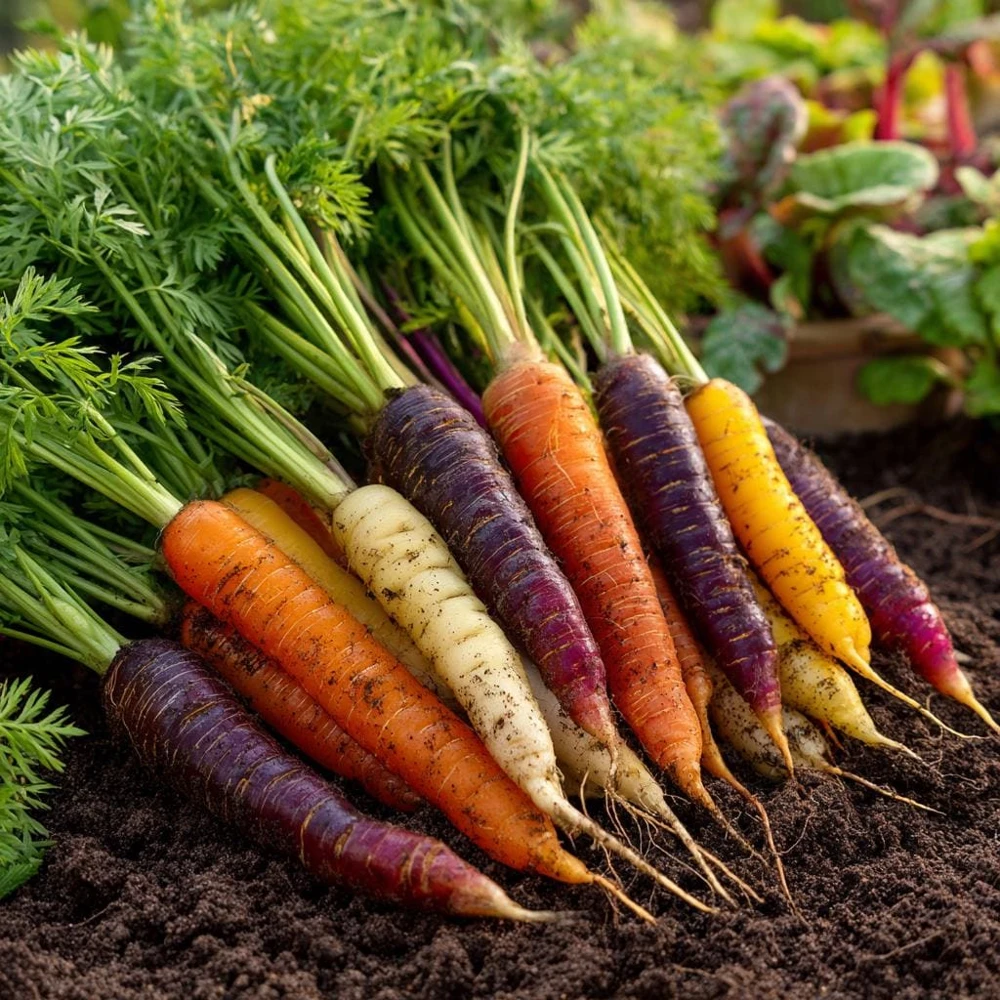
Rainbow Carrot Seeds – Heirloom Mix – 150 Seeds for Colorful Gardens – Vegetable Seeds
Vegetable Seeds
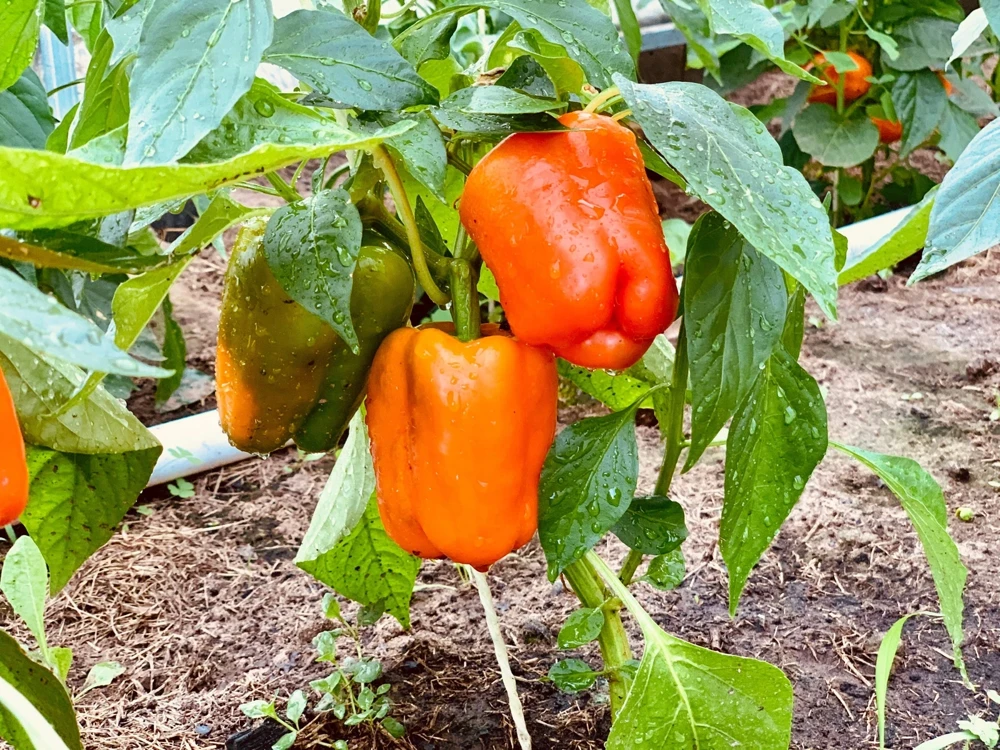
50 Orange Sun Bell Pepper Seeds – Sweet Capsicum Vegetable Seeds
Reviews
There are no reviews yet.