

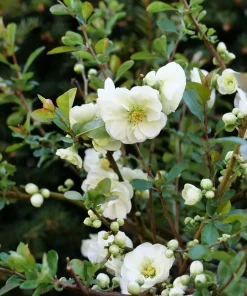
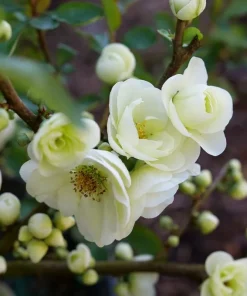

Flowering Quince Live Plant – Eternal White Shrub – 4 inch Pot – Outdoor
Original price was: $54.99.$44.99Current price is: $44.99.
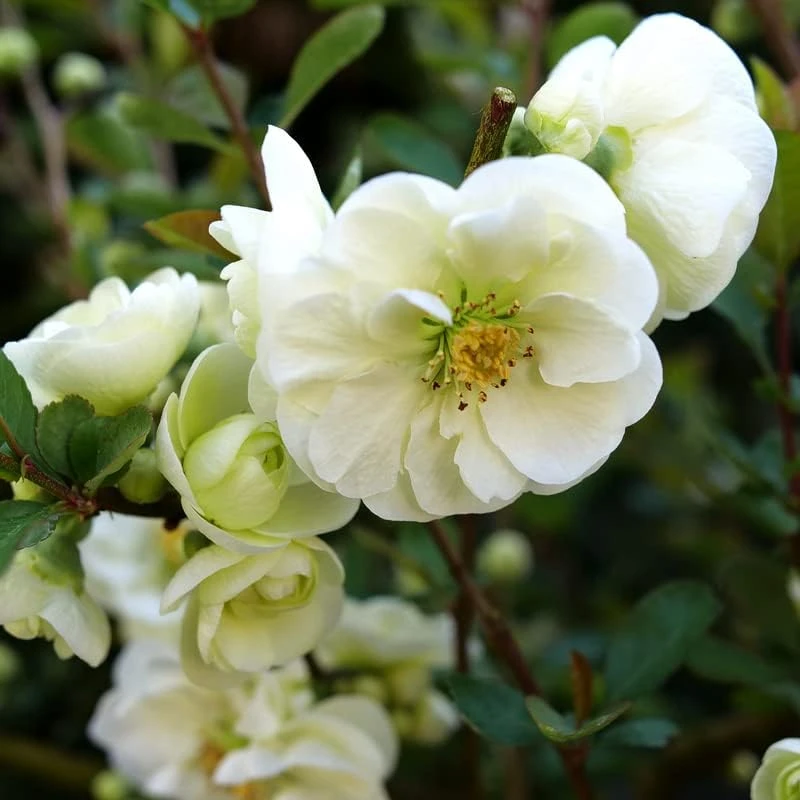
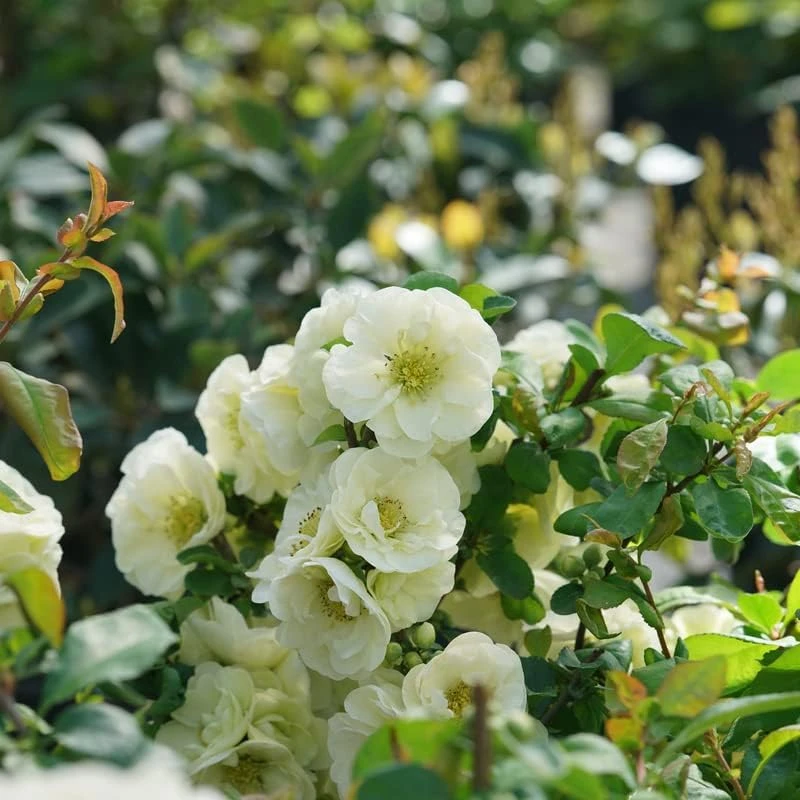
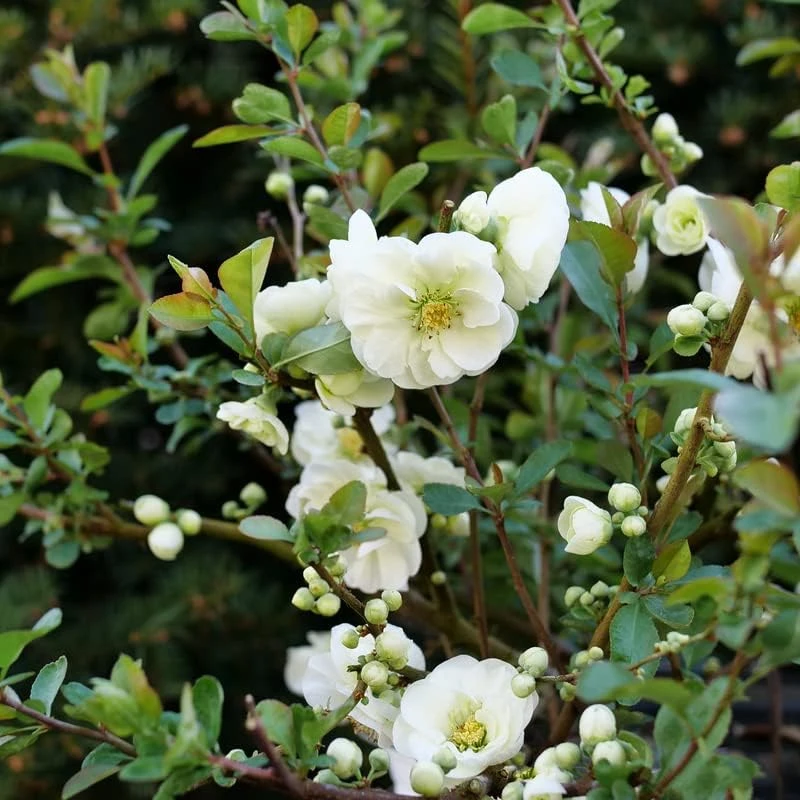
Introduce the stunning flowering quince live plant to your garden. This eternal white quince is a continuously blooming, thornless shrub featuring large, double white flowers that provide visual impact from spring through early autumn. Ideal for creating a vibrant landscape accent. Comes in a 4 inch pot.
Estimated arrival
Sep 29
Oct 04 - Oct 06
Oct 09 - Oct 13
Shop With Confidence
30-Day Plant Health Guarantee
Arrives damaged? We’ll replace it free — see our return policy.
Responsive Support
Email us anytime, we reply within 1 business day.
Expert Packaging
Temperature-controlled shipping to protect your plants in transit.
Secure Checkout
Pay safely with Visa, Mastercard, PayPal.
Plant Specifications
-
USDA Hardiness Zone
USDA Zones 5-9 -
Soil Type
Well-draining loam -
Sunlight Exposure
Full sun to partial sun -
Expected Planting Period
Mid-spring to early summer
Overview
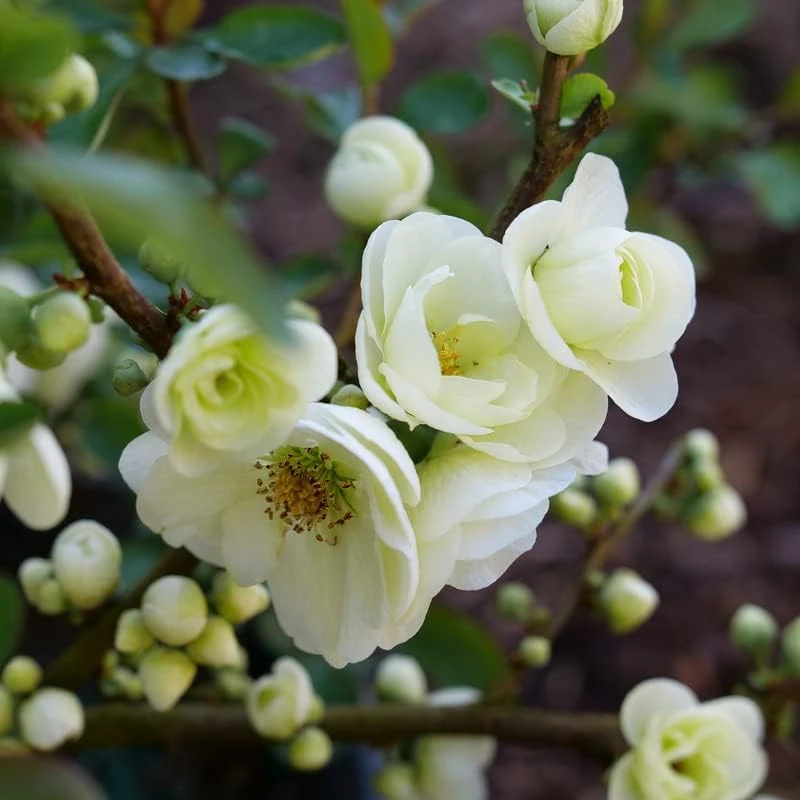
Transform your garden with the exquisite flowering quince live plant, a magnificent addition for any landscape enthusiast. This particular variety, known as eternal white quince, stands out with its remarkable continuous blooming nature and thornless branches, making it a joy to cultivate. Unlike traditional quinces, this plant showcases large, double white flowers that emerge in spring and persist for an extended period, often into early autumn. The blooms initially appear with a hint of lime before maturing to a pristine pure white, creating a striking contrast against its dark green foliage. This shrub is not only visually appealing but also a functional choice for various garden designs, offering a lower and wider growth habit compared to other varieties of Chaenomeles speciosa. It’s an ideal choice for those seeking prolonged floral display and easy maintenance in their outdoor spaces.
Key Benefits
The flowering quince live plant offers a multitude of advantages, making it a prime selection for enhancing your garden’s beauty and appeal. Its unique characteristics contribute to a vibrant and dynamic landscape throughout the growing season.
- Extended Bloom Time: Enjoy months of spectacular blooms, as this eternal white quince is celebrated for being the longest-blooming flowering quince on the market, providing continuous visual interest from mid-spring to early autumn.
- Stunning Double White Flowers: The large, camellia-like double white flowers are a true showstopper, opening with a delicate lime tint before transforming into pure white, creating a sophisticated and elegant display.
- Thornless Variety: Unlike many other quinces, this variety is thornless, making it safer and more pleasant to handle during planting and maintenance, especially in areas with high foot traffic.
- Versatile Landscape Use: Its lower and wider growth habit makes it incredibly versatile, suitable for various landscape applications such as borders, mass plantings, or as a focal point in smaller gardens.
- Attractive Foliage: The deep green foliage provides a beautiful backdrop for the white blooms, ensuring the plant remains attractive even when not in full flower.
- Hardy and Resilient: Thrives in USDA Zones 5-9, demonstrating excellent hardiness and adaptability to a range of climates, ensuring your investment flourishes year after year.
- Low Maintenance: Once established, this thornless quince requires minimal care, making it an excellent choice for both experienced gardeners and those new to horticulture.
Plant Care & Growing Tips
Caring for your flowering quince live plant is straightforward, ensuring years of beautiful blooms. This robust shrub is quite adaptable, but providing the right conditions will maximize its growth and flowering potential. For optimal performance, ensure it receives adequate sunlight and appropriate soil conditions.
When it comes to sunlight, the eternal white quince prefers full sun to partial sun. Full sun exposure (at least 6 hours of direct sunlight per day) will encourage the most prolific flowering. In hotter climates, some afternoon shade can be beneficial to protect the plant from intense heat. For watering, aim for consistently moist but not waterlogged soil, especially during its establishment period. Once mature, it becomes more drought-tolerant, but regular watering during dry spells will support continuous blooming. The ideal soil type is a well-draining loam. While adaptable to various soil conditions, good drainage is crucial to prevent root rot. Incorporating organic matter at planting time can improve soil structure and fertility.
This Chaenomeles speciosa variety is hardy in USDA Zones 5-9, tolerating a wide range of temperatures. Fertilize in early spring with a balanced slow-release granular fertilizer to support vigorous growth and abundant flowers. Pruning is best done after the spring bloom to shape the plant and remove any dead or crossing branches. While generally pest and disease resistant, monitor for common garden issues and address them promptly. Proper air circulation around the plant can help prevent fungal problems. This white blooming shrub is a resilient choice for a low-maintenance, high-impact garden.
Size & Details
This flowering quince live plant is shipped in a 4 inch nursery pot, ready for planting in your garden. At maturity, this shrub typically reaches a height of 36-48 inches (3-4 feet) with a spread of 48-60 inches (4-5 feet), forming a lovely, rounded mound. Its growth rate is moderate, allowing it to establish well within a few seasons. The continuous bloom cycle begins in mid-spring and can extend well into early autumn, offering an exceptionally long period of floral display. This particular variety is known for its lower and wider growth habit, making it an excellent choice for groundcover, borders, or as an accent plant. It is a robust and healthy specimen, ensuring a strong start in your landscape.
Frequently Asked Questions
- Q: How big does this flowering quince live plant get? A: At maturity, this shrub typically reaches a height of 36-48 inches (3-4 feet) and spreads 48-60 inches (4-5 feet), forming a dense, rounded shape.
- Q: What size pot does it come in? A: This eternal white quince is shipped in a 4 inch nursery pot, providing a healthy root system for successful transplanting.
- Q: Is this an indoor or outdoor plant? A: This is an outdoor shrub, perfectly suited for garden beds, borders, and landscape plantings in USDA Zones 5-9.
- Q: How much sunlight does it need? A: For the best flowering performance, this Chaenomeles speciosa prefers full sun to partial sun, ideally at least 6 hours of direct sunlight per day.
- Q: Is this plant easy to care for? A: Yes, once established, this thornless quince is remarkably low-maintenance, requiring minimal attention beyond occasional watering during dry spells and post-bloom pruning.
- Q: What condition will it arrive in? A: Your white blooming shrub will arrive as a healthy, live plant in a nursery pot, carefully packaged to ensure its safe journey.
- Q: How long until it blooms? A: You can expect blooms from mid-spring, and this continuous bloomer will keep producing flowers well into early autumn.
- Q: When is the best time to plant? A: Spring or early fall are generally the best times to plant this flowering quince, allowing it to establish its root system before extreme temperatures.
- Q: Will it survive winter in my zone? A: This plant is cold hardy and will thrive in USDA Zones 5-9, making it suitable for many temperate climates.
- Q: Is it pet-safe? A: While specific toxicity information for this variety may vary, it’s generally best to prevent pets from ingesting any plant material unless confirmed safe.
Be the first to review “Flowering Quince Live Plant – Eternal White Shrub – 4 inch Pot – Outdoor”
People Also Viewed

Vegetables
2 Mix Live Pepper Plants for Garden or Container Growing, 3-6 Inch Tall Vegetable Starters
Vegetables
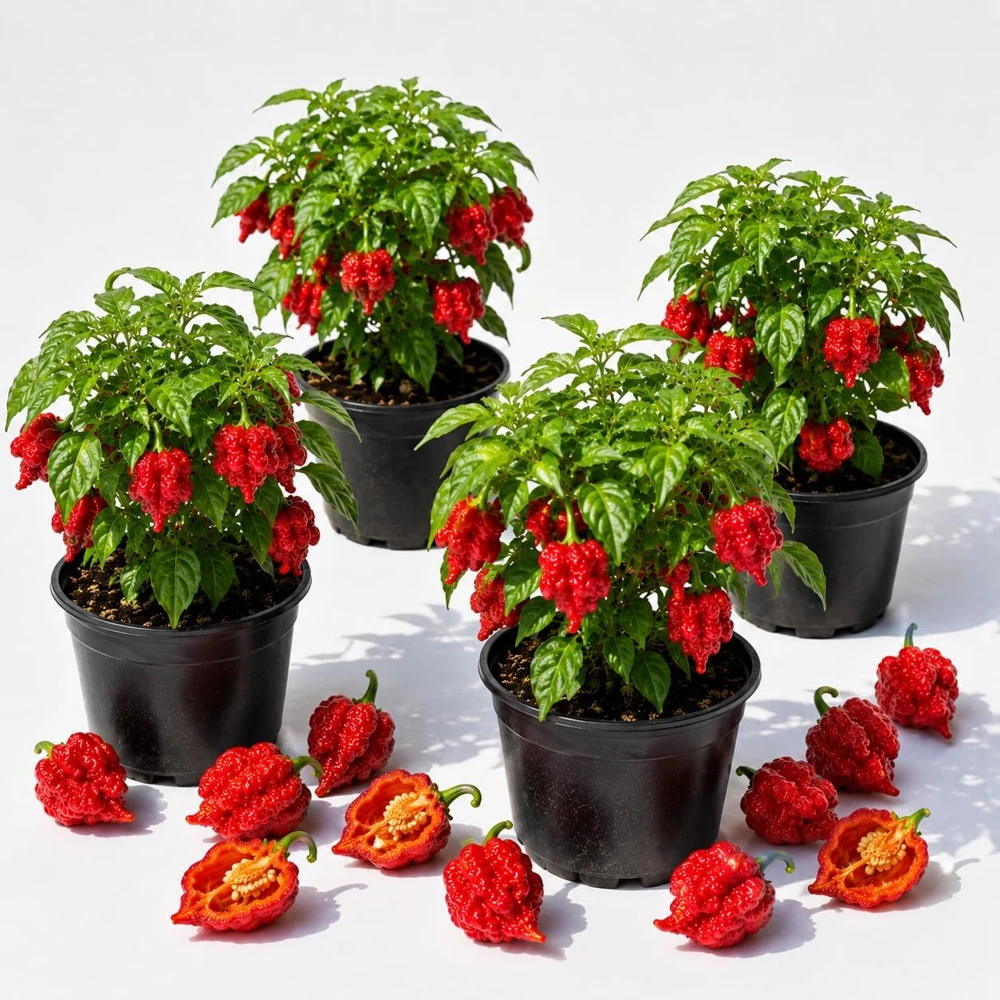
Set of 4 Carolina Reaper Pepper Live Plants, 4-6 Inch Tall Hot Chili Peppers for Planting
Uncategorized
Reviews
There are no reviews yet.