
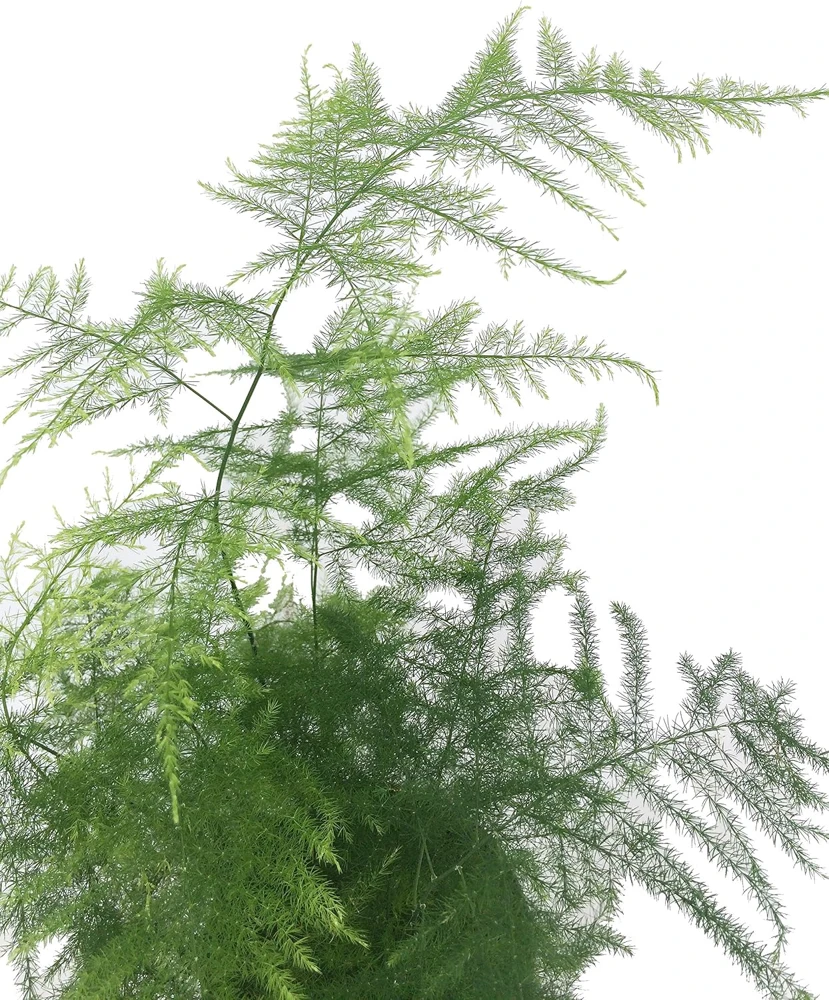
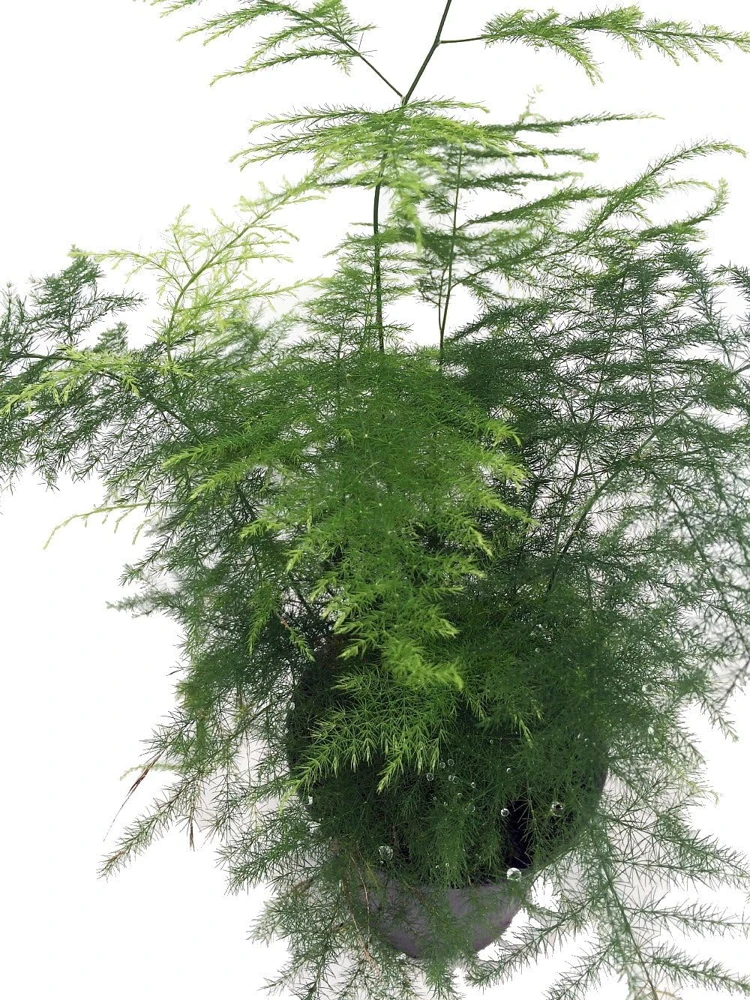
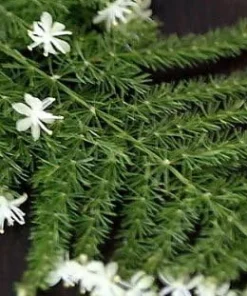
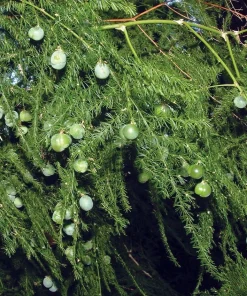
Fern Leaf Plumosus Asparagus Fern Live Plant – 2.5″ Pot – Indoor/Outdoor
Original price was: $34.99.$24.99Current price is: $24.99.
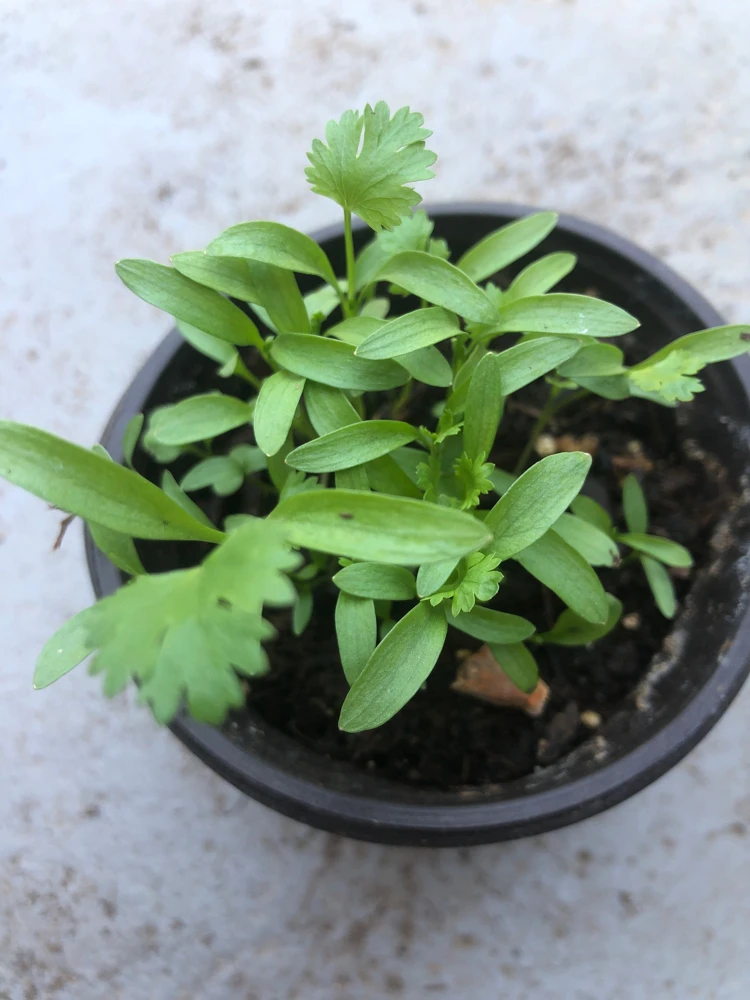
Bring a touch of delicate greenery into your home with the fern leaf asparagus fern. This 2.5-inch potted asparagus setaceus live plant, also known as plumosus fern plant or lace fern indoor, offers elegant, feathery foliage that thrives with bright, indirect light and regular watering, making it a beautiful ornamental choice.
Estimated arrival
Sep 28
Oct 03 - Oct 05
Oct 08 - Oct 12
Shop With Confidence
30-Day Plant Health Guarantee
Arrives damaged? We’ll replace it free — see our return policy.
Responsive Support
Email us anytime, we reply within 1 business day.
Expert Packaging
Temperature-controlled shipping to protect your plants in transit.
Secure Checkout
Pay safely with Visa, Mastercard, PayPal.
Plant Specifications
-
USDA Hardiness Zone
USDA zones 9-10, elsewhere patio or indoors -
Soil Type
Well-draining potting mix -
Sunlight Exposure
Morning sun or very bright indirect light -
Expected Planting Period
Year-round indoors, spring to autumn outdoors
Overview
Introduce a touch of whimsical elegance to your indoor or outdoor space with the stunning fern leaf asparagus fern. This beautiful asparagus setaceus live plant, commonly known as Common Asparagus Fern, Lace Fern, Climbing Asparagus, or Ferny Asparagus, is a delightful addition to any plant collection. Despite its common name, it is not a true fern but a member of the lily family, boasting delicate, fern-like foliage that creates a soft, airy texture. Native to Southern Africa, this ornamental plant is cherished for its lush, vibrant green appearance and ease of care. Perfect for hanging baskets, shelves, or as a graceful accent in mixed containers, the fern leaf asparagus fern offers year-round beauty and a refreshing natural aesthetic.
Our plumosus fern plant arrives in a convenient 2.5-inch pot, ready to adorn your home or patio. Its intricate, lacy leaves add a sophisticated touch, making it a favorite among plant enthusiasts and beginners alike. This versatile plant can be grown indoors as a charming houseplant or outdoors in warmer climates, providing a continuous display of verdant charm.
Key Benefits
The fern leaf asparagus fern offers a multitude of benefits, making it an excellent choice for enhancing your living environment. Its unique foliage and adaptability contribute to its widespread appeal, providing both aesthetic pleasure and practical advantages.
- Elegant Ornamental Appeal: The delicate, feathery fronds of the fern leaf asparagus fern create a soft, airy texture that adds an elegant and sophisticated touch to any room or garden setting. Its lush green color provides a calming presence.
- Versatile Placement: This plant thrives in various settings, from hanging baskets and decorative pots to terrariums or as a groundcover in suitable outdoor climates. Its adaptability makes it perfect for diverse interior design styles.
- Low Maintenance Care: Known for its relatively easy care requirements, the asparagus setaceus live plant is an ideal choice for both novice and experienced plant owners. It tolerates a range of conditions, making it forgiving for occasional neglect.
- Air-Purifying Qualities: Like many houseplants, the plumosus fern plant contributes to improved indoor air quality by absorbing common airborne toxins, helping to create a healthier and more refreshing atmosphere in your home.
- Pet-Friendly (with caution): While often listed as mildly toxic if ingested in large quantities, many gardeners find it generally safe for homes with pets, though supervision is always recommended to prevent excessive nibbling.
- Year-Round Greenery: As an evergreen plant, the lace fern indoor provides consistent lush foliage throughout the year, ensuring your space always feels vibrant and alive, even during colder months.
- Unique Texture: The fine, needle-like leaves create a distinctive texture that contrasts beautifully with broad-leaved plants, adding depth and interest to plant arrangements and garden beds.
Plant Care & Growing Tips
Caring for your fern leaf asparagus fern is straightforward, ensuring it remains a vibrant and healthy addition to your home or garden. Understanding its basic needs will help it thrive and maintain its delicate beauty. This plant prefers consistent care but is generally forgiving.
For sunlight, the asparagus setaceus live plant flourishes in morning sun or very bright indirect light. Direct, harsh afternoon sun can scorch its delicate foliage, causing it to yellow or brown. If growing indoors, place it near an east or north-facing window, or a few feet away from a south or west-facing window where it receives filtered light. Outdoors, a spot under a tree or on a shaded patio is ideal. The plant is hardy in USDA zones 9-10 when grown outdoors; in cooler climates, it should be treated as a patio plant or brought indoors before the first frost.
Watering is crucial for the health of your plumosus fern plant. Water thoroughly when the top inch or two of the soil feels dry to the touch. It prefers consistently moist soil but dislikes being waterlogged, which can lead to root rot. Ensure your pot has good drainage. Reduce watering slightly during cooler months. Humidity is also beneficial; consider misting regularly or placing the pot on a pebble tray with water, especially in dry indoor environments. Use a well-draining potting mix that retains some moisture but doesn’t become soggy. Fertilize every 2-4 weeks during the growing season (spring through summer) with a balanced liquid fertilizer diluted to half strength. Watch out for common pests like spider mites or mealybugs; address them promptly with insecticidal soap if they appear. Learning proper asparagus fern care ensures a thriving plant.
Size & Details
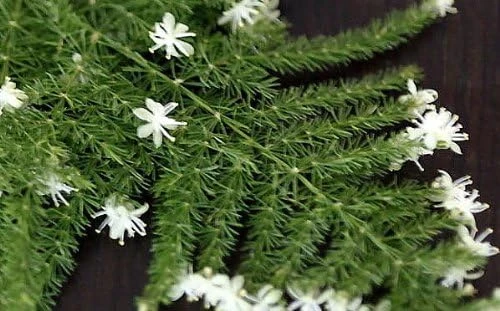
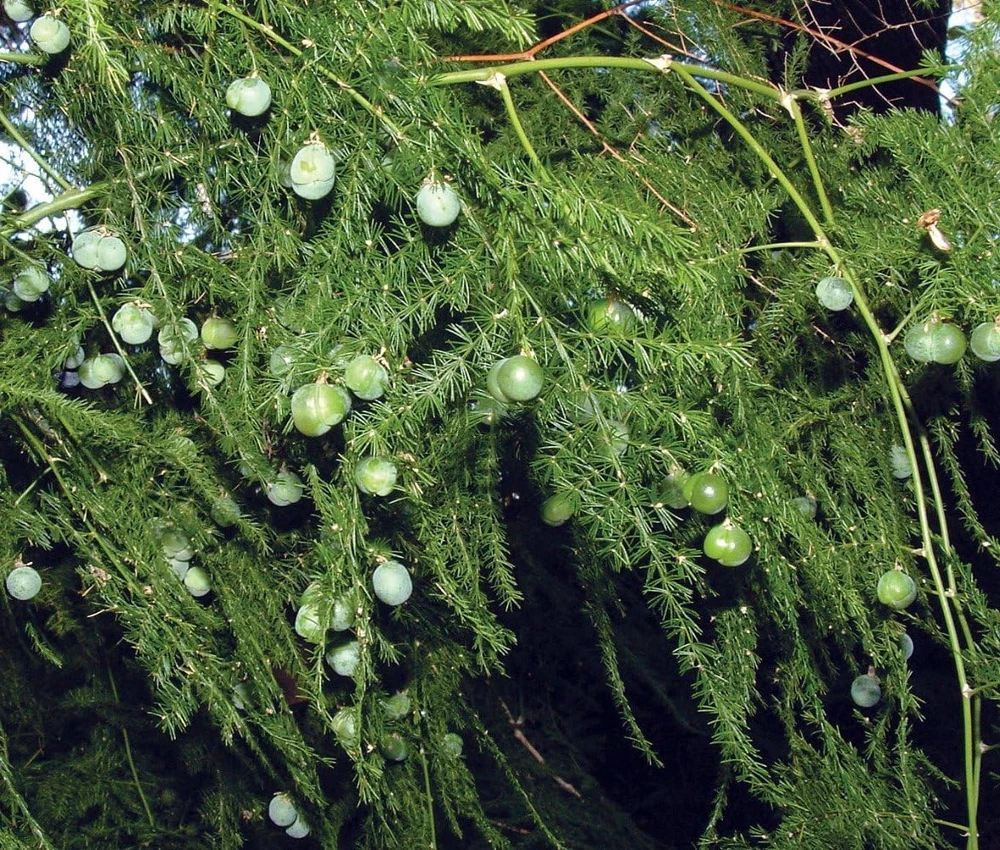
Your fern leaf asparagus fern will arrive as a healthy live plant, carefully cultivated and ready to grow. It is presented in a 2.5-inch nursery pot, providing a perfect start for its new home. This compact size makes it ideal for immediate display on a desk, shelf, or as part of a larger plant arrangement. The plant typically grows to a height of 1 to 3 feet with a similar spread, though it can be pruned to maintain a desired size and shape. Its vine-like growth habit allows it to trail gracefully or climb with support. The growth rate is moderate, allowing you to enjoy its development without it quickly outgrowing its space. With proper asparagus fern care, you can expect continuous, lush growth and the occasional small greenish-white bell-shaped flowers followed by small green berries that turn black with maturity.
Frequently Asked Questions
- Q: How big does this plant get? A: The fern leaf asparagus fern typically grows to be 1 to 3 feet tall and wide. Its trailing nature allows it to spread beautifully, and it can be pruned to maintain a more compact size or shape as desired.
- Q: What size pot does it come in? A: This asparagus setaceus live plant is delivered in a 2.5-inch nursery pot, which is a great size for starting out and allows you to easily transplant it into a decorative container of your choice.
- Q: Is this an indoor or outdoor plant? A: The plumosus fern plant is highly versatile. It can be grown indoors as a beautiful houseplant year-round or outdoors in USDA hardiness zones 9-10. In cooler climates, it’s best enjoyed as a patio plant during warmer months and brought indoors for winter.
- Q: How much sunlight does it need? A: This plant thrives in morning sun or bright, indirect light. Avoid direct afternoon sunlight, which can scorch its delicate foliage. For indoor placement, a north or east-facing window is ideal. Proper light is key to good asparagus fern care.
- Q: Is this plant easy to care for? A: Yes, the fern leaf asparagus fern is considered relatively easy to care for, making it suitable for beginners. It requires consistent watering and bright, indirect light, but it is quite resilient.
- Q: What condition will it arrive in? A: Your lace fern indoor will arrive as a healthy, live plant, carefully packaged to ensure its safe journey. It will be rooted in soil within its nursery pot, ready for you to unbox and enjoy.
- Q: Will it survive winter in my zone? A: If you live in USDA zones 9-10, your asparagus setaceus live plant can likely survive outdoors year-round. In colder zones, it must be protected from frost; either bring it indoors or treat it as an annual.
- Q: How often should I water my asparagus fern? A: Water your fern leaf asparagus fern thoroughly when the top 1-2 inches of soil feel dry to the touch. Ensure good drainage, as it dislikes sitting in waterlogged soil. Adjust frequency based on humidity and temperature.
- Q: What are the benefits of having a plumosus fern plant? A: Beyond its stunning aesthetic, the plumosus fern plant is known for its air-purifying qualities, its ability to add a unique texture to plant arrangements, and its relatively low maintenance, making it a rewarding plant to grow.
- Q: Is the asparagus fern pet-safe? A: While generally considered mildly toxic if ingested in large quantities, many pet owners successfully keep fern leaf asparagus fern without issue. It’s always best to monitor pets and prevent them from chewing on plants.
Be the first to review “Fern Leaf Plumosus Asparagus Fern Live Plant – 2.5″ Pot – Indoor/Outdoor”
People Also Viewed
Reviews
There are no reviews yet.