
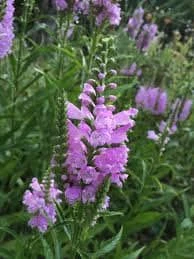
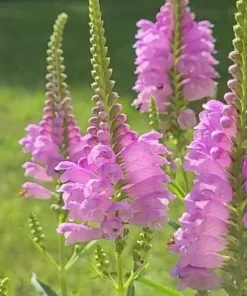
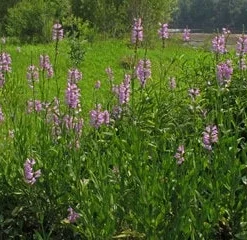
Fall Obedient Plant Live Plant – Physostegia virginiana Perennial Flower, 1 Gallon Pot
Original price was: $66.99.$46.99Current price is: $46.99.
Bring captivating beauty to your garden with the Fall Obedient Plant live plant (Physostegia virginiana). This unique perennial flower features stunning pink to lavender blooms and gets its name from its ‘obedient’ flowers that stay put when moved. Perfect for adding late-season color and intrigue to your landscape.
Estimated arrival
Oct 10
Oct 15 - Oct 17
Oct 20 - Oct 24
Shop With Confidence
30-Day Plant Health Guarantee
Arrives damaged? We’ll replace it free — see our return policy.
Responsive Support
Email us anytime, we reply within 1 business day.
Expert Packaging
Temperature-controlled shipping to protect your plants in transit.
Secure Checkout
Pay safely with Visa, Mastercard, PayPal.
Plant Specifications
-
USDA Hardiness Zone
3-9 -
Soil Type
Well-draining, moist, loamy soil -
Sunlight Exposure
Full sun to partial shade -
Expected Planting Period
Spring to early fall
Overview
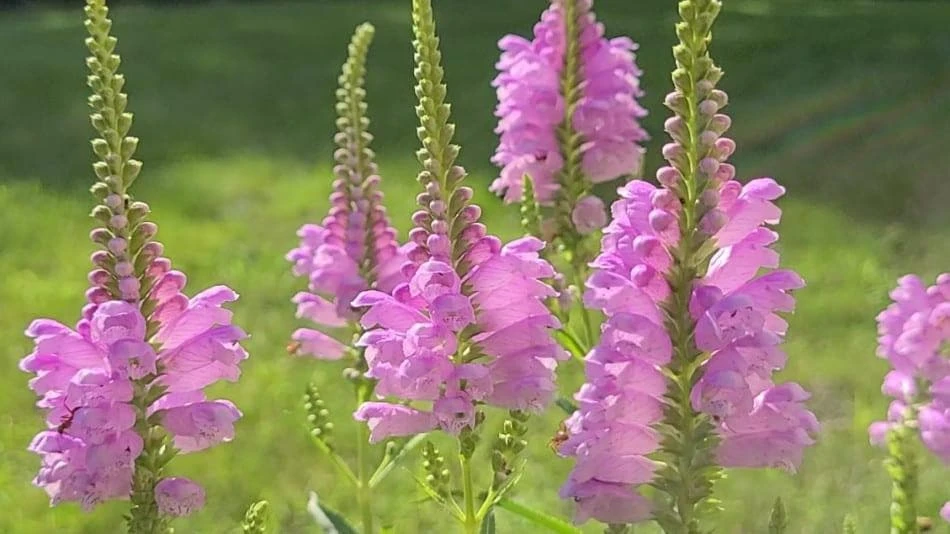
Introduce a touch of whimsical charm to your garden with the Fall Obedient Plant live plant (Physostegia virginiana). This exceptional perennial, also known as False Dragonhead or Virginia Lions-heart, is celebrated for its distinctive tubular flowers that bloom in late summer and fall, offering a beautiful spectrum of pink to lavender shades. The name “Obedient Plant” comes from its fascinating ability to hold its position when its individual flowers are swiveled, a unique trait that captivates gardeners and visitors alike. Growing in graceful clumps, this plant adds vertical interest and a burst of color when many other garden plants begin to fade. It’s a robust and attractive addition for anyone looking to extend their garden’s blooming season and enjoy a truly interactive plant specimen.
The Fall Obedient Plant live plant is a member of the Lamiaceae (Mint Family) and is native to North America, making it an excellent choice for native plant gardens and pollinator habitats. Its square stems and lanceolate leaves provide a strong structural presence, supporting the beautiful 4-6 inch terminal spikes of long-lasting flowers. Each flower boasts five triangular lobes, creating a snapdragon-like appearance that is both delicate and striking. This plant is sold as a fully rooted specimen in a 1-gallon trade pot, ready to be transplanted into your garden to establish and flourish.
Key Benefits
The Fall Obedient Plant live plant offers a multitude of benefits, making it a highly desirable addition to any garden. From its unique floral characteristics to its ecological contributions, this perennial is sure to enhance your outdoor space.
- Extended Bloom Season: Enjoy vibrant pink to lavender flowers from late summer through fall, providing essential color when many other plants are finishing their bloom cycle. This makes it a valuable asset for maintaining garden interest.
- Unique Interactive Flowers: The common name “Obedient Plant” highlights its distinctive feature: individual flowers can be gently pushed to a new position and will obediently stay there for a period, offering a fun and engaging aspect to your garden.
- Attracts Pollinators: The tubular flowers are a magnet for various pollinators, including bees and hummingbirds, supporting local ecosystems and encouraging biodiversity in your garden.
- Low Maintenance: Once established, the Physostegia virginiana care requirements are minimal. It’s a hardy perennial that tolerates a range of conditions and generally requires little intervention, making it perfect for busy gardeners.
- Architectural Interest: Its erect, square stems and clustered growth habit provide strong vertical lines and textural contrast, adding structure and depth to garden beds and borders.
- Native Plant: Being native to North America, it is well-adapted to regional climates and soils, contributing to a more sustainable and resilient landscape.
- Versatile Landscaping Use: Ideal for perennial borders, cottage gardens, naturalized areas, and even rain gardens due to its tolerance for moist conditions, the False Dragonhead flower fits into various garden designs.
Plant Care & Growing Tips
Caring for your Fall Obedient Plant live plant is relatively straightforward, as it is a resilient and adaptable perennial. Providing the right conditions will ensure a thriving plant with abundant blooms. This plant prefers locations with full sun to partial shade. For the most prolific flowering and strongest stems, aim for at least 6 hours of direct sunlight per day. In hotter climates, some afternoon shade can be beneficial to prevent scorching, especially during the peak of summer. It is known to tolerate a range of light conditions, but flowering may be reduced in heavily shaded areas.
When it comes to watering, the Virginia Lions-heart perennial appreciates consistently moist, but not waterlogged, soil. It can tolerate short periods of drought once established, but regular watering, especially during dry spells, will promote healthier growth and better blooms. Ensure the soil is well-draining to prevent root rot. A rich, loamy soil with good organic content is ideal, but it is adaptable to various soil types, including clay, as long as drainage is adequate. This plant is hardy in USDA zones 3-9, meaning it can withstand a wide range of winter temperatures. No special winter protection is usually needed in these zones.
Fertilization is generally not heavily required for the obedient plant garden. If your soil is poor, a balanced slow-release granular fertilizer applied in early spring can boost growth. Deadheading spent flower spikes can encourage a second flush of blooms and prevent excessive self-seeding. Be mindful that Physostegia virginiana can spread aggressively through rhizomes, so consider planting it where its spread can be managed, or use root barriers in smaller garden spaces. Division every few years in spring or fall can help control its size and vigor.
Size & Details
This Fall Obedient Plant live plant is provided as a fully rooted specimen, shipped in a 1-gallon trade pot. While these containers are industry standard, they typically hold approximately 0.664 gallons of soil. The pots measure approximately 6 inches high with a 6-inch circumference, providing a robust root system for successful transplanting. Upon arrival, the plant size may vary depending on the time of year, as plants are actively growing and may be pruned for shipping. Expect young plants that will quickly mature into impressive specimens.
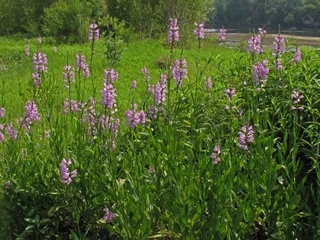
The Physostegia virginiana typically grows to an impressive height of 3 to 5 feet, with a spread of 2 to 3 feet, forming attractive clumps. It exhibits a moderate to fast growth rate, quickly establishing itself in the garden. Flowers typically appear from July through September, adding late-season interest. The plant is ready to be transplanted into your garden upon receipt and will begin to establish itself, with full flowering potential usually reached in its second growing season.
Frequently Asked Questions
- Q: How big does this plant get? A: The Fall Obedient Plant live plant typically grows to a height of 3 to 5 feet and can spread 2 to 3 feet wide, forming attractive clumps in your garden. Its upright habit makes it a great choice for adding vertical interest.
- Q: What size pot does it come in? A: This plant is shipped in a 1-gallon trade pot, which is an industry-standard nursery container. These pots are approximately 6 inches high with a 6-inch circumference and contain a robust, fully rooted plant.
- Q: Is this an indoor or outdoor plant? A: The Fall Obedient Plant live plant is primarily an outdoor perennial. It thrives in garden beds and borders, being hardy in USDA Zones 3-9. It is not typically grown as an indoor houseplant.
- Q: How much sunlight does it need? A: For optimal growth and flowering, the Physostegia virginiana care requires full sun (at least 6 hours of direct sunlight daily). It can tolerate partial shade, but flowering may be less prolific.
- Q: Is this plant easy to care for? A: Yes, the False Dragonhead flower is considered a low-maintenance perennial. Once established, it is quite hardy and adaptable, making it a good choice for both experienced and novice gardeners.
- Q: What condition will it arrive in? A: Your plant will arrive fully rooted in its 1-gallon trade pot. While we take great care in packaging, some variations in size or minor leaf damage may occur during transit. We ensure healthy plants are shipped.
- Q: When is the best time to plant the Fall Obedient Plant? A: The best time to plant your obedient plant garden specimen is in spring or early fall. This allows the plant sufficient time to establish its root system before extreme summer heat or winter cold.
- Q: Will it survive winter in my zone? A: This perennial is hardy in USDA Zones 3-9, meaning it is well-equipped to survive winter in a wide range of climates. In these zones, it will die back to the ground in winter and re-emerge in spring.
- Q: Does the Fall Obedient Plant spread aggressively? A: Yes, Physostegia virginiana can spread through rhizomes and may become aggressive in ideal growing conditions. Consider planting it where its spread can be controlled or use root barriers to manage its growth in smaller spaces.
- Q: Why is it called “Obedient Plant”? A: It earns its common name because its individual flowers, when gently bent or swiveled into a new position, will “obediently” stay in that new orientation for a while before returning to their original spot, a unique and charming characteristic.
Be the first to review “Fall Obedient Plant Live Plant – Physostegia virginiana Perennial Flower, 1 Gallon Pot”
People Also Viewed
Trees
Green Giant Arborvitae Live Plants – 2 Pack, 12-15″ Tall, 2.5″ Pot – Outdoor Evergreen Privacy Tree
Grasses
Blue Eyed Grass ‘Suwannee’ Live Plant – Sisyrinchium nashii – 3.5 Inch Pot – Outdoor Perennial
Reviews
There are no reviews yet.