







English Lavender Seeds – 1200+ Heirloom, Fragrant Herb, Mosquito Repellent
Original price was: $39.99.$14.99Current price is: $14.99.
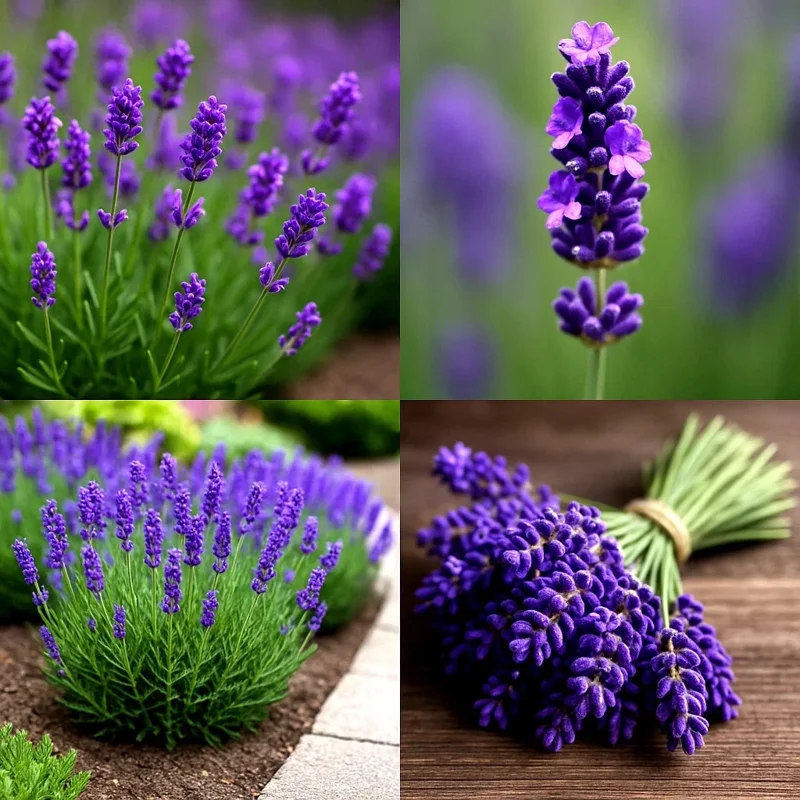
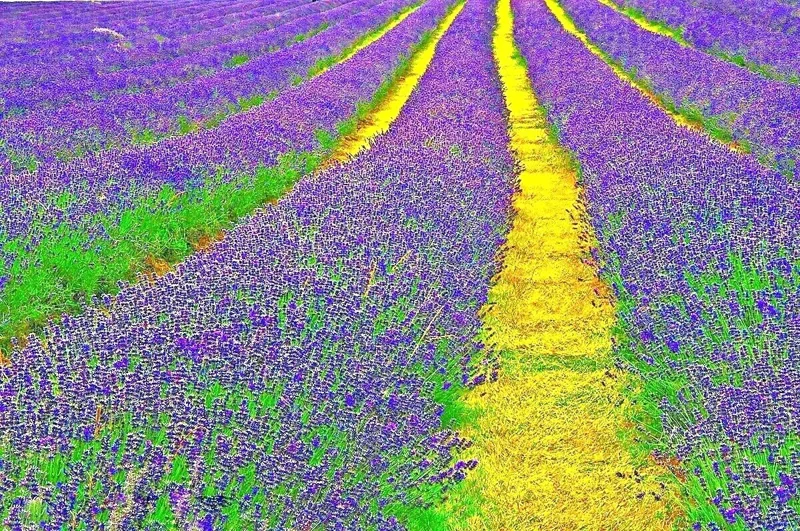
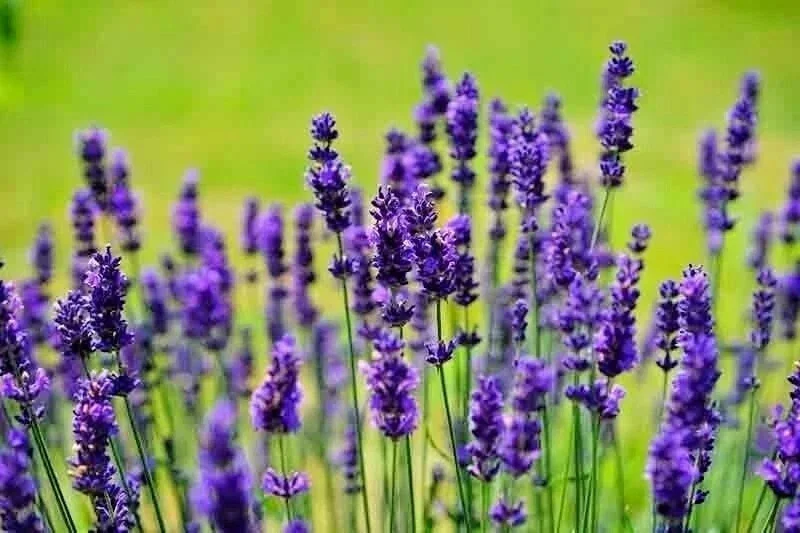
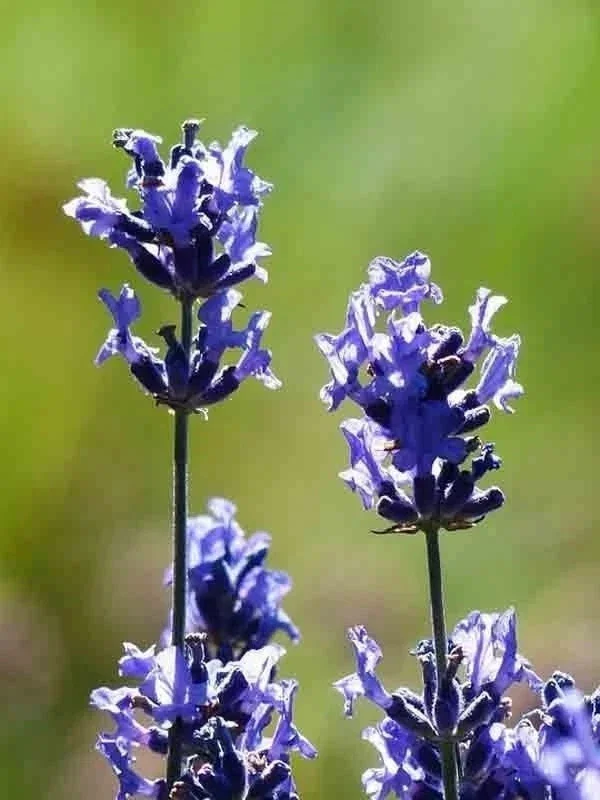
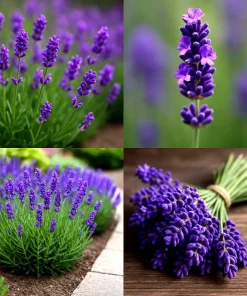
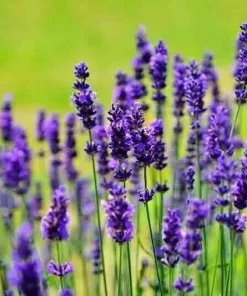
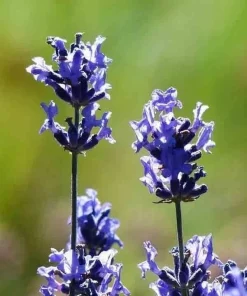
Discover the joy of cultivating your own fragrant garden with english lavender seeds. These heirloom lavender seeds produce beautiful purple blooms known for their soothing aroma and natural mosquito repellent plant properties. Perfect for borders, herb gardens, or containers, these easy-to-grow seeds bring charm and functionality to any outdoor space.
Estimated arrival
Oct 15
Oct 20 - Oct 22
Oct 25 - Oct 29
Shop With Confidence
30-Day Plant Health Guarantee
Arrives damaged? We’ll replace it free — see our return policy.
Responsive Support
Email us anytime, we reply within 1 business day.
Expert Packaging
Temperature-controlled shipping to protect your plants in transit.
Secure Checkout
Pay safely with Visa, Mastercard, PayPal.
Plant Specifications
-
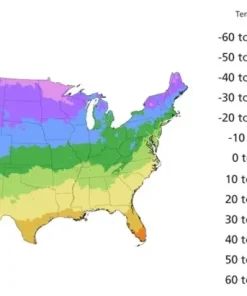
USDA Hardiness Zone
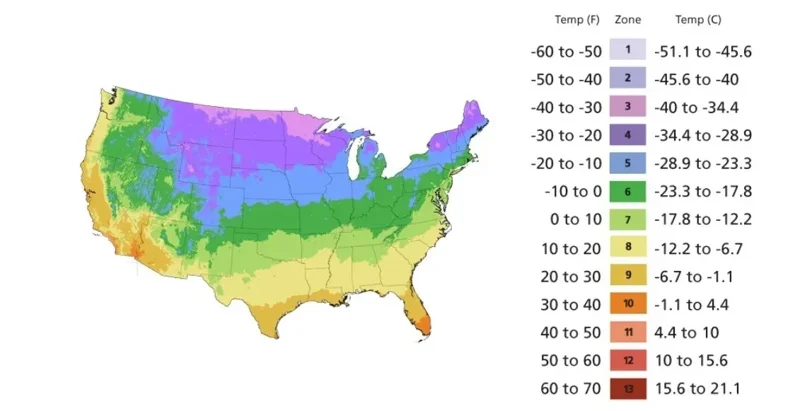
4 (-30 to -20 °F) -
Soil Type
Chalk, Clay, Loam, Peat, Sand, Silt (well-draining preferred) -
Sunlight Exposure
Full Sun, Medium Sun -
Expected Planting Period
Spring, Summer, Fall
Overview
Embark on a delightful gardening journey with these high-quality english lavender seeds. Revered for centuries for its enchanting fragrance and stunning purple blossoms, English Lavender (scientific name: Lavandula angustifolia) is a quintessential herb garden staple. This offering provides over 1200 heirloom seeds, allowing you to cultivate a bountiful patch of this beloved perennial. Known for its calming aroma and its effectiveness as a natural deterrent against mosquitoes, growing lavender from seed offers a rewarding experience for gardeners of all levels. Imagine stepping into your garden, greeted by the sweet, calming scent of fresh lavender, while simultaneously enjoying a more comfortable, pest-free outdoor environment.
English Lavender is not only a treat for the senses but also a resilient and relatively low-maintenance plant. These heirloom seeds ensure genetic purity, allowing you to save seeds for future generations if desired. Whether you’re an experienced gardener or just starting out, these english lavender seeds provide an excellent opportunity to add beauty, fragrance, and utility to your landscape. The vibrant purple blooms attract beneficial pollinators like bees and butterflies, further enhancing the ecological balance of your garden.
Key Benefits
Cultivating English Lavender from seed offers a multitude of advantages, transforming your garden into a fragrant, beautiful, and practical haven. Here are some of the key benefits you can expect from these english lavender seeds:
- Aromatic Delight: Enjoy the classic, soothing fragrance of English Lavender, renowned for its calming properties. The scent is perfect for aromatherapy, potpourri, and fresh or dried floral arrangements, bringing a touch of tranquility indoors and out.
- Natural Mosquito Repellent: The plant’s natural oils act as a deterrent to mosquitoes, making it an excellent choice for planting near patios, windows, and outdoor living areas. Create a more enjoyable outdoor space with this beautiful and effective mosquito repellent plant.
- Heirloom Quality: These heirloom lavender seeds ensure genetic consistency and reliable growth, allowing you to save seeds from your harvest for future plantings, maintaining a sustainable garden year after year.
- Pollinator Friendly: Attract a variety of beneficial insects, including bees and butterflies, to your garden. English Lavender is a fantastic nectar source, supporting local ecosystems and improving pollination for other plants.
- Drought Tolerant: Once established, English Lavender is remarkably drought-tolerant, requiring minimal watering. This makes it an ideal choice for water-wise gardening and regions with drier climates.
- Versatile Use: Perfect for culinary applications, crafting, or simply as an ornamental garden plant. Use the fragrant flowers in teas, baked goods, sachets, essential oil production, or as beautiful border plants.
- Easy to Grow: Known for its ease of cultivation, English Lavender thrives in various conditions and is suitable for gardeners seeking a rewarding yet straightforward planting experience. Learn the simple steps for growing lavender from seed and enjoy its beauty.
Plant Care & Growing Tips
Successfully growing lavender from seed requires attention to a few key factors, ensuring your plants thrive and produce abundant, fragrant blooms. English Lavender prefers full sun, meaning at least 6-8 hours of direct sunlight per day. Choose a location in your garden that receives ample sun exposure, or if growing indoors, place it near a south-facing window. Good air circulation is also beneficial to prevent fungal issues. The ideal soil for english lavender seeds is well-draining, slightly alkaline (pH 6.7-7.3), and not overly rich. Sandy or gravelly loam is perfect; avoid heavy clay soils that retain too much moisture. Incorporating some grit or sand can improve drainage.
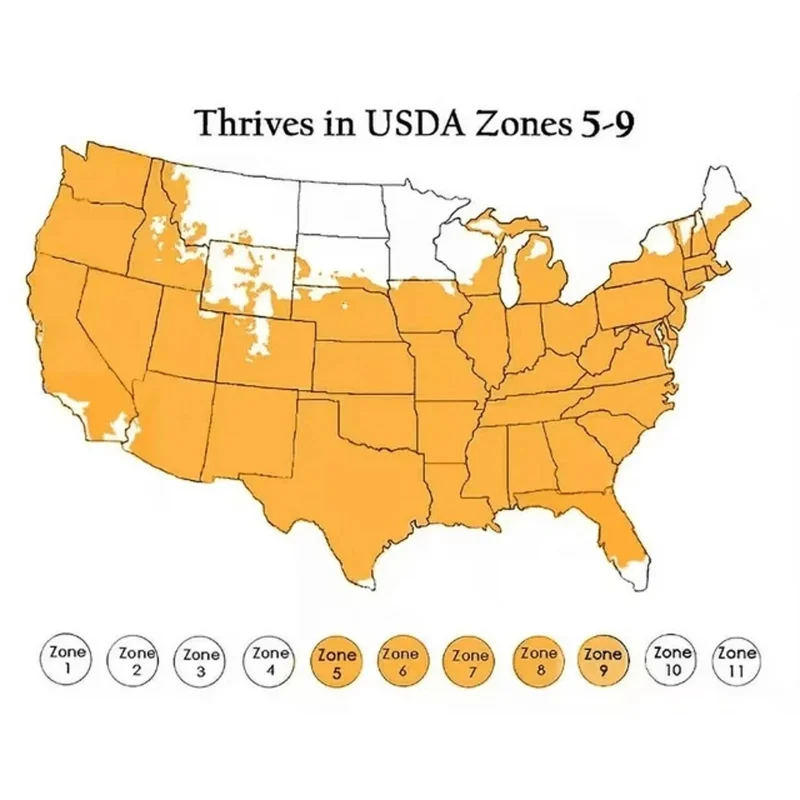
Watering should be moderate, especially once the plants are established. Lavender is drought-tolerant and susceptible to root rot if overwatered. Allow the soil to dry out completely between waterings. During germination and early growth, keep the soil consistently moist but not waterlogged. English Lavender is hardy in USDA Zones 5-9, tolerating cold winters and hot summers. Fertilization is generally not necessary for lavender; excessive nutrients can lead to lush foliage but fewer flowers. If your soil is very poor, a light application of a balanced, slow-release fertilizer in spring can be beneficial. Pruning is essential for maintaining shape and encouraging new growth and flowering. After the first flush of blooms, trim back spent flower stalks. In early spring, a more substantial prune can help keep the plant compact and vibrant, ensuring a continuous supply of beautiful heirloom lavender.
Size & Details
This package contains over 1200 high-quality english lavender seeds, providing an ample supply for creating a beautiful and fragrant garden. Each seed is carefully selected to ensure viability and genetic purity, offering true heirloom lavender characteristics. When mature, English Lavender plants typically reach a height of 18-24 inches (45-60 cm) and spread about 24-30 inches (60-75 cm) wide, forming attractive, compact mounds of silvery-green foliage and vibrant purple flowers. The growth rate is moderate, with plants often flowering in their second year when started from seed. These seeds are ideal for direct sowing or starting indoors for transplanting.
The plants exhibit a clumping growth habit, making them suitable for borders, mass plantings, or container gardening. The foliage is evergreen in milder climates, providing year-round interest. Expect the main season of interest to be from late spring through summer, with potential for reblooming in fall if deadheaded. The seeds will arrive in a protective packet, ready for planting. With proper care and conditions, these seeds will germinate and grow into robust plants, offering years of aromatic pleasure and natural pest control as an effective mosquito repellent plant.
Frequently Asked Questions
- Q: How many English lavender seeds are included in this package? A: This package contains over 1200 english lavender seeds, providing a generous quantity for multiple plantings or a large lavender patch. This ample supply makes growing lavender from seed an accessible project.
- Q: Is this lavender variety a good mosquito repellent plant? A: Yes, English Lavender is well-known for its natural mosquito-repelling properties. The strong, pleasant scent is effective at deterring mosquitoes and other pests, making it a great addition to outdoor living spaces.
- Q: What USDA Hardiness Zones are suitable for English Lavender? A: English Lavender (Lavandula angustifolia) is hardy in USDA Zones 5-9, meaning it can withstand winter temperatures down to -20°F (-28°C) in Zone 5.
- Q: How much sunlight does English Lavender need to thrive? A: English Lavender requires full sun, which means at least 6-8 hours of direct sunlight per day. Adequate sunlight is crucial for robust growth and abundant flowering of your heirloom lavender.
- Q: What type of soil is best for growing English Lavender from seed? A: English Lavender prefers well-draining, slightly alkaline soil. Sandy or gravelly loam is ideal, and it’s important to avoid heavy clay soils that can lead to root rot.
- Q: How long does it take for English Lavender seeds to germinate? A: Germination typically takes between 14-28 days, though it can sometimes take longer. Consistent moisture and appropriate temperatures are key for successful growing lavender from seed.
- Q: When is the best time to plant English lavender seeds? A: For best results, sow seeds indoors 8-10 weeks before the last frost date, or direct sow outdoors after all danger of frost has passed in spring. This allows the plants to establish before the summer heat.
- Q: Do these heirloom lavender seeds produce true-to-type plants? A: Yes, as heirloom lavender seeds, they are open-pollinated and will produce plants that are true to the English Lavender variety, allowing you to save seeds from your harvest.
- Q: Can I grow English Lavender in containers? A: Absolutely! English Lavender thrives in containers, provided they have good drainage and are placed in a sunny location. This is a great option for those with limited garden space.
- Q: Will this lavandula angustifolia attract pollinators to my garden? A: Yes, English Lavender is highly attractive to beneficial pollinators such as bees and butterflies, making it a wonderful addition to any pollinator-friendly garden.
Be the first to review “English Lavender Seeds – 1200+ Heirloom, Fragrant Herb, Mosquito Repellent”
People Also Viewed
Reviews
There are no reviews yet.