
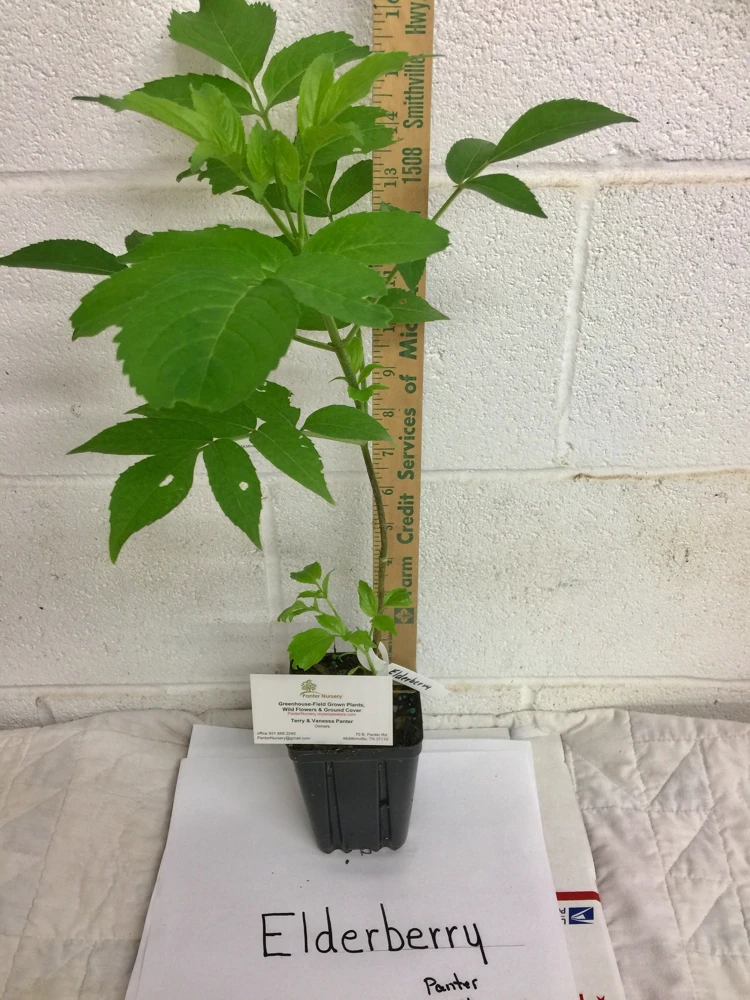
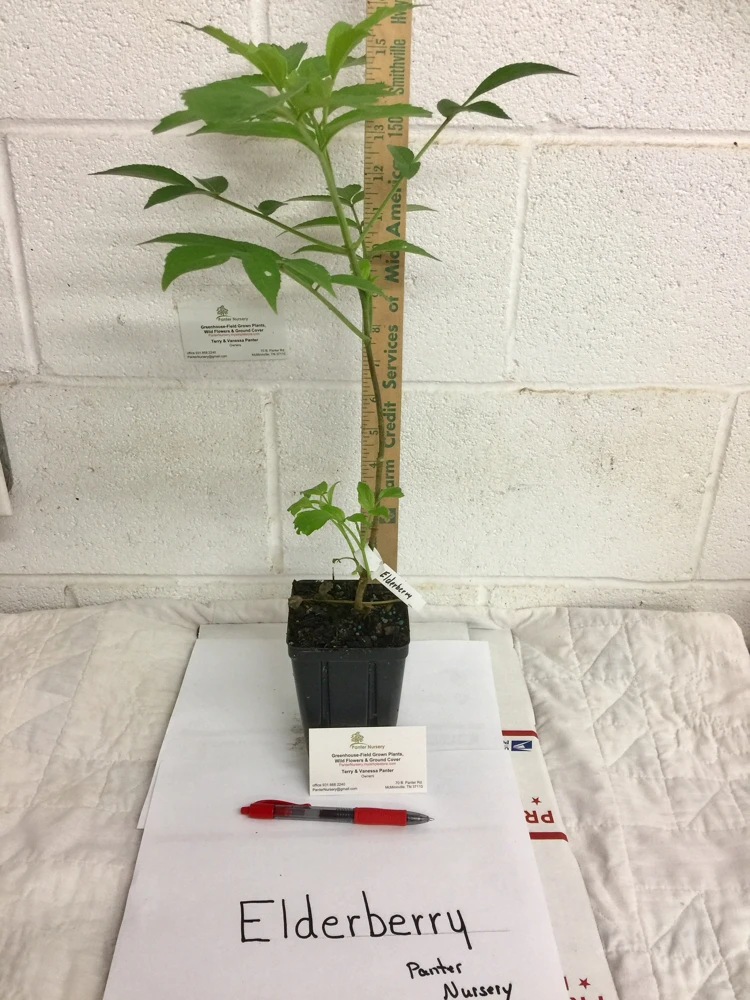
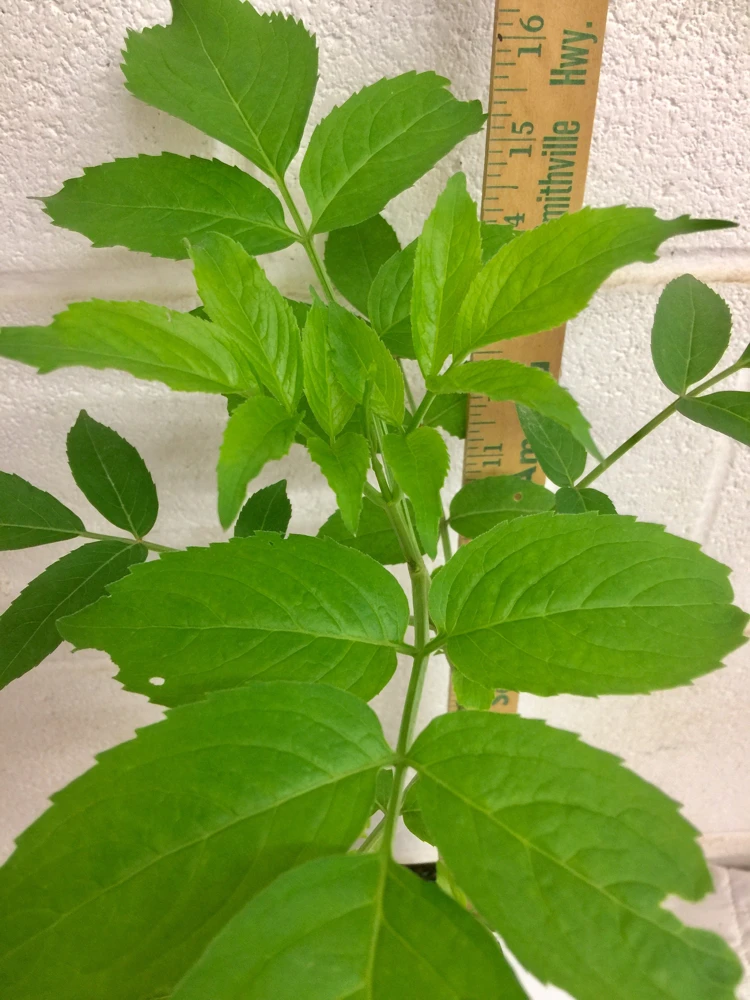
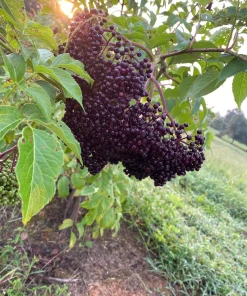
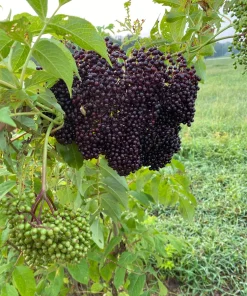
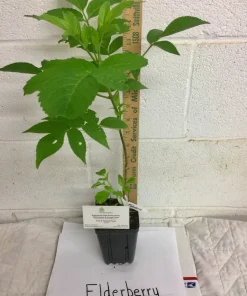
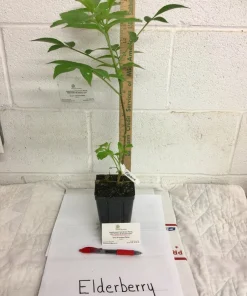
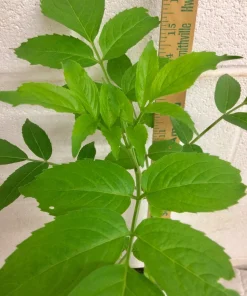
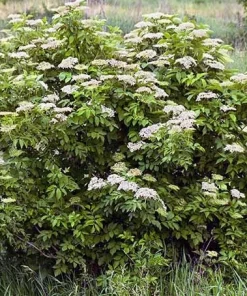
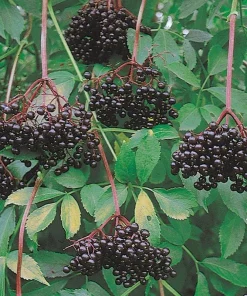
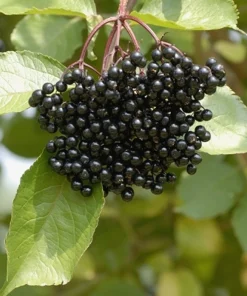
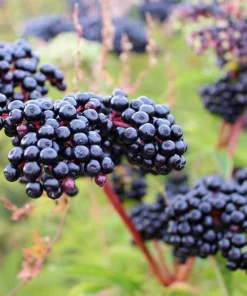
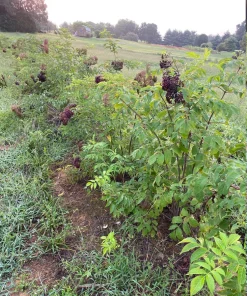
Elderberry Live Plant – Sambucus Canadensis Shrub in 4 Inch Pot – Edible Berries
Original price was: $56.99.$36.99Current price is: $36.99.
Cultivate your own fruitful garden with this elderberry live plant, a vigorous sambucus canadensis shrub supplied in a 4-inch pot. Known for its ornamental beauty and abundance of edible elderberries, this plant is a fantastic addition for both its visual appeal and culinary uses. Perfect for creating jellies, pies, and juice.
Estimated arrival
Sep 20
Sep 25 - Sep 27
Sep 30 - Oct 04
Shop With Confidence
30-Day Plant Health Guarantee
Arrives damaged? We’ll replace it free — see our return policy.
Responsive Support
Email us anytime, we reply within 1 business day.
Expert Packaging
Temperature-controlled shipping to protect your plants in transit.
Secure Checkout
Pay safely with Visa, Mastercard, PayPal.
Plant Specifications
-
USDA Hardiness Zone
4-9 -
Soil Type
Moist, well-draining soil -
Sunlight Exposure
Full sun to partial shade -
Expected Planting Period
Spring to early fall
Overview
Discover the joy of growing your own fruit with this vibrant elderberry live plant, scientifically known as Sambucus canadensis, often referred to as American Elderberry. This easy-to-grow shrub arrives in a convenient 4-inch pot, ready to be established in your garden. The American Elderberry is celebrated not only for its beautiful summer blooms but also for its prolific production of edible elderberries, which are a favorite for various culinary creations. Whether you’re an experienced gardener or just starting, growing elderberry is a rewarding experience, providing both aesthetic appeal and a bountiful harvest. This fast-growing plant can quickly establish itself, adding a lush green presence to your landscape.
The sambucus canadensis shrub is a versatile addition to any garden, thriving in a range of conditions and offering year-round interest. From its attractive foliage to its fragrant flowers and rich berries, it provides a dynamic focal point. This particular specimen is a young plant, allowing you to shape its growth from an early stage, whether you prefer a multi-stemmed bush for maximum fruit or a single-stemmed small tree. Embrace the natural beauty and delicious yields of this remarkable plant.
Key Benefits
The elderberry live plant offers a multitude of benefits for your home and garden, making it a highly desirable choice. Its adaptability and generous production make it a favorite among gardeners seeking both beauty and utility.
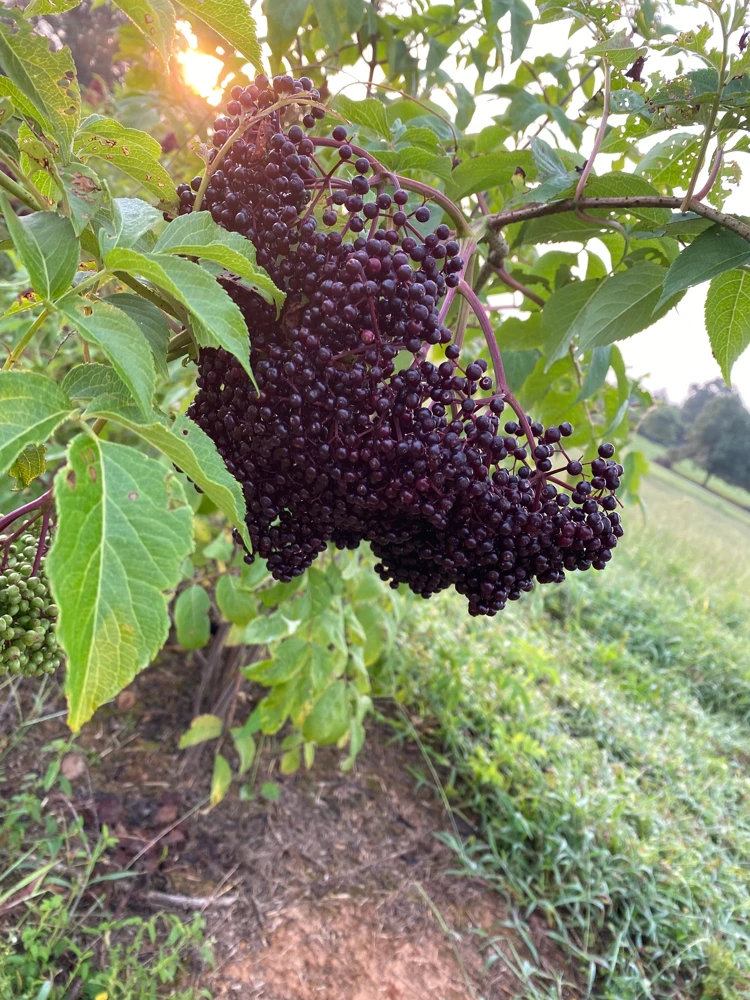
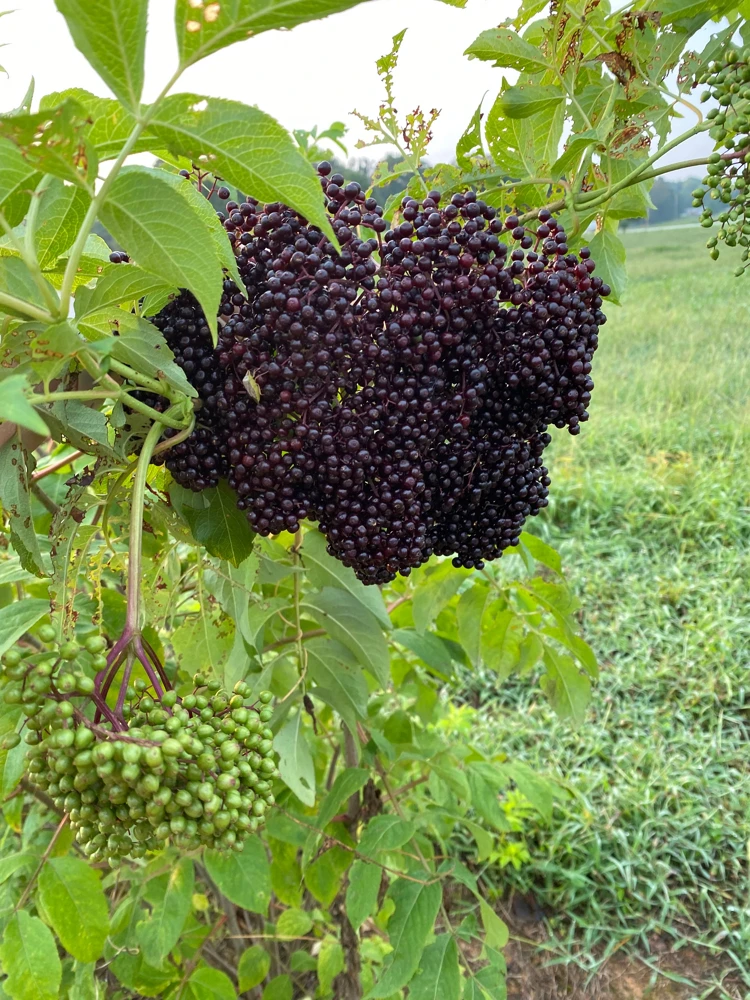
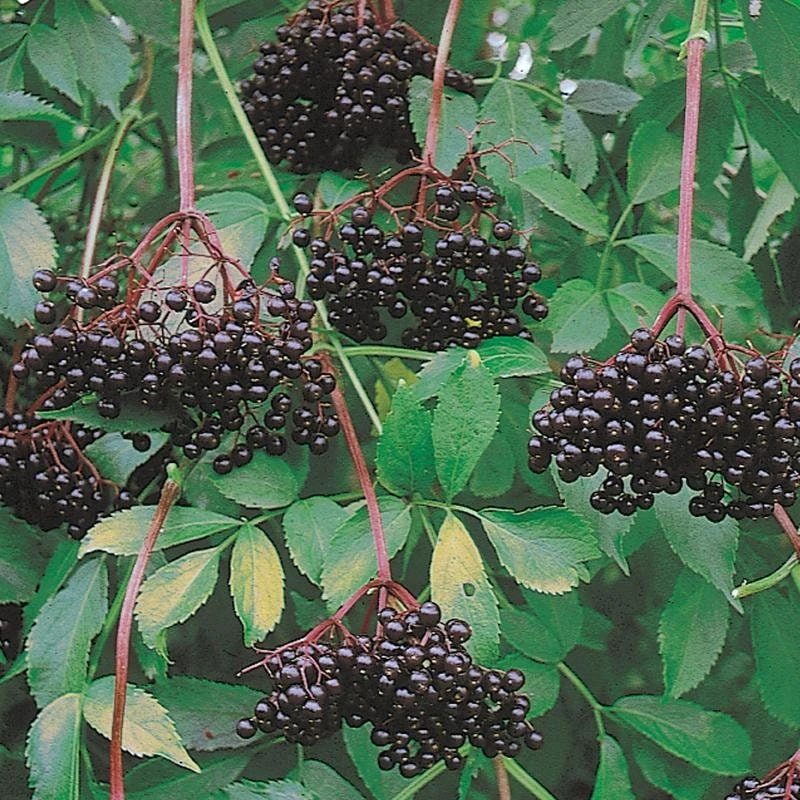
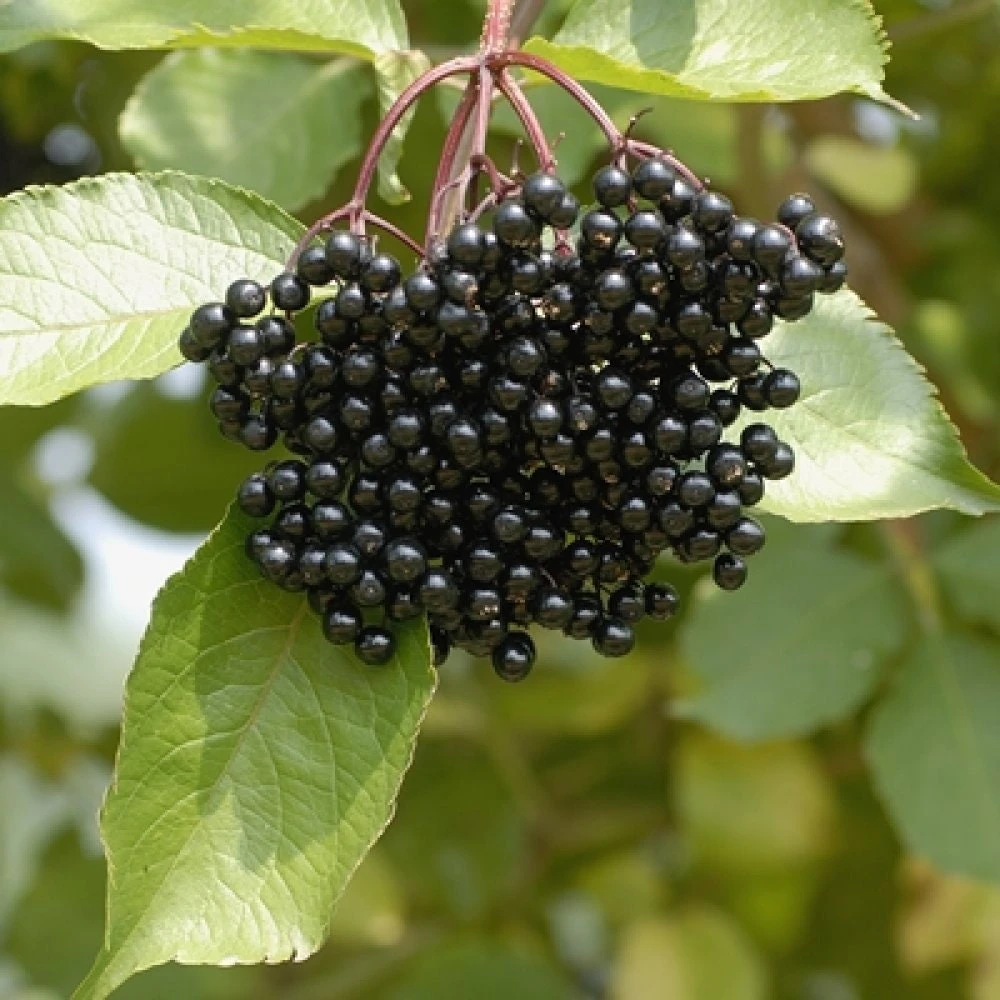
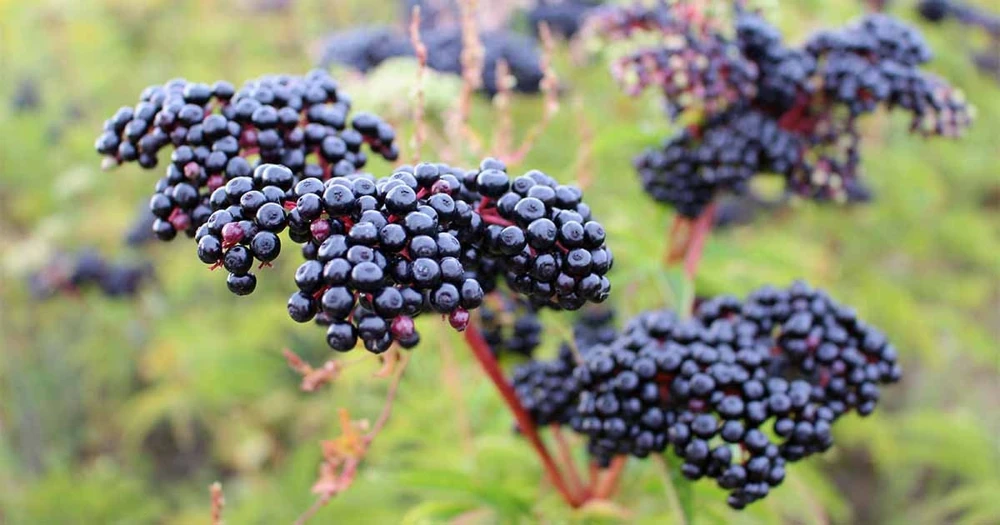
- Abundant Edible Berries: Enjoy a prolific harvest of dark purple berries from August to September, perfect for making delicious jellies, pies, juices, and even wine. These berries are a versatile ingredient in many recipes.
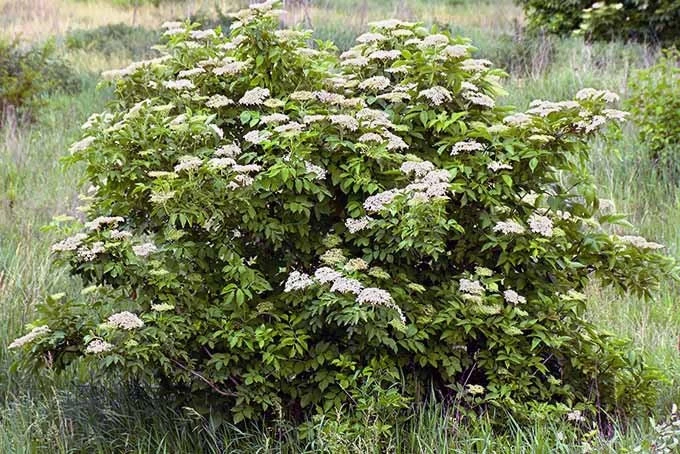
- Attractive Summer Blooms: In summer, the plant produces clusters of small, star-shaped yellowish-white flowers, spanning 6-10 inches wide, adding a lovely aesthetic to your garden. These fragrant blooms also attract pollinators.
- Fast Growth Rate: Once established, this shrub grows at a fast rate, with height increases of more than 24 inches per year, quickly filling out your garden space. This rapid growth ensures you won’t wait long for a mature plant.
- Versatile Landscaping: The sambucus canadensis shrub can be pruned to maintain a multi-stemmed form for maximum fruit production or trained into a single-stemmed small tree, offering flexibility in garden design.
- Hardy and Resilient: Suitable for USDA Hardiness Zones 4-9, this plant is quite hardy and can withstand a range of climates, making it a reliable choice for many regions.
- Wildlife Attraction: The berries are a food source for local birds, adding natural wildlife interest to your garden, while the flowers attract beneficial insects.
- Culinary Potential: Beyond fresh eating, the berries are excellent for preserving, allowing you to enjoy the fruits of your labor long after the harvest season. Knowing how to use edible elderberries opens up a world of culinary possibilities.
Plant Care & Growing Tips
Proper elderberry plant care ensures a healthy and productive shrub. The American Elderberry is relatively low-maintenance but thrives with a few key considerations. For optimal growth and fruiting, plant your elderberry live plant in a location that receives full sun to partial shade; at least 6 hours of direct sunlight per day is ideal for the best berry production. While adaptable, it prefers moist, well-draining soil. Enriching the soil with organic matter before planting can significantly improve its health and vigor. Regular watering is crucial, especially during dry spells and in the plant’s first year of establishment. Aim to keep the soil consistently moist but not waterlogged.
This sambucus canadensis shrub is hardy in zones 4-9, making it resilient to a variety of temperatures. Fertilize in early spring with a balanced, all-purpose fertilizer to encourage strong growth and fruit development. Pruning is important for maintaining plant health and maximizing yield. In late winter or early spring, remove any dead, damaged, or weak branches. You can also prune to manage its size and shape, encouraging a multi-stemmed bush for more berries or training it into a small tree. For best fruiting, it’s often recommended to plant multiple shrubs to ensure good pollination, which is a crucial aspect of growing elderberry successfully. Watch out for common pests like aphids and address them with organic pest control methods if necessary.
Size & Details
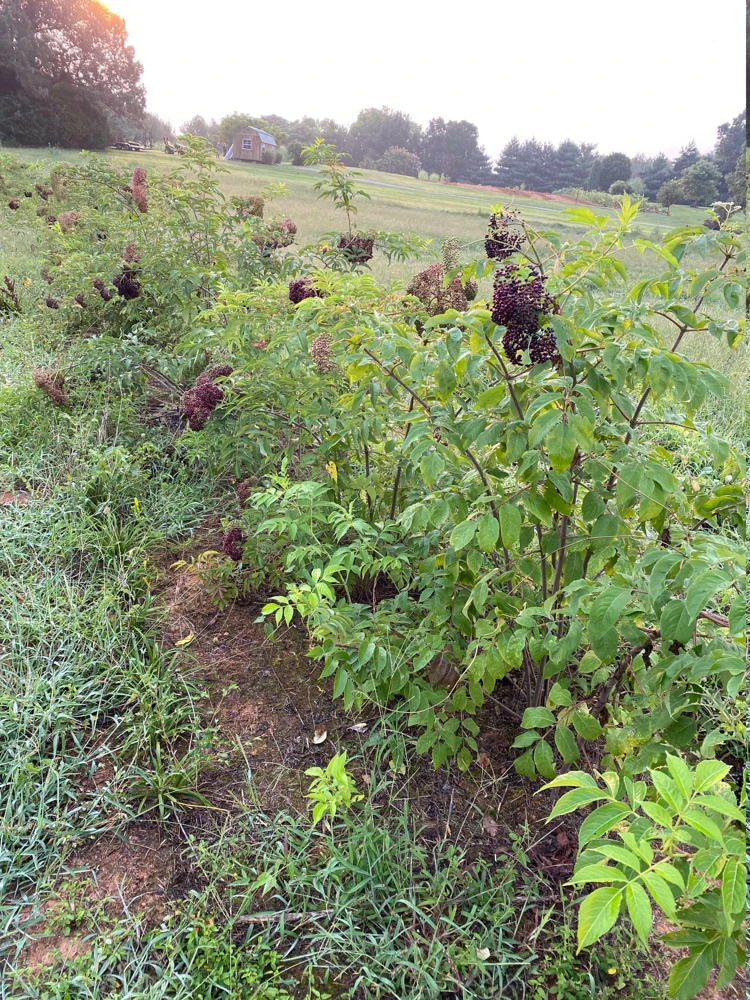
This elderberry live plant is provided in a 4-inch nursery pot, offering a healthy start for your garden. At maturity, the American Elderberry (Sambucus canadensis) typically grows to a height of 5-12 feet with a similar spread of 5-12 feet, creating a substantial and attractive presence in your landscape. It exhibits a fast growth rate, often increasing in height by more than 24 inches per year once it has become established. The plant is shipped as a young, actively growing specimen, ready for transplanting. You can expect it to begin blooming in the summer, with berries ripening from August to September, providing a consistent harvest season. This is a robust shrub that will quickly develop into a productive part of your garden, offering delicious edible elderberries for years to come.
Frequently Asked Questions
- Q: How big does this elderberry live plant get? A: This American Elderberry can grow to a mature height of 5-12 feet and a spread of 5-12 feet, depending on growing conditions and pruning. It’s a fast-growing shrub that establishes quickly.
- Q: What size pot does it come in? A: The elderberry live plant is shipped in a 4-inch nursery pot, providing a good foundation for its initial growth and transplanting.
- Q: Is this an indoor or outdoor plant? A: The American Elderberry is an outdoor plant, best suited for garden beds, hedges, or as a specimen plant in a landscape. It thrives in various outdoor conditions.
- Q: How much sunlight does it need for growing elderberry successfully? A: For optimal health and fruit production, this shrub prefers full sun to partial shade, meaning at least 6 hours of direct sunlight per day.
- Q: Is this plant easy to care for? A: Yes, the sambucus canadensis shrub is considered relatively easy to care for, especially once established. It requires consistent watering, good drainage, and occasional pruning.
- Q: What condition will it arrive in? A: Your elderberry live plant will arrive as a healthy, actively growing young plant in its 4-inch nursery pot, carefully packaged to ensure its safe journey.
- Q: Can I use the berries from this plant for cooking? A: Absolutely! The dark purple berries are highly sought after for culinary uses, including making jellies, pies, juices, and wine. These are truly edible elderberries.
- Q: How long until it blooms and produces fruit? A: Elderberries typically begin to bloom in the summer, and the berries ripen from August to September. You may see some fruit in its first year, with more substantial harvests in subsequent years.
- Q: When is the best time to plant this elderberry live plant? A: The best time to plant is in spring or early fall, allowing the plant sufficient time to establish its root system before extreme temperatures.
- Q: Will it survive winter in my zone? A: This American Elderberry is hardy in USDA Zones 4-9, meaning it is well-equipped to survive winter conditions within this range.
Be the first to review “Elderberry Live Plant – Sambucus Canadensis Shrub in 4 Inch Pot – Edible Berries”
People Also Viewed

Reviews
There are no reviews yet.