
Echinacea ‘Raspberry Truffle’ Coneflower Live Plant – Starter – Zone 3-8
Original price was: $55.99.$25.99Current price is: $25.99.
Add vibrant coral-pink double blooms to your garden with the Echinacea Raspberry Truffle live plant. This stunning coneflower is a hardy perennial, thriving in USDA Zones 3-8, and is known for attracting butterflies. Perfect for borders, containers, or cut flower arrangements, it brings cheerful color from summer to fall.
Estimated arrival
Nov 07
Nov 12 - Nov 14
Nov 17 - Nov 21
Shop With Confidence
30-Day Plant Health Guarantee
Arrives damaged? We’ll replace it free — see our return policy.
Responsive Support
Email us anytime, we reply within 1 business day.
Expert Packaging
Temperature-controlled shipping to protect your plants in transit.
Secure Checkout
Pay safely with Visa, Mastercard, PayPal.
Plant Specifications
-
USDA Hardiness Zone
USDA Zones 3-8 -
Soil Type
Well-draining soil -
Sunlight Exposure
Full sun to light shade -
Expected Planting Period
Spring to early summer
Overview
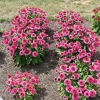
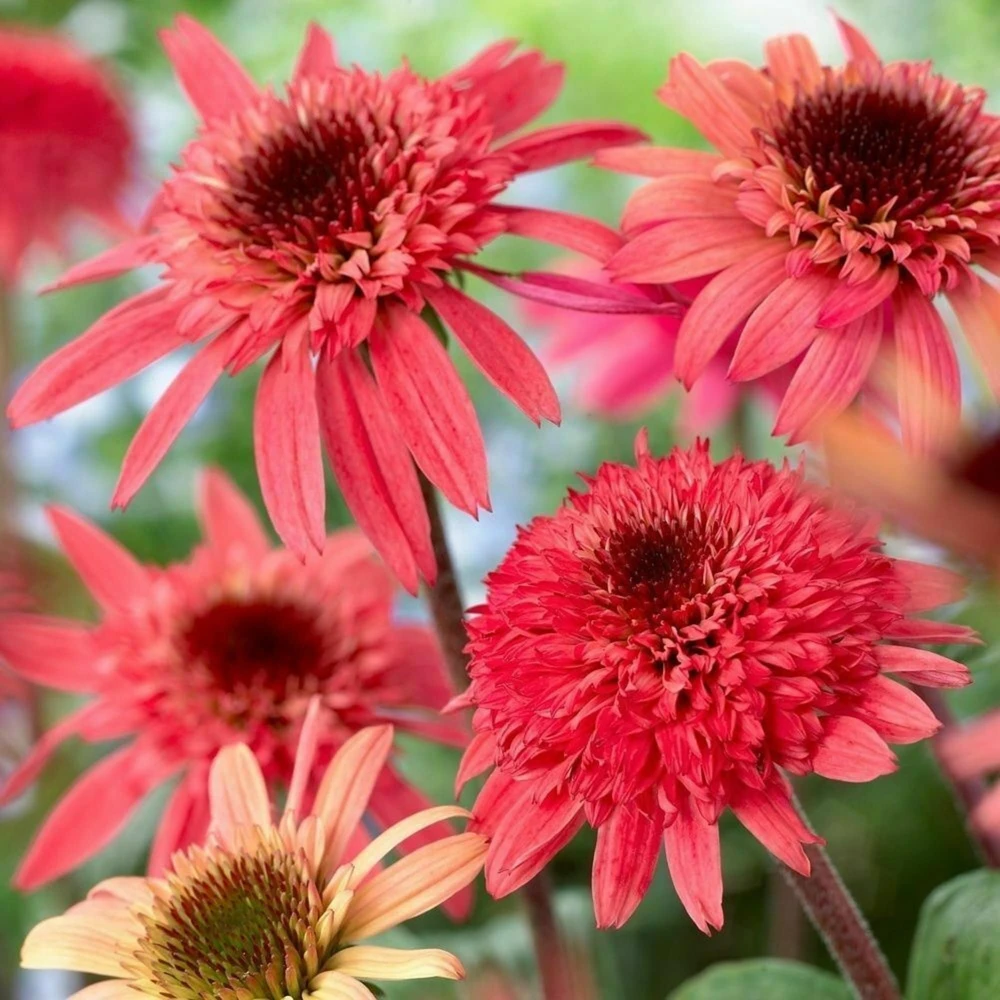
Introduce a splash of vibrant color and unique texture to your garden with the exquisite Echinacea Raspberry Truffle live plant. This stunning coneflower, scientifically known as Echinacea purpurea ‘Raspberry Truffle’, is a remarkable perennial celebrated for its distinctive double blooms. Unlike traditional coneflowers, ‘Raspberry Truffle’ boasts a captivating display of coral-pink ray petals surrounding a dense, darker raspberry-pink pompom-like center, which gradually reveals a chocolate-brown cone. It’s a true garden showstopper, offering continuous bloom from early summer through late autumn. This hardy and resilient plant is a fantastic choice for gardeners looking to enhance their landscape with a low-maintenance yet high-impact floral specimen. Its robust nature and beautiful flowers make it an indispensable addition to any perennial border, cottage garden, or pollinator-friendly planting.
The Raspberry Truffle coneflower is not just a treat for the eyes but also a magnet for beneficial garden visitors. Bees, butterflies, and other pollinators are drawn to its nectar-rich flowers, making it an excellent choice for supporting local ecosystems. Growing to an average height of up to 60 cm (approximately 24 inches), it creates a beautiful vertical element in mixed plantings. Whether you’re a seasoned gardener or just starting, the ‘Raspberry Truffle’ Echinacea offers a rewarding growing experience with its spectacular blooms and easy-care requirements.
Key Benefits
The Echinacea Raspberry Truffle live plant offers a multitude of benefits, making it a highly desirable addition to any garden. Its unique aesthetic and ecological contributions are truly outstanding, providing beauty and supporting local wildlife.
- Stunning Double Blooms: Enjoy the unique and eye-catching coral-pink double flowers with a dark raspberry-pink center, providing a luxurious and full appearance that stands out in any garden setting. These complex blooms add depth and interest, making them a focal point.
- Attracts Pollinators: This perennial coneflower plant is a favorite among butterflies, bees, and other beneficial insects. Planting it helps support local pollinator populations, contributing to a healthier garden ecosystem and encouraging biodiversity.
- Long Blooming Season: ‘Raspberry Truffle’ offers an extended period of bloom, typically from June to August, and often continues into fall. This ensures a continuous display of color and interest in your garden for several months, keeping your landscape vibrant.
- Excellent Cut Flowers: The sturdy stems and long-lasting blooms make ‘Raspberry Truffle’ an ideal choice for fresh cut flower arrangements. Its unique color and form add elegance and charm to indoor bouquets, bringing the beauty of your garden indoors.
- Drought Tolerant & Low Maintenance: Once established, this Echinacea is remarkably drought-tolerant and requires minimal care. It’s a robust plant that can withstand various conditions, making it perfect for busy gardeners or those seeking an easy-to-grow perennial.
- Hardy Perennial: Thriving in USDA Zones 3-8, this plant is incredibly resilient and reliably returns year after year. Its cold hardiness ensures it can overwinter successfully in a wide range of climates, providing long-term garden enjoyment.
- Versatile Garden Use: Perfect for borders, mass plantings, containers, rock gardens, and naturalized areas. Its upright growth habit and vibrant flowers make it adaptable to various landscape designs, enhancing any garden style.
Plant Care & Growing Tips
Caring for your Echinacea Raspberry Truffle live plant is straightforward, ensuring years of beautiful blooms with minimal effort. This hardy perennial thrives when its basic needs are met, making it an excellent choice for gardeners of all experience levels. Provide your ‘Raspberry Truffle’ Coneflower with the right conditions, and it will reward you with a spectacular display.
For optimal growth and flowering, plant your coneflower in a location that receives full sun to light shade. Full sun, meaning at least 6 hours of direct sunlight per day, will promote the most abundant blooms and strongest growth. While it tolerates some afternoon shade, especially in hotter climates, too much shade can lead to leggy growth and fewer flowers. The ideal soil for this plant is well-drained and moderately fertile. It can adapt to a range of soil types, including clay, loam, and sandy soils, as long as drainage is adequate. Poorly drained soil can lead to root rot, so amending heavy clay soils with organic matter like compost can significantly improve drainage and overall plant health.
Water newly planted Echinacea regularly to help establish a strong root system. Once established, the Echinacea plant care becomes much simpler, as it is quite drought-tolerant. Water deeply but infrequently, allowing the top few inches of soil to dry out completely between waterings. Overwatering is a common mistake and can be more detrimental than underwatering. Fertilization is generally not heavily required; a light application of a balanced slow-release fertilizer in spring can encourage vigorous growth, but avoid excessive nitrogen, which can lead to lush foliage at the expense of flowers. Deadhead spent blooms regularly to encourage continuous flowering and maintain a tidy appearance. In late fall or early spring, you can cut back the foliage to the ground. This ‘Raspberry Truffle’ variety is hardy in USDA Zones 3-8, meaning it can withstand winter temperatures down to -40°F (-40°C) with proper care.
Size & Details
The Echinacea Raspberry Truffle live plant typically grows to a mature height of about 20-24 inches (50-60 cm) with a spread of 18-24 inches (45-60 cm), forming an upright, bushy mound. It is shipped as a well-rooted starter plant, ready to be transplanted into your garden or a larger container. These plants establish quickly, and you can expect to see their distinctive coral-pink double blooms starting from the first summer after planting, continuing through early fall.
This particular butterfly garden plant offers a moderate growth rate, reaching its mature size within one to two growing seasons. The robust root system ensures its hardiness and ability to thrive in a wide range of conditions within its designated USDA Zones. The plant will arrive in a nursery pot, ensuring its roots are protected and moist during transit, making for an easier transition to its new home.
Frequently Asked Questions
- Q: How big does this plant get? A: The ‘Raspberry Truffle’ Coneflower typically reaches a mature height of 20-24 inches (50-60 cm) and spreads about 18-24 inches (45-60 cm), forming a compact, upright clump in your garden.
- Q: Is this an indoor or outdoor plant? A: This Echinacea Raspberry Truffle live plant is an outdoor perennial. It is very hardy and thrives in garden beds, borders, and outdoor containers within USDA Zones 3-8.
- Q: How much sunlight does it need? A: ‘Raspberry Truffle’ Coneflower performs best in full sun, requiring at least 6 hours of direct sunlight per day. It can tolerate light shade, especially in hot climates, but full sun encourages the most abundant flowering.
- Q: Is this plant easy to care for? A: Yes, this coneflower is considered very easy to care for. Once established, it is drought-tolerant and requires minimal maintenance, making it suitable for beginners and experienced gardeners alike.
- Q: What condition will it arrive in? A: Your plant will arrive as a healthy, well-rooted starter plant in a nursery pot, carefully packaged to ensure it reaches you in excellent condition, ready for planting.
- Q: How long until it blooms? A: You can expect your ‘Raspberry Truffle’ Coneflower to begin blooming in the first summer after planting, with flowers appearing from June through August and often into fall.
- Q: Will it survive winter in my zone? A: Yes, this coneflower is a hardy perennial suitable for USDA Zones 3-8, meaning it is well-equipped to survive cold winters and return year after year in these regions.
- Q: What type of soil does it prefer? A: It prefers well-drained soil. While adaptable to various soil types, ensuring good drainage is crucial to prevent root rot. Amending heavy clay soils with compost is beneficial.
- Q: Does this plant attract butterflies? A: Absolutely! The ‘Raspberry Truffle’ Coneflower is a fantastic butterfly garden plant and is known for attracting a variety of pollinators, including butterflies and bees, to its nectar-rich blooms.
- Q: Can I use the flowers for cutting? A: Yes, the strong stems and long-lasting nature of the ‘Raspberry Truffle’ blooms make them excellent for fresh cut flower arrangements, adding vibrant color to your indoor spaces.
Be the first to review “Echinacea ‘Raspberry Truffle’ Coneflower Live Plant – Starter – Zone 3-8”
People Also Viewed
Houseplants
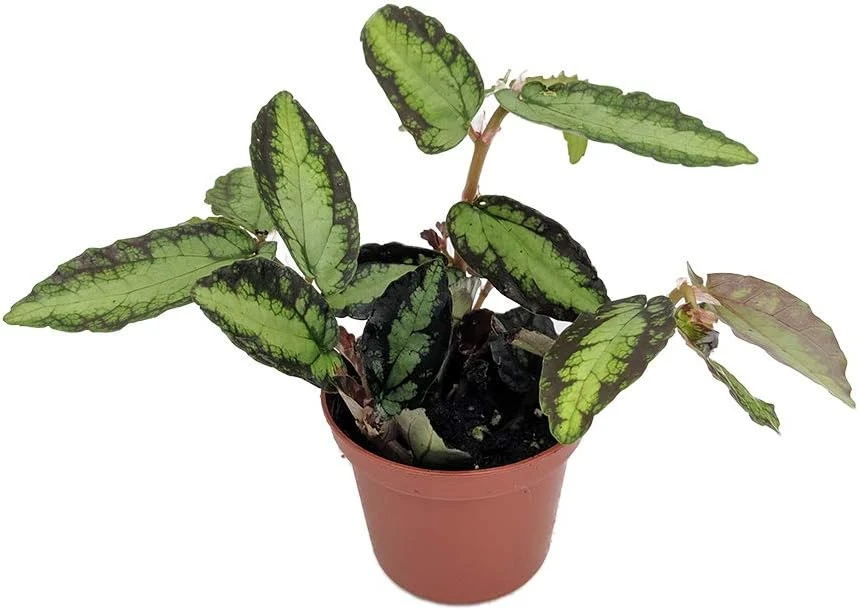
Rainbow Vine Pellionia Daveauana Live Plant – 2.5″ Pot – Terrarium & Fairy Garden Houseplant
Reviews
There are no reviews yet.