
Eastern Redbud Tree Live Plant – 8-12in Potted Cercis Canadensis Pink Blooms Native Shade
Original price was: $85.99.$70.99Current price is: $70.99.
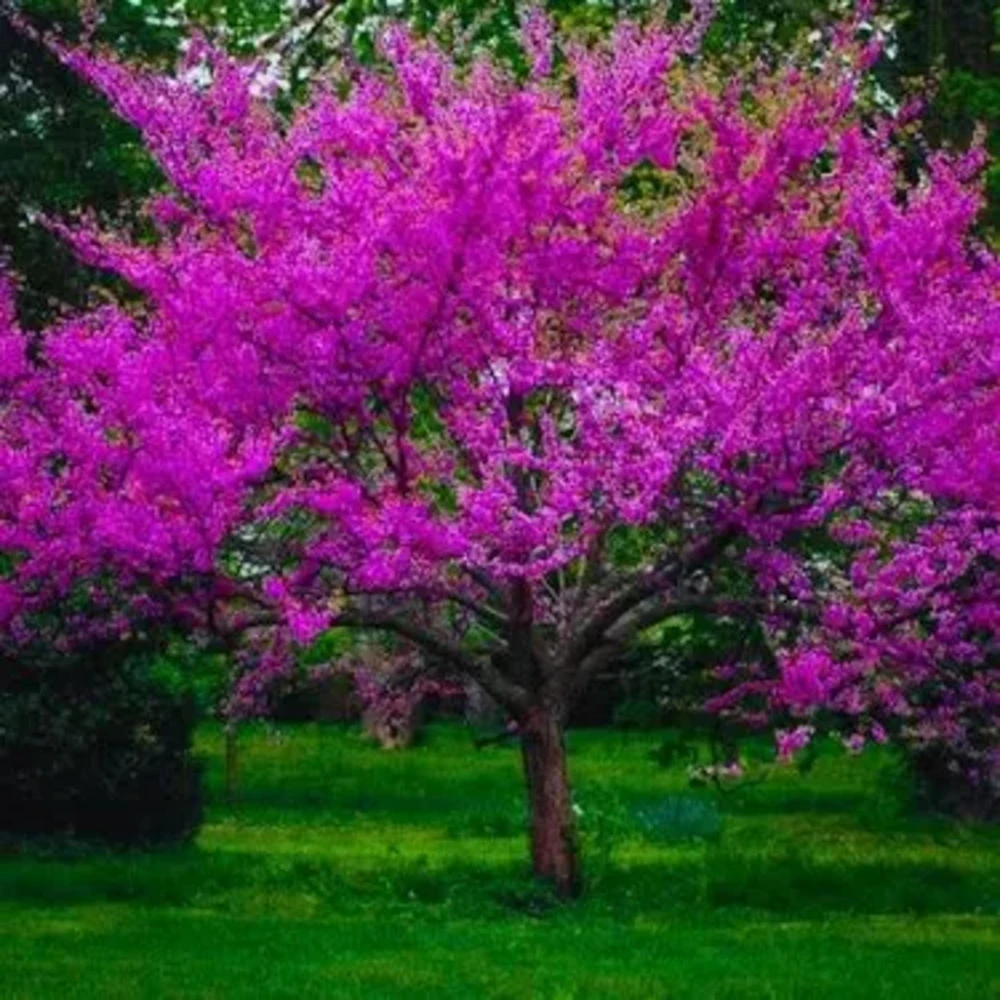
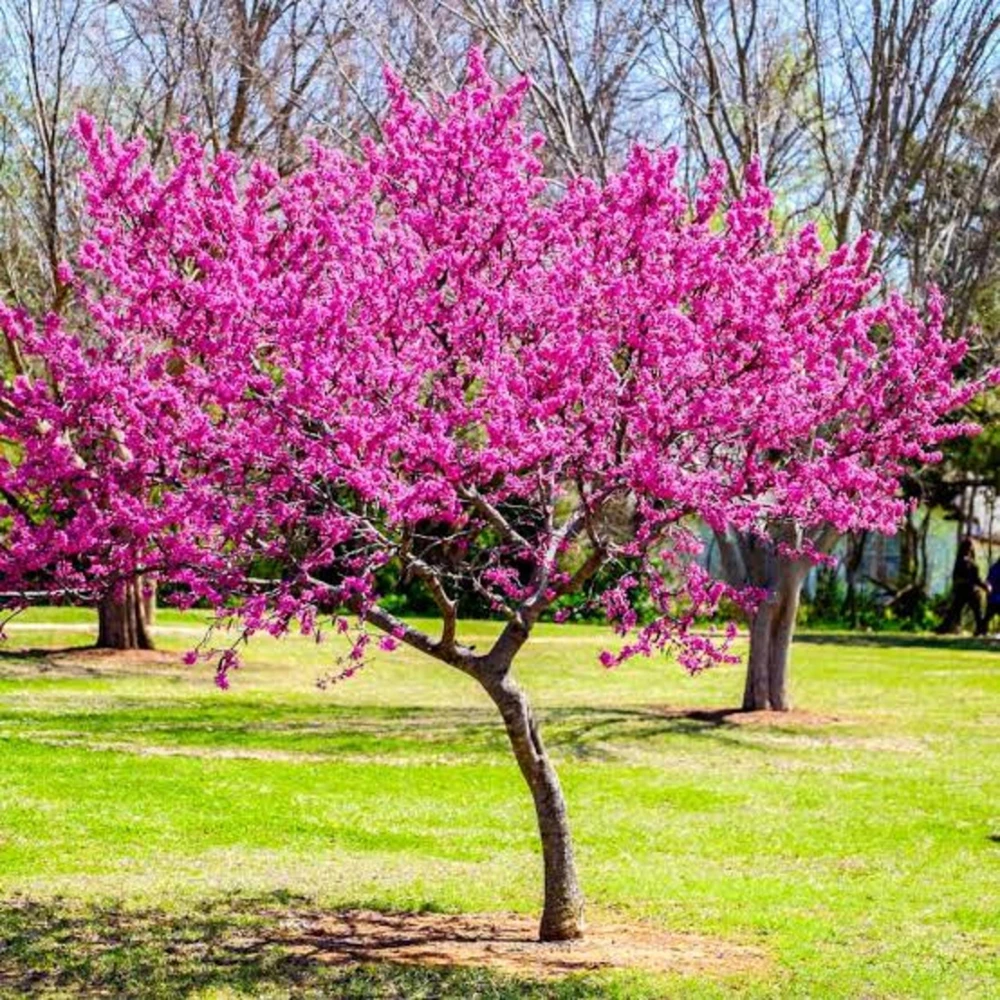
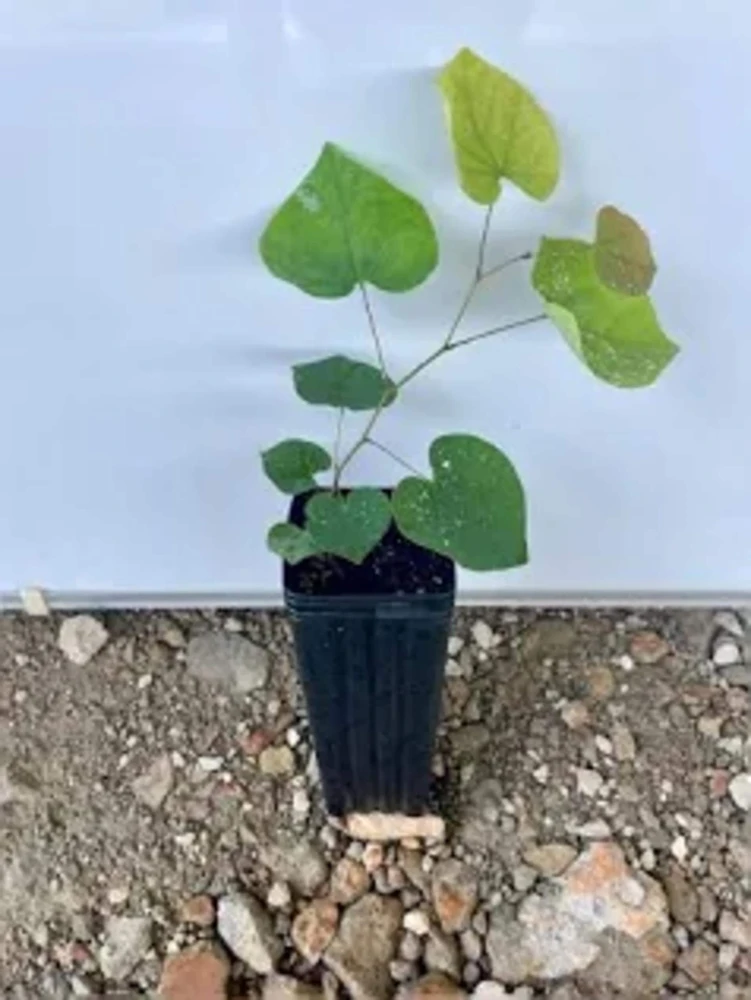
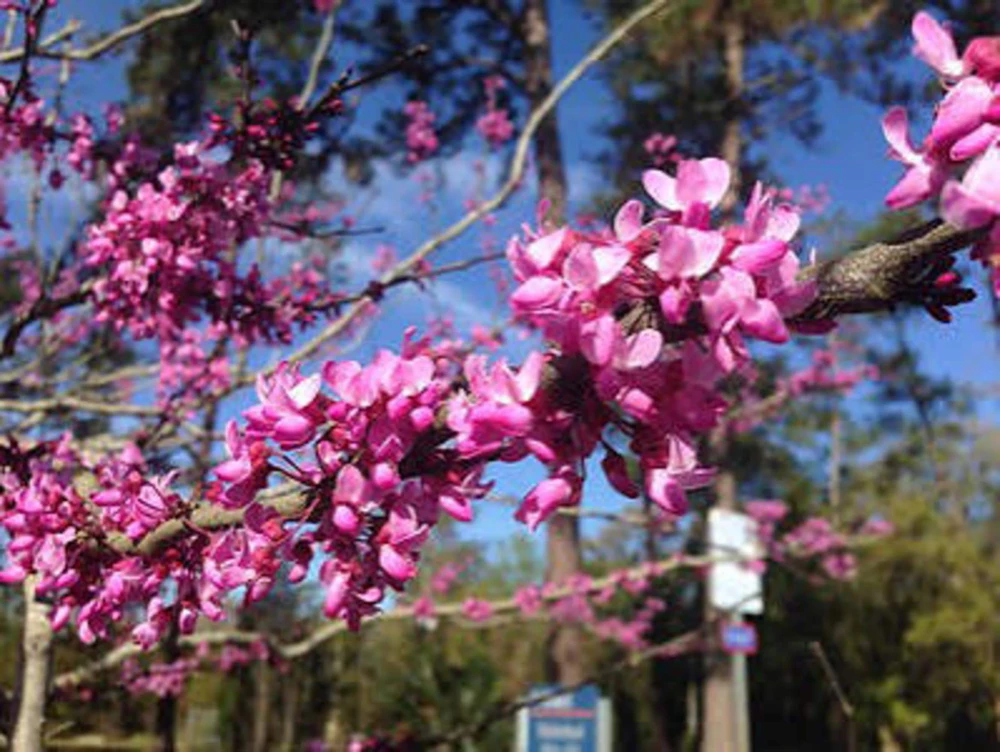
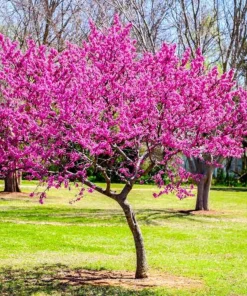
Bring spectacular spring color and beautiful heart-shaped leaves to your yard with a healthy, potted Eastern Redbud tree live plant. This native shade tree, also known as Cercis canadensis, offers stunning pink spring blooms and vibrant fall foliage, making it a beloved ornamental addition to any landscape.
Estimated arrival
Oct 10
Oct 15 - Oct 17
Oct 20 - Oct 24
Shop With Confidence
30-Day Plant Health Guarantee
Arrives damaged? We’ll replace it free — see our return policy.
Responsive Support
Email us anytime, we reply within 1 business day.
Expert Packaging
Temperature-controlled shipping to protect your plants in transit.
Secure Checkout
Pay safely with Visa, Mastercard, PayPal.
Plant Specifications
-
USDA Hardiness Zone
USDA Zones 4-9 -
Soil Type
Well-draining soil, adaptable to various types -
Sunlight Exposure
Full sun to partial shade -
Expected Planting Period
Spring to early fall
Overview
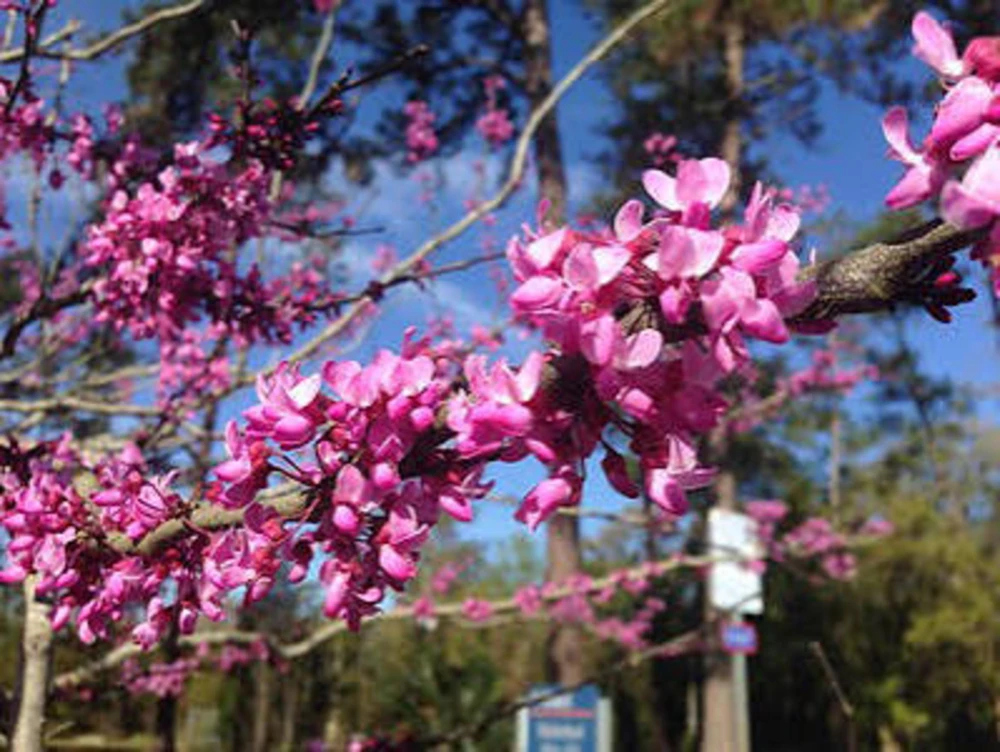
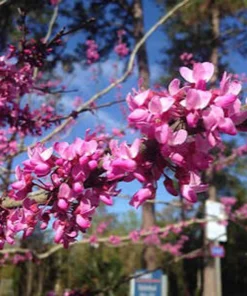
Introduce breathtaking beauty and ecological value to your landscape with the Eastern Redbud tree live plant. Revered for its spectacular early spring display, the Eastern Redbud tree live plant (Cercis canadensis) is a beloved native flowering tree across North America. Before its unique, heart-shaped leaves even emerge, the branches burst forth with a profusion of rosy-pink to magenta blossoms, creating an unforgettable spectacle. This deciduous tree offers multi-season interest, transitioning from vibrant spring flowers to lush green foliage that turns a cheerful yellow in autumn. Ideal for gardeners seeking a low-maintenance yet high-impact ornamental, the Eastern Redbud tree live plant provides essential habitat and food for local wildlife while enhancing your property’s aesthetic appeal.
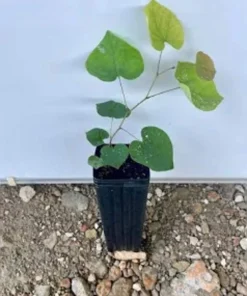
Our Cercis canadensis specimens are shipped as healthy, established live plants, rooted in soil and pots. This method gives them a significant advantage over bare-root options, promoting a higher success rate and faster establishment in your garden. Whether you’re looking to add a focal point, create a naturalized area, or provide a stunning native shade tree, the Eastern Redbud is an excellent choice. Its moderate size makes it versatile for various garden designs, from small urban spaces to larger rural properties. Experience the joy of watching this resilient and beautiful tree flourish in your own backyard.
Key Benefits
The Eastern Redbud tree live plant offers a multitude of benefits, making it a fantastic addition to almost any garden. Its aesthetic appeal and ecological contributions are just a few reasons why it’s a popular choice for homeowners and landscapers alike. Enjoy the vibrant display and robust growth this tree provides.
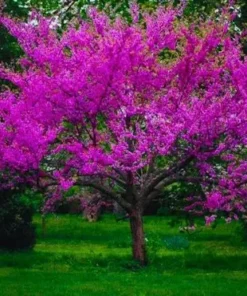
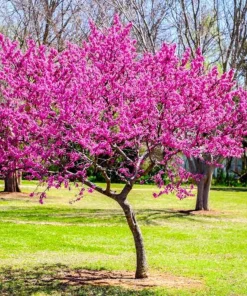
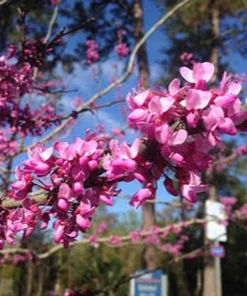
- Stunning Spring Blooms: In early spring, before its leaves appear, the Eastern Redbud erupts with a magnificent display of rosy-pink to magenta flowers. These pink spring blooms cover the branches, creating a dramatic and beautiful focal point that signals the arrival of warmer weather.
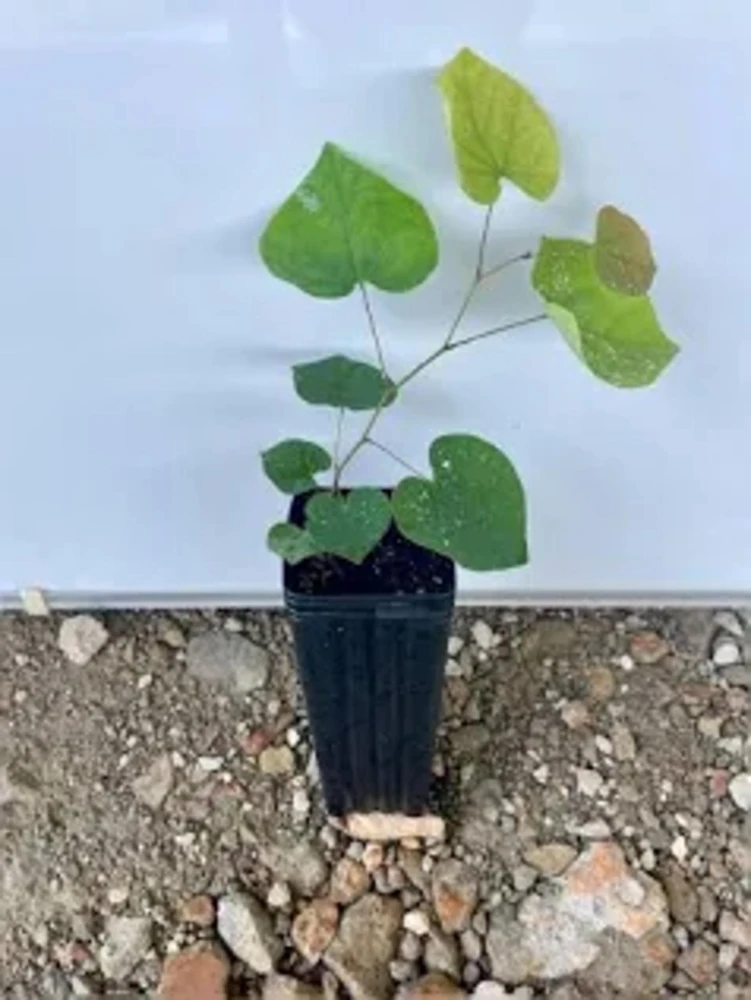
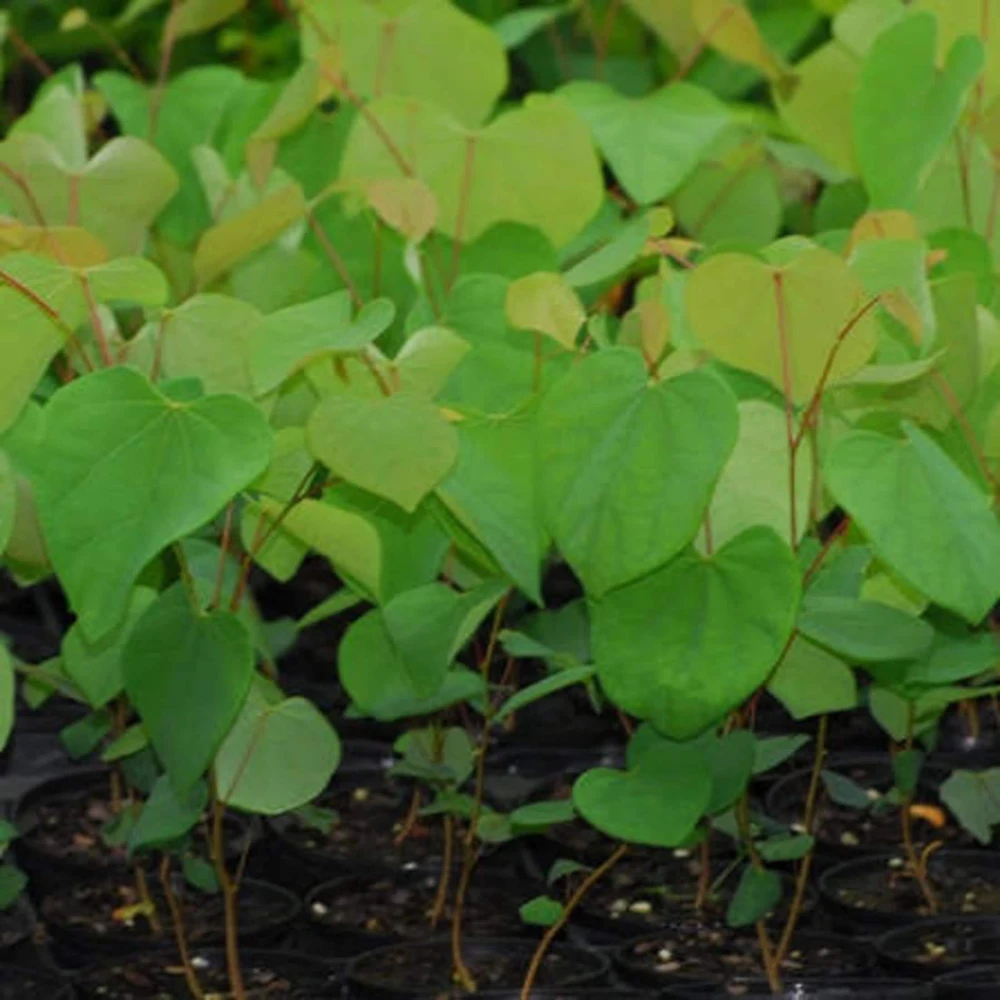
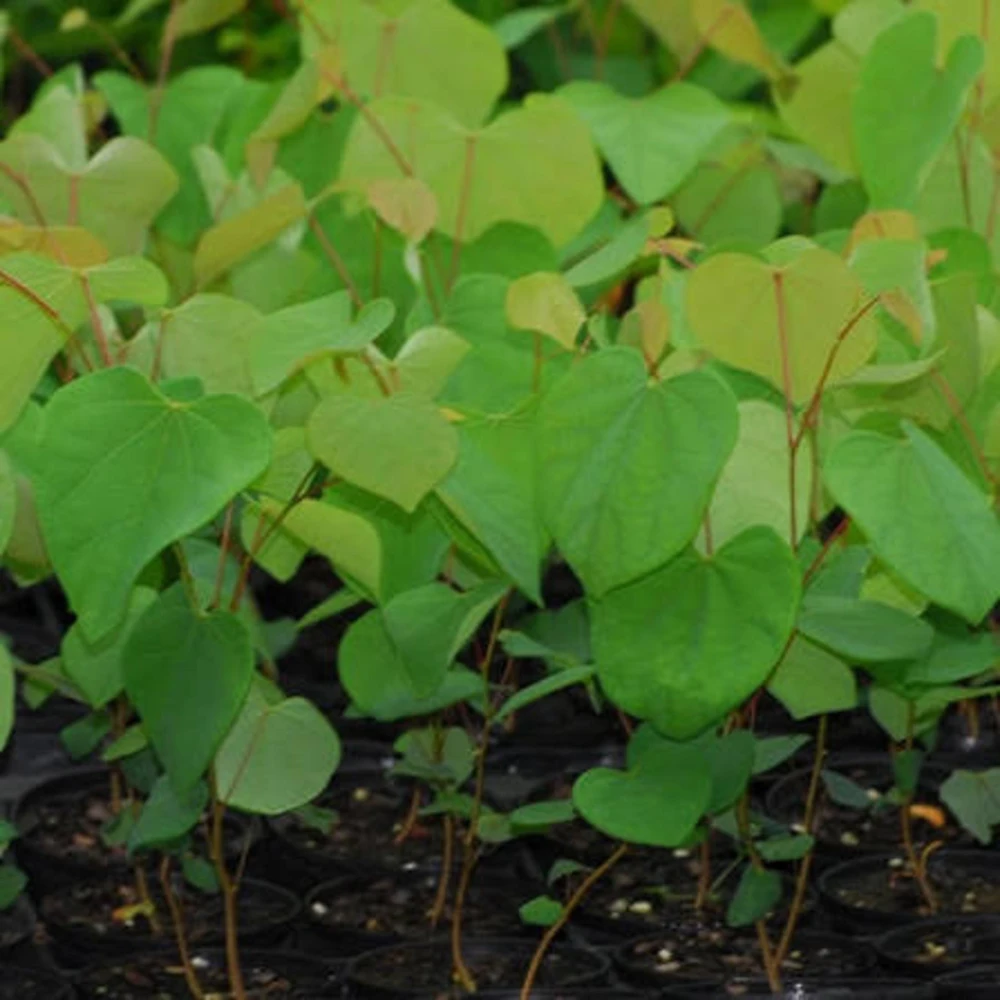
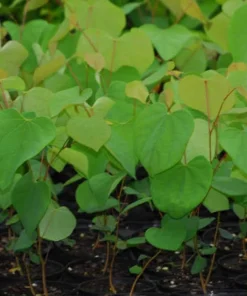
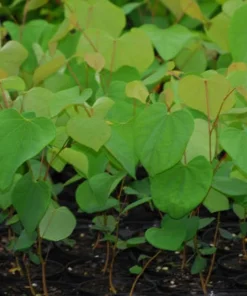
- Unique Heart-Shaped Leaves: Following the floral show, the tree develops distinct, glossy green heart-shaped leaves that provide attractive summer foliage. This unique leaf shape adds textural interest to the landscape and is easily recognizable.
- Native and Wildlife-Friendly: As a native shade tree to North America, the Eastern Redbud is perfectly adapted to local climates and soils. It supports local ecosystems by providing nectar for early pollinators, such as bees, and its seeds are a food source for birds.
- Excellent Ornamental Value: With its striking flowers, attractive foliage, and graceful form, the Eastern Redbud serves as a superb ornamental tree. It can be used as a specimen plant, in groupings, or along woodland edges, enhancing the beauty of any garden setting.
- Moderate Growth and Size: This tree typically reaches a manageable height and spread, making it suitable for a variety of landscape sizes, including smaller urban gardens where larger trees might be too overwhelming.
- Low Maintenance: Once established, the Cercis canadensis is relatively easy to care for, requiring minimal pruning and being quite tolerant of various soil conditions. This makes it an ideal choice for gardeners seeking beauty without extensive upkeep.
- Fall Color: While primarily known for its spring flowers, the Eastern Redbud also offers a pleasant display of yellow foliage in the autumn, adding another season of interest to your garden.
Plant Care & Growing Tips
Caring for your Eastern Redbud tree live plant is straightforward, ensuring it thrives and delivers its beautiful display year after year. Proper site selection and initial care are crucial for establishing a healthy tree. The Eastern Redbud is relatively adaptable, but providing optimal conditions will result in the most vigorous growth and abundant pink spring blooms.
Sunlight: The Eastern Redbud performs best in full sun to partial shade. In warmer climates, some afternoon shade can be beneficial to protect it from intense heat. Aim for at least 4-6 hours of direct sunlight per day. Too much shade can reduce flowering. Watering: During its first year, water your newly planted Eastern Redbud regularly to ensure the soil remains consistently moist but not waterlogged. Once established, it is moderately drought-tolerant but will benefit from supplemental watering during prolonged dry periods. Ensure good drainage to prevent root rot. Soil: This tree prefers well-draining soil with a neutral to slightly alkaline pH. It can tolerate a range of soil types, including clay, loam, and sand, as long as drainage is adequate. Amending heavy clay soils with organic matter can improve soil structure and drainage. Temperature & USDA Zone: The Eastern Redbud is hardy in USDA Zones 4-9, making it suitable for a wide range of climates. It tolerates both cold winters and hot summers within this range. Fertilization: Fertilize in early spring with a balanced, slow-release granular fertilizer formulated for trees and shrubs, or use a compost top-dressing. Avoid over-fertilizing, especially during the first year. Pruning: Prune in late winter or early spring while the tree is dormant. Remove any dead, damaged, or crossing branches. You can also prune to shape the tree or remove suckers that may emerge from the base. Common Problems: The Cercis canadensis is generally disease-resistant but can occasionally be susceptible to canker disease, especially in stressed trees. Ensure good air circulation and avoid wounding the bark to minimize risks. Pests are typically not a major issue.
Size & Details
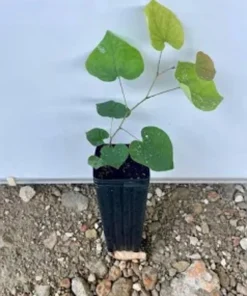
This offering includes Eastern Redbud tree live plant specimens, typically measuring 8-12 inches in height. These trees are shipped in pots, providing a robust root system ready for planting. The pot size is usually 3.5 inches or a tree pot, depending on the current growth stage and root development. The Eastern Redbud is a moderate-growing deciduous tree, typically reaching a mature height of 20-30 feet with a similar spread. It develops a graceful, often multi-stemmed form with a rounded crown, making it an excellent choice for a small shade tree or an understory planting. Expect the first stunning pink spring blooms within a few years of planting, with more prolific flowering as the tree matures. The vibrant heart-shaped leaves provide consistent beauty throughout the growing season.
The trees are ready to be transplanted into your garden upon arrival, benefiting from the established root system developed in their nursery pots. This ensures a strong start and quick acclimatization to their new environment, leading to a higher success rate compared to bare-root alternatives. The native shade tree will gradually expand its canopy, providing welcome shade and a burst of color each spring. Its adaptability and moderate size make it a versatile choice for various landscape applications, contributing both beauty and ecological benefits to your outdoor space.
Frequently Asked Questions
- Q: How big will the Eastern Redbud tree get? A: The Eastern Redbud tree live plant typically grows to a mature height of 20-30 feet with a similar spread. It’s considered a moderate-sized tree, suitable for many residential landscapes.
- Q: What size pot does it come in? A: The Eastern Redbud tree will be shipped in a 3.5-inch pot or a tree pot, depending on the current size and development of the plant. This ensures the root system is well-established.
- Q: Is this an indoor or outdoor plant? A: The Eastern Redbud (Cercis canadensis) is an outdoor deciduous tree. It requires a period of dormancy and is not suitable for long-term indoor cultivation. It thrives as a native shade tree in temperate climates.
- Q: How much sunlight does it need? A: This tree prefers full sun to partial shade, meaning it needs at least 4-6 hours of direct sunlight daily for optimal growth and abundant pink spring blooms.
- Q: Is this plant easy to care for? A: Yes, once established, the Eastern Redbud is relatively low maintenance. It’s adaptable to various soil conditions and is quite resilient, making it a good choice for both experienced and novice gardeners.
- Q: What condition will it arrive in? A: Your Eastern Redbud tree live plant will arrive potted and rooted in soil, ensuring it has a healthy head start. Some minor stress during transit is normal, but the plant should recover quickly with proper care.
- Q: How long until it blooms? A: Eastern Redbuds typically start producing their beautiful pink spring blooms within a few years of planting, with flowering becoming more prolific as the tree matures.
- Q: When is the best time to plant an Eastern Redbud? A: The best time to plant your potted Eastern Redbud is in spring or early fall when temperatures are moderate. This allows the tree to establish its root system before extreme weather.
- Q: Will it survive winter in my zone? A: The Eastern Redbud is hardy in USDA Zones 4-9. If you live within these zones, your Cercis canadensis should successfully survive winter and return with its stunning spring display.
- Q: What are the main features of the Eastern Redbud? A: Key features include its early and vibrant pink spring blooms, distinctive heart-shaped leaves, and its status as a valuable native shade tree that supports local wildlife.
Be the first to review “Eastern Redbud Tree Live Plant – 8-12in Potted Cercis Canadensis Pink Blooms Native Shade”
People Also Viewed
Uncategorized
Chamaecyparis nootkatensis Variegated Weeping Alaskan Cedar- 6-12″ Height- #1 Container Size

Reviews
There are no reviews yet.