
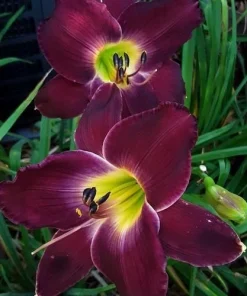
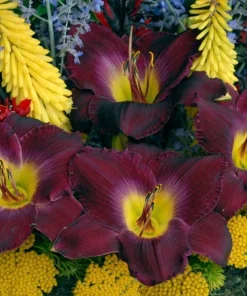
Daylily Strutter’s Ball Bare Root Plant – Reblooming Perennial Hemerocallis
Original price was: $67.99.$47.99Current price is: $47.99.
Bring vibrant color to your garden with the Daylily Strutter’s Ball bare root plant. This reblooming Daylily plant is a robust Hemerocallis perennial, known for its striking blooms and easy care Daylily nature. Perfect for any outdoor flowering plant enthusiast.
Out of stock
Estimated arrival
Oct 25
Oct 30 - Nov 01
Nov 04 - Nov 08
Shop With Confidence
30-Day Plant Health Guarantee
Arrives damaged? We’ll replace it free — see our return policy.
Responsive Support
Email us anytime, we reply within 1 business day.
Expert Packaging
Temperature-controlled shipping to protect your plants in transit.
Secure Checkout
Pay safely with Visa, Mastercard, PayPal.
Plant Specifications
-
USDA Hardiness Zone
USDA zones 3-9 -
Soil Type
Well-draining, loamy soil -
Sunlight Exposure
Full Sun -
Expected Planting Period
Spring or Fall
Overview
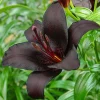
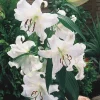
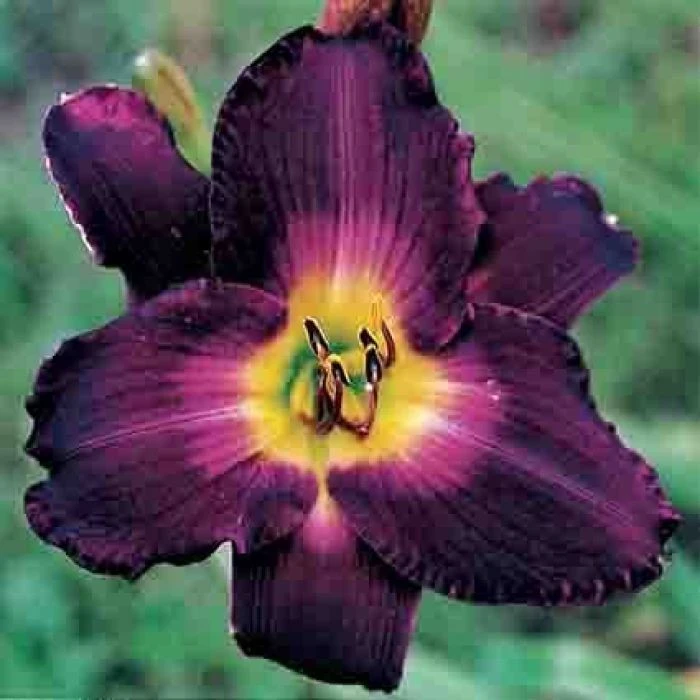
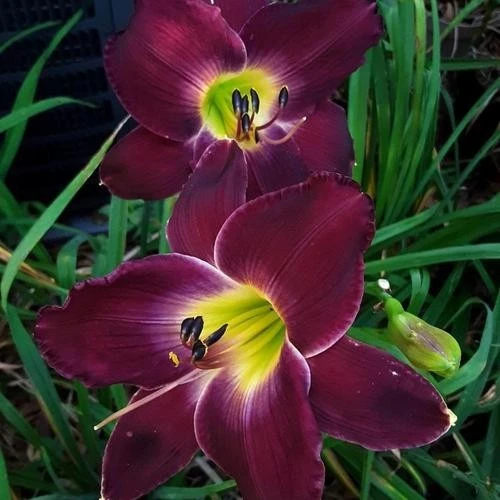
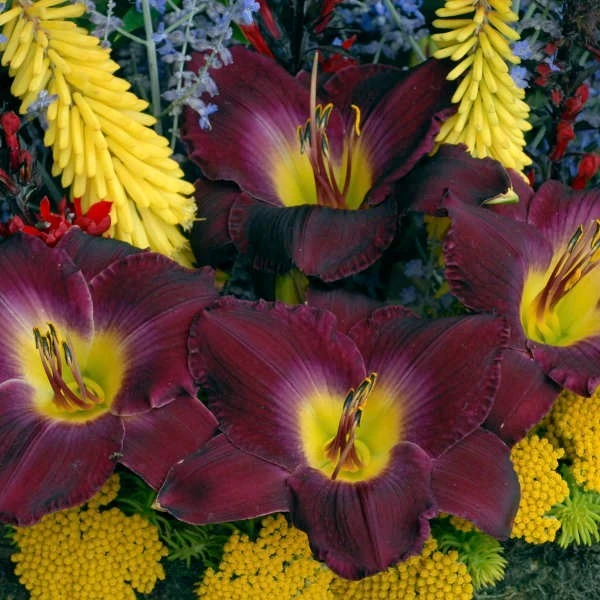
Transform your garden into a spectacle of color with the Daylily Strutter’s Ball bare root plant. This exceptional variety of Hemerocallis is renowned for its vigorous growth and stunning, multi-colored blooms, featuring shades of purple, white, yellow, and dark red. As a reblooming Daylily plant, ‘Strutter’s Ball’ offers an extended flowering season, gracing your landscape with beauty not just once, but multiple times throughout the summer and fall. Unlike many other flowering plants, Daylilies are incredibly resilient and adaptable, making them a favorite among both novice and experienced gardeners. This bare root form ensures a strong start, allowing the plant to establish quickly and produce its magnificent flowers.
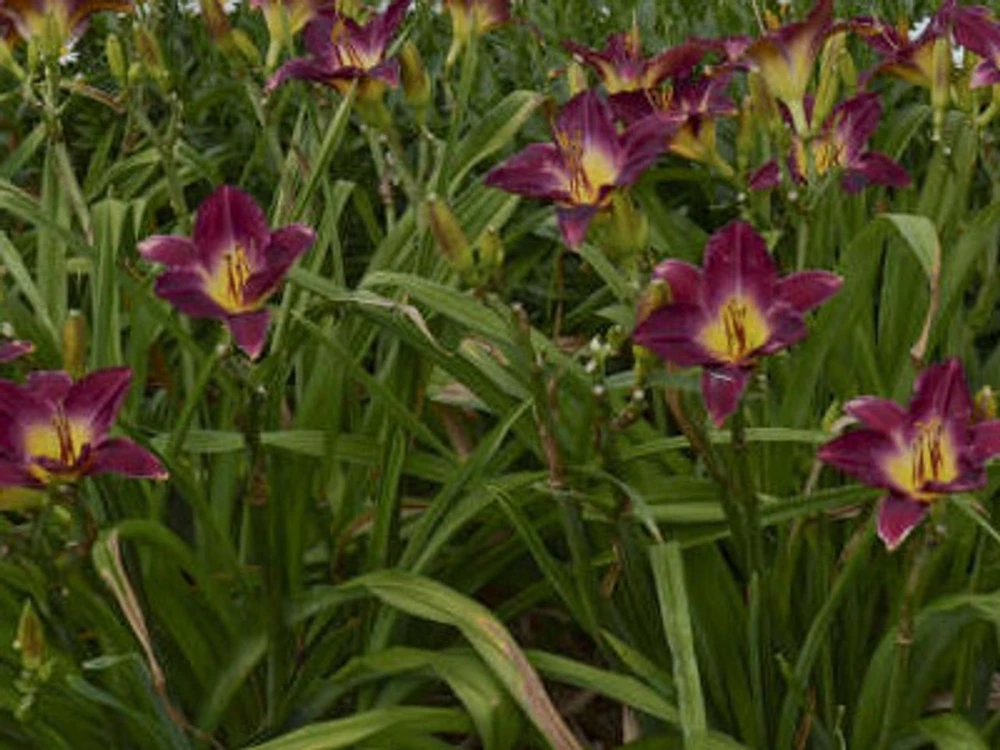
The ‘Strutter’s Ball’ Daylily is a true garden gem, combining dramatic visual appeal with minimal maintenance. Its striking presence makes it ideal for borders, mass plantings, or as a focal point in a mixed perennial bed. This Hemerocallis perennial is a reliable performer, returning year after year with increased vigor and bloom production. Its robust nature and ability to thrive in various conditions contribute to its popularity as an outdoor flowering plant that consistently delivers beauty.
Key Benefits
Adding the ‘Strutter’s Ball’ Daylily to your garden provides numerous advantages, enhancing both the aesthetic and ecological value of your outdoor space. Its vibrant blooms and hardy nature make it an indispensable choice for a beautiful and low-maintenance landscape.
- Extended Blooming Season: As a reblooming Daylily plant, ‘Strutter’s Ball’ provides multiple flushes of blooms from summer into fall, ensuring continuous color and interest in your garden long after other perennials have faded. This extended display is a significant benefit for sustained garden beauty.
- Striking Visual Appeal: The captivating combination of purple, white, yellow, and dark red hues in its large flowers creates a dramatic and eye-catching focal point. Its complex coloration adds depth and sophistication to any garden design, making it a standout outdoor flowering plant.
- Exceptional Hardiness: This Hemerocallis perennial is incredibly tough and resilient, tolerating a wide range of soil types and environmental conditions. It’s known for its ability to withstand drought once established, making it a smart choice for water-wise gardening.
- Low Maintenance Care: Once planted, the Daylily Strutter’s Ball bare root requires very little attention. It’s largely pest and disease resistant, reducing the need for constant monitoring and intervention, allowing you more time to enjoy its beauty.
- Versatile Garden Use: Its adaptability makes it suitable for various garden applications, including perennial borders, mass plantings, ground cover on slopes, or container gardening. Its robust nature ensures it performs well in many landscape settings.
- Attracts Pollinators: The vibrant flowers of the ‘Strutter’s Ball’ Daylily are attractive to beneficial pollinators like bees and butterflies, contributing to the biodiversity and health of your garden ecosystem.
- Easy to Establish: Planting this Daylily Strutter’s Ball bare root is straightforward, and the plant establishes quickly, leading to faster bloom production compared to seed-grown varieties. Its strong root system ensures a successful start.
Plant Care & Growing Tips
Caring for your ‘Strutter’s Ball’ Daylily is remarkably simple, making it an ideal choice for gardeners seeking high impact with minimal effort. This Hemerocallis perennial thrives with basic attention to its environmental needs.
Sunlight and Location: This outdoor flowering plant prefers full sun, meaning at least six hours of direct sunlight per day. While it can tolerate partial shade, too little sun may result in fewer blooms. Choose a location in your garden where it will receive ample light for optimal flowering. If you are in a very hot climate, some afternoon shade can be beneficial to prevent scorching of the flowers.
Watering and Soil: The ‘Strutter’s Ball’ Daylily is quite tolerant of various soil conditions but performs best in well-draining soil with consistent moisture, especially during its blooming period. Water deeply once or twice a week during dry spells, allowing the top layer of soil to dry out between waterings. Avoid waterlogging, as this can lead to root rot. A neutral to slightly acidic pH is ideal. Amending heavy clay soils with organic matter will improve drainage and aeration, creating an optimal environment for your Daylily Strutter’s Ball bare root to flourish. Once established, it becomes quite drought tolerant.
Fertilization and Maintenance: Feed your Daylily in early spring with a balanced slow-release fertilizer to encourage robust growth and abundant flowering. Deadheading spent blooms will encourage reblooming and maintain a tidy appearance. Divide clumps every 3-5 years in spring or fall to maintain vigor and prevent overcrowding. This easy care Daylily requires little else beyond these simple steps to provide years of beautiful blooms.
Size & Details
The Daylily Strutter’s Ball bare root plant typically reaches a mature height of 24-30 inches with a similar spread, forming a dense clump of attractive foliage. Its impressive blooms can measure 5-6 inches across. This plant is shipped as a bare root, meaning it is a dormant plant without soil or a pot, allowing for easier transport and planting. When planting, ensure the crown is just at or slightly below the soil surface. Expect the plant to establish and produce its first blooms during the next growing season, with increasingly prolific flowering in subsequent years. Its rapid growth rate and reblooming habit make it a dynamic addition to the garden.
Frequently Asked Questions
- Q: How big does this Daylily get? A: The ‘Strutter’s Ball’ Daylily typically grows to a mature height of 24-30 inches and spreads about the same, forming a lush clump. Its flowers are impressively large, often 5-6 inches in diameter.
- Q: Is this an indoor or outdoor plant? A: The Daylily Strutter’s Ball bare root is an outdoor perennial plant. It is designed to thrive in garden beds, borders, and other outdoor landscape settings.
- Q: How much sunlight does the ‘Strutter’s Ball’ Daylily need? A: This Hemerocallis perennial prefers full sun, ideally receiving at least six hours of direct sunlight daily. While it can tolerate some partial shade, full sun promotes the most abundant flowering.
- Q: Is this plant easy to care for? A: Yes, the ‘Strutter’s Ball’ Daylily is considered an easy care Daylily. It is very tolerant of various conditions and is largely pest and disease resistant, making it an excellent choice for gardeners of all skill levels.
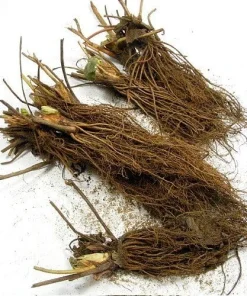
- Q: What condition will the bare root arrive in? A: Your Daylily Strutter’s Ball bare root will arrive dormant, without soil or a pot. This is a standard and effective way to ship perennials, ensuring they establish well once planted.
- Q: How long until it blooms? A: After planting the bare root, you can typically expect your ‘Strutter’s Ball’ Daylily to produce its first blooms in the growing season immediately following planting, with more prolific flowering in subsequent years as it matures.
- Q: Will this reblooming Daylily plant survive winter in my zone? A: This Daylily is a hardy perennial, generally suitable for USDA zones 3-9. It is accustomed to cold winters and will return each spring, making it a reliable outdoor flowering plant.
- Q: What is the best time to plant a Daylily bare root? A: The best time to plant a Daylily Strutter’s Ball bare root is in the spring or early fall. This allows the plant sufficient time to establish its root system before extreme weather conditions.
- Q: Does this Daylily attract pollinators? A: Yes, the vibrant and open flowers of the ‘Strutter’s Ball’ Daylily are known to attract beneficial pollinators such as bees and butterflies to your garden.
- Q: What kind of soil does this Hemerocallis perennial prefer? A: While adaptable, this Daylily thrives in well-draining soil that is rich in organic matter. It tolerates a range of soil types but avoids heavy, waterlogged conditions.
Be the first to review “Daylily Strutter’s Ball Bare Root Plant – Reblooming Perennial Hemerocallis”
People Also Viewed
Reviews
There are no reviews yet.