
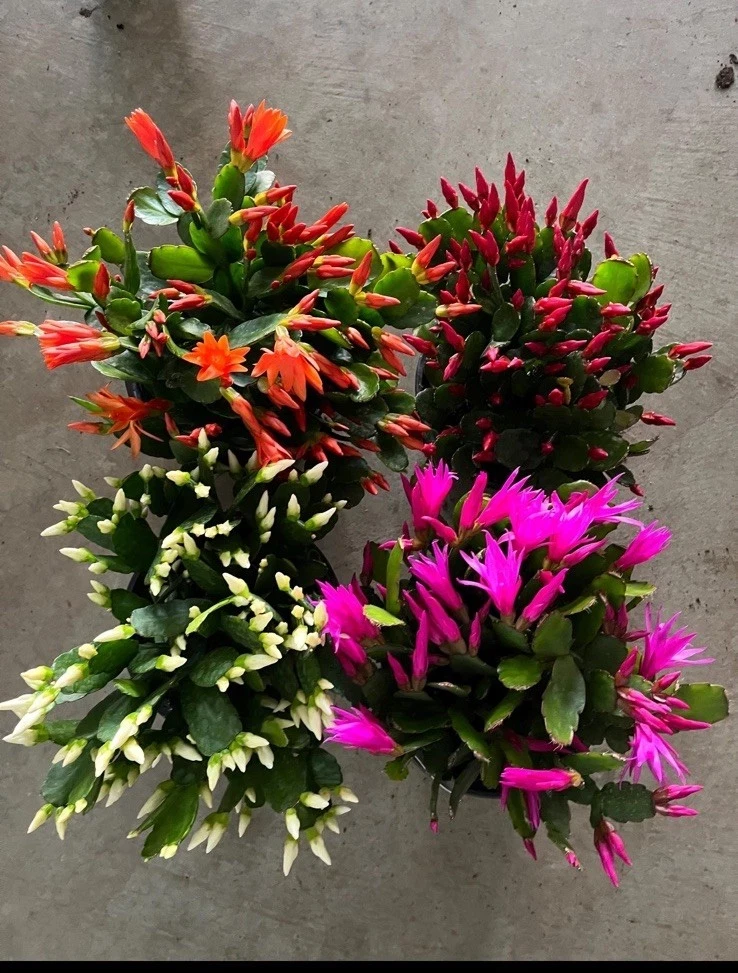
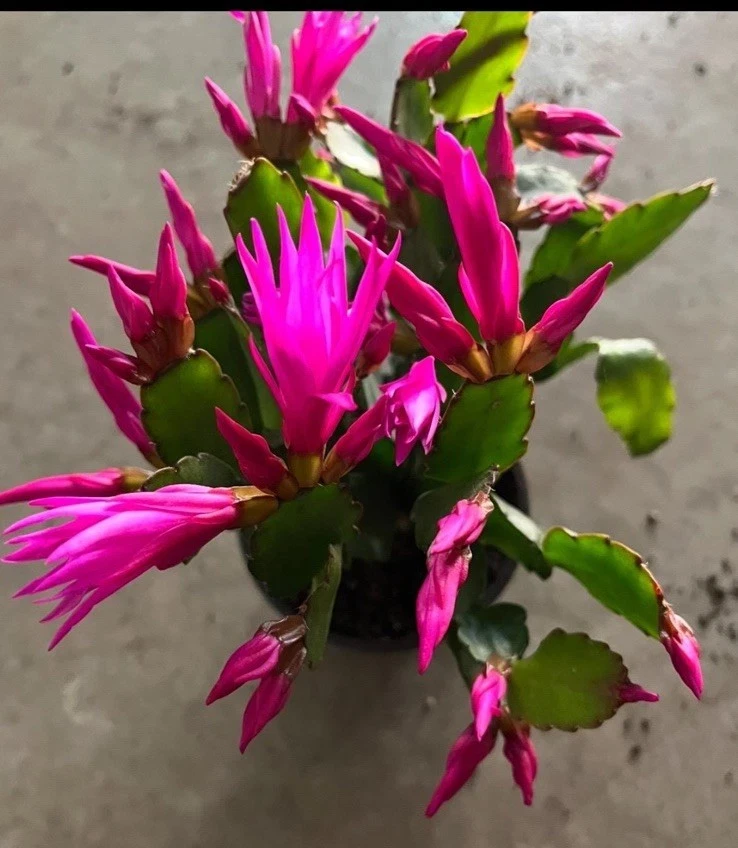
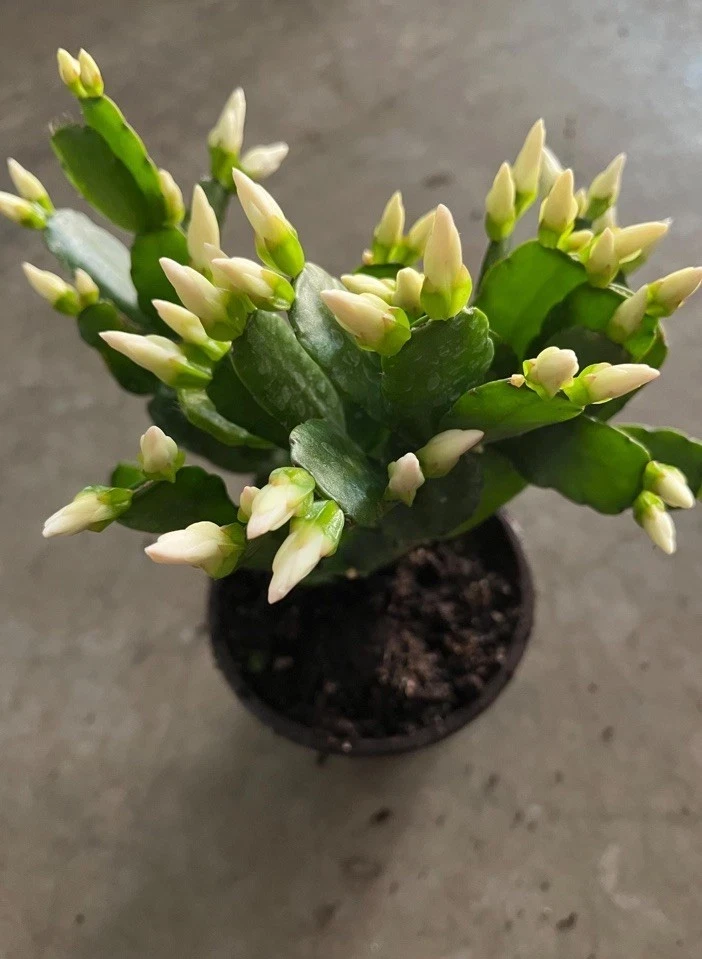
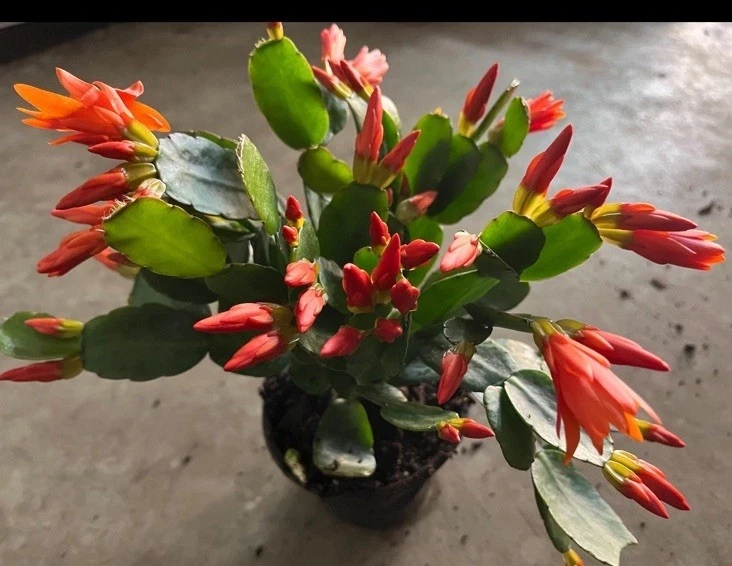
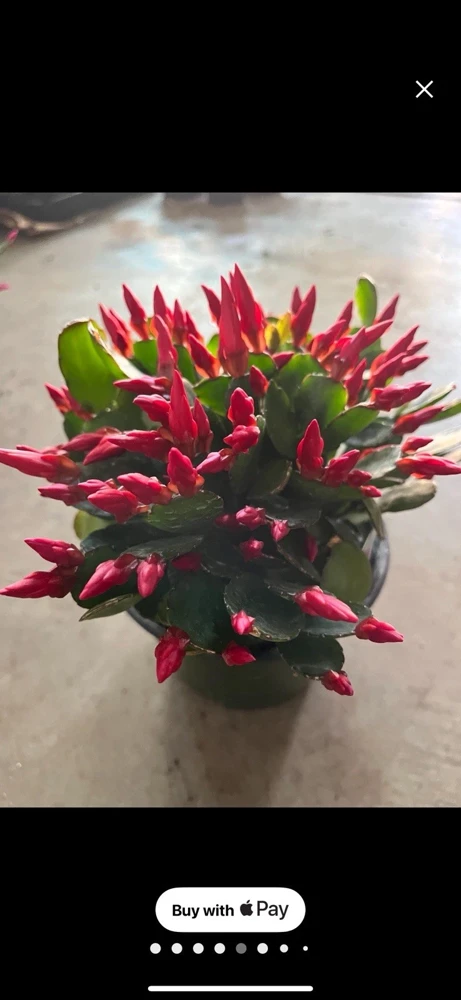
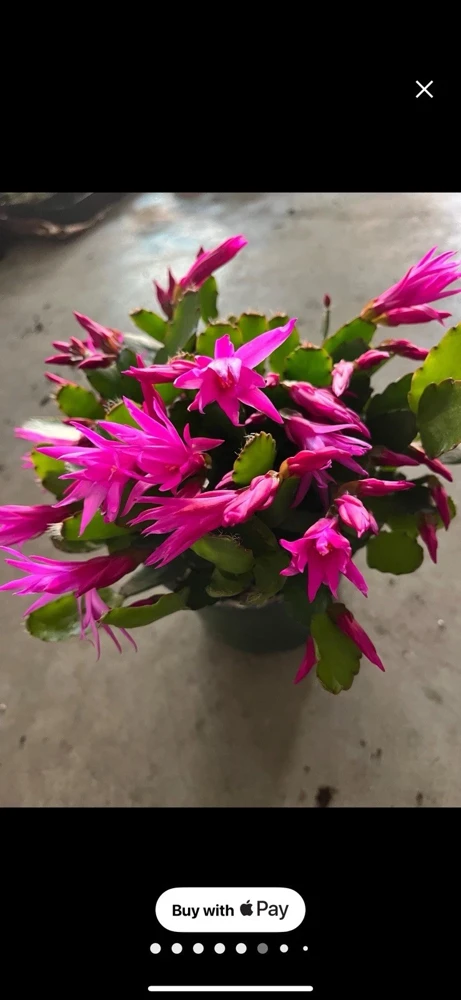
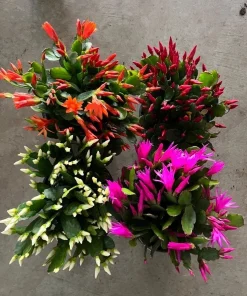
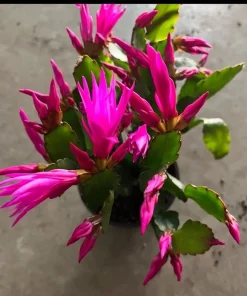
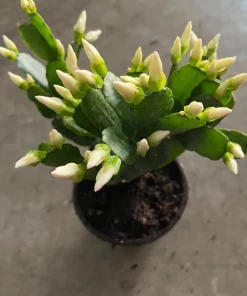
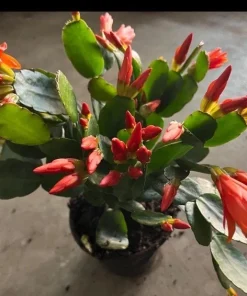
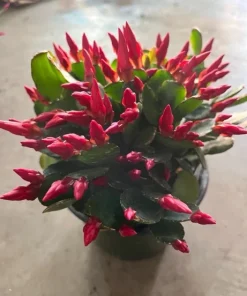
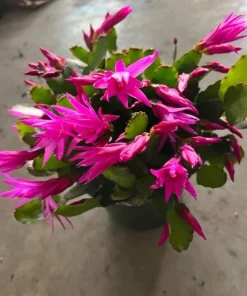
Christmas Cactus Live Plant – Schlumbergera Holiday Succulent Potted Houseplant
Original price was: $43.99.$35.99Current price is: $35.99.
Brighten your home with a stunning Christmas Cactus live plant. This beautiful holiday succulent plant, known as Schlumbergera, features vibrant blooms and is easy to care for, making it a perfect addition to any indoor space.
Estimated arrival
Oct 27
Nov 01 - Nov 03
Nov 06 - Nov 10
Shop With Confidence
30-Day Plant Health Guarantee
Arrives damaged? We’ll replace it free — see our return policy.
Responsive Support
Email us anytime, we reply within 1 business day.
Expert Packaging
Temperature-controlled shipping to protect your plants in transit.
Secure Checkout
Pay safely with Visa, Mastercard, PayPal.
Plant Specifications
-
USDA Hardiness Zone
USDA zones 10-12 (outdoors), grown as indoor plant elsewhere -
Soil Type
Well-draining potting mix -
Sunlight Exposure
Bright indirect light -
Expected Planting Period
Year-round indoors
Overview
Welcome the festive season and year-round beauty into your home with a stunning Christmas Cactus live plant. This captivating Schlumbergera, often referred to as a holiday succulent plant, is a popular choice for its vibrant, tubular flowers that typically bloom during the cooler months, adding a splash of color when other plants are dormant. Unlike desert cacti, the Christmas Cactus is an epiphyte, native to the tropical rainforests of Brazil, where it grows on trees and rocks, not in arid soil. This unique origin means it thrives in conditions that mimic its natural habitat – bright, indirect light and moderate humidity. Its segmented, flattened stems cascade gracefully, making it an attractive hanging plant or a beautiful centerpiece. The Christmas Cactus live plant is a resilient and long-lived houseplant, often passed down through generations, becoming a cherished part of family traditions.
Key Benefits
Owning a Christmas Cactus live plant offers numerous advantages, from its aesthetic appeal to its ease of care. This delightful succulent is more than just a seasonal decoration; it’s a long-term companion that brings consistent joy and beauty to your living space. The spectacular blooming cycle is undoubtedly its most celebrated feature, but its overall hardiness and unique growth habit also contribute to its widespread appeal. Here are some of the key benefits of cultivating a holiday succulent plant:
- Spectacular Seasonal Blooms: The primary draw of the Christmas Cactus live plant is its ability to produce an abundance of colorful flowers, typically pink, red, white, or purple, precisely when holiday cheer is most desired. These blooms can last for several weeks, providing a long-lasting display.
- Easy to Care For: Despite its exotic appearance, the Schlumbergera is a remarkably low-maintenance houseplant. It tolerates a range of indoor conditions and doesn’t require constant attention, making it ideal for both novice and experienced plant enthusiasts.
- Long Lifespan: With proper care, a Christmas Cactus can live for decades, growing into a large, impressive specimen. Many families cherish these plants as heirlooms, a testament to their longevity and enduring beauty.
- Air Purifying Qualities: Like many houseplants, the Christmas Cactus contributes to a healthier indoor environment by helping to filter airborne toxins and release oxygen, improving overall air quality.
- Versatile Decor: Its cascading growth habit makes it perfect for hanging baskets, elevated stands, or as a vibrant tabletop display. The festive blooms naturally enhance holiday decorations but also bring color to any room year-round.
- Propagates Easily: You can easily propagate new plants from stem cuttings, allowing you to share the beauty of your indoor Christmas Cactus with friends and family, or expand your own collection.
- Drought Tolerant: As a succulent, it stores water in its stems, making it relatively forgiving if you occasionally forget to water it. This resilience adds to its reputation as an easy-care plant.
Plant Care & Growing Tips
Caring for your Christmas Cactus live plant is straightforward, especially when you understand its unique needs as a tropical succulent. Unlike desert cacti, it doesn’t appreciate prolonged periods of dryness or intense, direct sunlight. Providing the right environment will ensure a healthy plant and abundant blooms. For optimal Schlumbergera care, focus on light, water, soil, and temperature.
Sunlight Requirements: The Christmas Cactus thrives in bright, indirect light. An east-facing window is often ideal, providing gentle morning sun. Avoid direct afternoon sun, which can scorch its delicate leaves. While it can tolerate lower light levels, insufficient light may result in fewer blooms. During the summer, it can be placed outdoors in a shaded location, but bring it indoors before temperatures drop below 50°F (10°C). Proper light exposure is crucial for encouraging a robust flowering succulent.
Watering Schedule and Soil Moisture: Water thoroughly when the top inch or two of soil feels dry to the touch. Allow excess water to drain completely from the pot. Do not let the plant sit in standing water, as this can lead to root rot. During its active growing and blooming periods (spring through winter), it will require more frequent watering. Reduce watering slightly during its resting period after flowering, typically in late winter/early spring. High humidity is also beneficial; you can achieve this by misting the plant or placing its pot on a pebble tray filled with water.
Soil Type and Drainage: A well-draining potting mix is essential. A standard houseplant potting mix amended with perlite, orchid bark, or coarse sand will provide the necessary drainage. Good aeration is key for healthy roots. The ideal soil pH is slightly acidic, between 6.0 and 6.5. Ensure your pot has drainage holes to prevent waterlogging.
Temperature Range and USDA Hardiness Zone: Christmas Cacti prefer average room temperatures between 60-75°F (15-24°C). To encourage blooming, they require a period of cooler nighttime temperatures (around 50-55°F or 10-13°C) in the fall. They are not frost-hardy and should be grown indoors in most regions. For outdoor cultivation, they are generally suited for tropical climates, typically USDA zones 10-12, but are predominantly grown as an indoor Christmas Cactus.
Fertilization Schedule: Feed your Christmas Cactus every 2-4 weeks during its active growing season (spring and summer) with a balanced liquid houseplant fertilizer diluted to half strength. Discontinue fertilizing in late summer/early fall to encourage bloom development, and resume after the blooming period. An occasional boost with a high-potassium fertilizer can aid flower production.
Common Problems and Solutions: Yellowing leaves can indicate overwatering or nutrient deficiency. Dropping buds often points to sudden changes in temperature, light, or over/underwatering. Pests like mealybugs can be treated with insecticidal soap. Consistent Schlumbergera care will help prevent most issues.
Size & Details
This Christmas Cactus live plant is typically shipped as a well-rooted, established plant, ready to thrive in your home. While exact dimensions can vary, it usually arrives in a nursery pot, with stems that are beginning to cascade. The plant’s growth rate is moderate, and with optimal conditions, it can develop into a substantial specimen over several years, with stems reaching up to 1-2 feet in length. The segments are typically 1-2 inches long and 0.5-1 inch wide. This flowering succulent is known for its graceful, arching form. Expect blooms to appear from late fall through winter, depending on environmental triggers. The plant will typically be well-formed and actively growing upon arrival, ensuring a strong start for your new houseplant.
Frequently Asked Questions
- Q: How big does this Christmas Cactus live plant get? A: With proper care, a Christmas Cactus live plant can grow quite large, with cascading stems reaching 1-2 feet in length over many years. Its spread can also be significant, making it a beautiful display plant.
- Q: What size pot does it come in? A: The plant typically ships in a standard nursery pot, the exact size of which may vary but is appropriate for the plant’s current stage of growth. You may choose to repot it into a decorative container upon arrival.
- Q: Is this an indoor or outdoor plant? A: While it can be placed outdoors in a shaded spot during warm summer months, the indoor Christmas Cactus is primarily grown as a houseplant due to its sensitivity to cold temperatures and preference for consistent humidity.
- Q: How much sunlight does it need? A: The Christmas Cactus prefers bright, indirect light. Avoid direct, intense sunlight, especially during the afternoon, as this can scorch its leaves. An east-facing window is often ideal for good Schlumbergera care.
- Q: Is this plant easy to care for? A: Yes, the Christmas Cactus is considered an easy-care houseplant, suitable for beginners. Its specific needs for light, water, and temperature are straightforward to meet, making it a rewarding holiday succulent plant to grow.
- Q: What condition will it arrive in? A: Your plant will arrive as a healthy, well-rooted specimen, carefully packaged to ensure its safe journey. It will be actively growing and ready to be placed in its new home.
- Q: How long until it blooms? A: If provided with the correct light and temperature conditions, especially cooler nighttime temperatures in the fall, your flowering succulent should bloom during the late fall and winter months, typically around the holiday season.
- Q: When is the best time to plant? A: As a potted houseplant, the Christmas Cactus can be ‘planted’ (or repotted) any time of year. However, it’s generally best to avoid repotting when it’s actively blooming or setting buds to prevent stress.
- Q: Will it survive winter in my zone? A: Unless you live in a tropical climate (USDA zones 10-12), your Christmas Cactus will not survive outdoor winter conditions. It must be brought indoors when temperatures drop below 50°F (10°C).
- Q: What’s the minimum temperature it can tolerate? A: The minimum temperature a Christmas Cactus can tolerate is around 50°F (10°C). Exposure to temperatures below this can cause damage or death to the plant.
Be the first to review “Christmas Cactus Live Plant – Schlumbergera Holiday Succulent Potted Houseplant”
People Also Viewed
Reviews
There are no reviews yet.