
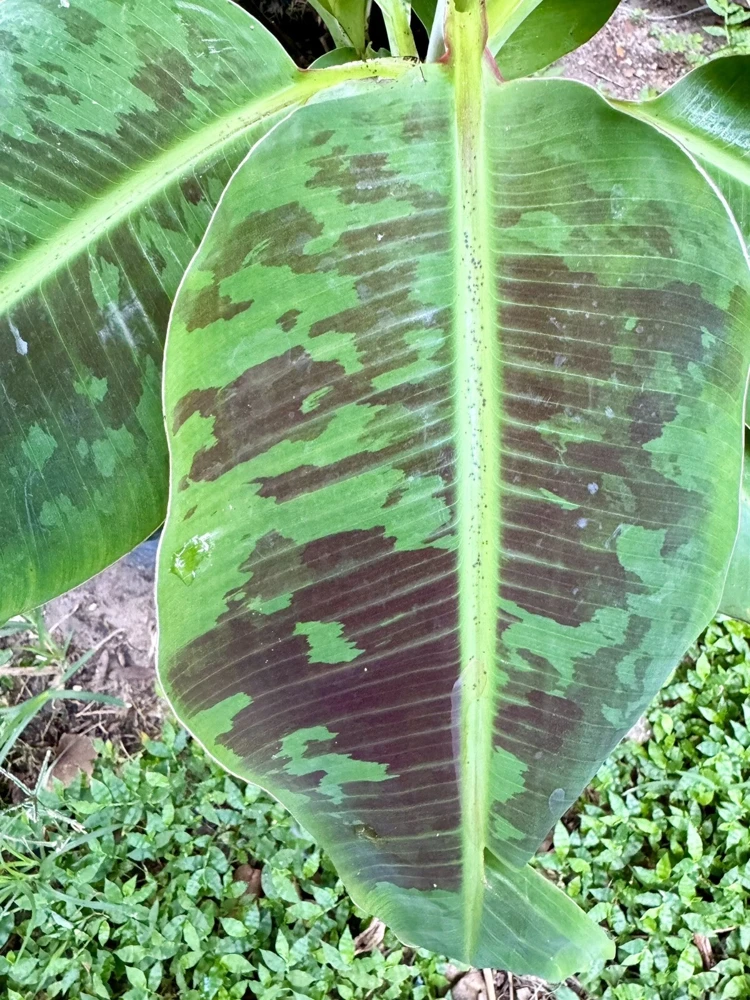
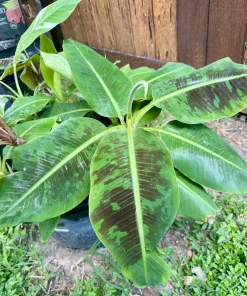
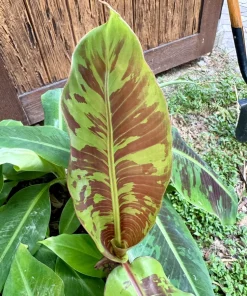
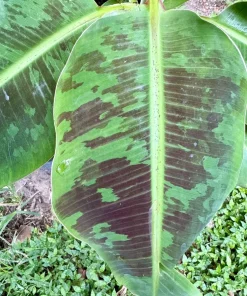
Blood Banana Live Plant – Musa zebrina Tropical Ornamental Tree
Original price was: $67.99.$55.99Current price is: $55.99.
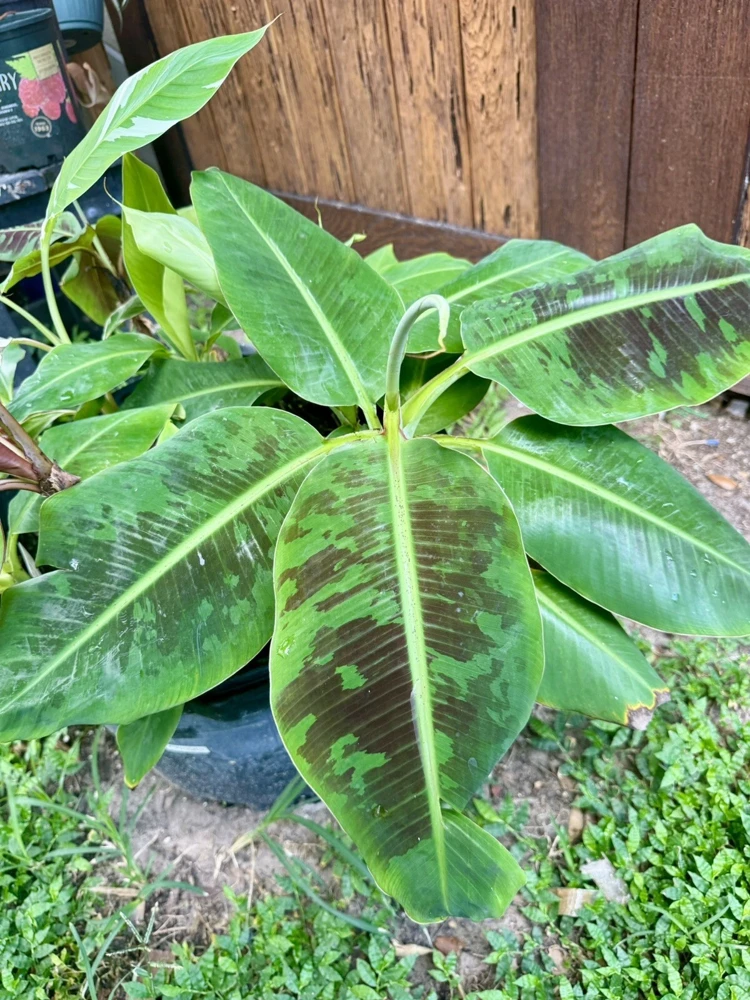
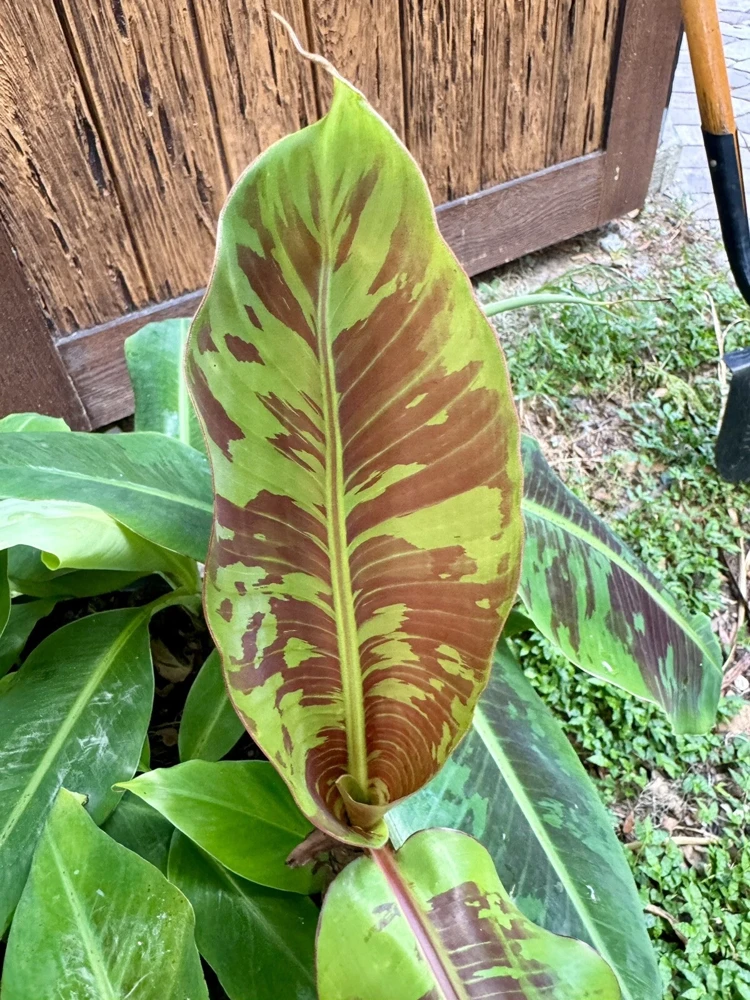
Bring a touch of the tropics home with this stunning blood banana live plant (Musa zebrina). Known for its distinctive red-splashed leaves, this musa zebrina plant makes a beautiful ornamental addition, thriving both indoors and outdoors in suitable climates. Easy to care for and visually striking.
Estimated arrival
Oct 27
Nov 01 - Nov 03
Nov 06 - Nov 10
Shop With Confidence
30-Day Plant Health Guarantee
Arrives damaged? We’ll replace it free — see our return policy.
Responsive Support
Email us anytime, we reply within 1 business day.
Expert Packaging
Temperature-controlled shipping to protect your plants in transit.
Secure Checkout
Pay safely with Visa, Mastercard, PayPal.
Plant Specifications
-
USDA Hardiness Zone
USDA zones 9–11 (outdoors); suitable for all zones indoors -
Soil Type
Rich, well-draining potting mix -
Sunlight Exposure
Bright indirect light to partial sun -
Expected Planting Period
Year-round indoors; spring to early summer outdoors (in suitable zones)
Overview
Immerse your space in exotic allure with the magnificent blood banana live plant, scientifically known as Musa zebrina. This captivating ornamental banana tree is celebrated for its striking foliage, featuring deep green leaves dramatically variegated with rich burgundy or blood-red splotches. Unlike common banana varieties grown primarily for fruit, the musa zebrina plant is cultivated for its breathtaking aesthetic appeal, making it a focal point in any tropical garden or a vibrant indoor houseplant. Originating from Southeast Asia, this plant embodies lush, jungle-like beauty, transforming ordinary spaces into extraordinary botanical havens. Whether you’re a seasoned gardener or a new plant enthusiast, the unique visual impact of the tropical banana plant is sure to impress.
The blood banana live plant provides a continuous display of vibrant color and texture. Its rapid growth and relatively compact size for a banana make it an excellent choice for container gardening, allowing it to be moved indoors during cooler months. Prepare to be enchanted by the dramatic beauty of this easy-to-grow specimen, bringing a piece of the tropics directly to your home or patio.
Key Benefits
The blood banana live plant offers a multitude of benefits beyond its stunning appearance, enhancing both your living space and your gardening experience. Its unique characteristics make it a standout choice for various settings.
- Exotic Visual Appeal: The most prominent benefit is its striking foliage. The large, paddle-shaped leaves adorned with dark red or burgundy splotches create an immediate tropical ambiance, making it a dramatic focal point in any room or garden. This vibrant coloration is truly unique among banana plants.
- Versatile Growing Options: This musa zebrina plant thrives equally well as a container plant on patios, decks, or in garden beds in warm climates. Its adaptability also makes it an excellent choice for indoor cultivation, bringing a touch of the exotic indoors.
- Rapid Growth Rate: Enjoy a quickly developing, lush plant. The tropical banana plant grows relatively fast under optimal conditions, allowing you to achieve a mature, impressive specimen in a shorter time frame, providing instant gratification for gardeners.
- Air Purification: Like many large-leaved plants, the blood banana contributes to better indoor air quality by absorbing toxins and releasing oxygen, promoting a healthier living environment.
- Low Maintenance for High Impact: Despite its exotic looks, the blood banana live plant is surprisingly easy to care for. With basic attention to light, water, and feeding, it will flourish, rewarding you with its spectacular display.
- Unique Ornamental Fruit (Rarely): While primarily grown for foliage, under ideal conditions, this ornamental banana tree can produce small, inedible fruits, adding another layer of interest and conversation to your plant.
- Conversation Starter: Its unusual and beautiful appearance makes the red leaf banana a fantastic conversation piece, sure to draw admiration and curiosity from guests.
Plant Care & Growing Tips
Caring for your blood banana live plant involves understanding its tropical origins and providing an environment that mimics its natural habitat. With the right care, your musa zebrina plant will thrive and display its full, vibrant potential. This plant appreciates consistent attention but is generally forgiving.
Sunlight Requirements: The tropical banana plant prefers bright, indirect light to partial sun. Outdoors, choose a location where it receives morning sun and afternoon shade, especially in hot climates, to prevent leaf scorch. Indoors, place it near a south or west-facing window where it gets plenty of bright, filtered light. Too little light can diminish the red coloration on the leaves, while too much direct, harsh sun can burn them.
Watering Schedule and Soil Moisture: These plants are thirsty! Keep the soil consistently moist but never waterlogged. Water thoroughly when the top inch or two of soil feels dry to the touch. During warmer months and active growth, this might mean daily watering, especially for container-grown plants. Reduce watering slightly in cooler months. Ensure good drainage to prevent root rot. The red leaf banana appreciates humidity, so misting regularly or placing it near a humidifier will be beneficial, particularly indoors.
Soil Type and Drainage: A rich, well-draining potting mix is essential. A good quality all-purpose potting soil amended with compost or peat moss for added nutrients and moisture retention works well. Ensure the pot has drainage holes to allow excess water to escape. Good drainage is crucial for the health of your blood banana live plant.
Temperature Range and USDA Hardiness Zone: As a tropical plant, Musa zebrina prefers warm temperatures, ideally between 65°F and 80°F (18°C-27°C). It is not frost-tolerant and will suffer damage below 40°F (4°C). If grown outdoors in USDA Zones 9–11, it can be a perennial. In colder zones, it must be brought indoors for winter or treated as an annual. Protect it from strong winds, which can shred its large leaves.
Fertilization Schedule and Type: During the active growing season (spring through fall), feed your musa zebrina plant every 2-4 weeks with a balanced liquid fertilizer. A fertilizer specifically formulated for tropical plants or a general all-purpose plant food will suffice. Reduce or stop fertilizing during winter when growth slows.
Common Problems and Solutions: Watch out for spider mites, especially in dry indoor environments; regular misting helps deter them. Yellowing leaves can indicate overwatering or nutrient deficiency. Brown, crispy leaf edges usually point to insufficient humidity or underwatering. Adjust your care routine accordingly to keep your ornamental banana tree healthy.
Size & Details
The blood banana live plant is typically sold as a young plant, often 6-12 inches tall, allowing it to establish well in its new environment. When mature, it can reach impressive heights of 5-8 feet outdoors in ideal conditions, though it usually remains smaller, around 3-5 feet, when grown in containers or indoors. Its spread can be proportional to its height, creating a lush, bushy appearance. The distinctive leaves can grow up to 2-3 feet long, providing a significant tropical presence. This plant generally ships as a healthy, rooted specimen in a nursery pot, ready for transplanting into a larger container or garden bed upon arrival. With proper care, you can expect noticeable growth within the first few months, and it can reach a substantial size within 1-2 growing seasons.
Frequently Asked Questions
- Q: How big does this plant get? A: The blood banana live plant can reach 5-8 feet tall outdoors in optimal conditions, but when grown in containers or indoors, it typically stays between 3-5 feet, making it manageable for most spaces.
- Q: Is this an indoor or outdoor plant? A: The musa zebrina plant is versatile and can be grown both indoors as a houseplant or outdoors in warm, tropical climates (USDA Zones 9-11). In colder regions, it should be brought indoors for winter.
- Q: How much sunlight does it need? A: This tropical banana plant thrives in bright, indirect light to partial sun. Too much direct sun can scorch its leaves, while too little can reduce the vibrant red coloration.
- Q: Is this plant easy to care for? A: Yes, for an exotic plant, the blood banana live plant is relatively easy to care for. It requires consistent watering, bright light, and warm temperatures, but is generally forgiving for beginners.
- Q: What condition will it arrive in? A: Your ornamental banana tree will arrive as a healthy, established live plant in a nursery pot, carefully packaged to ensure its safe journey. It will be ready for you to transplant upon receipt.
- Q: Can I grow this plant for fruit? A: While it is a banana plant, the Musa zebrina is primarily grown for its ornamental foliage. It can produce small, seedy, inedible fruits, but it is not cultivated for consumption.
- Q: What’s the best soil for a red leaf banana? A: A rich, well-draining potting mix is ideal. Look for a soil that retains some moisture but allows excess water to escape freely to prevent root rot.
- Q: How often should I water my blood banana live plant? A: Keep the soil consistently moist but not waterlogged. Water thoroughly when the top 1-2 inches of soil feel dry. This may be daily during hot, active growing periods.
- Q: Will it survive winter in my zone? A: The musa zebrina plant is tropical and sensitive to cold. It will only survive outdoors year-round in USDA Zones 9-11. In colder zones, it must be protected from frost or brought indoors.
- Q: Is the tropical banana plant pet-safe? A: While not typically listed as toxic, it’s always best to keep plants out of reach of pets, especially if they are prone to chewing on foliage.
Be the first to review “Blood Banana Live Plant – Musa zebrina Tropical Ornamental Tree”
People Also Viewed
Reviews
There are no reviews yet.